Brains launched into space observed to develop faster
U.S. scientists sent organoids representing human brain tissue to the International Space Station (ISS). In this 2019 experiment, these mini-brain structures, which spent a month in space, both remained healthy and matured faster than those on Earth.
12punto

In 2019, U.S. scientists sent organoids, which represent human brain tissue, to the International Space Station (ISS). As a result of the experiment, these mini-brain structures remained healthy and matured faster compared to their counterparts grown on Earth.
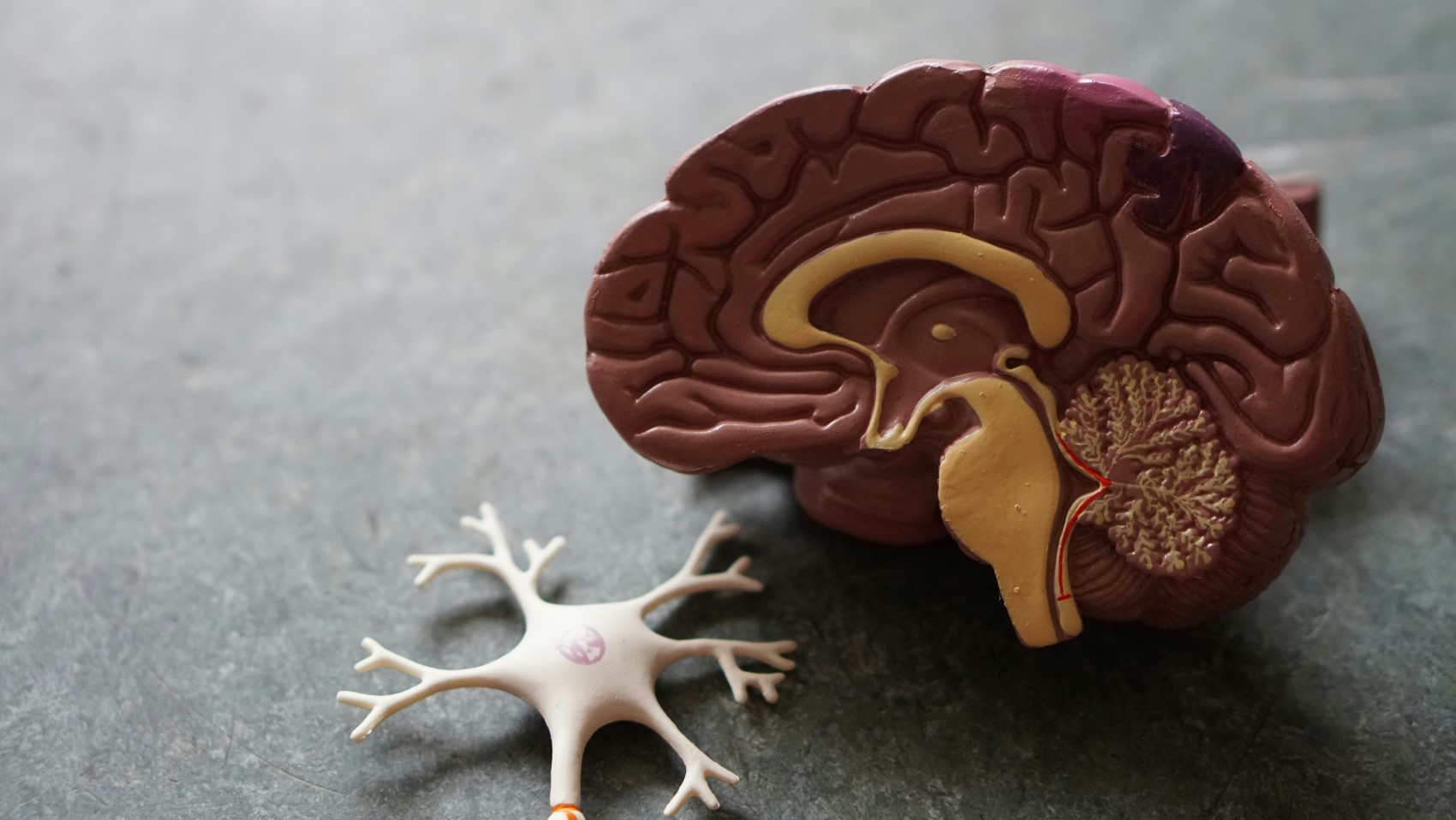
Jeanne Loring, a molecular biologist at Scripps Research, said, “It was a huge surprise that these cells survived in space. This study paves the way for new experiments to examine other brain regions affected by neurodegenerative diseases.” Organoids are defined as three-dimensional cell clusters derived directly from tissue or stem cells that can self-renew and perform organ functions.
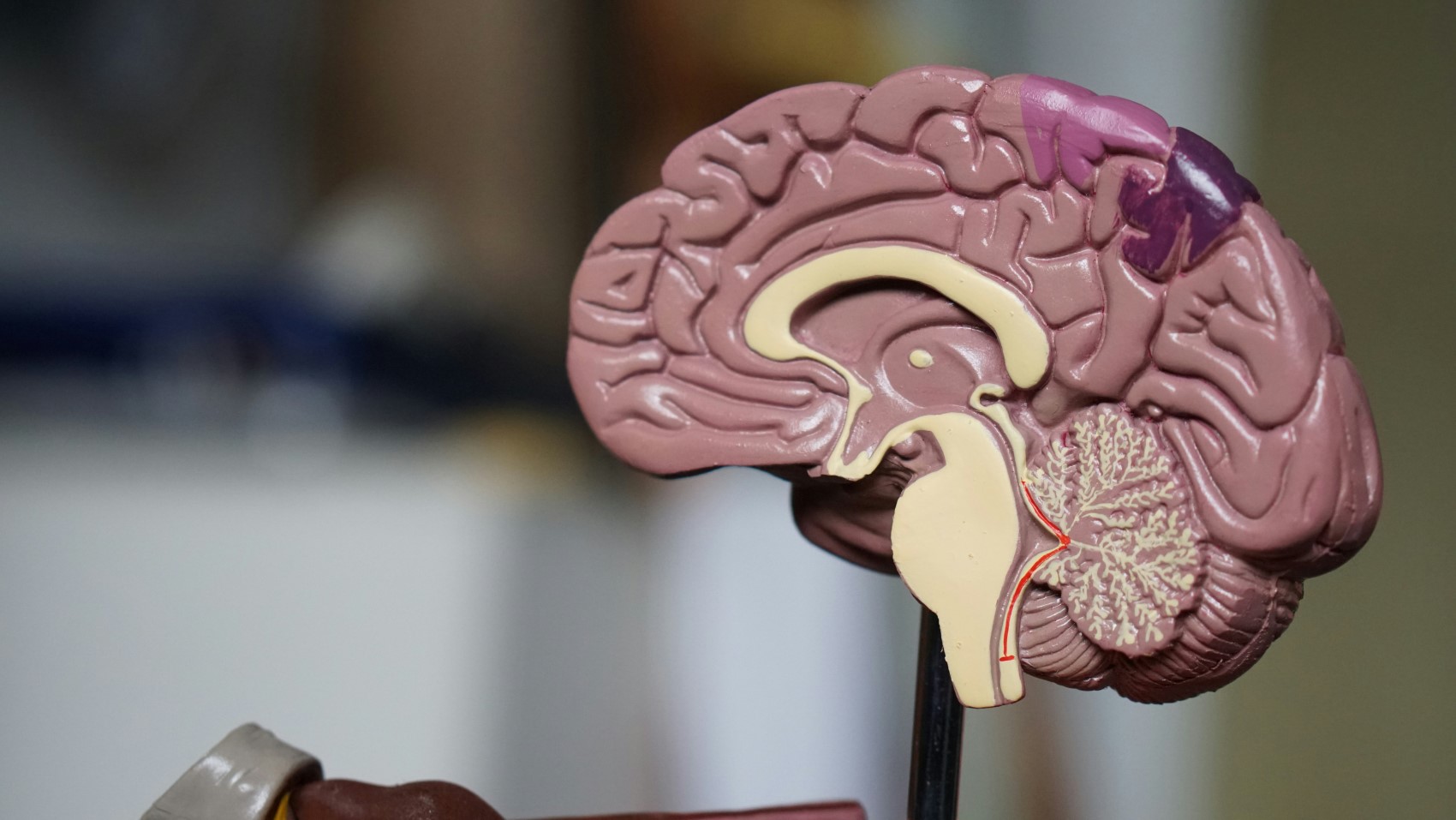
Organoids show structural and functional similarities to the tissue from which they are derived.
The International Space Station offers a unique opportunity to study the effects of microgravity on human cells.

These effects are of great importance not only for the health of astronauts but also for medical research on Earth. The microgravity environment opens new doors in disease modeling and drug development studies. A team led by molecular biologist Davide Marotta from the ISS National Laboratory set out to investigate specifically how nerve cells linked to neurodegenerative diseases are affected in microgravity.

In the study, cells taken from healthy individuals and people with multiple sclerosis (MS) and Parkinson's disease were reprogrammed in the laboratory and turned into nerve cells. These cells formed organoids containing microglia, which are the immune system cells of the brain.

While some of the organoids were left on Earth, the others were sent to the ISS in special cryo-tubes.
After being brought back following a month spent in space, the organoids were compared with the control group on Earth.
It was determined that the organoids that developed in space matured faster, but cell proliferation was slower. Furthermore, compared to the organoids on Earth, fewer stress-related genes were expressed and lower-than-expected inflammation was observed.
It is thought that this situation may be due to the microgravity environment being closer to the conditions inside the human skull. Loring added, “In space, these organoids look more like a brain. They are creating their own micro-universe.”
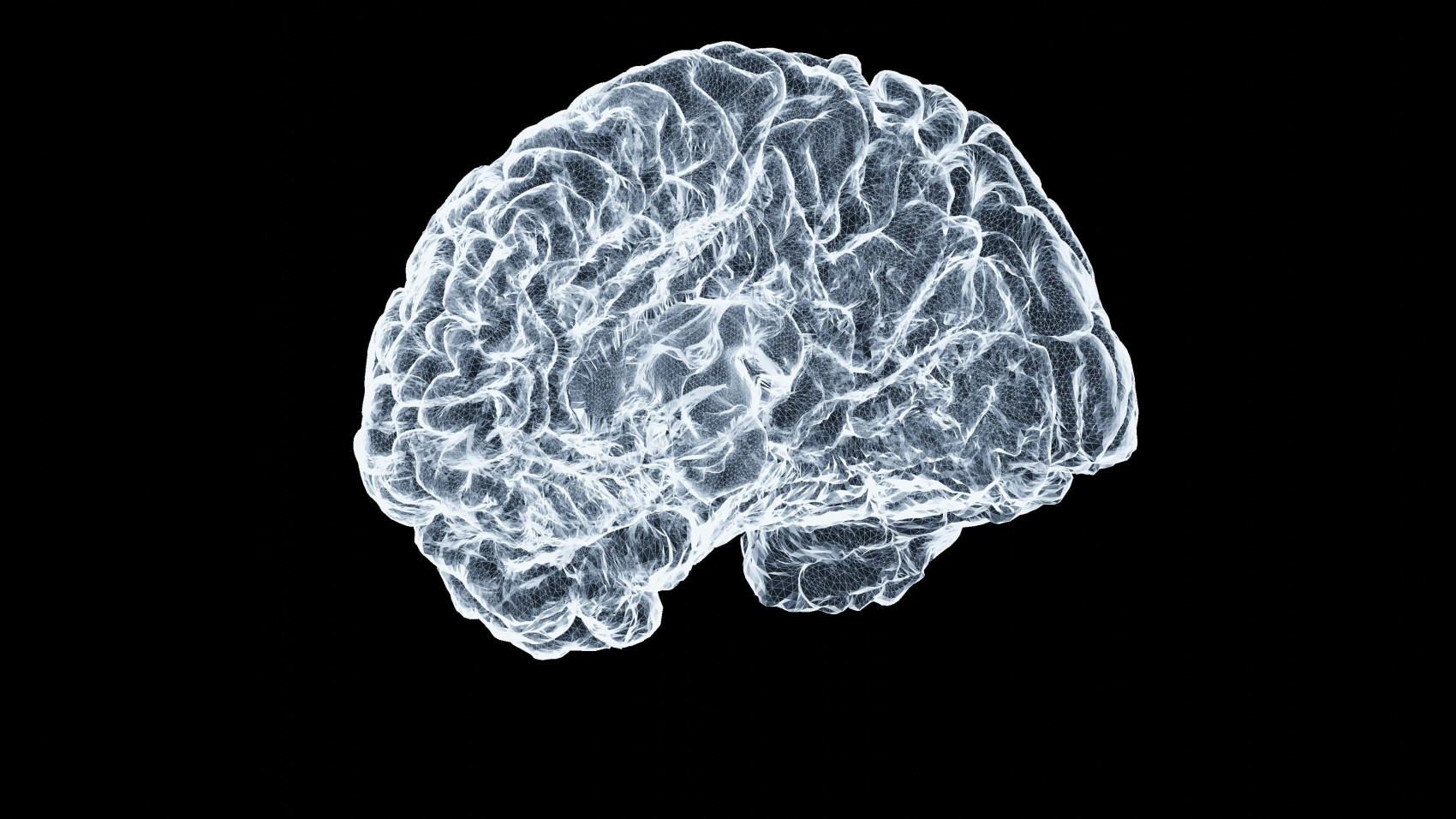
The researchers stated that the next goal is to examine the brain regions most affected by Alzheimer's disease. Additionally, new experiments are being planned to understand how nerve cells connect with each other in space.
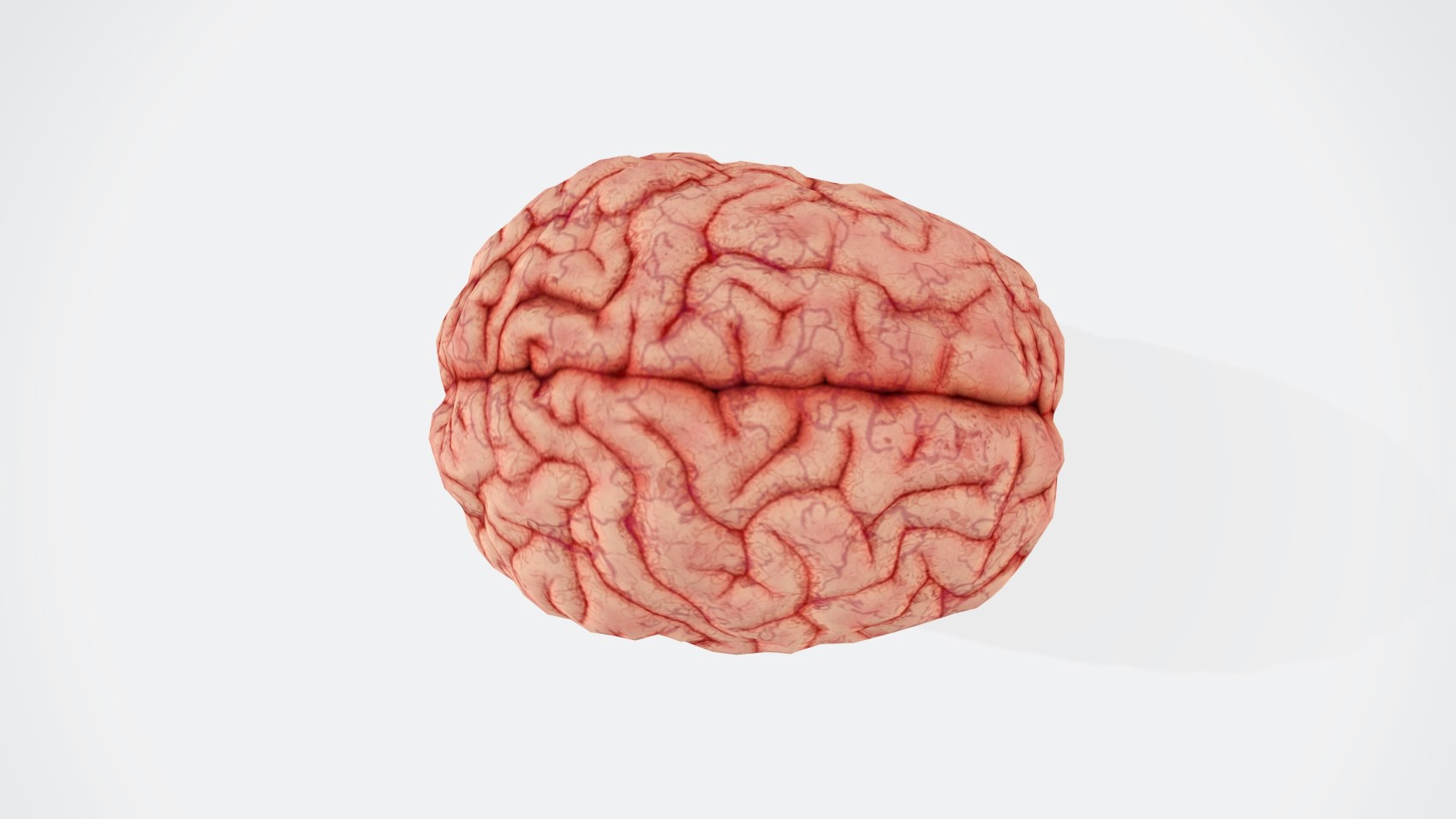
Loring said, “We cannot predict results in these types of studies based on previous research. We are literally at the starting point; we are in the sky, but we are still at the basic stage.”