Scientists provide a date: The North Pole could remain ice-free
Scientists have examined the effects of greenhouse gas emissions on the North Pole. Experts, who report that ice loss in the Arctic Ocean could occur as early as the summer of 2027, consider this situation to be one of the turning points of global warming.
12punto
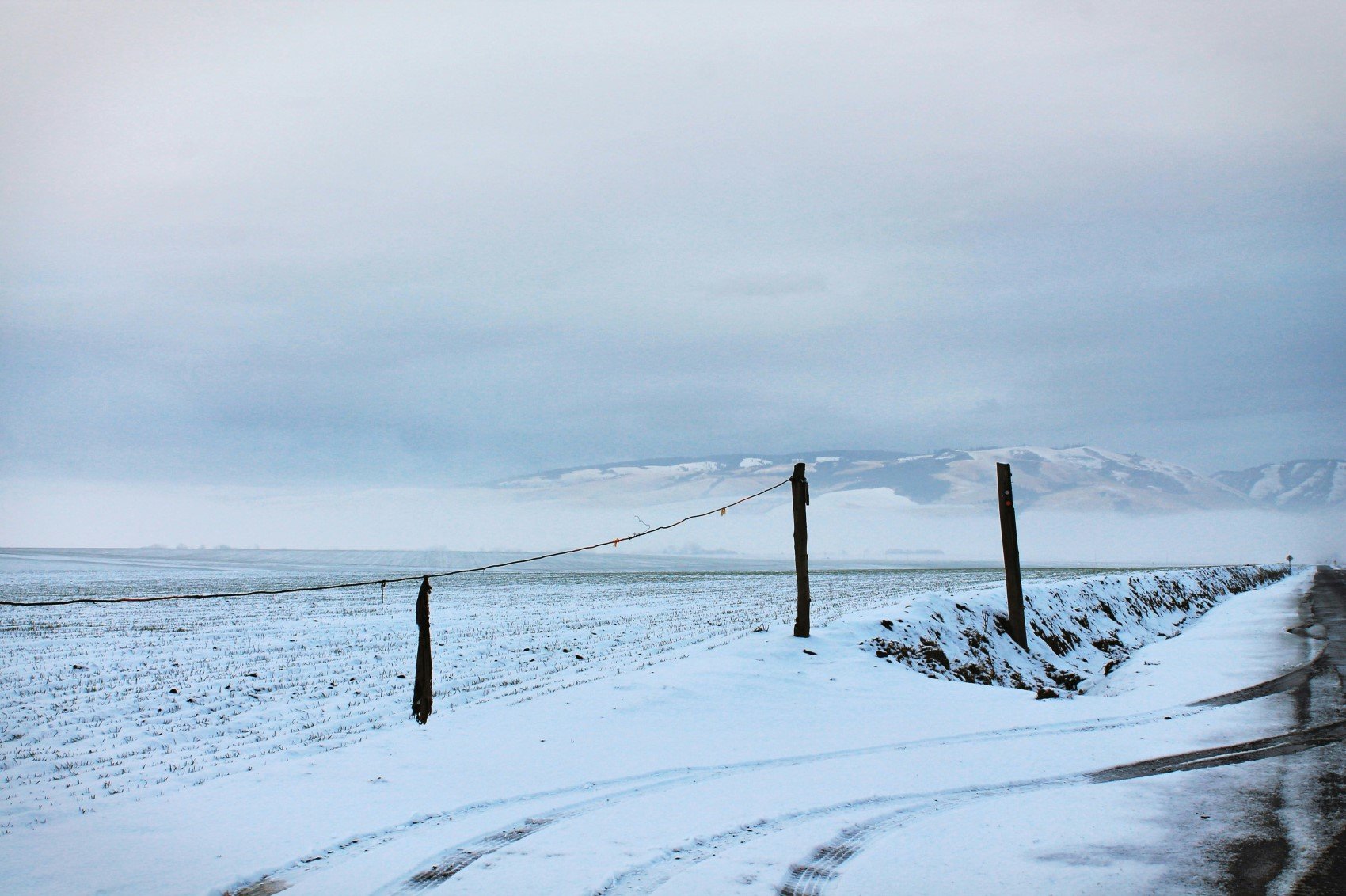
Previous expectations were that ice loss in the Arctic Ocean would occur around 2030. However, a new study reveals that an ice-free day could happen at an earlier date.
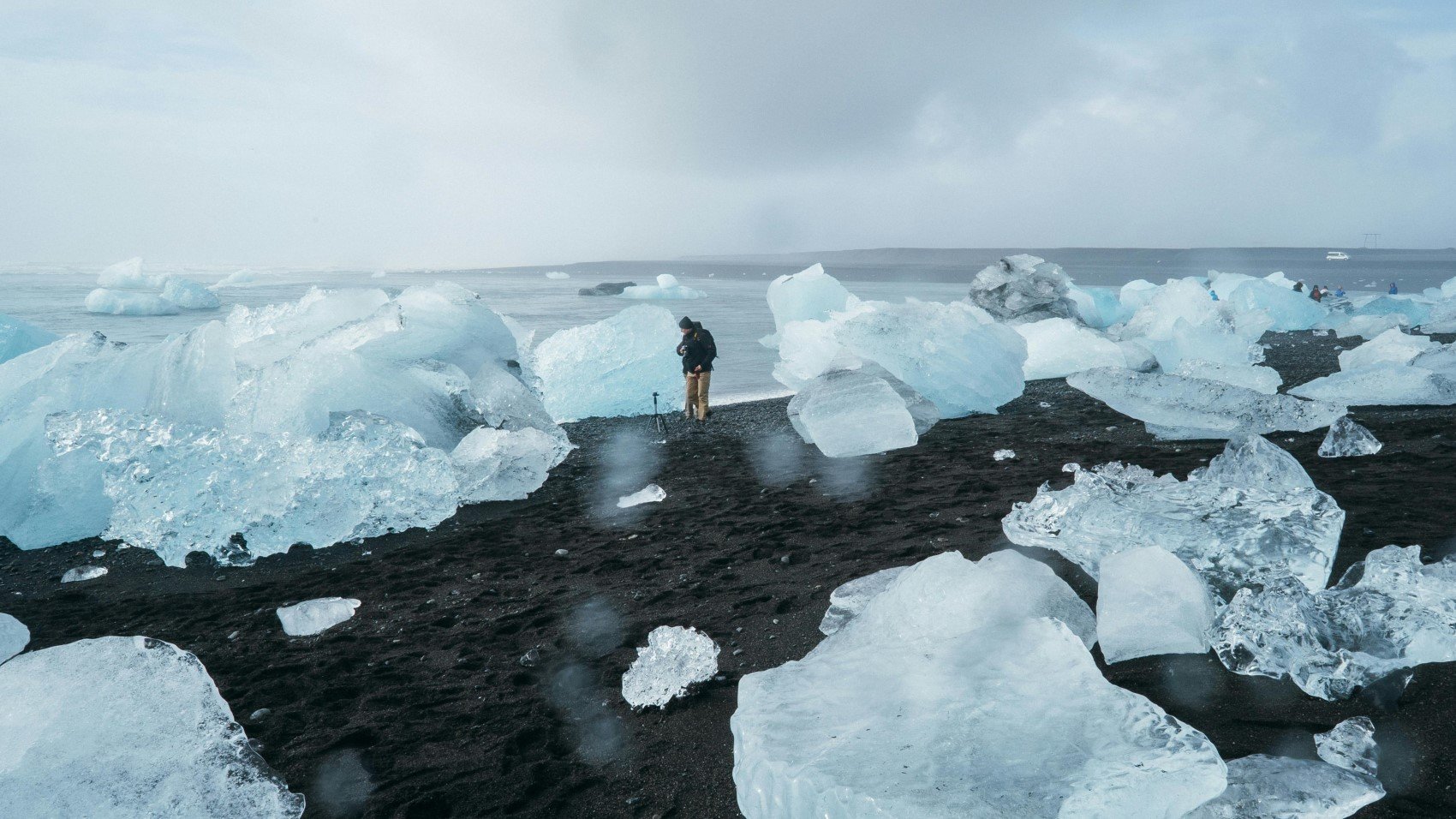
This study showed that ice loss in the Arctic Ocean could occur as early as late summer 2027.
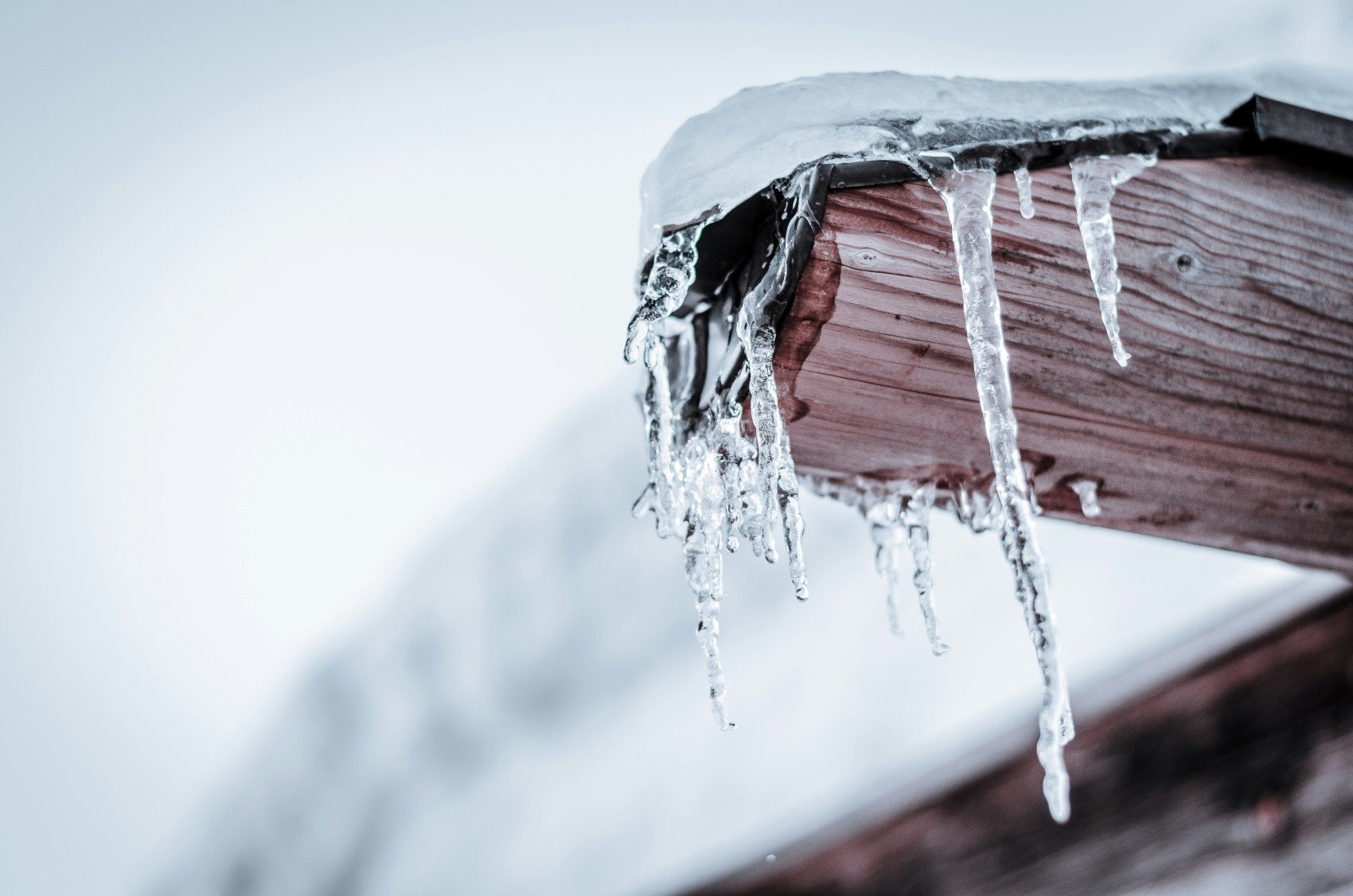
While scientists define 'ice-free' as the sea ice area falling below one million square kilometers in a short period, they say that the Arctic's first ice-free day is now inevitable and irreversible.
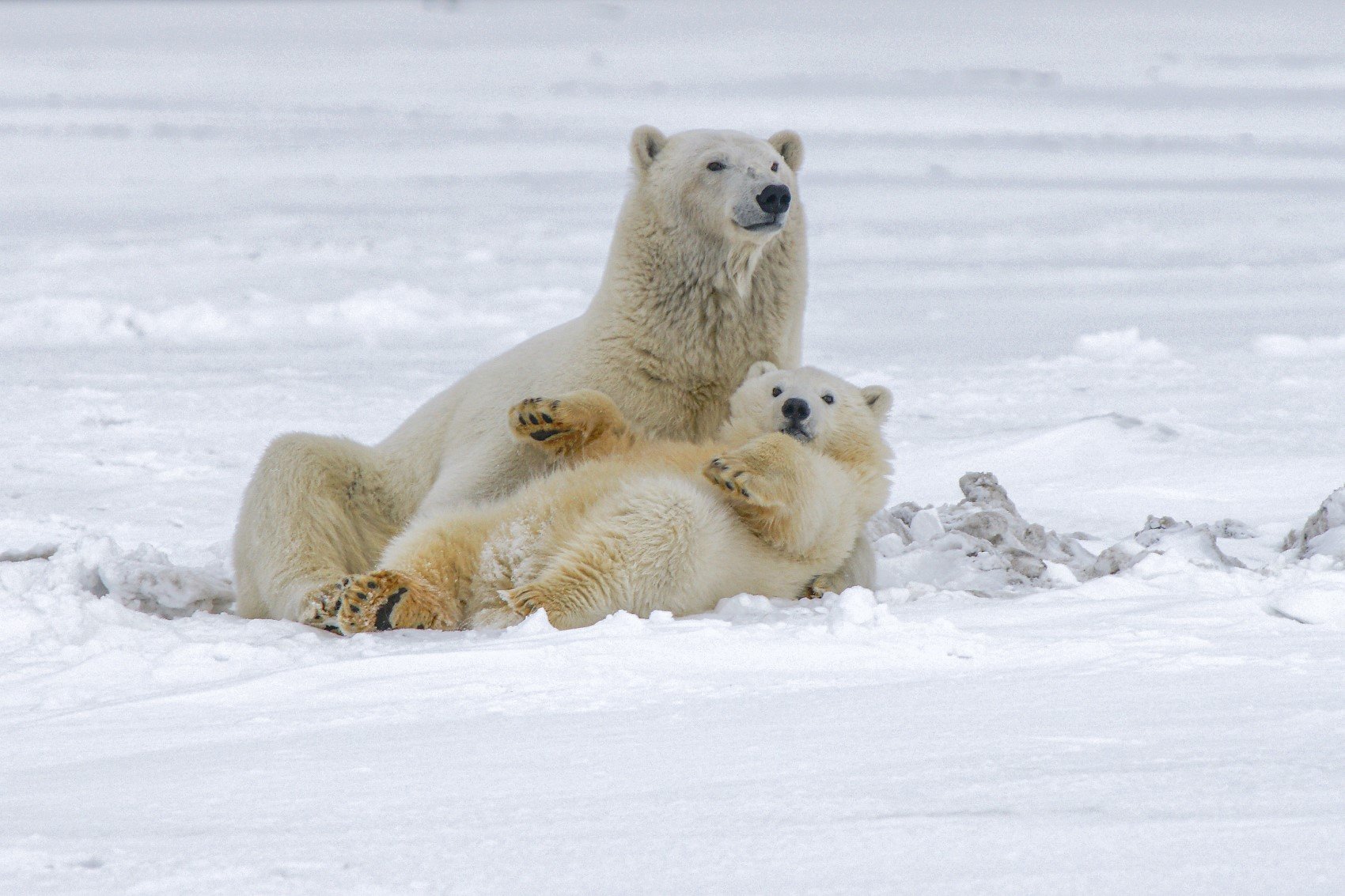
A team of international researchers, including Climate Scientist Alexandra Jahn from the University of Colorado Boulder and Celine Heuze from the University of Gothenburg in Sweden, used more than 300 computer models to predict the first ice-free day.
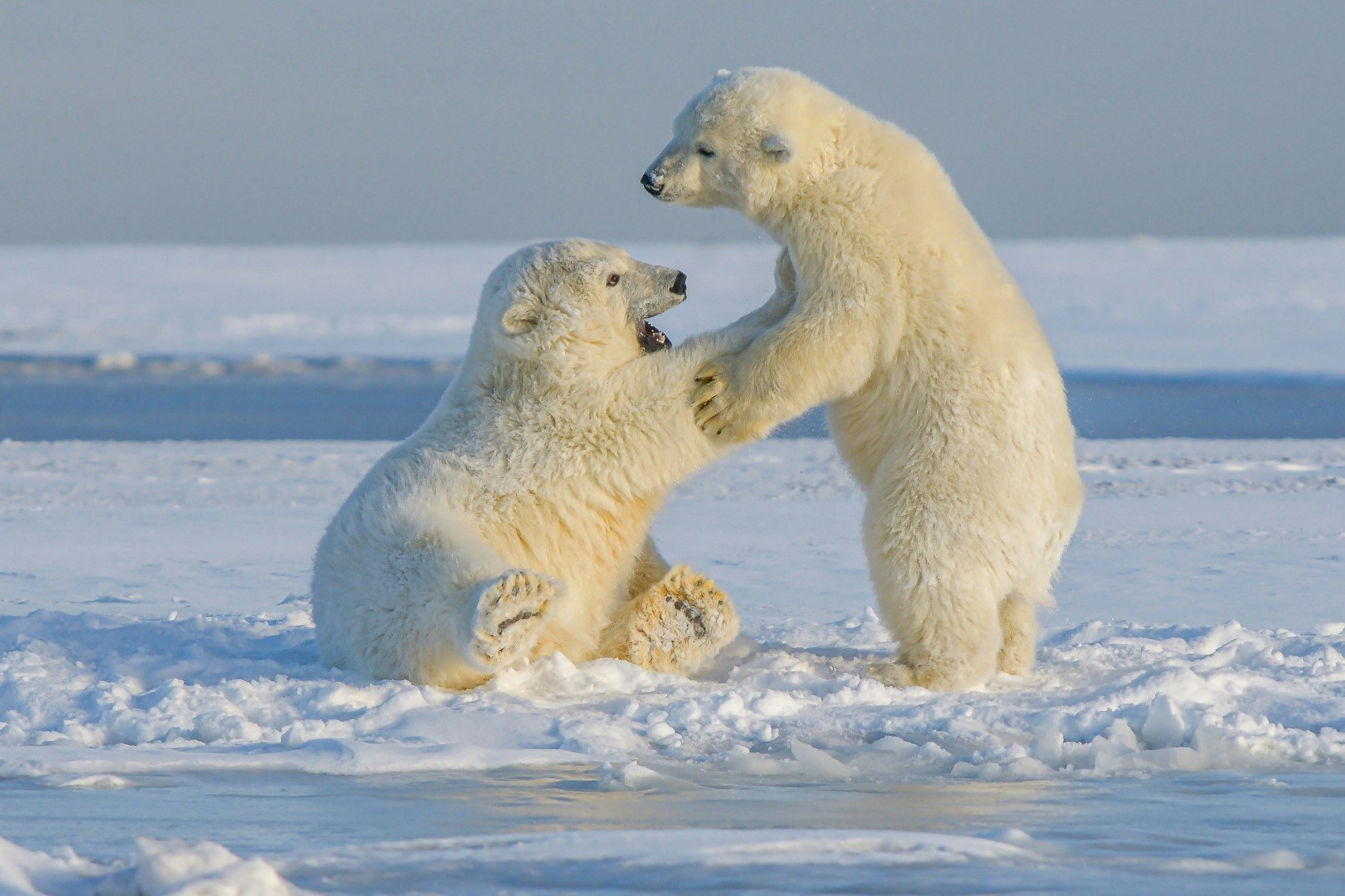
According to the study, if the Arctic Ocean remains regularly ice-free, this could significantly affect the fragile ecosystem of the northernmost sea.
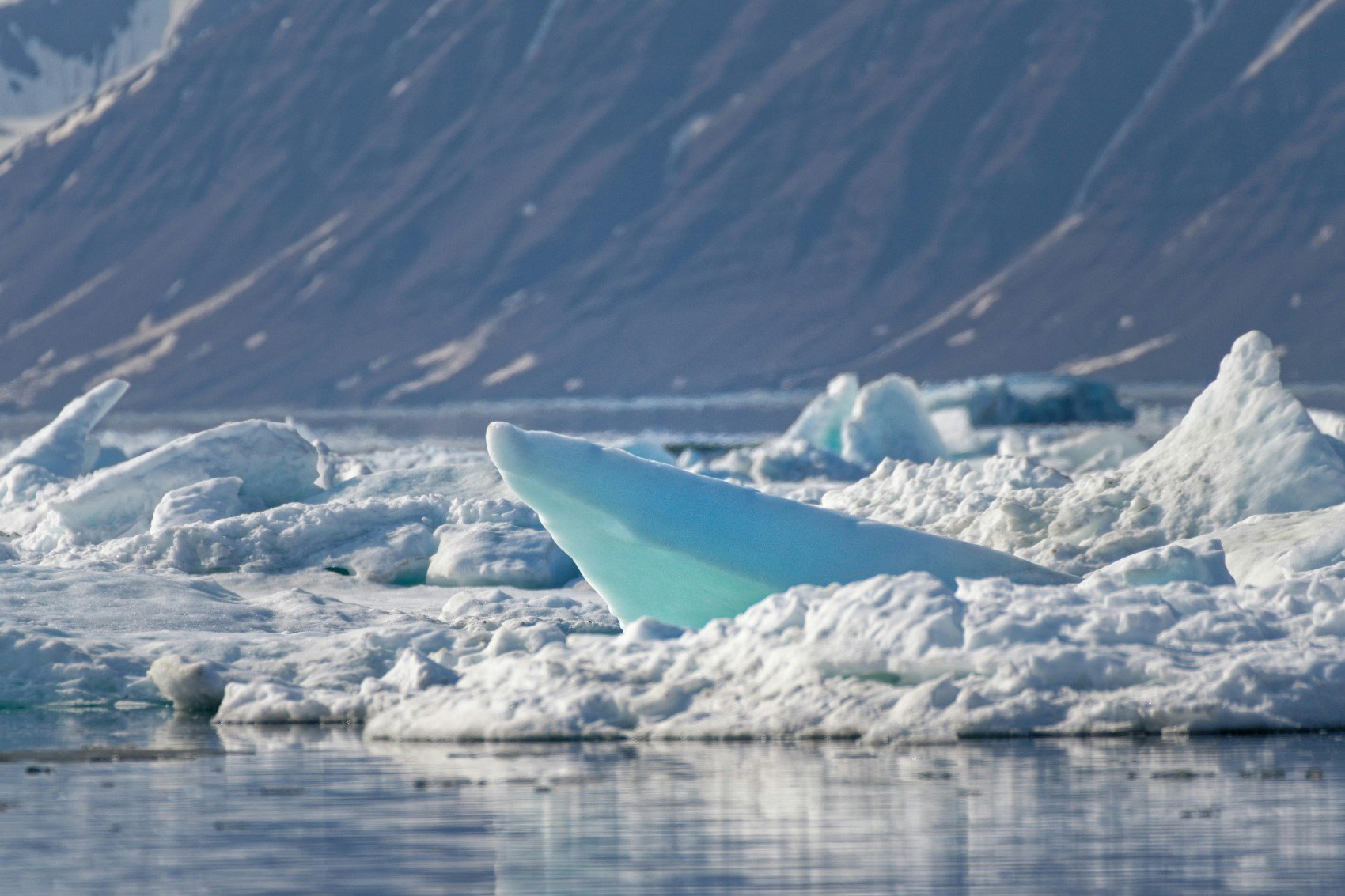
In a statement, Jahn said, "The first ice-free day in the Arctic will not change things dramatically."
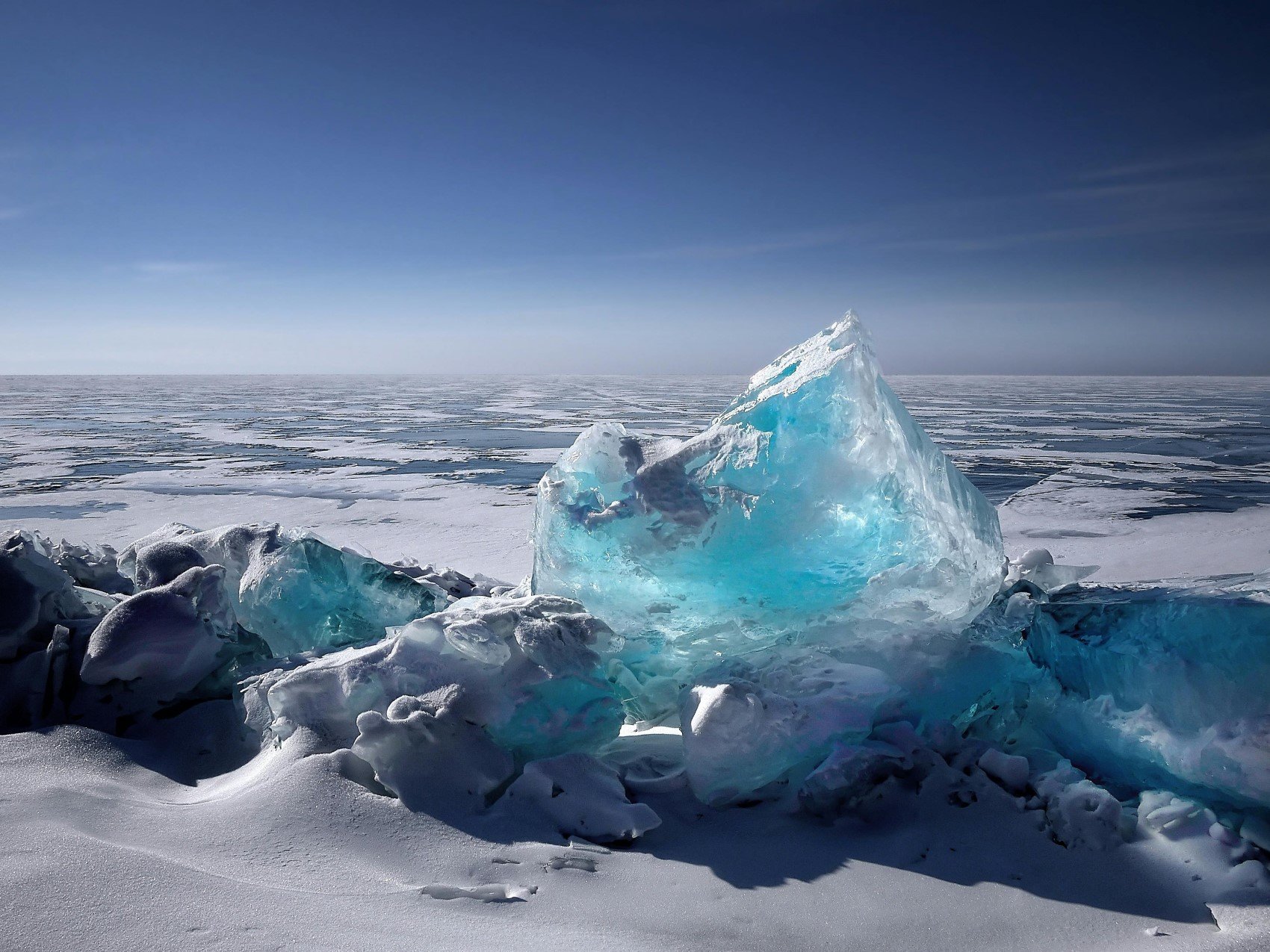
"However, it will show that we have fundamentally changed one of the defining characteristics of the natural environment in the Arctic Ocean, namely that it is covered by sea ice and snow throughout the year, through greenhouse gas emissions."
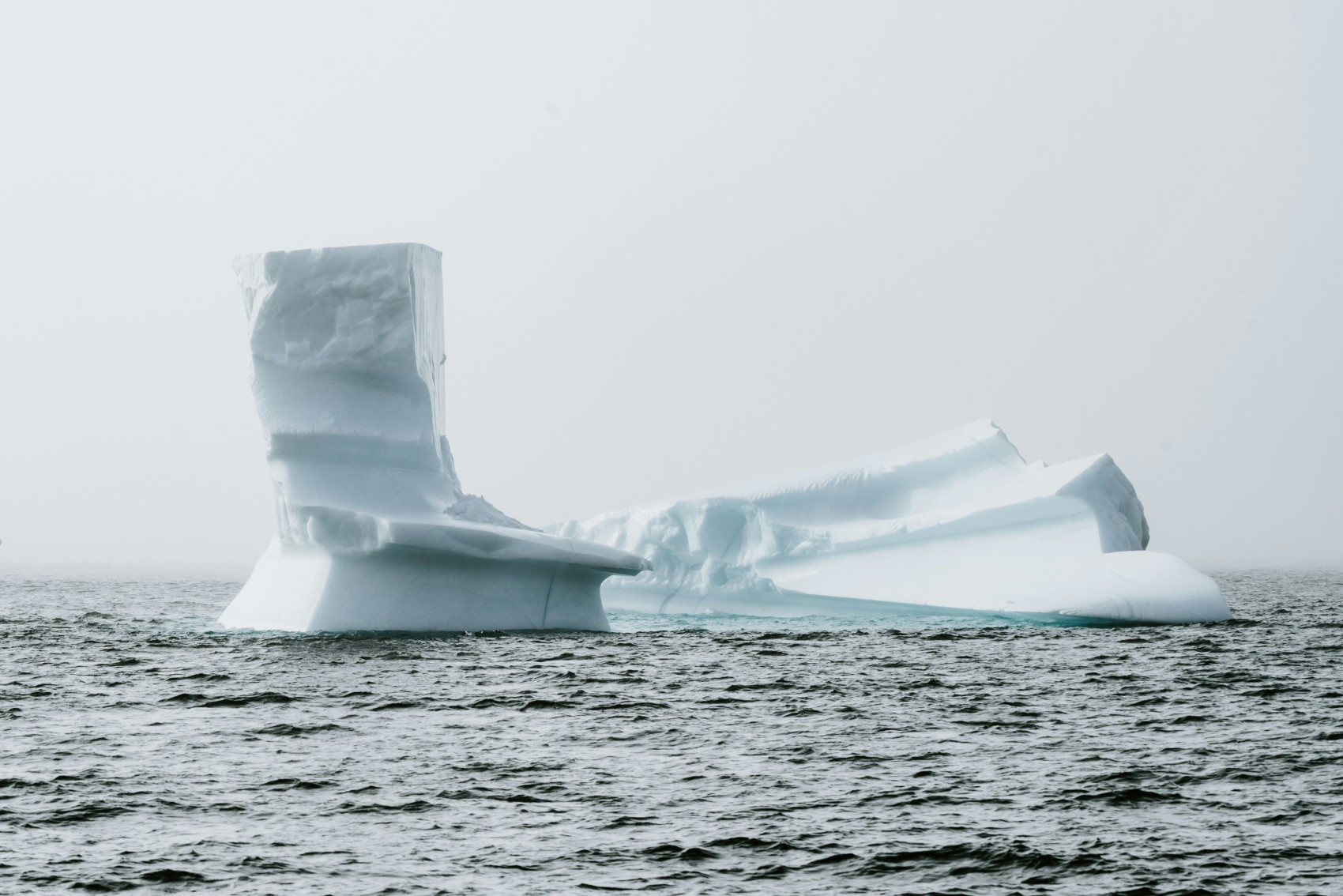
The day the Arctic becomes ice-free holds great symbolic importance. It will visually highlight how humans have changed one of our planet's defining natural features: from a white Arctic Ocean to a blue Arctic Ocean.
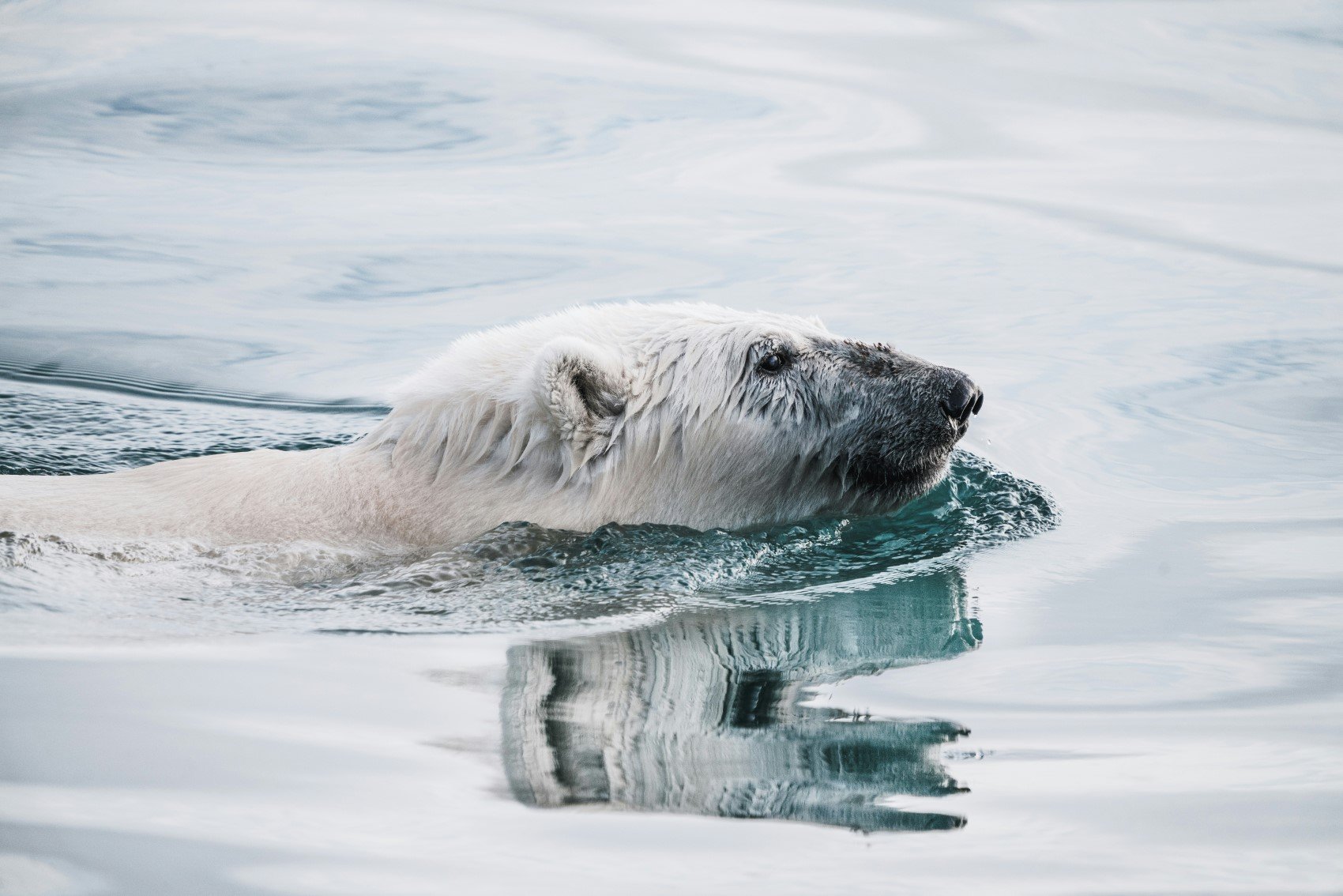
In their statement, the scientists also conveyed that there is still a chance to delay the timeline regarding the melting of sea ice in the near future.