How is a soccer ball produced? Which countries produce the world's leading soccer balls?
A soccer ball is prepared through a multi-stage production process that extends from panel cutting to stitching or thermal bonding, and from inflation testing to quality control.
12punto
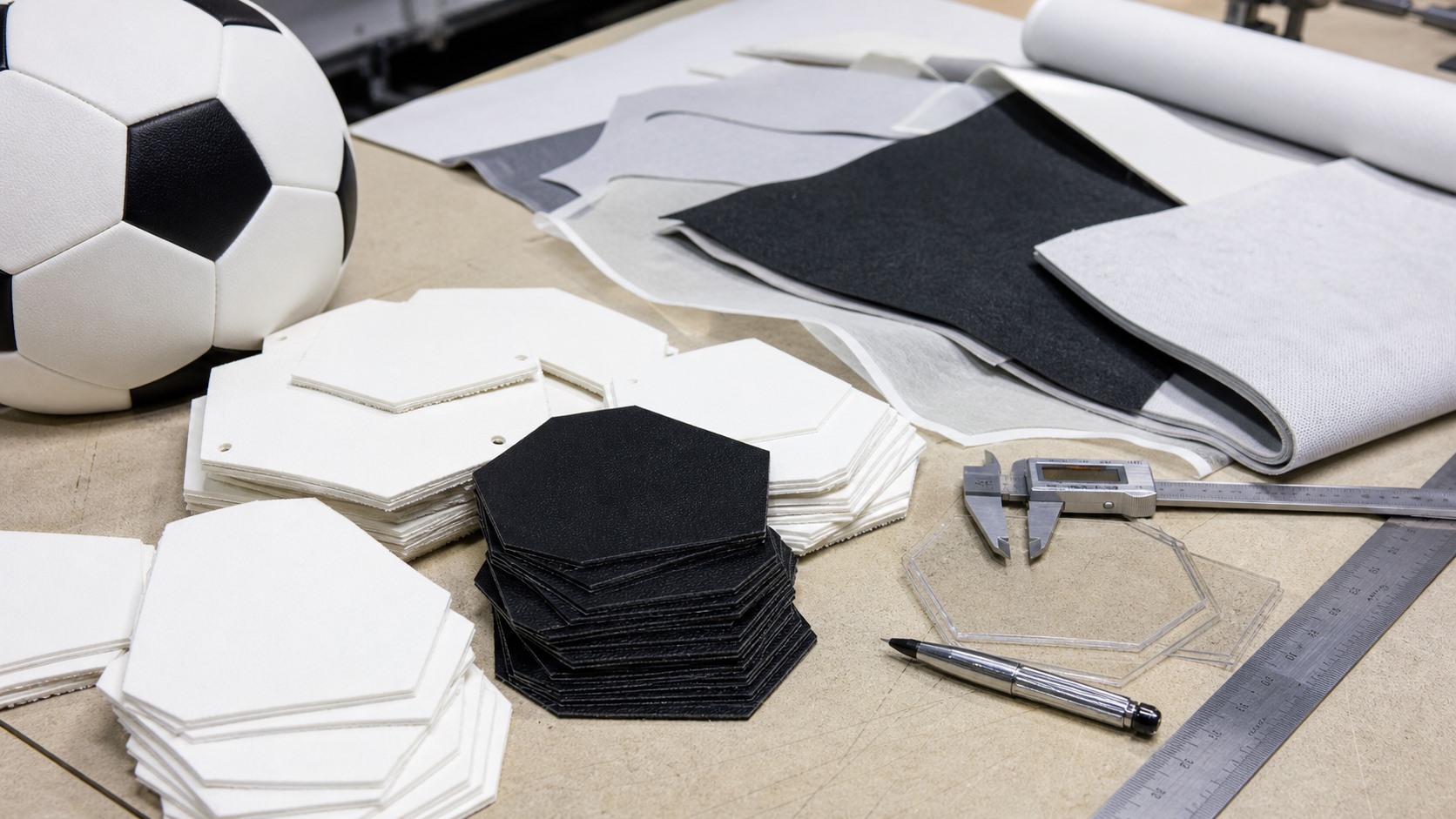
The production process usually begins with the cutting of synthetic leather or polyurethane panels to be used for the outer casing. The number and shape of the panels are among the fundamental elements that affect the ball's aerodynamic structure and its feel on the pitch.
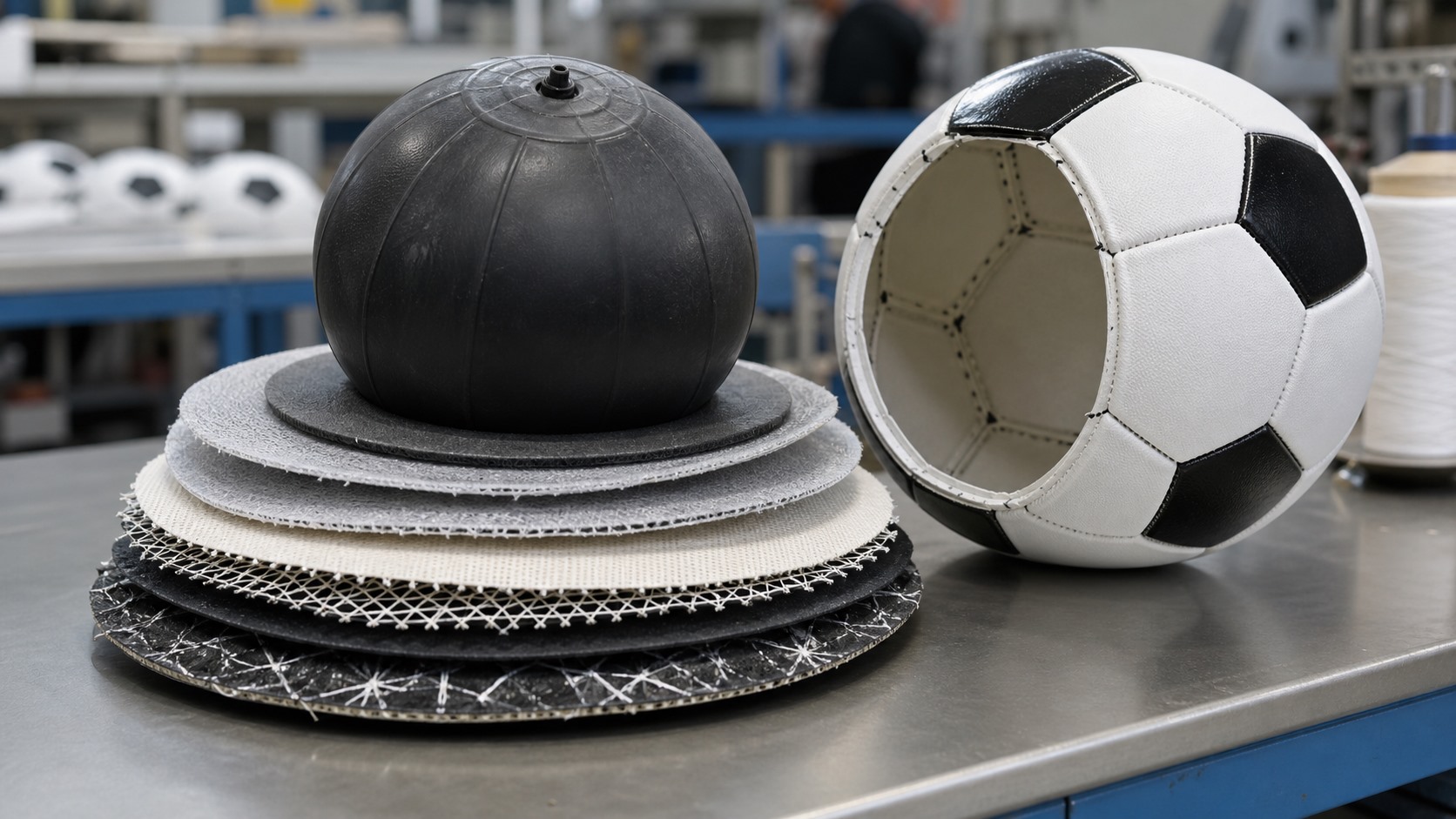
At the center of the football lies the bladder that holds the air. This section, along with the support layers, ensures the ball's roundness, resistance to pressure, and ability to maintain its shape for a long time.
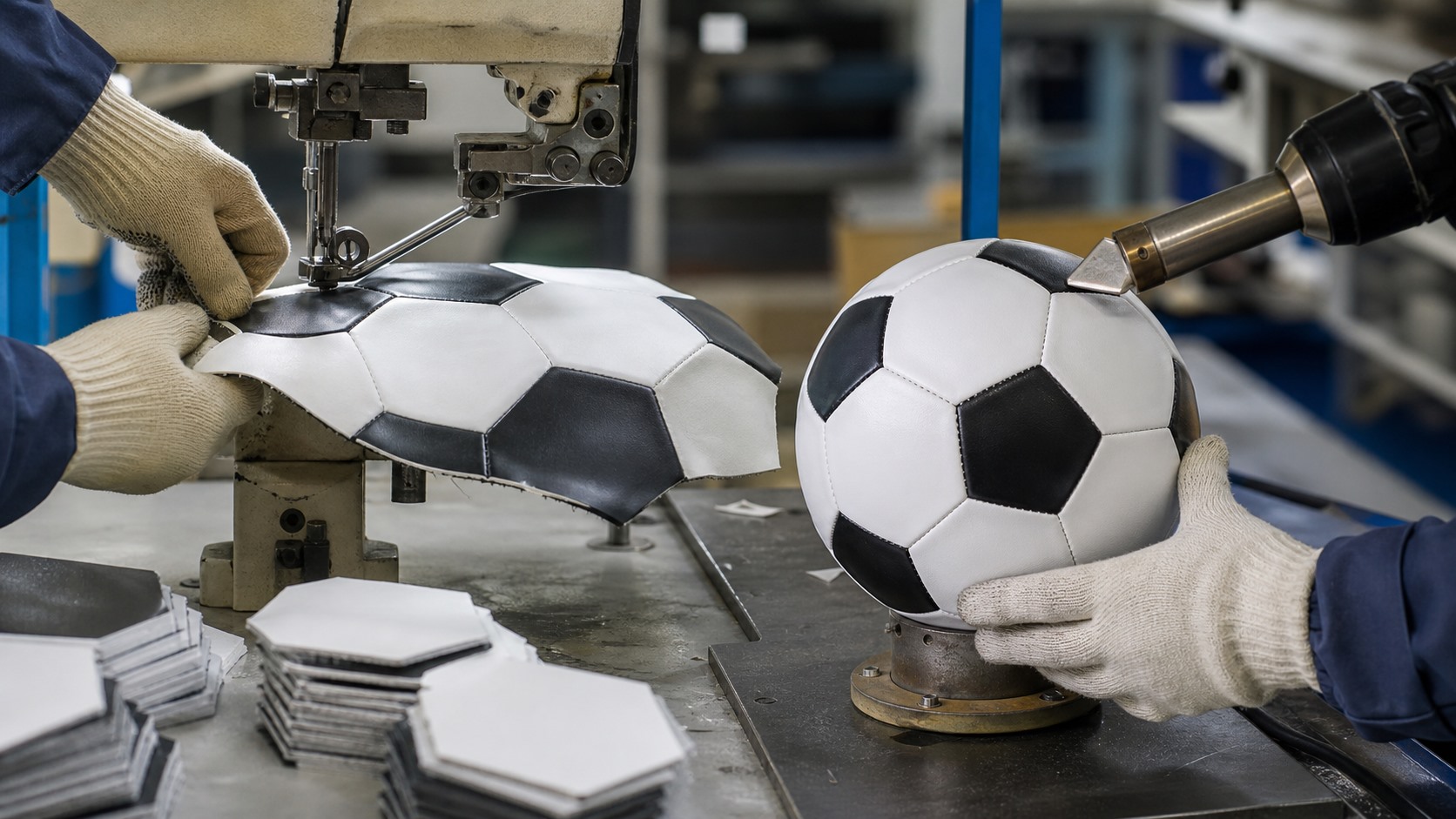
Depending on the type of ball, the panels are joined using hand stitching, machine stitching, or thermal bonding methods. Technologies that reduce the risk of water absorption and provide a smoother surface stand out in professional match balls.
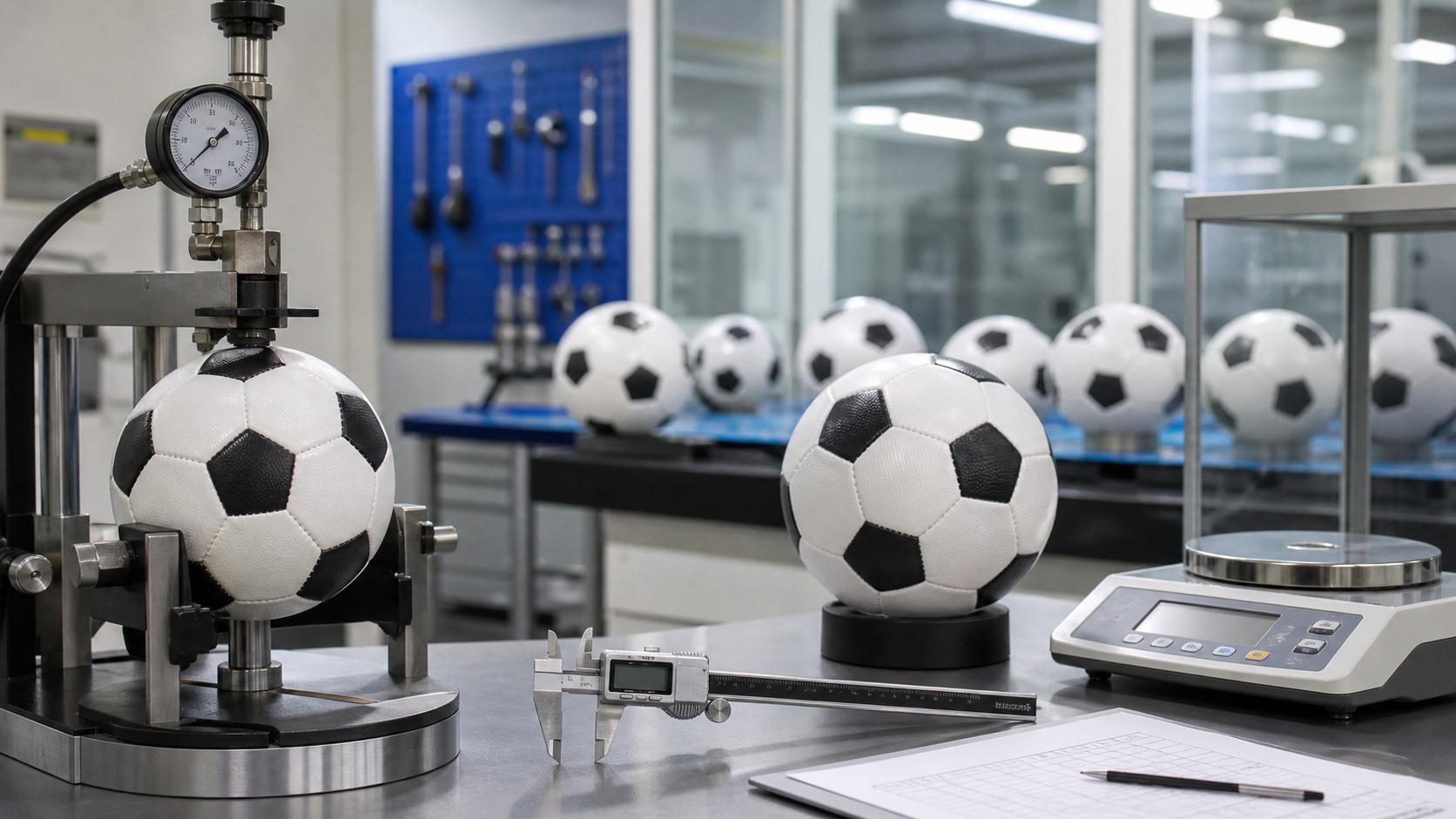
In the final stage, the balls are inflated, their weight and circumference are checked, and their pressure loss and bounce performance are tested. The city of Sialkot in Pakistan historically stands out in global football production; additionally, production centers in China and Southeast Asia also hold a significant place in the global market.