Germany heads to the polls today: Here is what you need to know
General elections will be held in Germany today (February 23) to determine the 21st Federal Parliament. 59.2 million voters will head to the polls to elect 630 members of parliament.
12punto
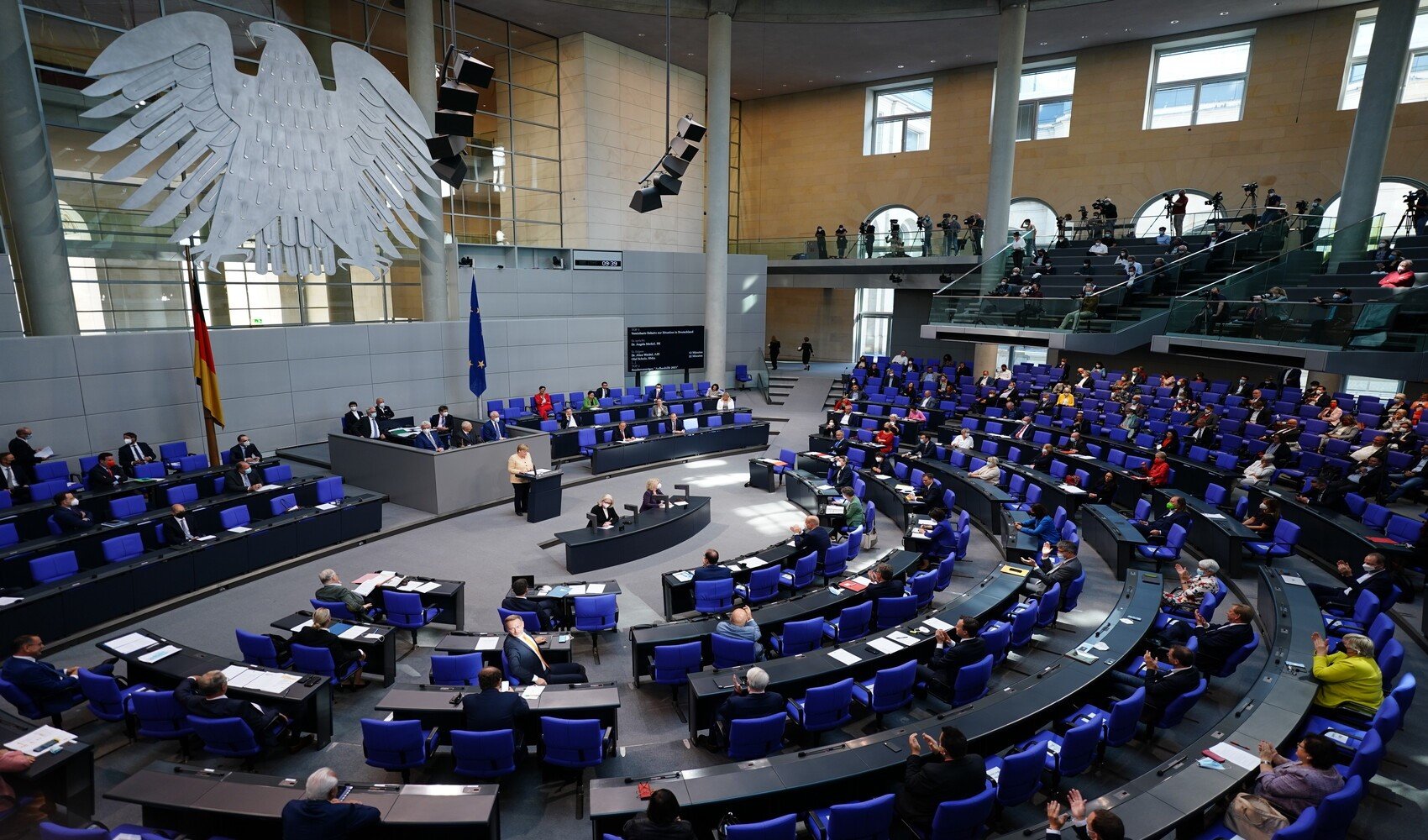
Germany is heading to early general elections following the collapse of the coalition government between the SPD and the Greens. A total of 59.2 million voters, 30.6 million of whom are women, will cast their ballots in 299 electoral districts to elect 630 members of the 21st Federal Parliament.
In the elections, 2.3 million young people will vote for the first time. 7.1 million voters of foreign origin, approximately 1 million of whom are of Turkish descent, will also reflect their political preferences at the ballot box.
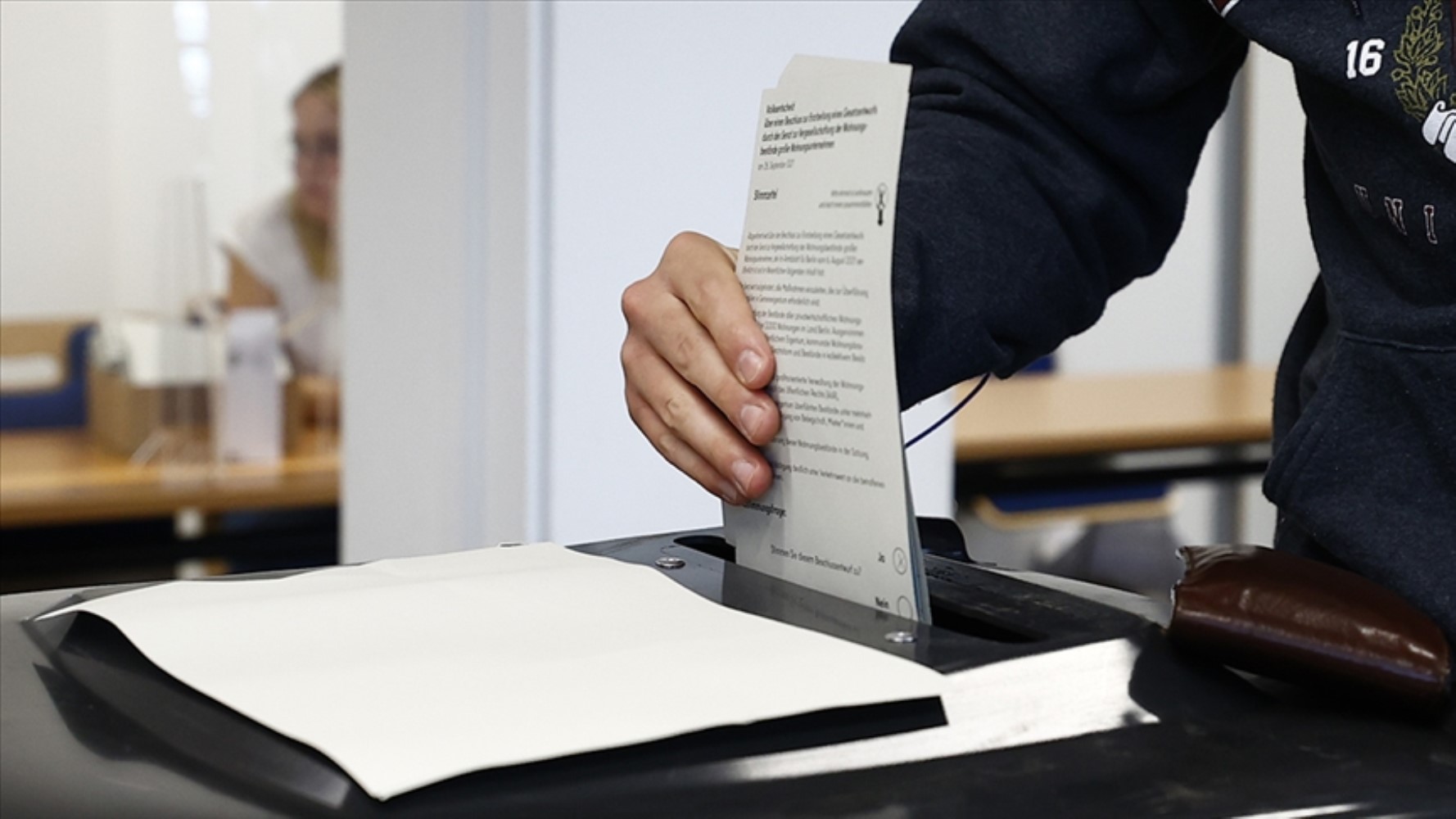
In the elections, where a total of 29 parties will participate, 4,506 candidates, 1,422 of whom are women, will compete to become members of parliament. There are 53 Turkish candidates in parties with a chance of entering parliament in the elections, where people of Turkish descent are also running as parliamentary candidates from different parties.
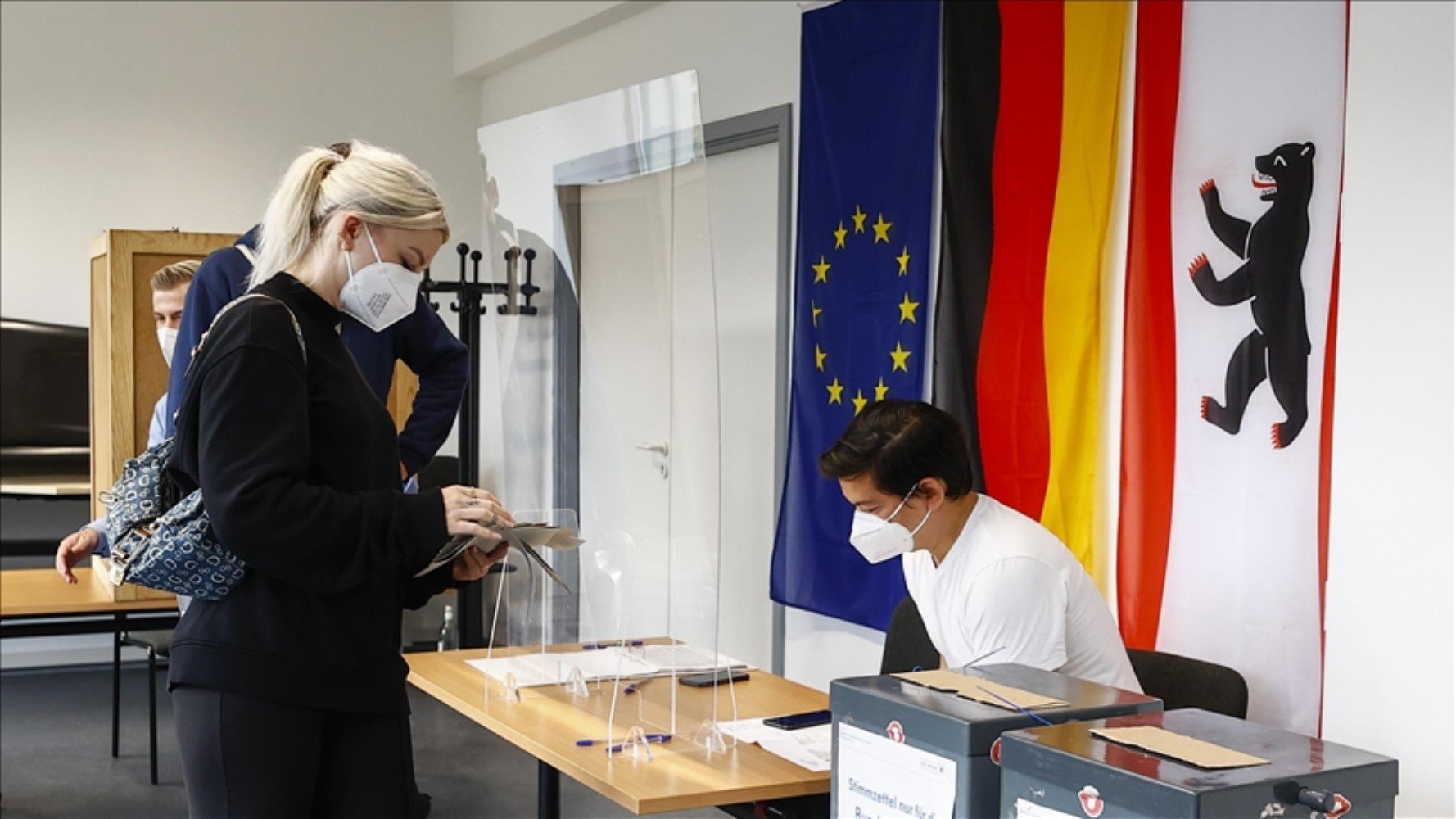
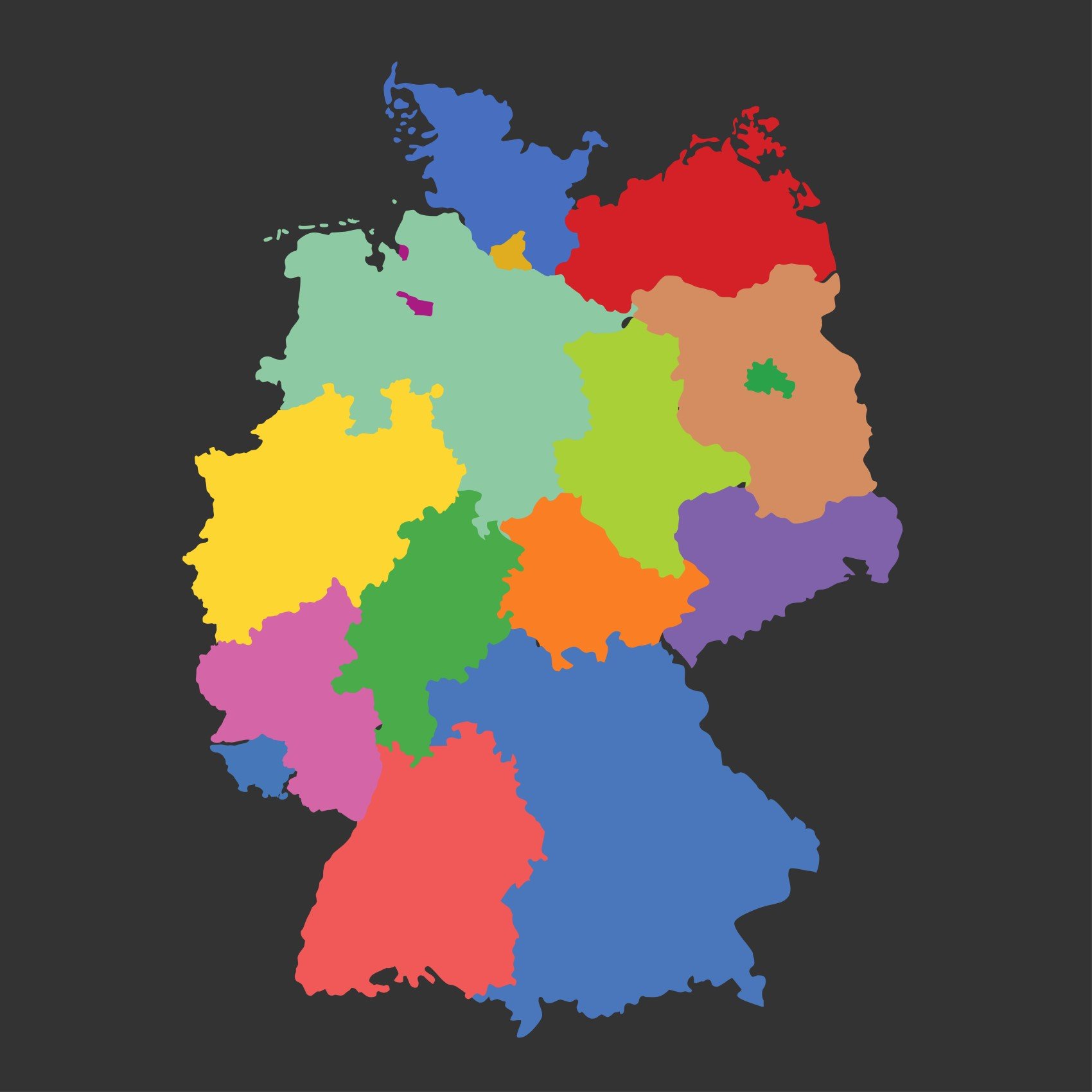
675 thousand people will serve at the polls in 16 states during the elections. Voters will be able to cast their ballots from 08:00 to 18:00 local time.
With the renewed Election Law in Germany, the number of members of parliament has been limited to 630 to prevent the Federal Parliament from growing even larger. Voters will cast 2 separate votes on a single ballot.
The first vote will determine the candidate in the electoral district, while the second vote will be used to select candidates on the list determined by the parties. The second votes will determine how many seats the parties will win in parliament.
Parties that pass the 5 percent threshold in the elections will be able to enter parliament. However, parties that cannot pass this threshold may have a chance to be represented in parliament if they win members of parliament directly from 3 districts.
5 candidates will compete for the chancellery in the elections. Current Chancellor Olaf Scholz has been nominated again by the Social Democratic Party (SPD). Scholz had been leading the 'traffic light coalition' formed with the SPD, the Greens, and the Free Democratic Party (FDP) for 3.5 years.
The main opposition Christian Union (CDU/CSU) parties have designated CDU Chairman Friedrich Merz as their chancellor candidate.
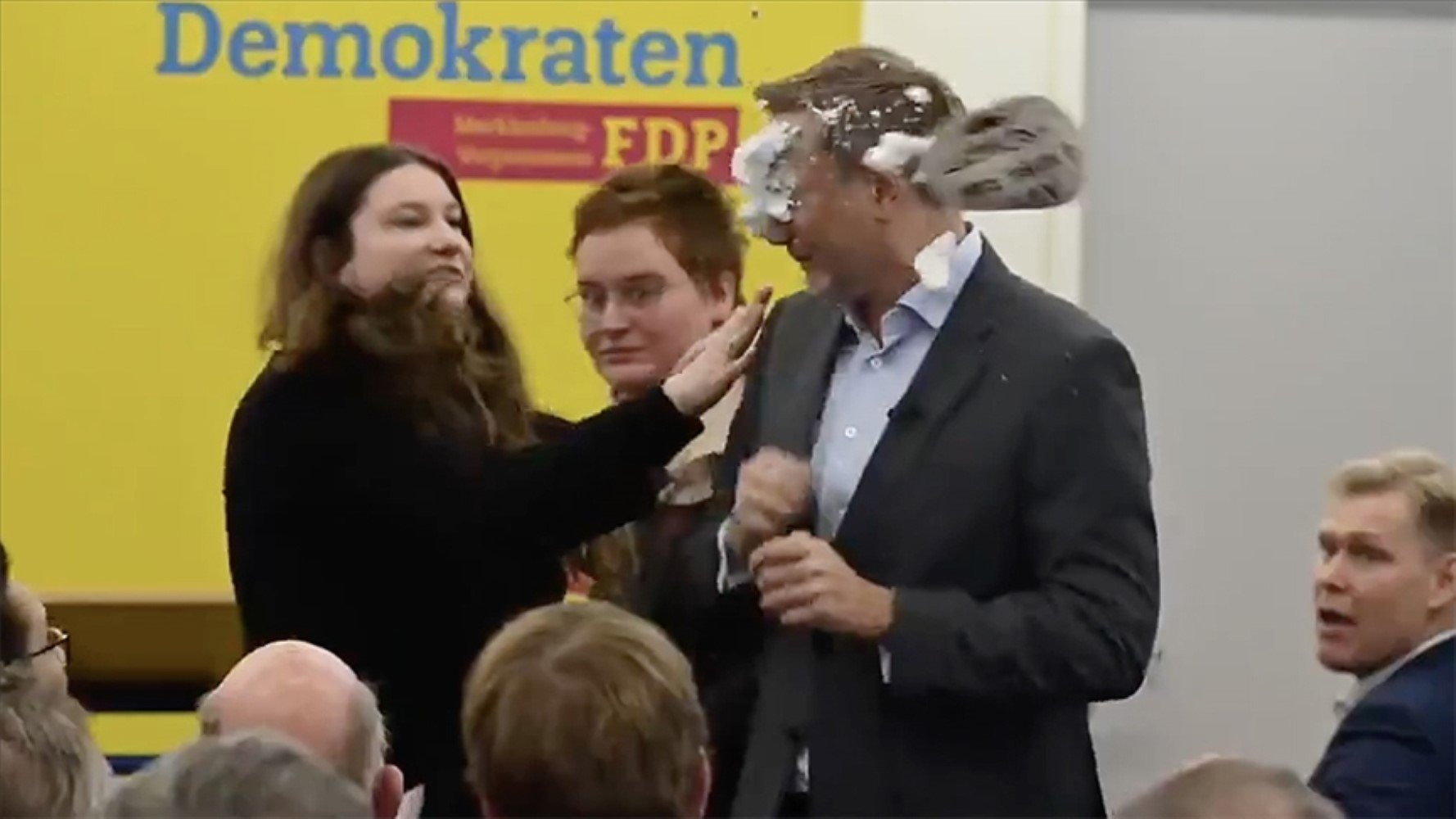
(Protest against FDP candidate Christian Lindner)
The far-right Alternative for Germany (AfD) party has nominated its co-chair Alice Weidel as its candidate for chancellor. Weidel has gone down in history as her party's first chancellor candidate.
The Green Party has designated Minister for Economic Affairs and Climate Action Robert Habeck as its candidate.
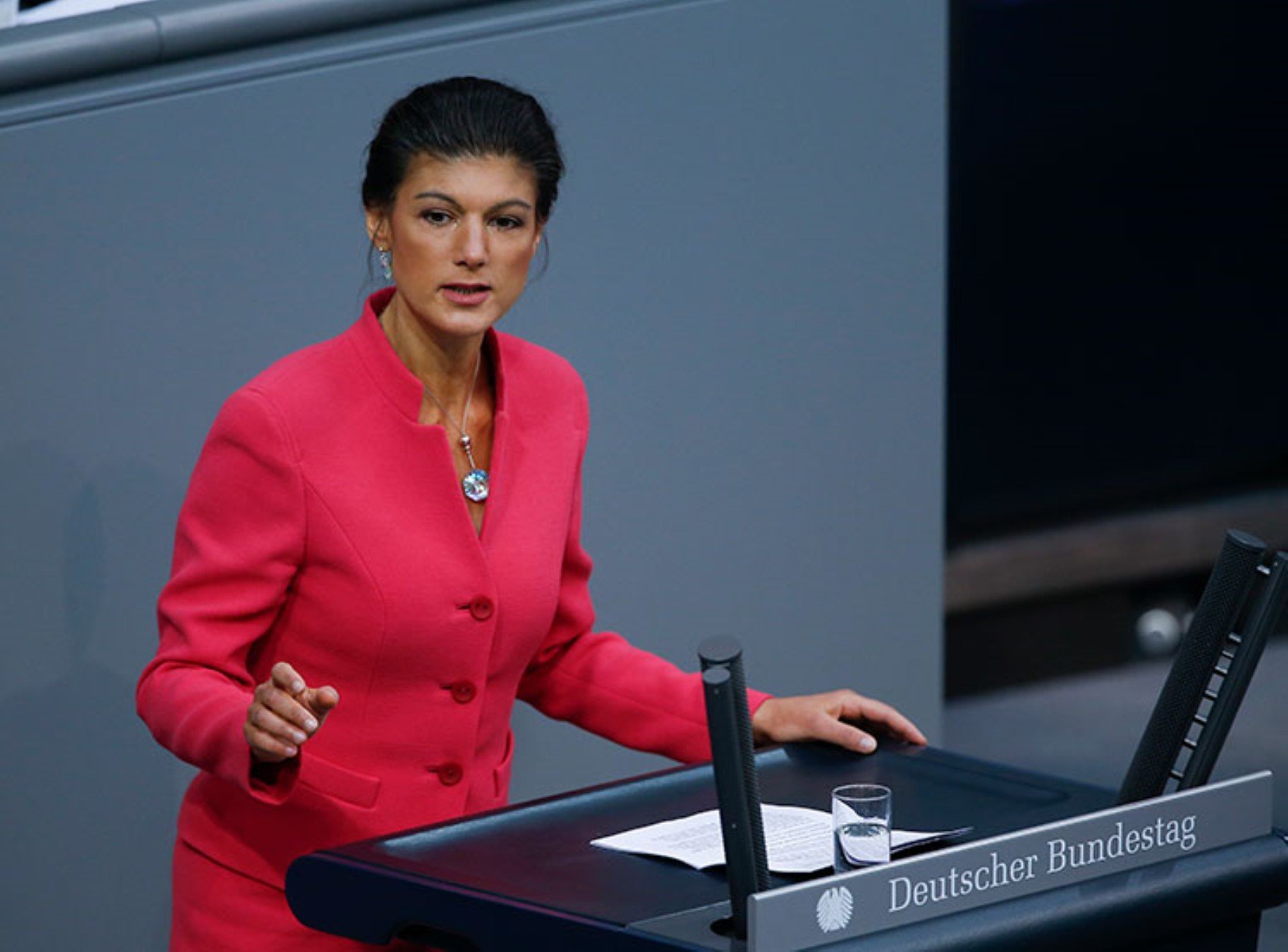
Sahra Wagenknecht, who left the Left Party to form the Sahra Wagenknecht Alliance (BSW), is also among the chancellor candidates. However, the chances of Wagenknecht's party entering parliament are seen as low.
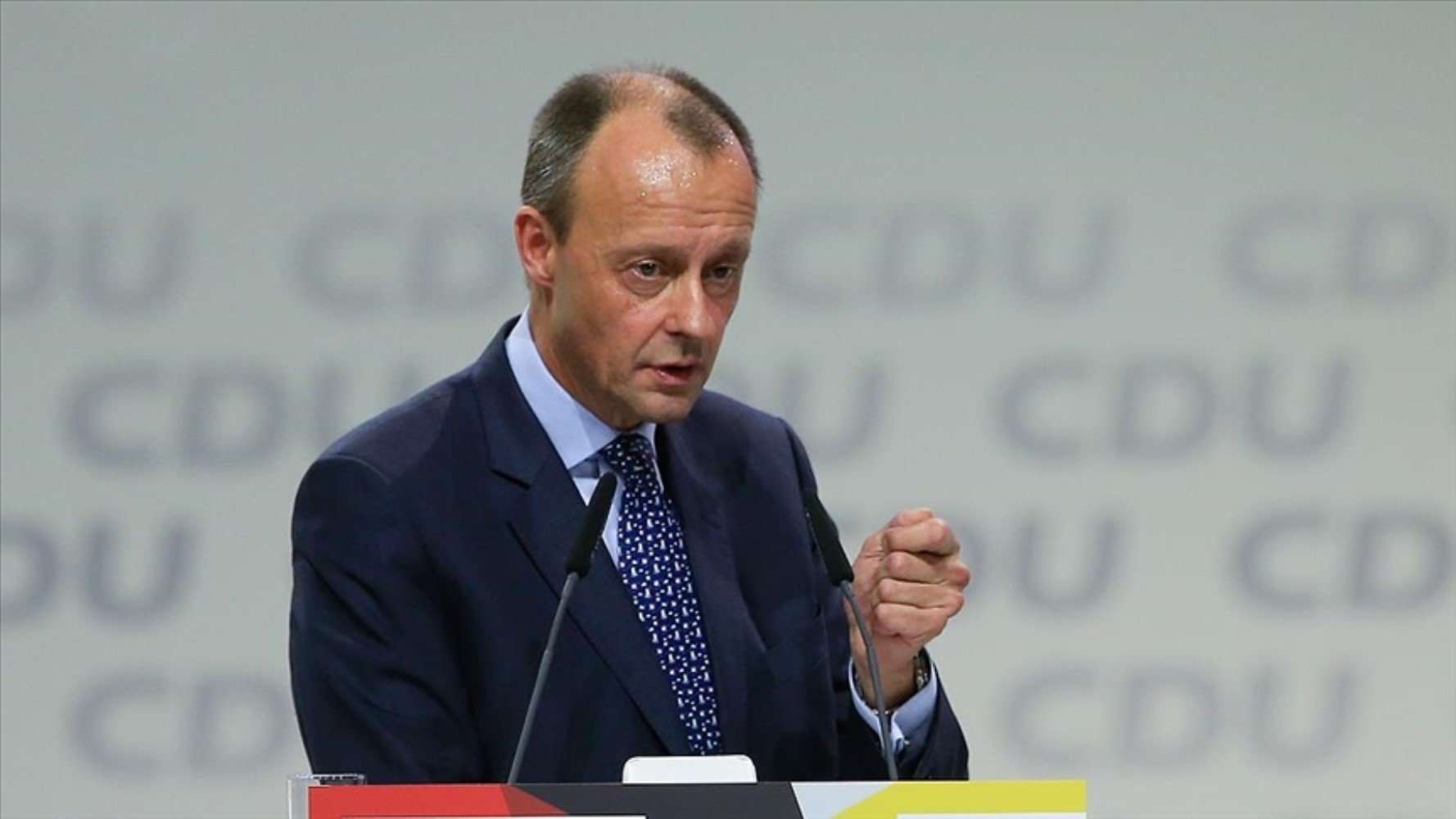
(CDU/CSU candidate Friedrich Merz)
According to the latest poll by the German second television channel ZDF, the CDU/CSU is in first place with 28 percent of the vote. The far-right AfD is in second place with 21 percent of the vote.
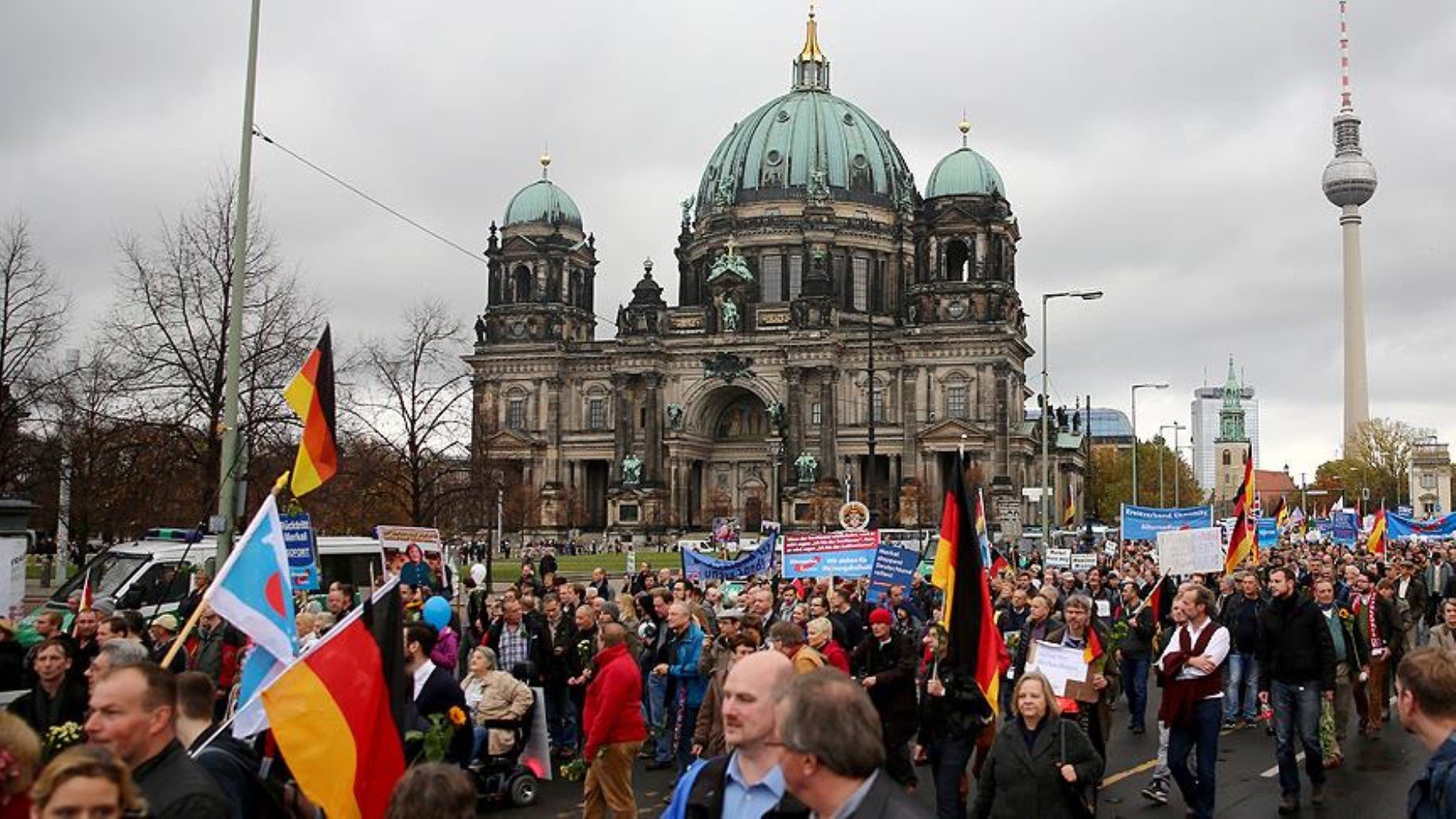
The SPD has 16 percent, the Greens 14 percent, and the Left Party 8 percent of the vote. It is a matter of curiosity whether the FDP and BSW, with 4.5 percent of the vote each, will be able to pass the election threshold.
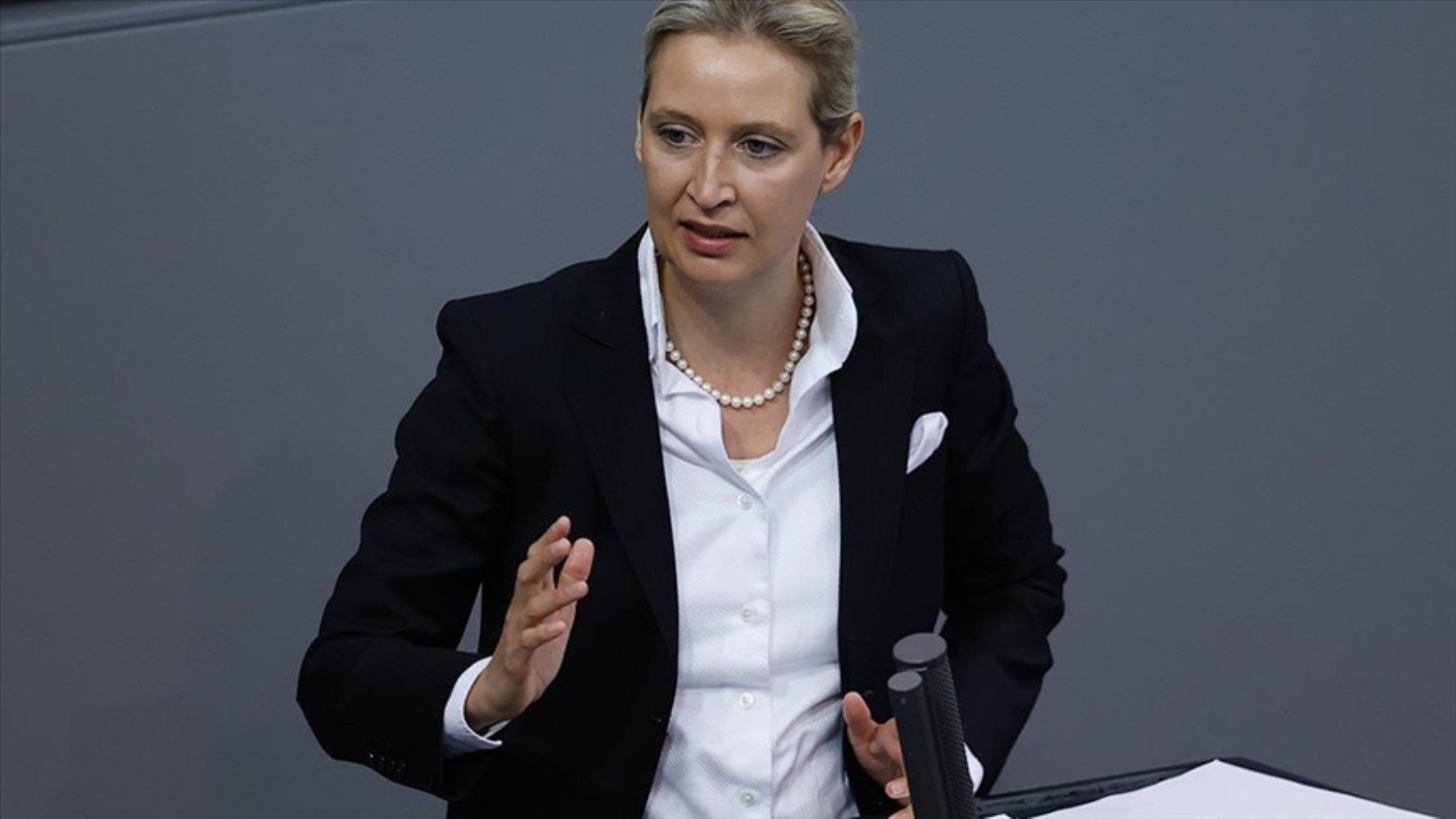
(AfD candidate Alice Weidel)
It is predicted that no party will be able to form a government alone after the election. This situation could lead Germany into difficult coalition negotiations once again.
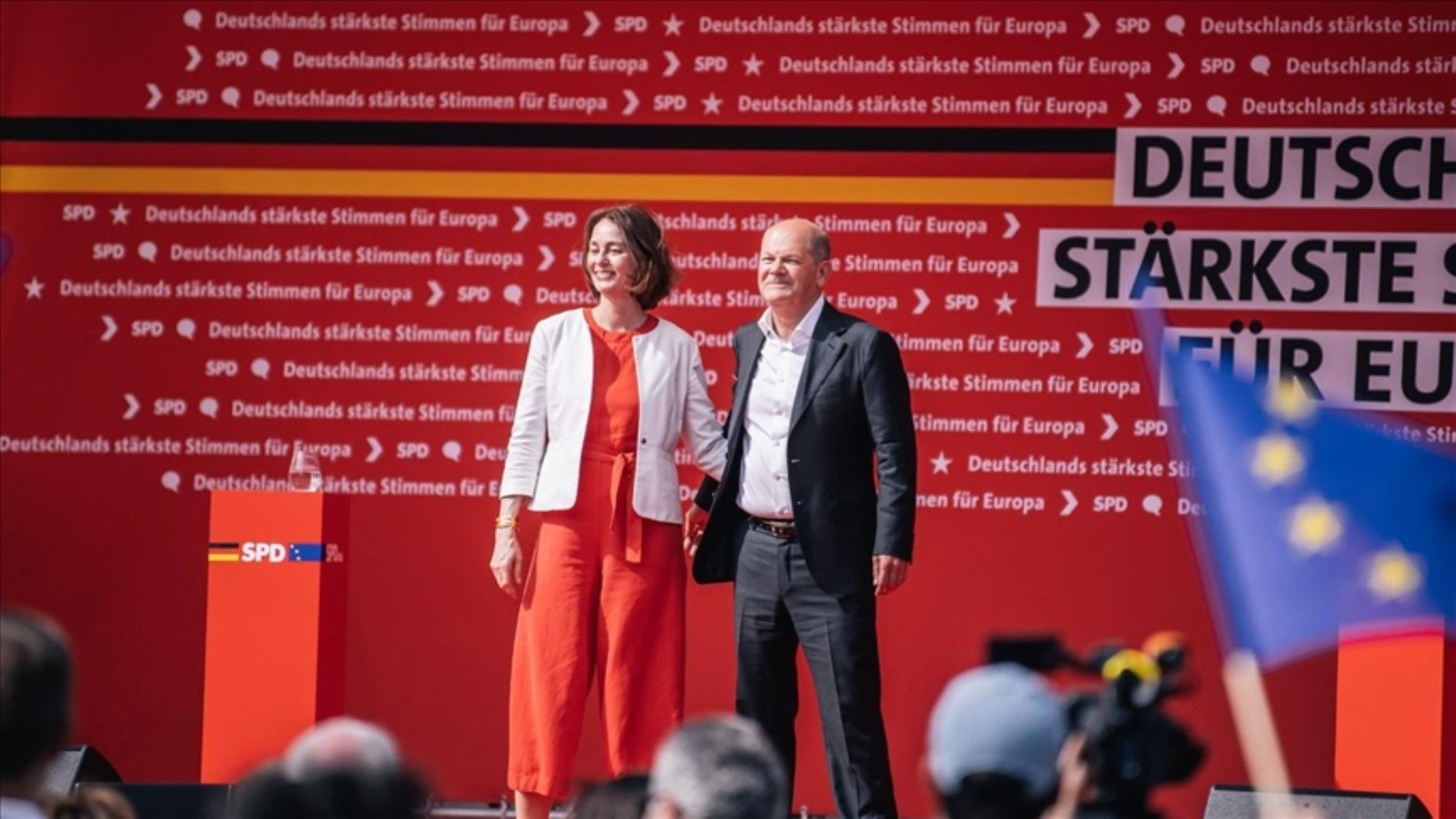
In the 2021 elections, the SPD, CDU/CSU, Greens, FDP, AfD, and the Left Party had entered parliament.
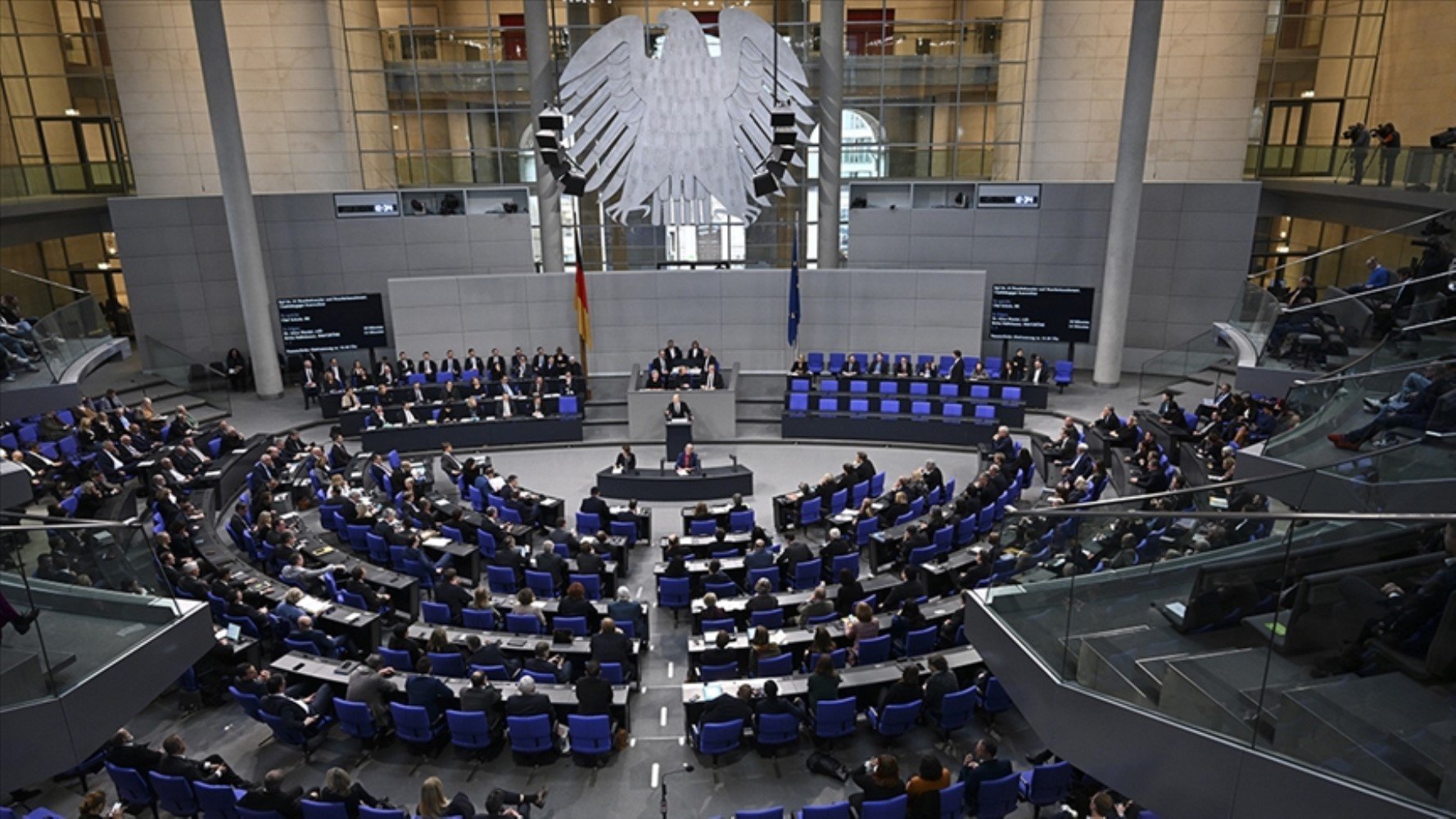
However, the current 'traffic light coalition' had collapsed due to budget disagreements. President Frank-Walter Steinmeier accelerated the process by deciding on early elections.
As a result of the elections to be held today, Germany's new federal parliament members will be determined. If no party wins more than 50 percent of the seats in parliament after the elections, the new government will be formed through a coalition.