HTS leader announces they planned the offensive against Assad a year ago
The leader of Hayat Tahrir al-Sham (HTS) stated that preparations for the offensive launched against Assad began a year ago, adding that they established a special unmanned aerial vehicle (UAV) unit as part of the operation and coordinated with groups across Syria.
12punto
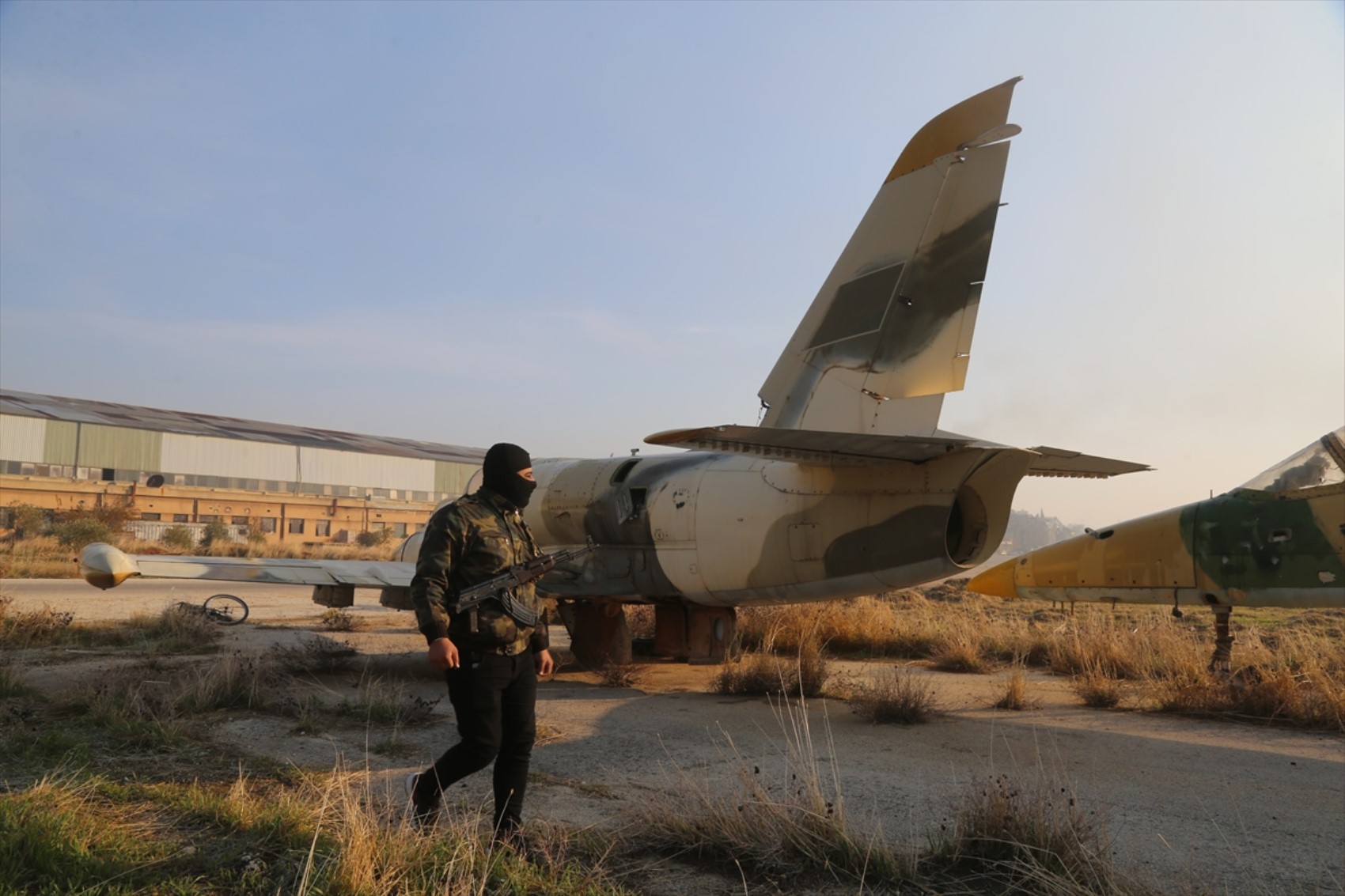
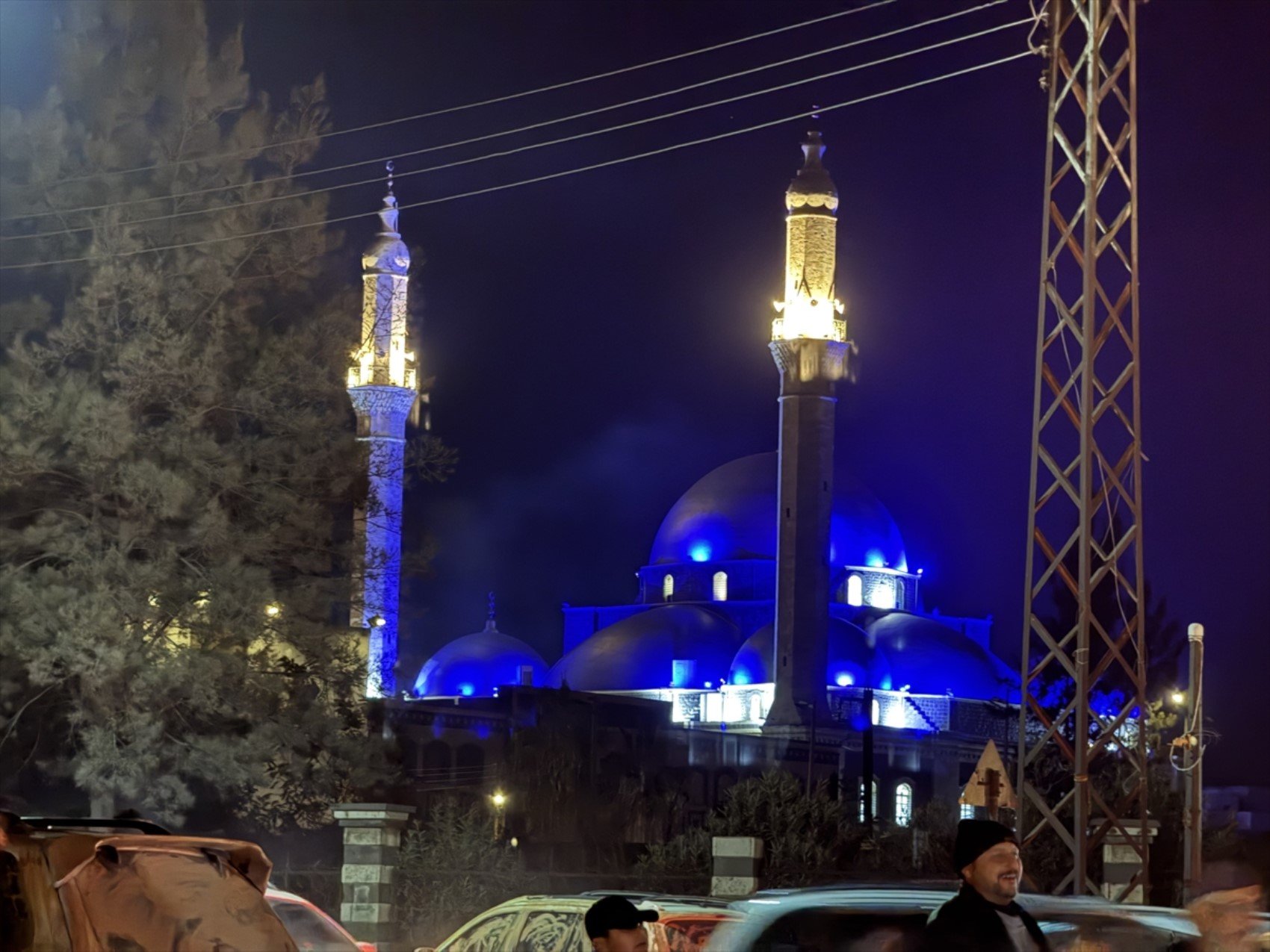
In Syria, jihadist groups led by Hayat Tahrir al-Sham (HTS) launched an attack against the Syrian army of then-President Bashar al-Assad on November 27.
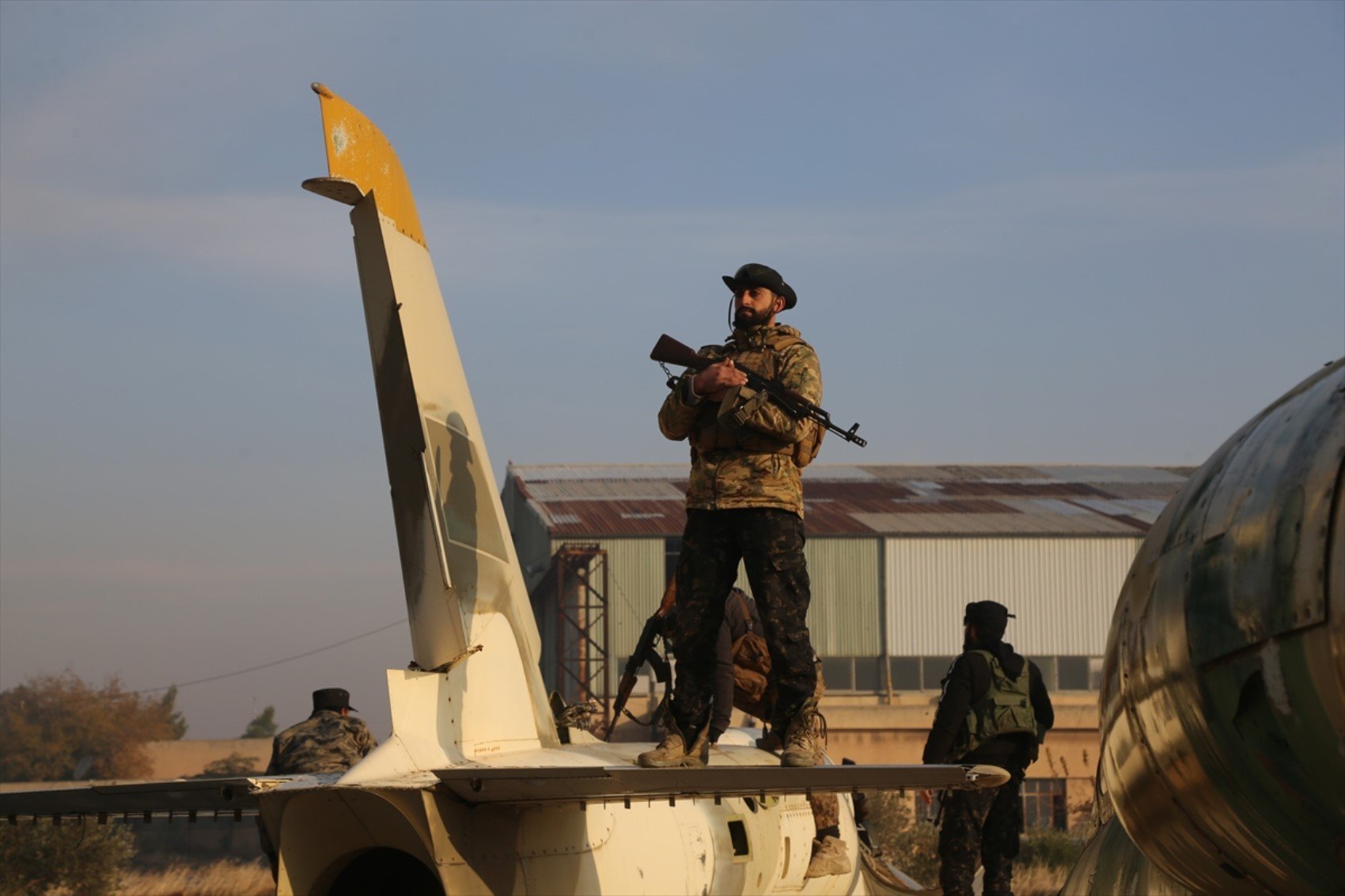
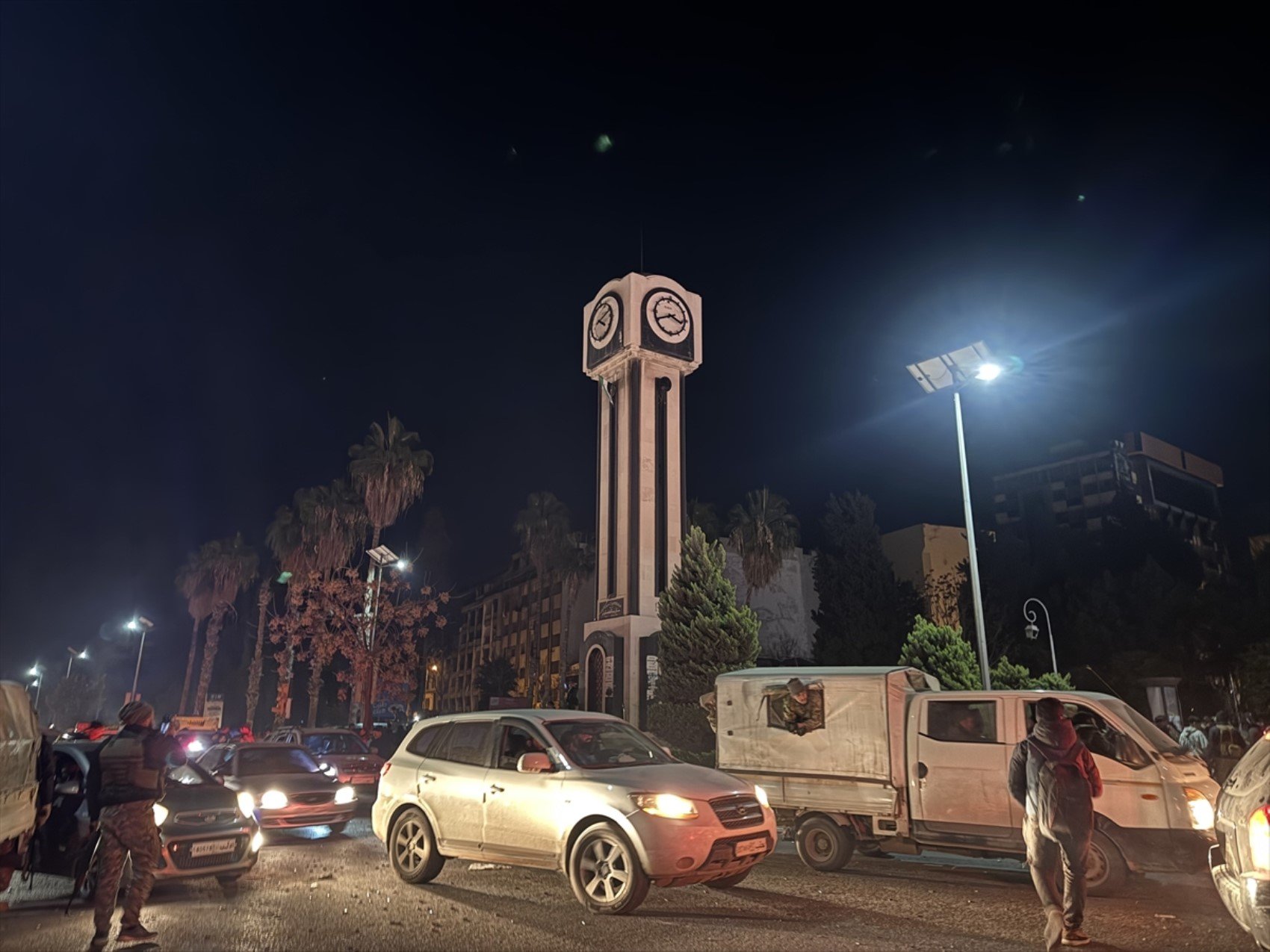
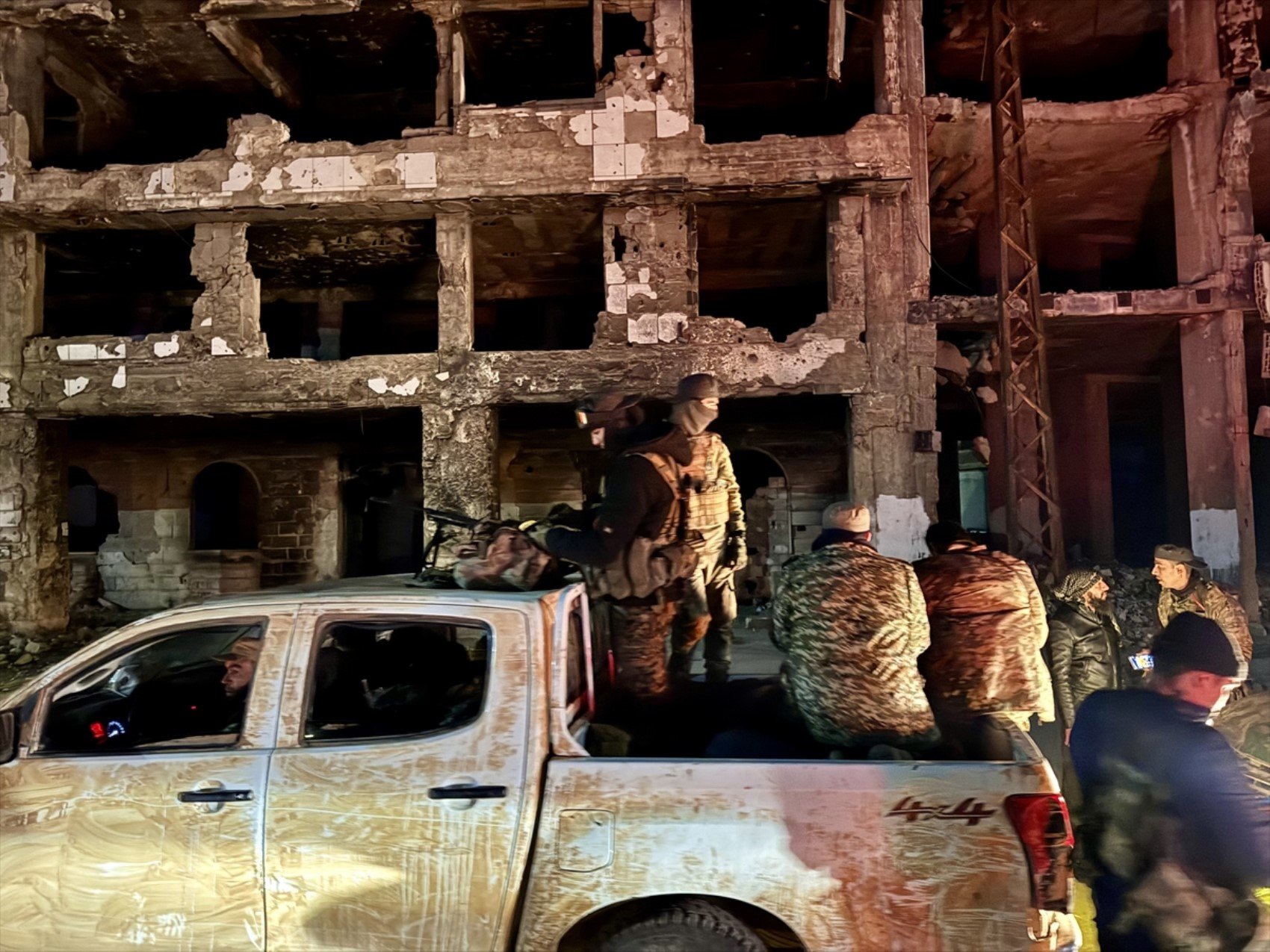
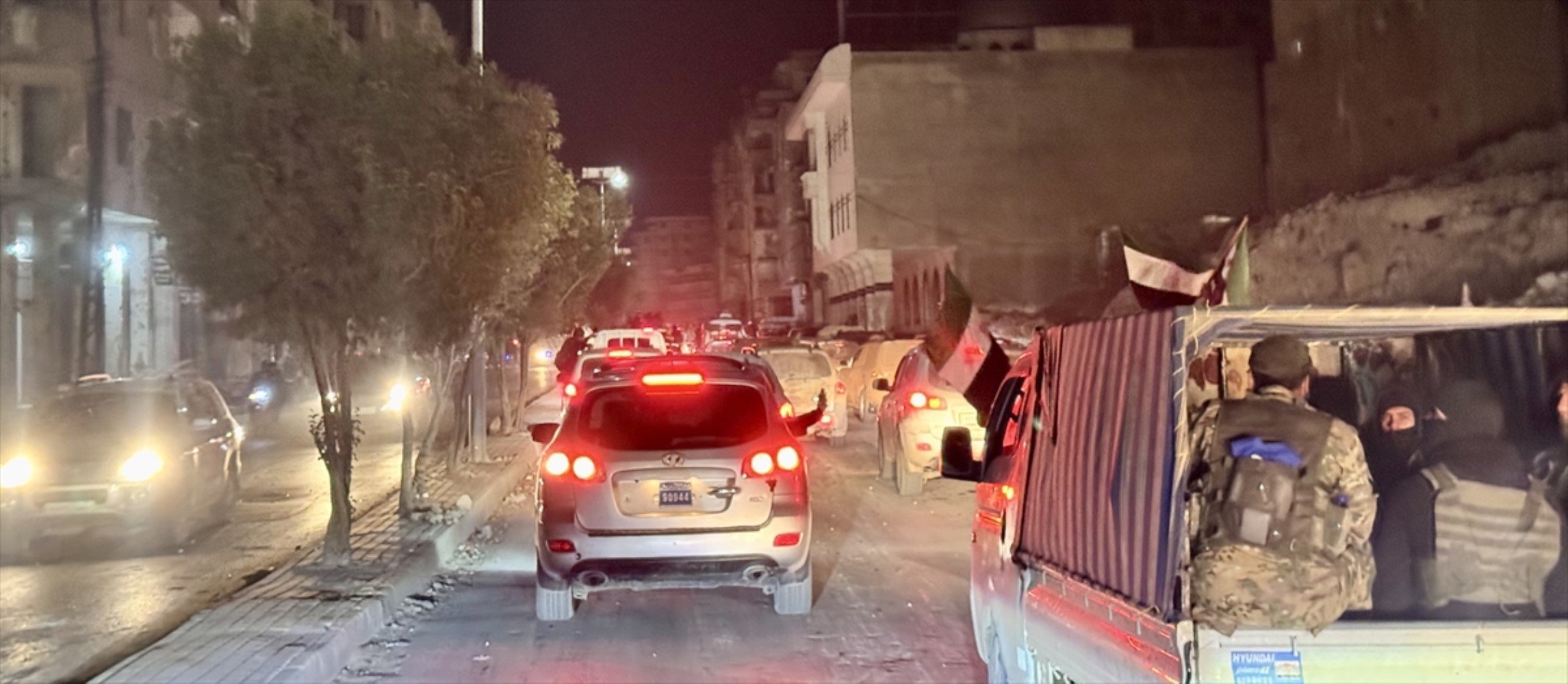
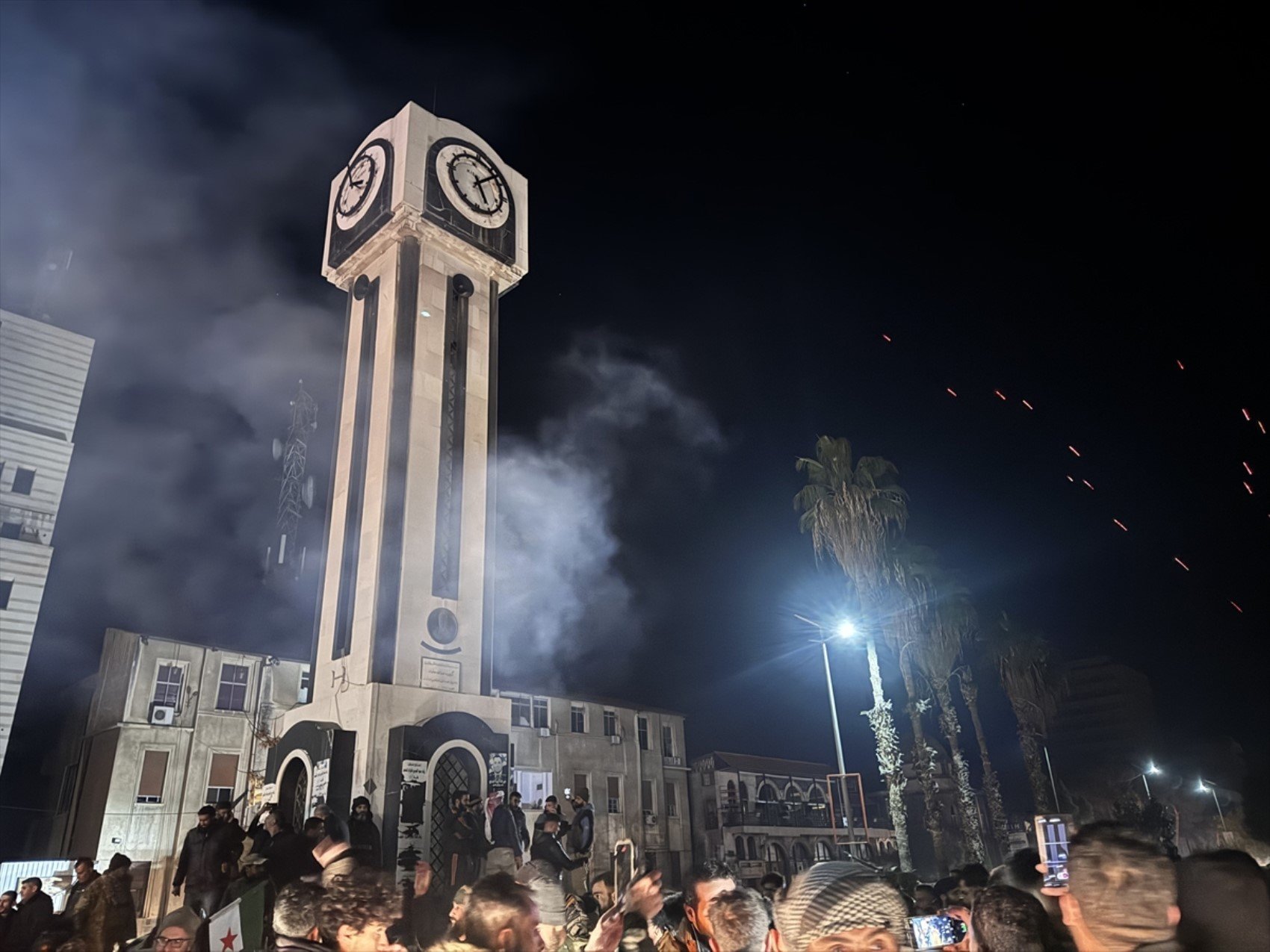
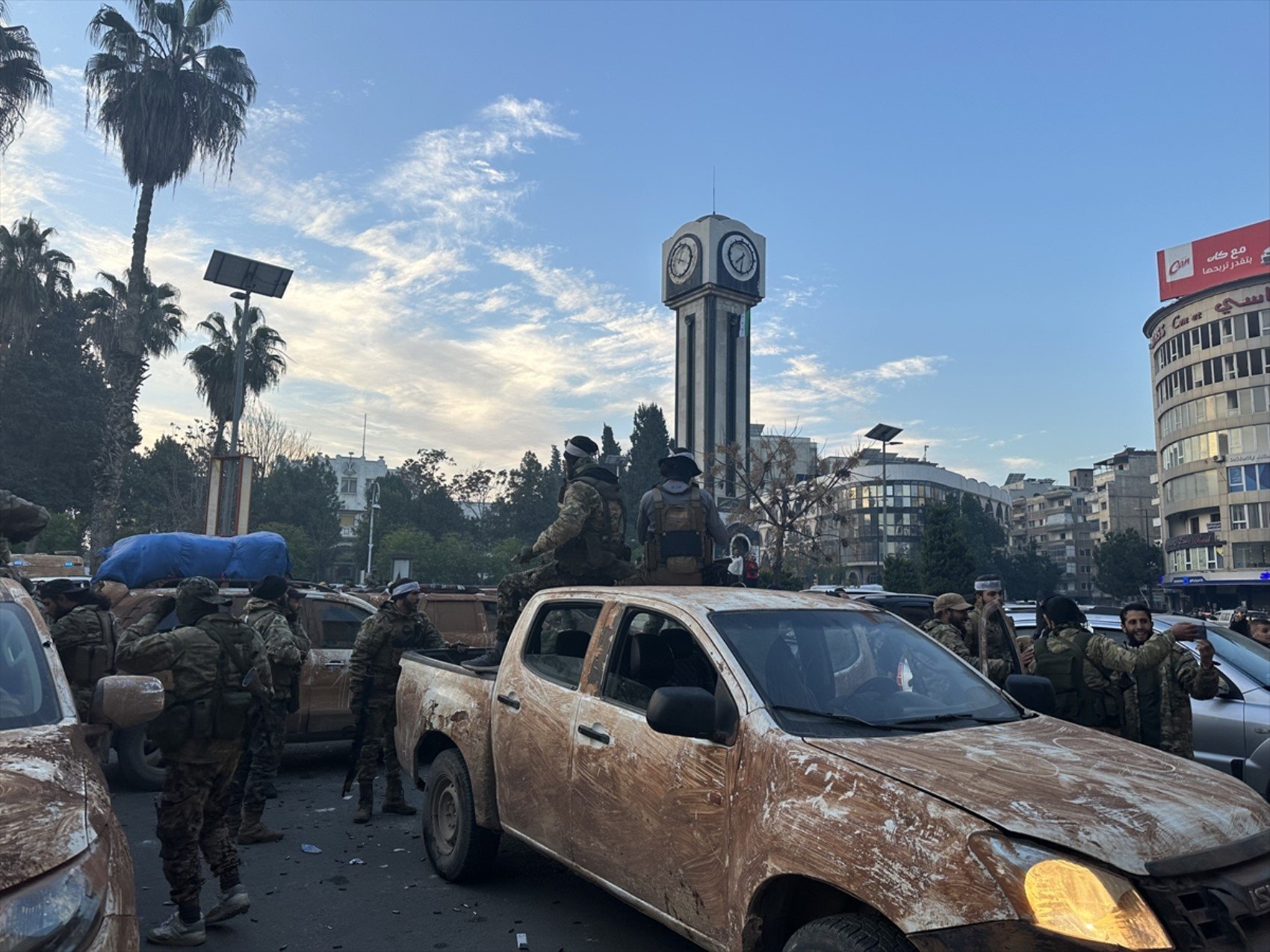
The groups took control of Aleppo and Idlib first, then Hama and Homs, and finally the capital, Damascus, on the morning of Sunday, December 8. Assad left his post and took refuge in Russia. While the question of how Assad fell so quickly is being debated, it has emerged that the jihadist groups led by HTS began planning the attack a year in advance.
According to a report by The Guardian, Abu Hassan al-Hamawi, a leader of HTS's armed wing, said that HTS coordinated the ‘rebels’ to create a ‘unified war effort’ that included a special unmanned aerial vehicle (UAV) unit.
Al-Hamawi explained that they began planning the attack to topple Assad a year ago, that a special UAV unit was created as part of the operation, and that close coordination was established with groups across the country.
‘PREPARATIONS HAD BEEN UNDERWAY FOR YEARS’
In his first interview with the foreign press since the collapse of the Bashar al-Assad administration in Syria, al-Hamawi said that although the operation to topple Assad began to be planned a year ago, HTS had been preparing for years.
Accordingly, during this process, HTS sought to develop a ‘military doctrine’ to ‘turn unorganized opposition groups and jihadist groups into a disciplined fighting force.’
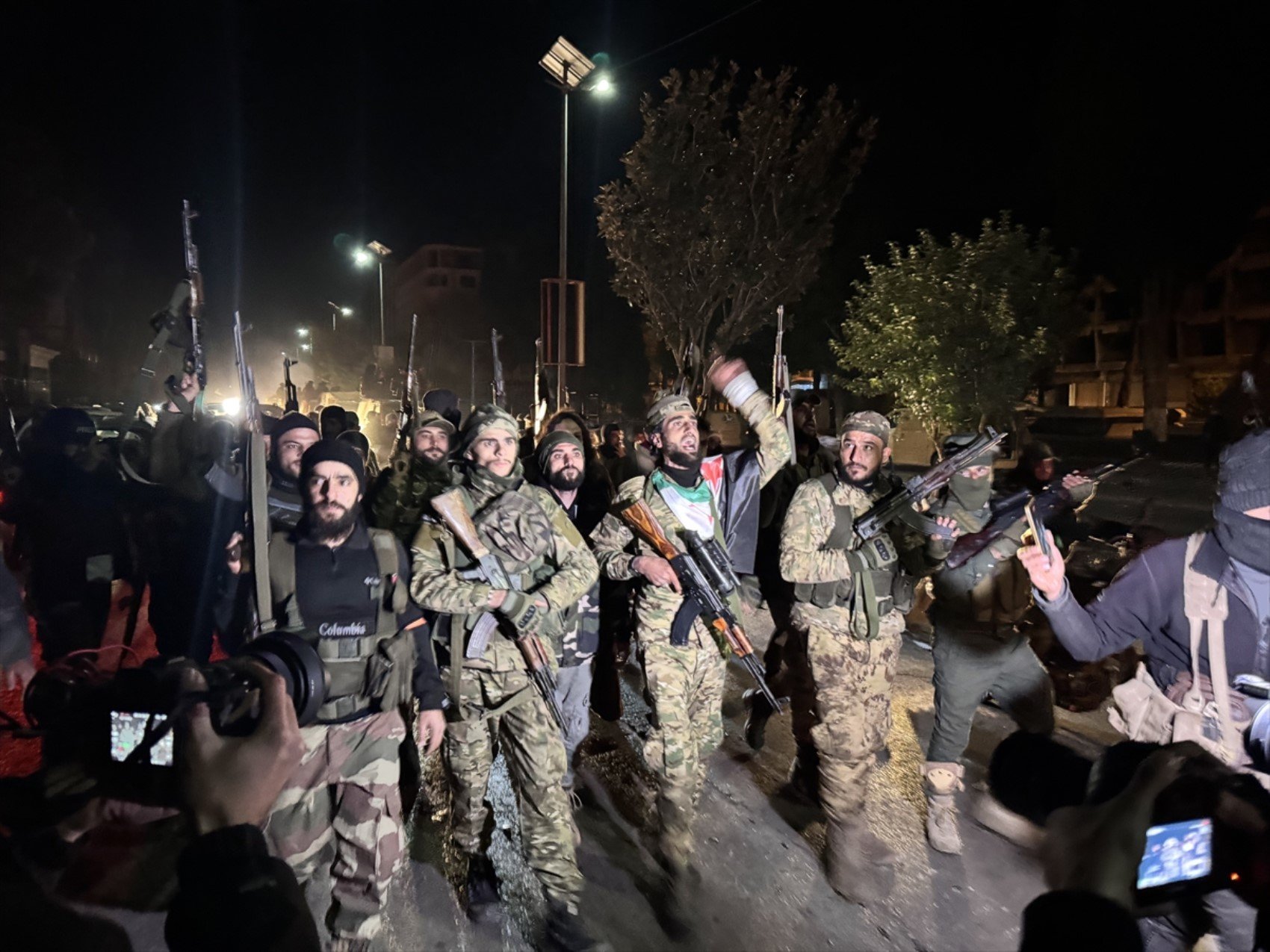
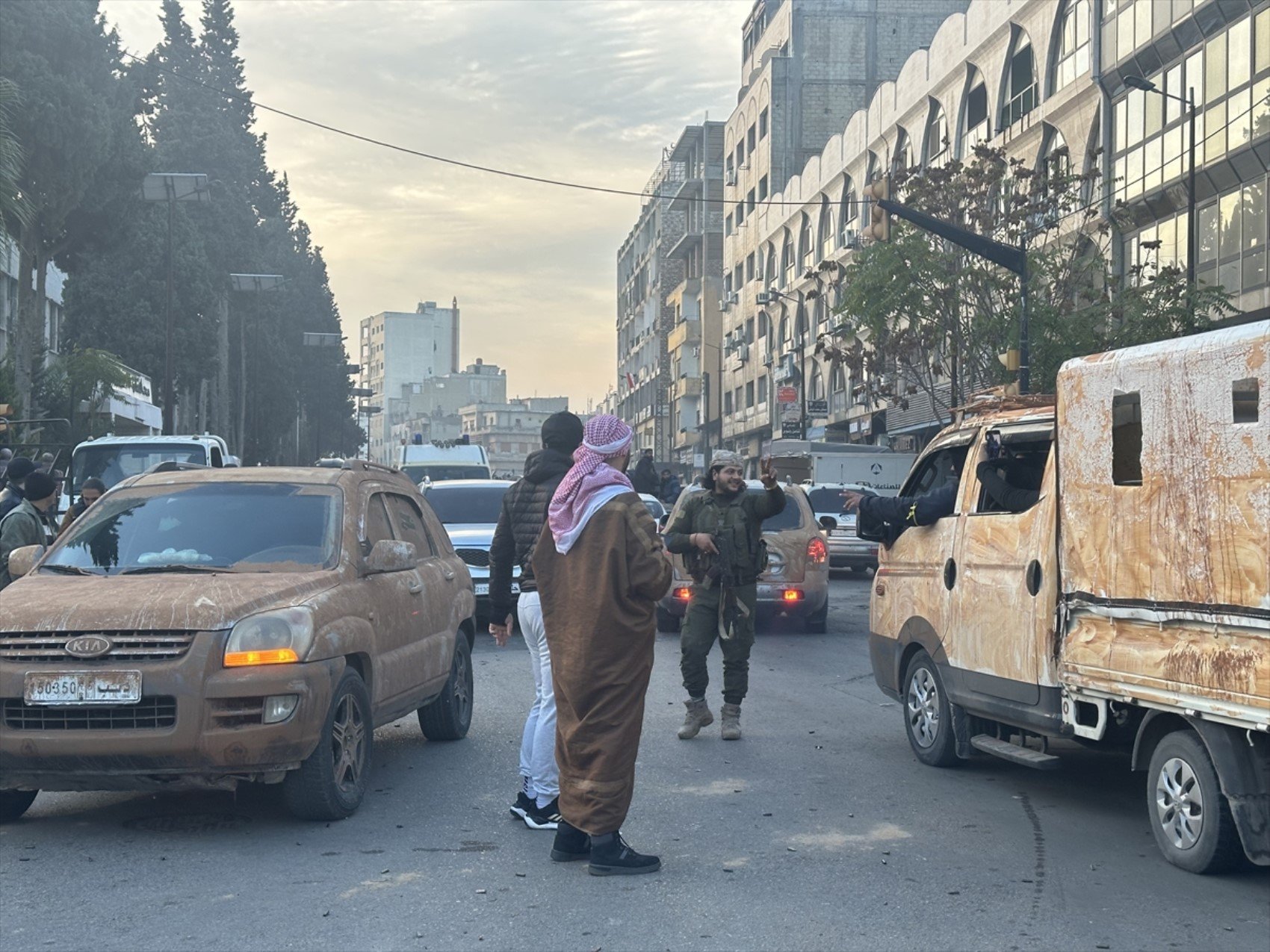
40-year-old al-Hamawi, in an interview in Jableh, Latakia, pointed to 2019, saying that HTS realized that if it ‘wanted to defeat the regime,’ it ‘needed to bring order to the opposition factions’ pushed into Idlib.
Al-Hamawi pointed to the struggle against the Al-Qaeda-linked Hurras al-Din, stating, “HTS offered other groups to come together under its umbrella; when they refused, it brought them to heel.”
‘UAV PRODUCTION BEGAN IN 2019’
Al-Hamawi explained that after the political command gradually merged, HTS worked to train its ‘fighters’ and ‘develop a military doctrine.’ Stating that they ‘analyzed the enemy and their tactics day and night and developed their own forces accordingly,’ al-Hamawi noted that military units and security forces were then established.
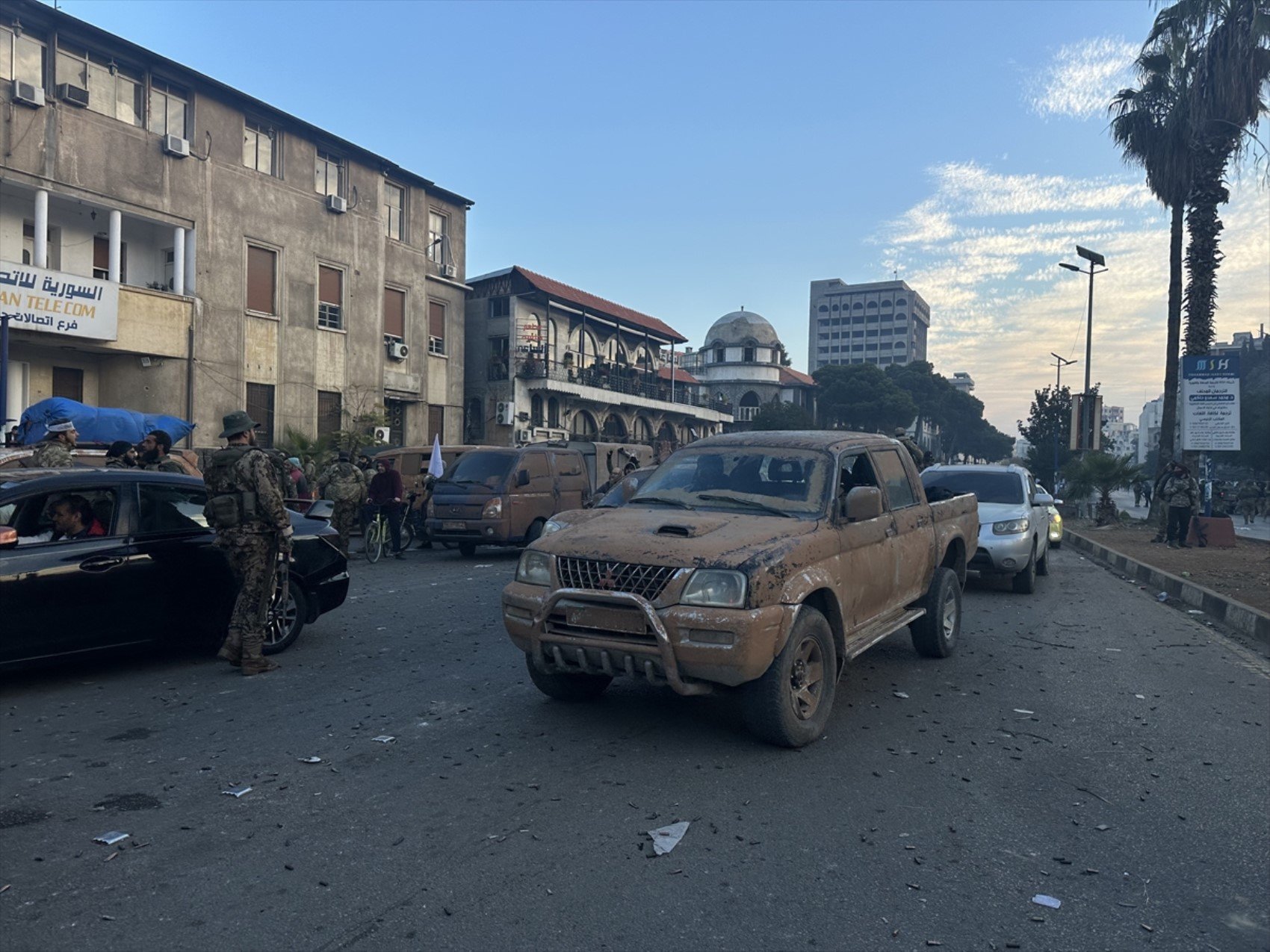
Accordingly, HTS began producing its own weapons, vehicles, and ammunition during this process. According to al-Hamawi, a UAV unit was also formed, bringing together engineers, technicians, and chemists.
Al-Hamawi said that UAV production began in 2019. Allegedly, HTS’s ‘Shahin’ UAV was also used against the Syrian army for the first time this month.
During this process, HTS also sent messages to groups in the south a year ago, providing guidance on how they could form a ‘war room.’ It was stated that HTS’s goal here was to advance toward the capital, Damascus, from the north and south and meet there.
WHY WAS NOVEMBER SEEN AS THE ‘RIGHT TIME’?
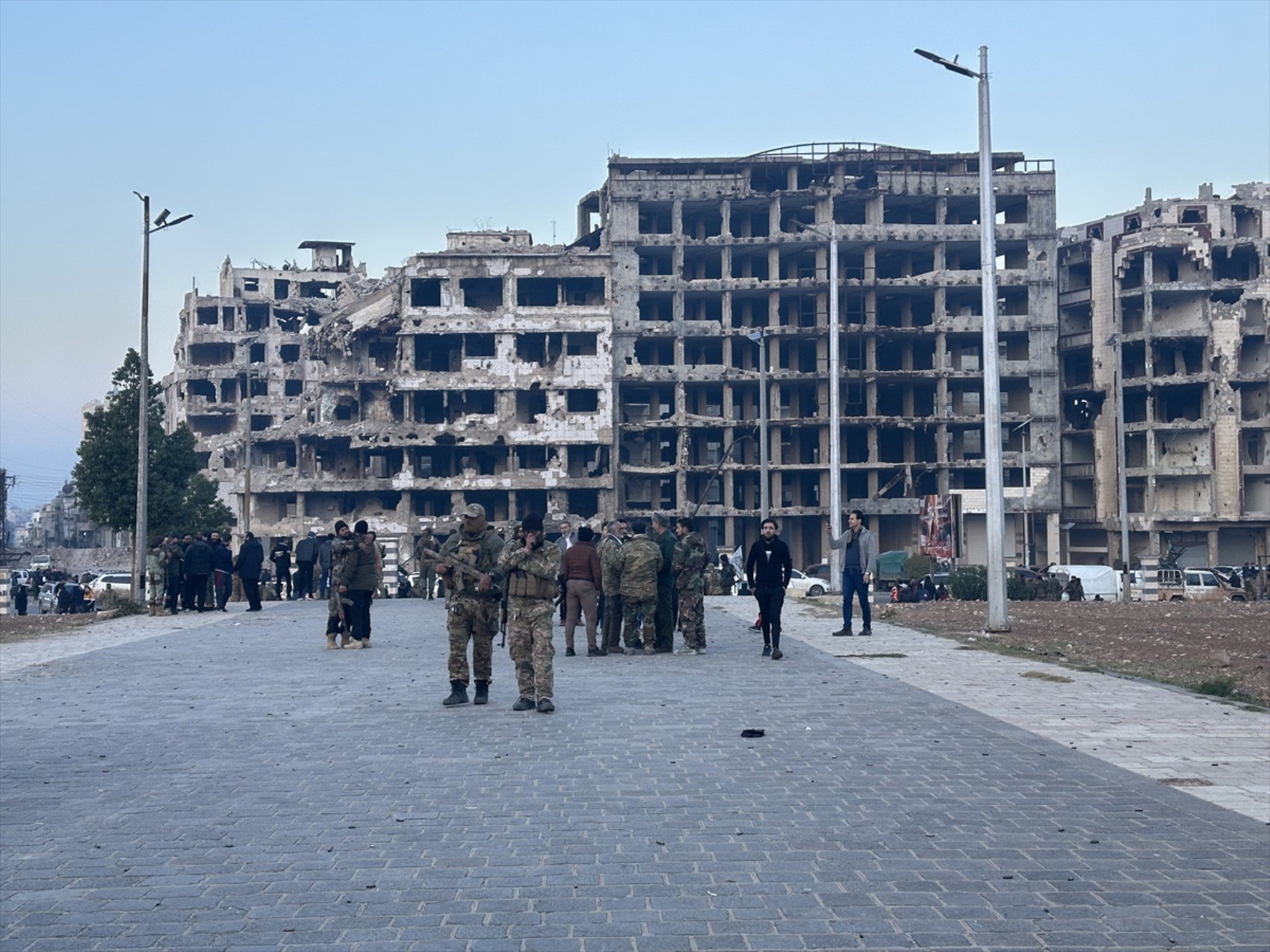
At the end of November, HTS decided that this was the ‘right time.’ According to al-Hamawi, HTS primarily wanted to stop the normalization trend between the Bashar al-Assad administration and regional powers led by countries such as the United Arab Emirates (UAE) and Saudi Arabia. According to HTS, which also wanted to stop the intensified airstrikes on northwestern Syria, Assad’s international allies such as Russia, Iran, and Hezbollah had also begun to weaken. Two days after launching the attack on the Syrian army on November 27, HTS took control of Aleppo. This was followed by Idlib, Hama, Homs, and finally the capital, Damascus, last Sunday.
Al-Hamawi explained that he would transition to a role in the new civil government in Damascus. Acknowledging that building a new country is not an easy task, al-Hamawi addressed the concerns of religious minorities, claiming, “We affirm that the minorities in Syria are part of the nation and have the right to perform their own rituals, education, and services just like all other Syrian citizens. The regime thrived on division; we are trying to build bridges between these divisions as much as possible.”