A symbol of the Cold War: The construction and fall of the Berlin Wall
The Berlin Wall fell 35 years ago, on November 9, 1989. For exactly 28 years, the wall served as a symbol of Germany's division. The 'years of the wall,' during which Berlin was split into West and East, are still cited today as the foundation for many of the political and social polarizations observed in German society.
12punto
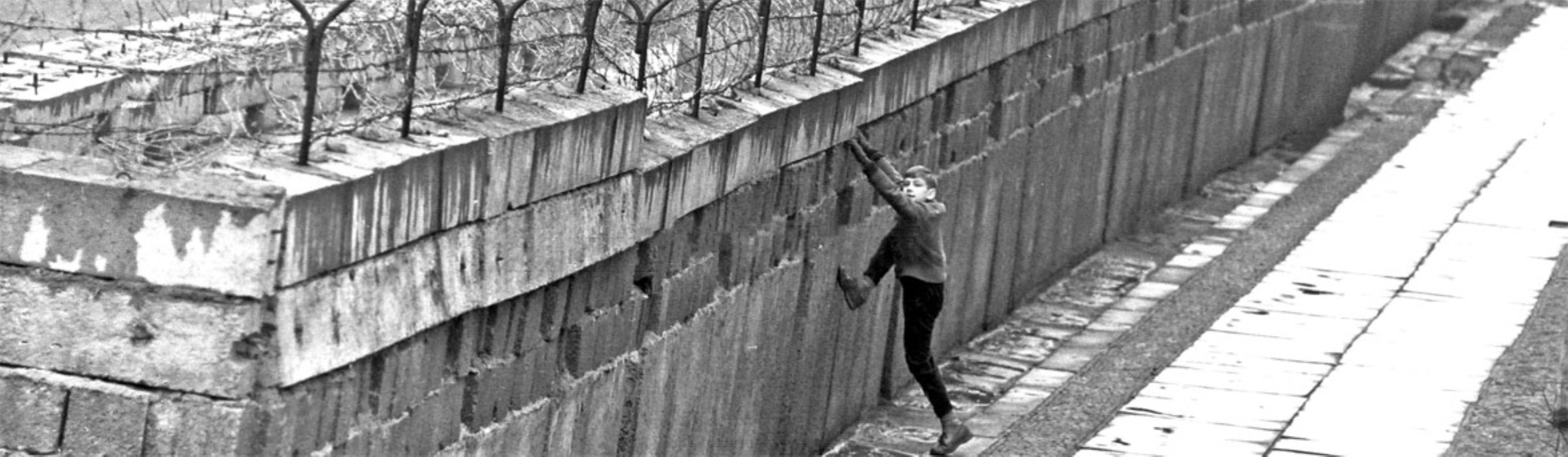
The Berlin Wall had become a symbol of the division between East and West Germany following the Second World War. The fall of this wall, which stood for 28 years, represents the beginning of a process that led to significant changes not only for Germany but across the globe.
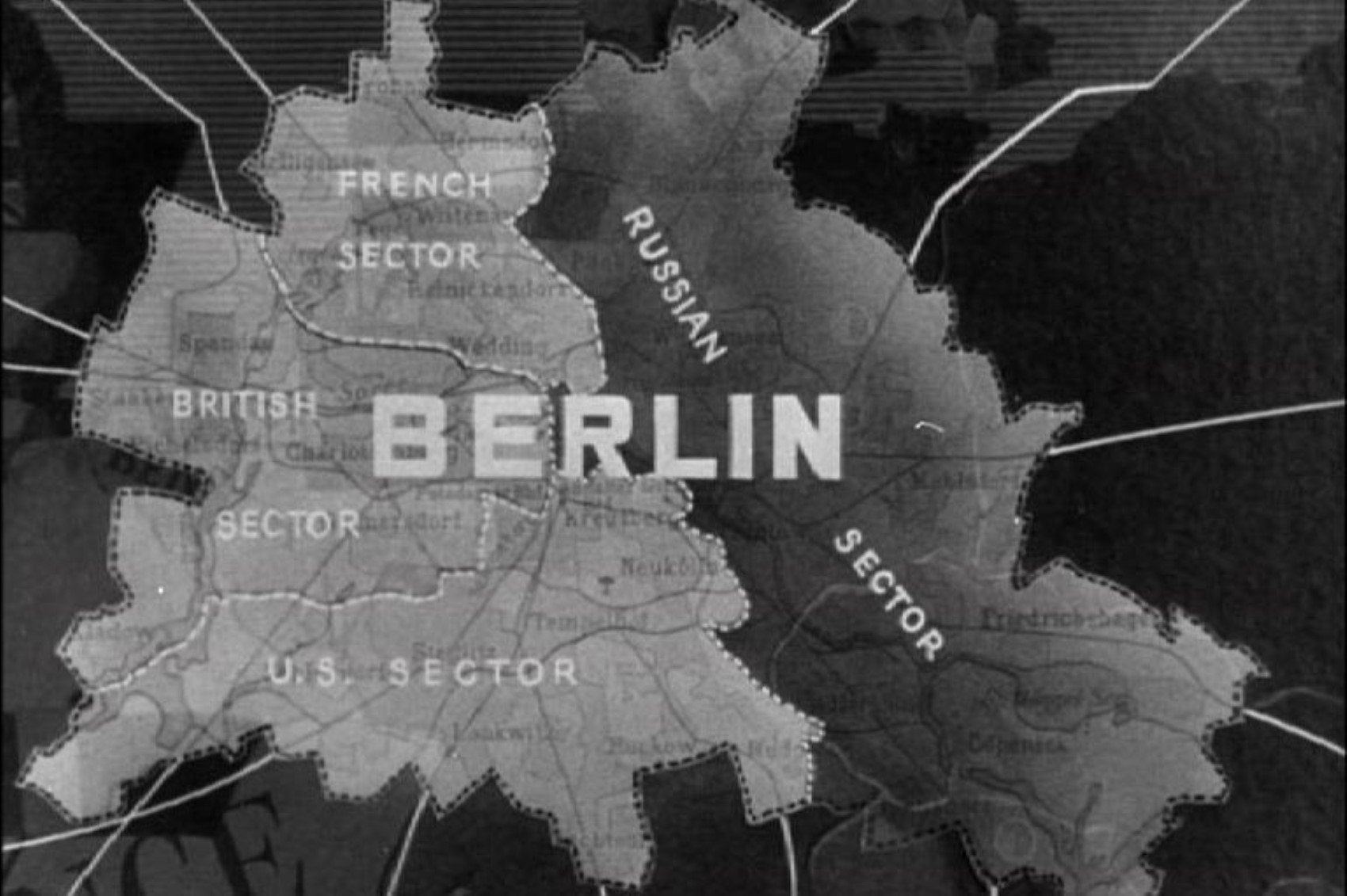
The political tension that emerged with the division of Germany into four zones in 1945 led to the construction of East Germany (GDR).
During this period, while East Germany's economic situation remained weak, West Germany developed rapidly, witnessing the flight of educated and qualified individuals from the East to this region.
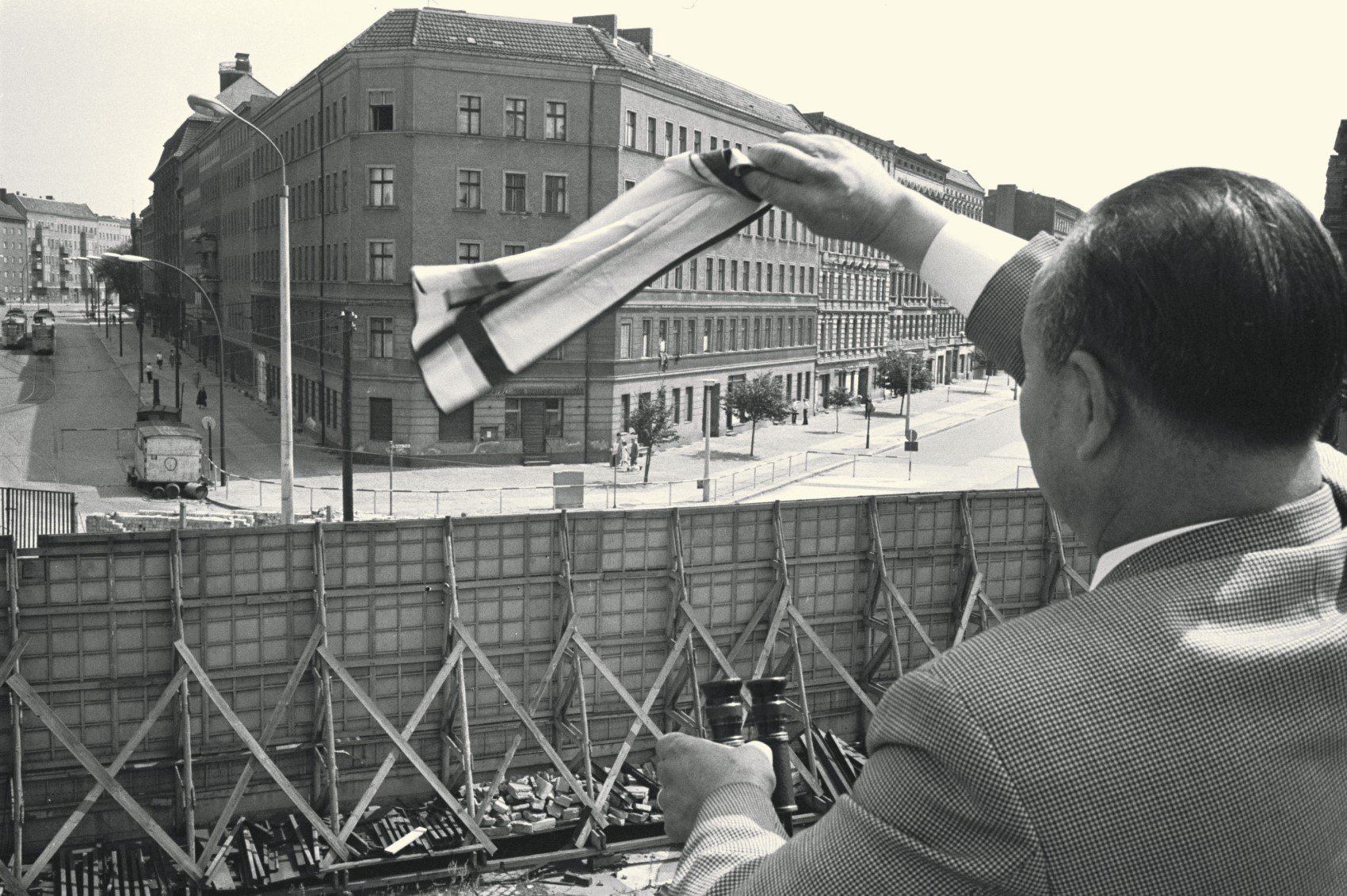
Between 1949 and 1961, more than 3 million people headed to West Germany for various reasons.
Following this, on August 13, 1961, the East German government decided to build the Berlin Wall to stop the escapes at the border.
After its construction, East Germans who wanted to cross the wall made efforts to reach the West by trying various methods.
This wall, which obstructed transportation, also brought with it the stories of many people who lost their lives in attempts to escape.
According to research conducted after the fall of the Berlin Wall, at least 140 people lost their lives while trying to cross the wall.
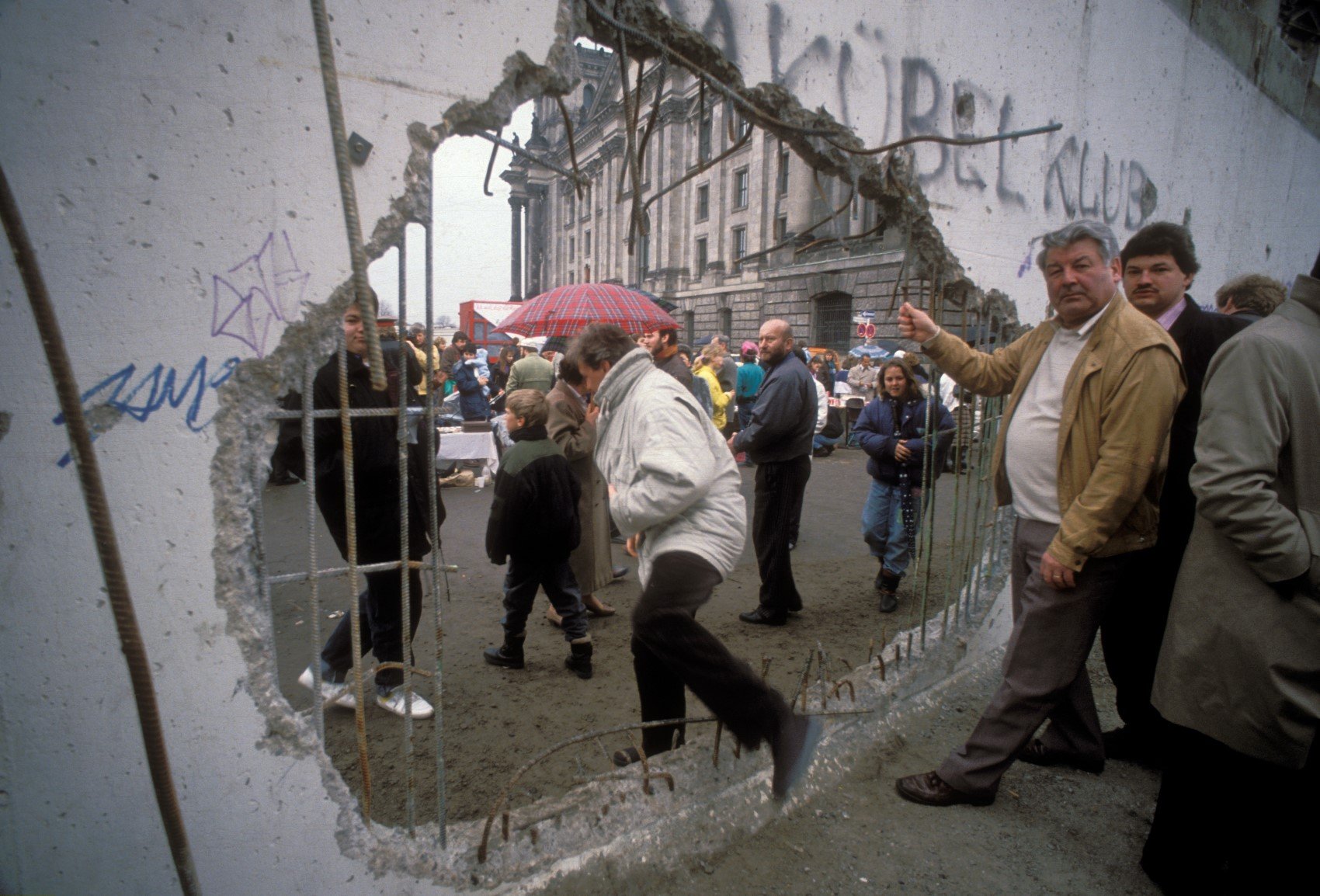
Some of them were shot while attempting to cross the border, while others lost their lives as a result of accidents or by committing suicide.
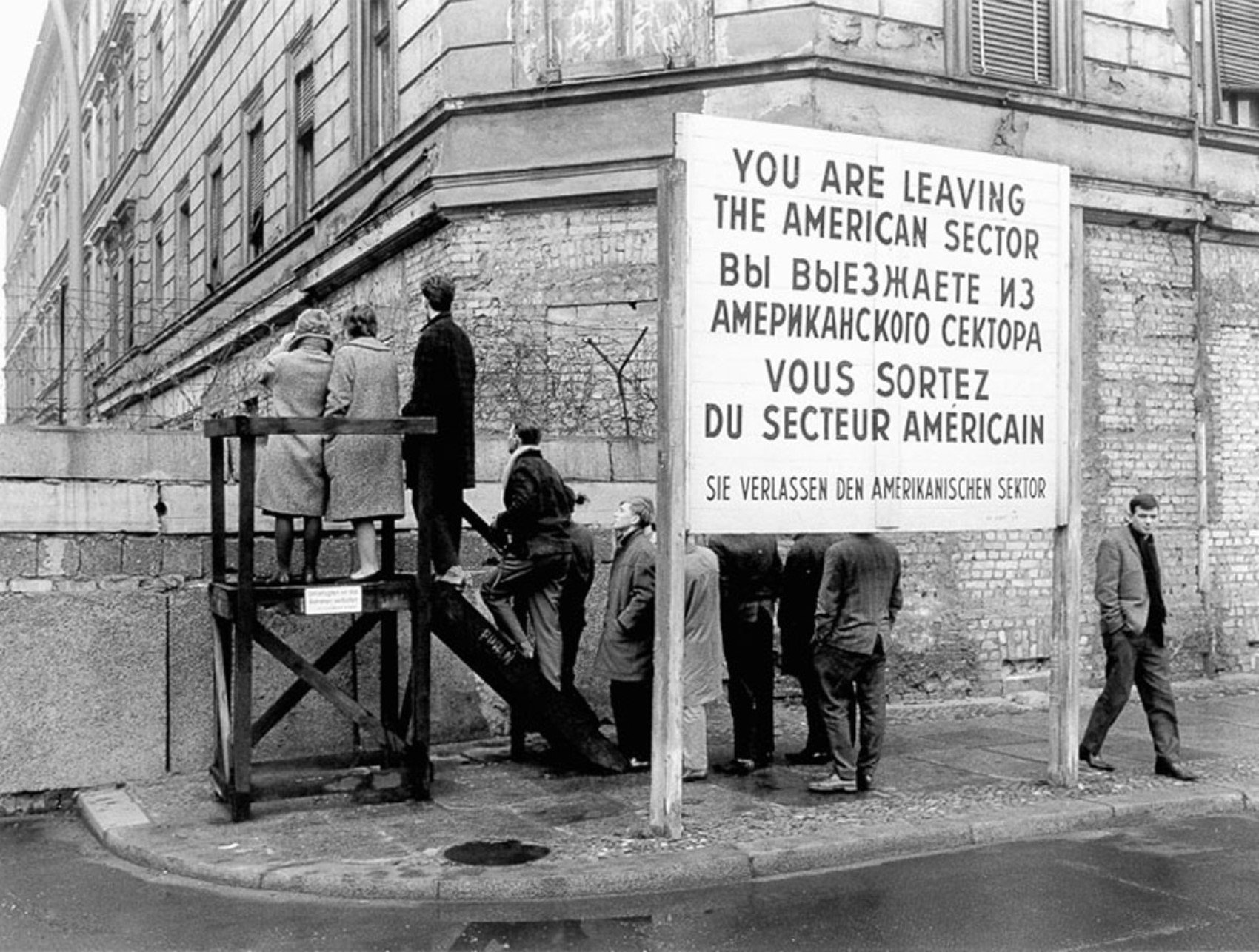
Gorbachev's Glasnost and Perestroika policies, which emerged in the Soviet Union in the mid-1980s, led to the weakening of communist regimes.
Soviet President Mikhail Gorbachev had aimed to reduce internal instability in the country with these policies. However, the 80s did not progress as the Soviets had planned.
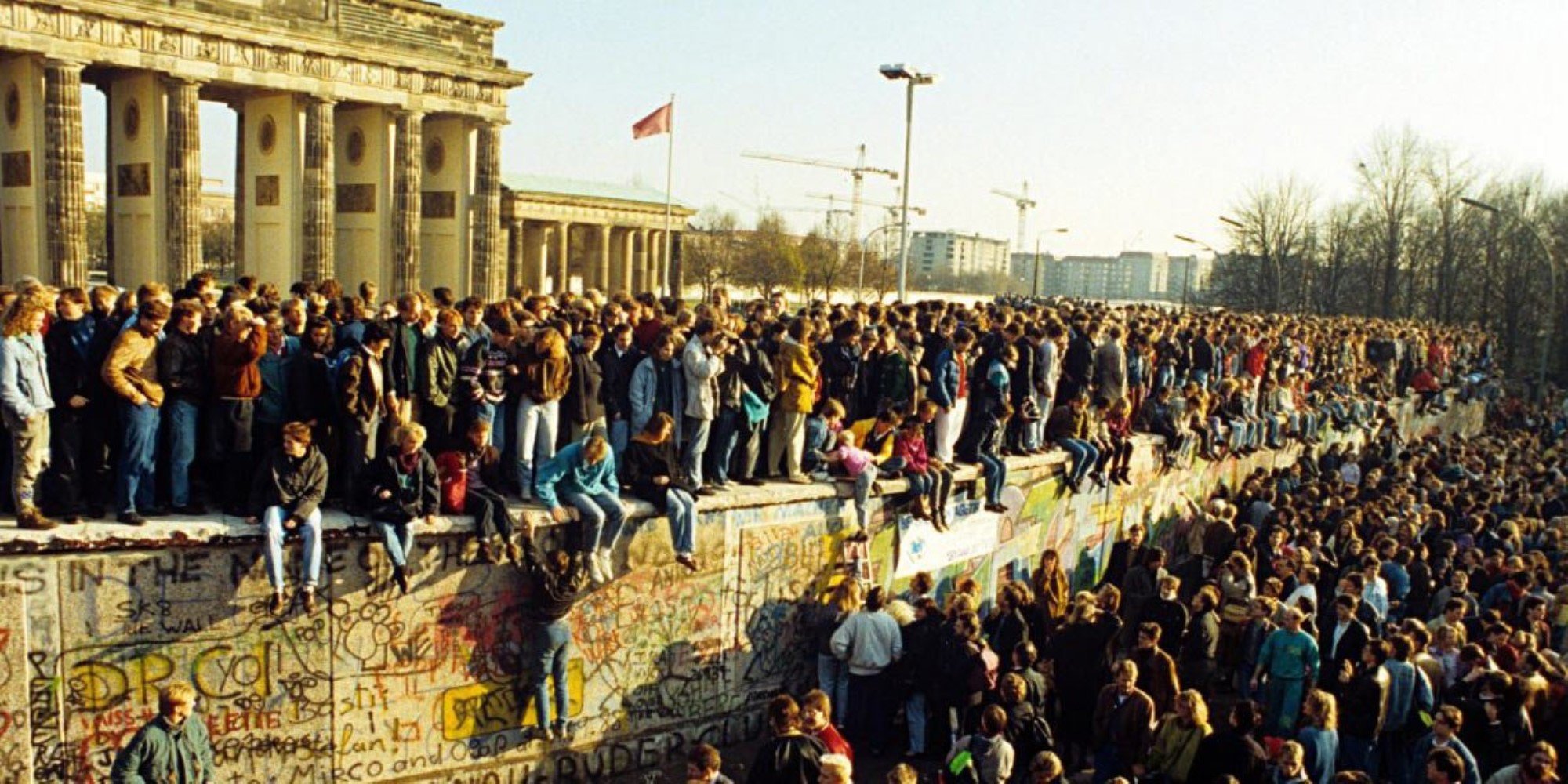
The year 1989 was a period when many countries in Europe transitioned to democracy. In East Germany, the public took to the streets with demands for freedom.
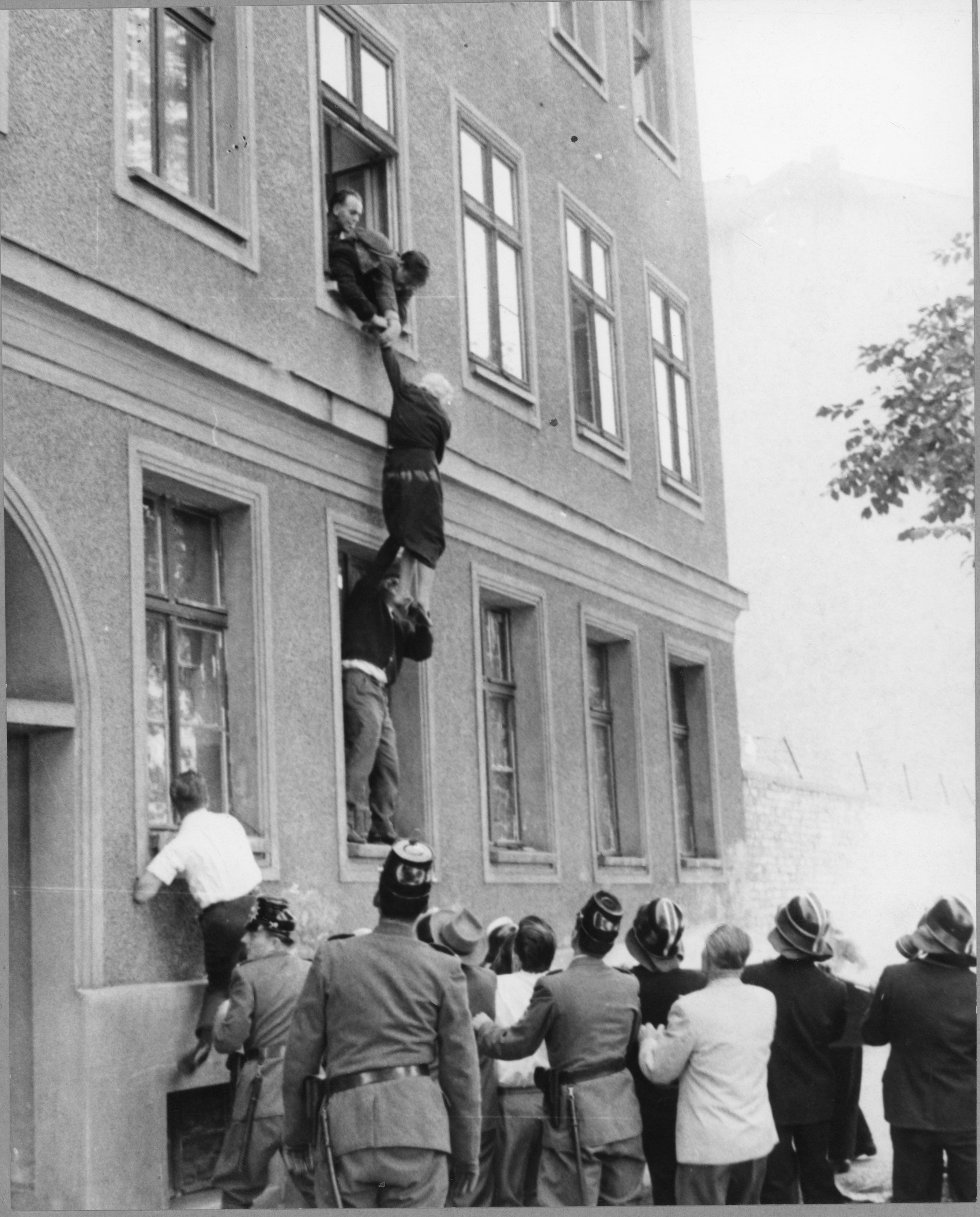
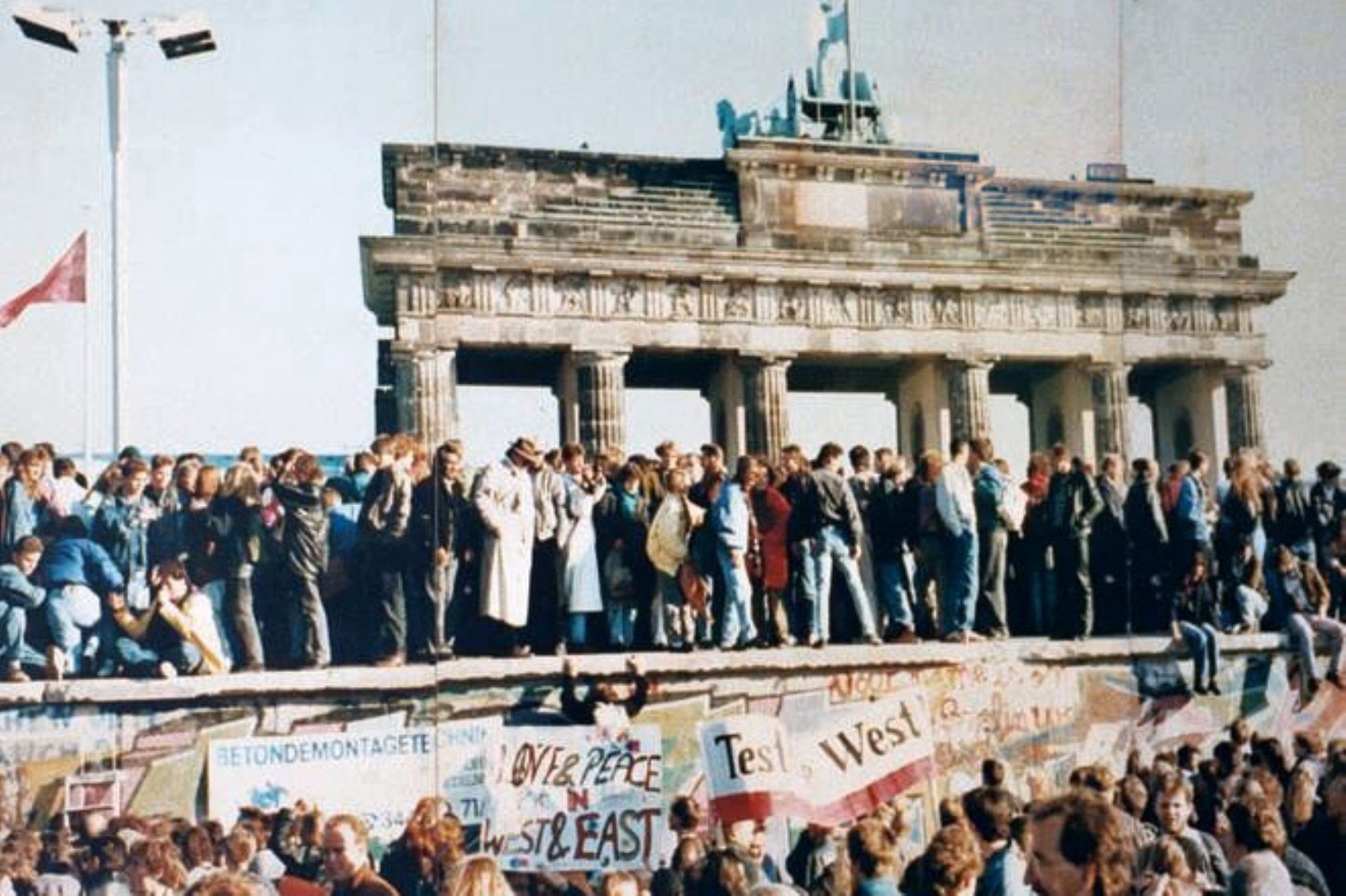
On November 9, 1989, influenced by international developments, the fall of the Berlin Wall and the celebrations of the people gathered around it marked a historic moment.
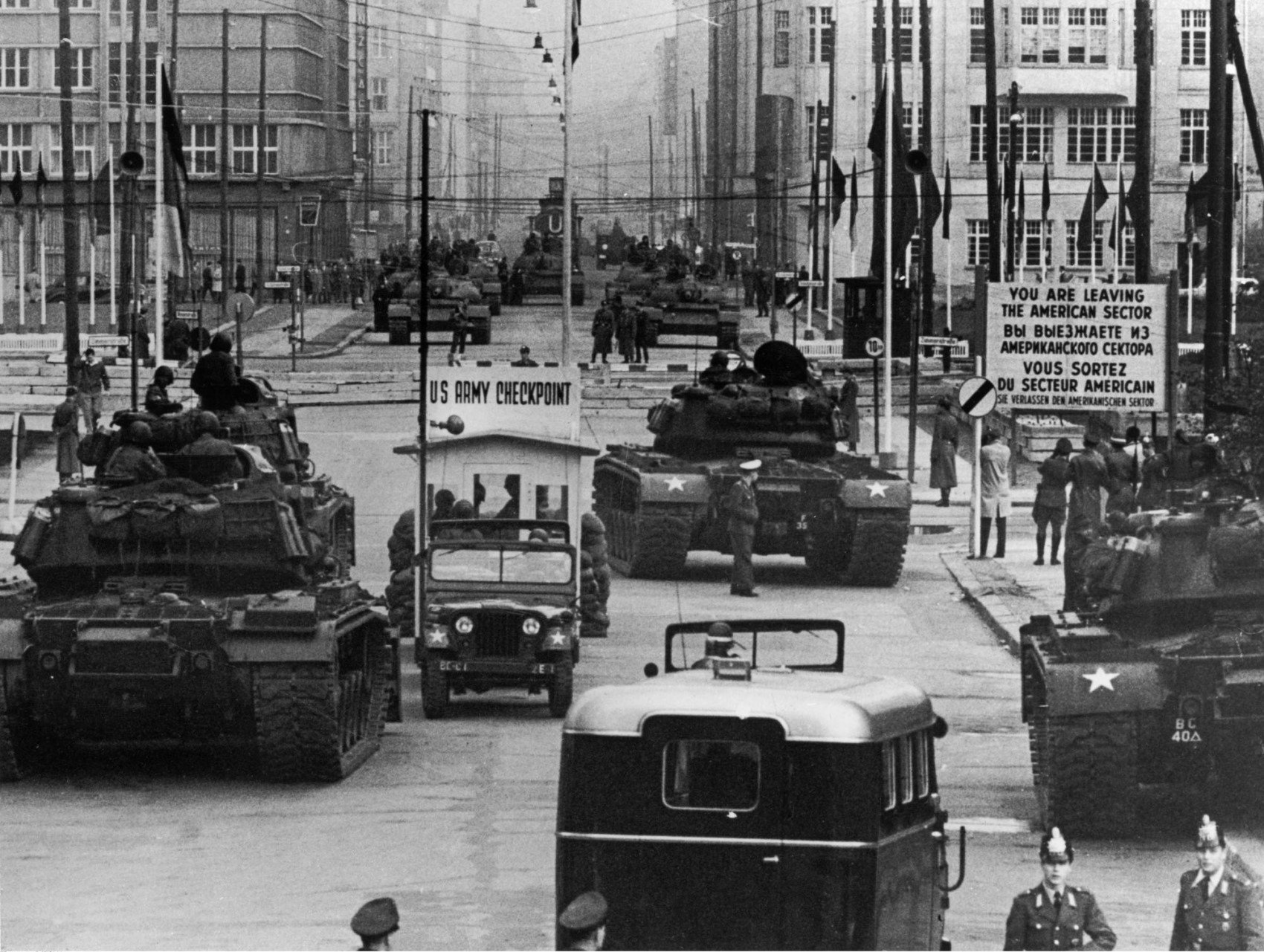
The fall of the Berlin Wall symbolizes the end of the Cold War era and the acceleration of Germany's reunification process.
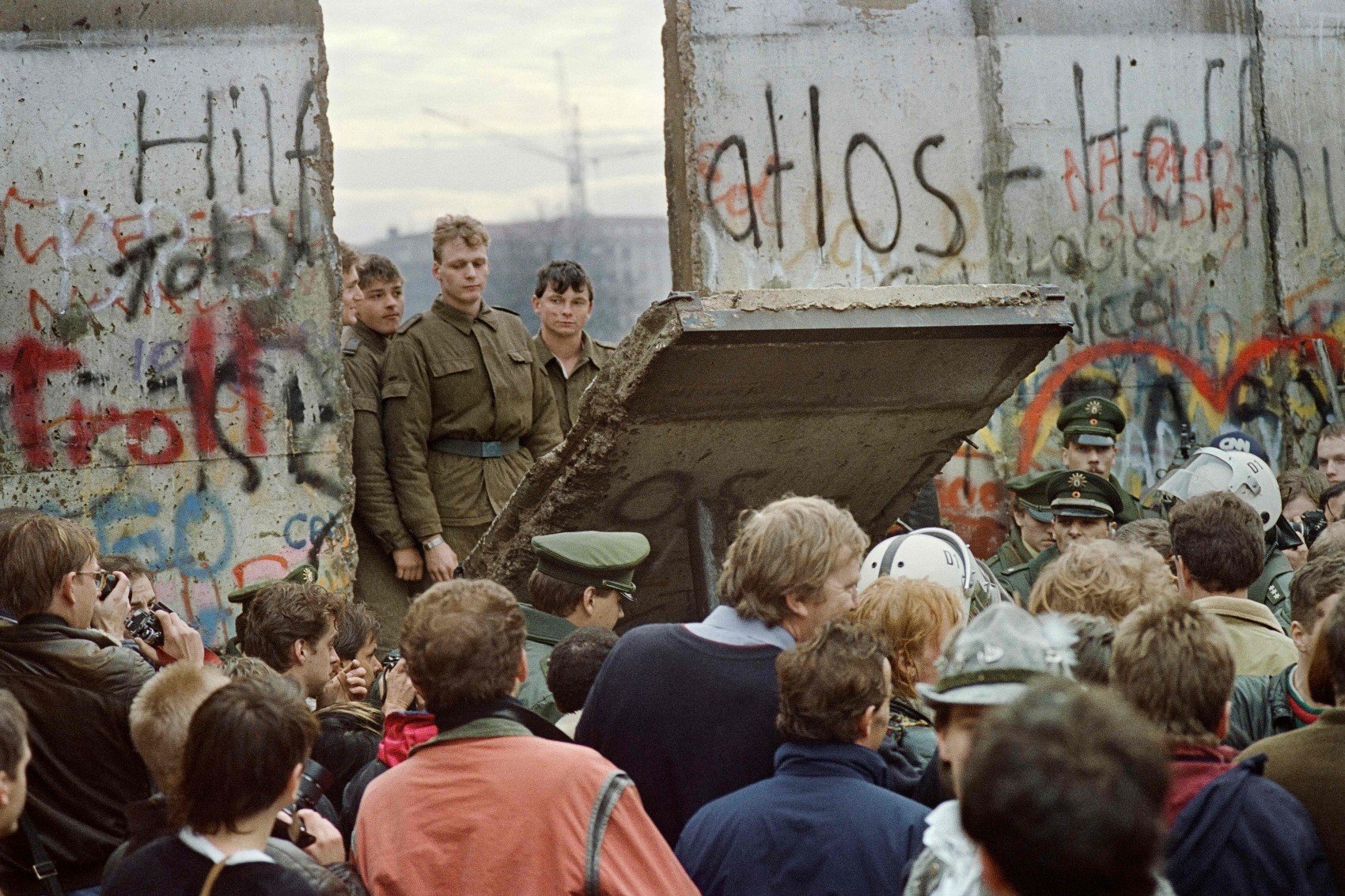
Following the negotiations held in 1990, Germany officially reunified.
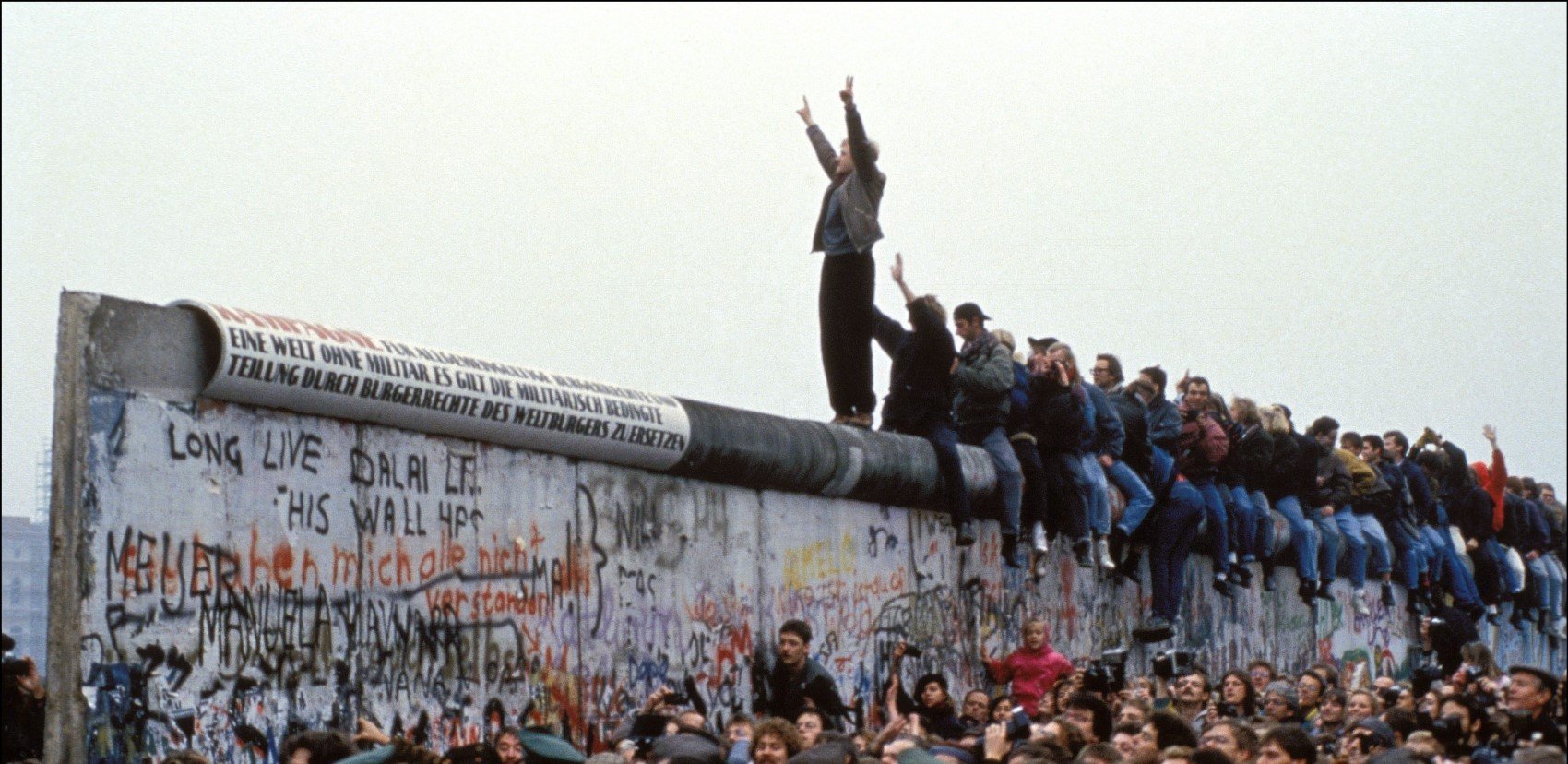
Helmut Kohl became the first chancellor of a reunified Germany and made significant contributions to the European integration process. These developments brought about a major transformation process not only for Germany but for the entire world.