Traces of death on the floor of Sednaya Prison: Families search for their missing loved ones
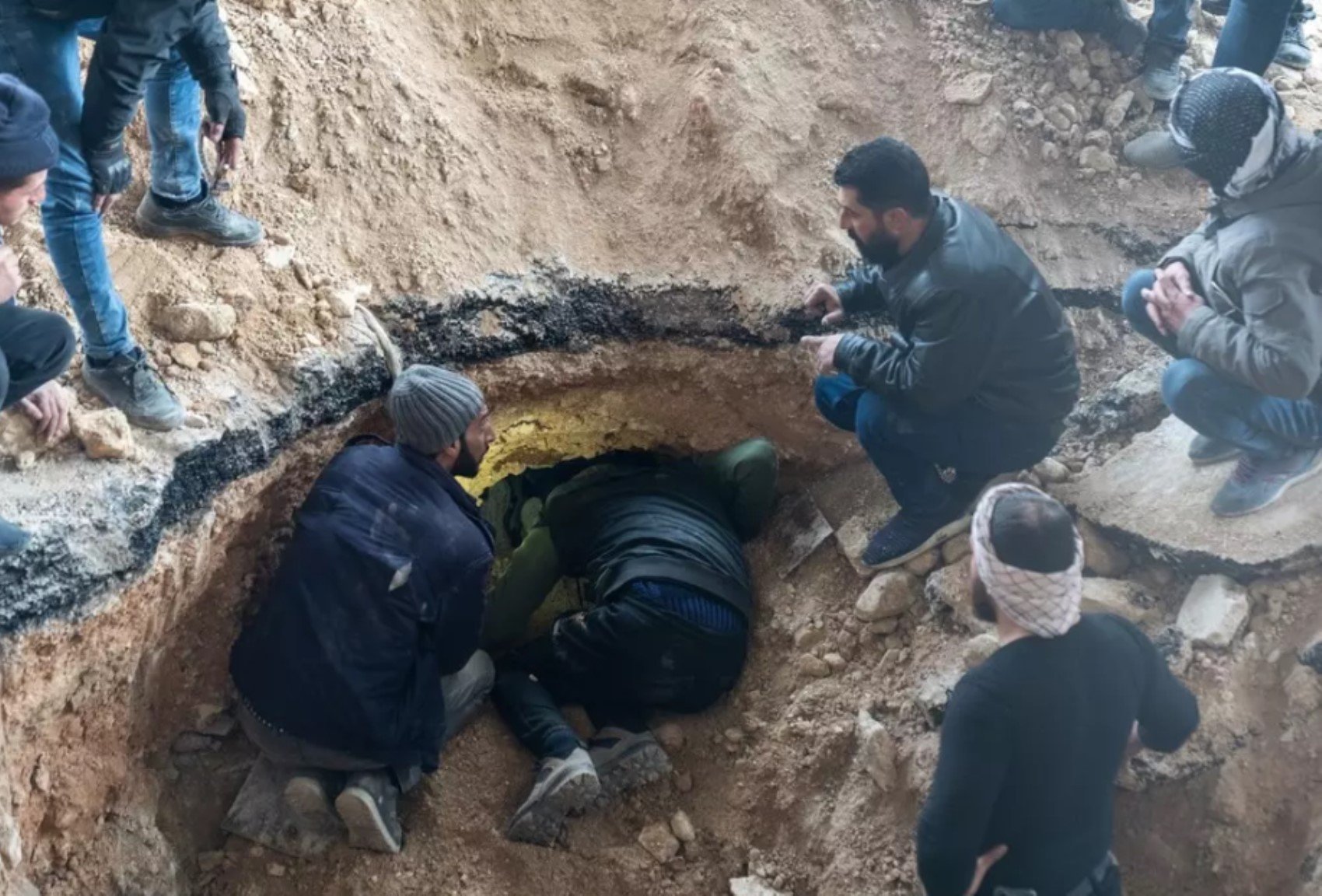
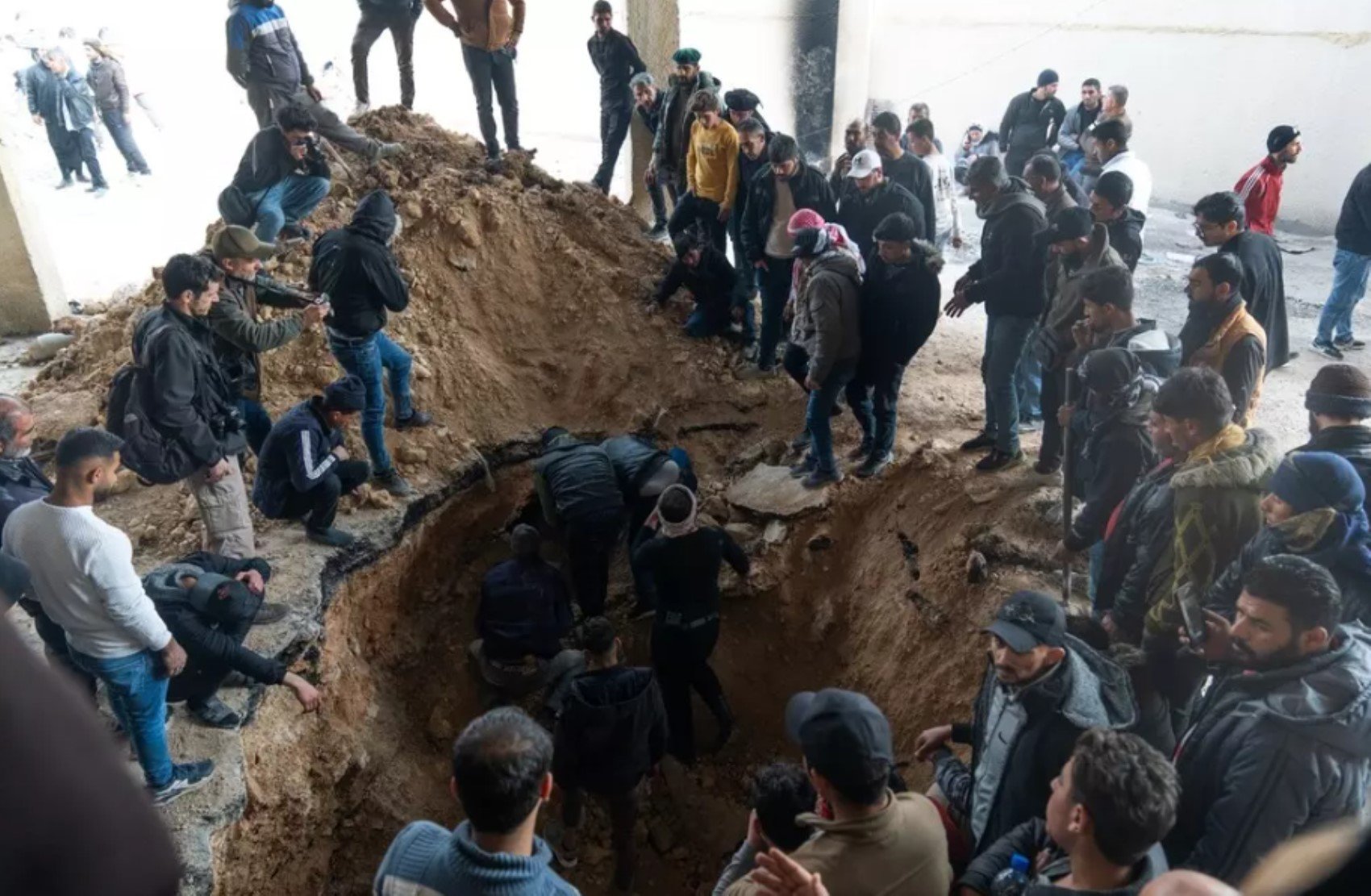
Following the armed conflict initiated by the jihadist opposition group HTS in Syria and the subsequent flight of Bashar al-Assad to Russia, the regime in the country has changed, with HTS taking control. After Assad's escape to Russia, the mystery surrounding Sednaya Prison in Syria has come to light. Thousands of families are digging up the prison floor and searching for clues in the writing on the walls to find their missing relatives. Sednaya has become a symbol of the regime's brutality.
12punto
Bashar al-Assad, who had been in power in Syria for years, was toppled in recent weeks after conflicts initiated by jihadist rebels advanced to Damascus, leading to Assad's flight to Russia.
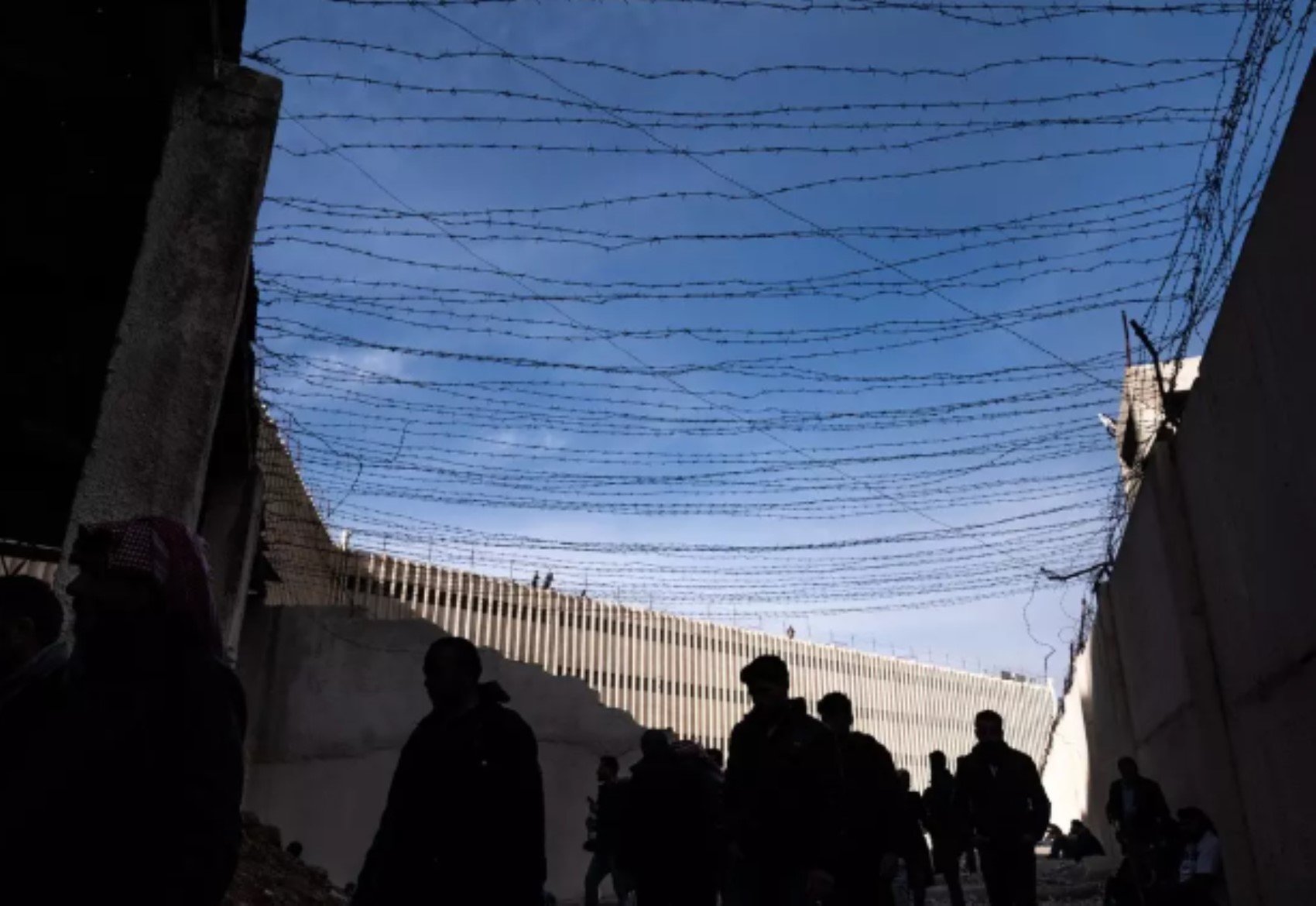
Following the event, which serves as a milestone for Syria and the region, the realities of Syrian prisons have begun to emerge. After the rebels captured Damascus and toppled the regime, they opened Sednaya, the most notorious prison, and released the detainees.
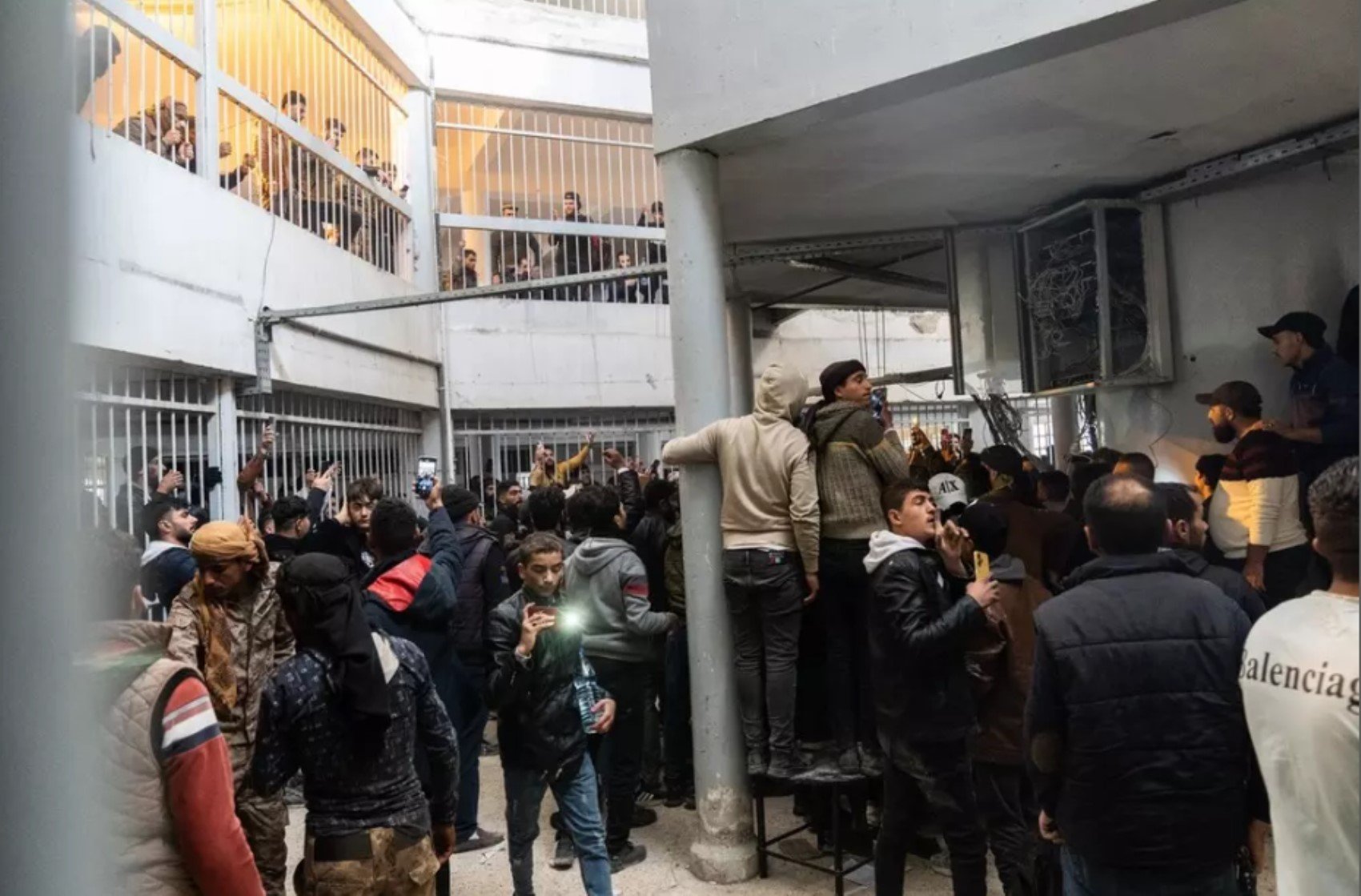
The Syrian people were also allowed to search for their relatives. With this development, the mystery of Sednaya has begun to unravel. Here are all the details!
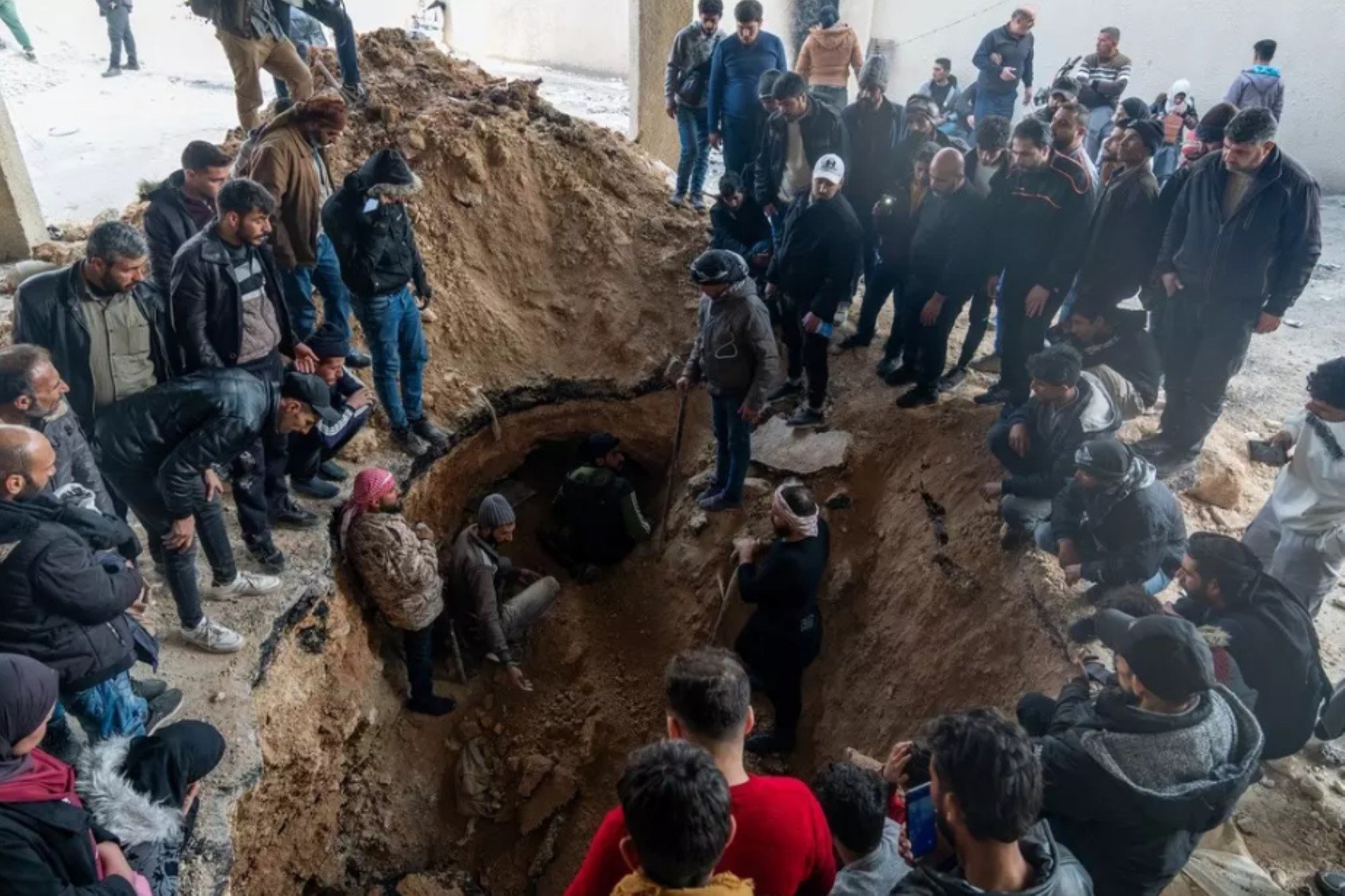
TENS OF THOUSANDS LOST IN THE DETENTION NETWORK
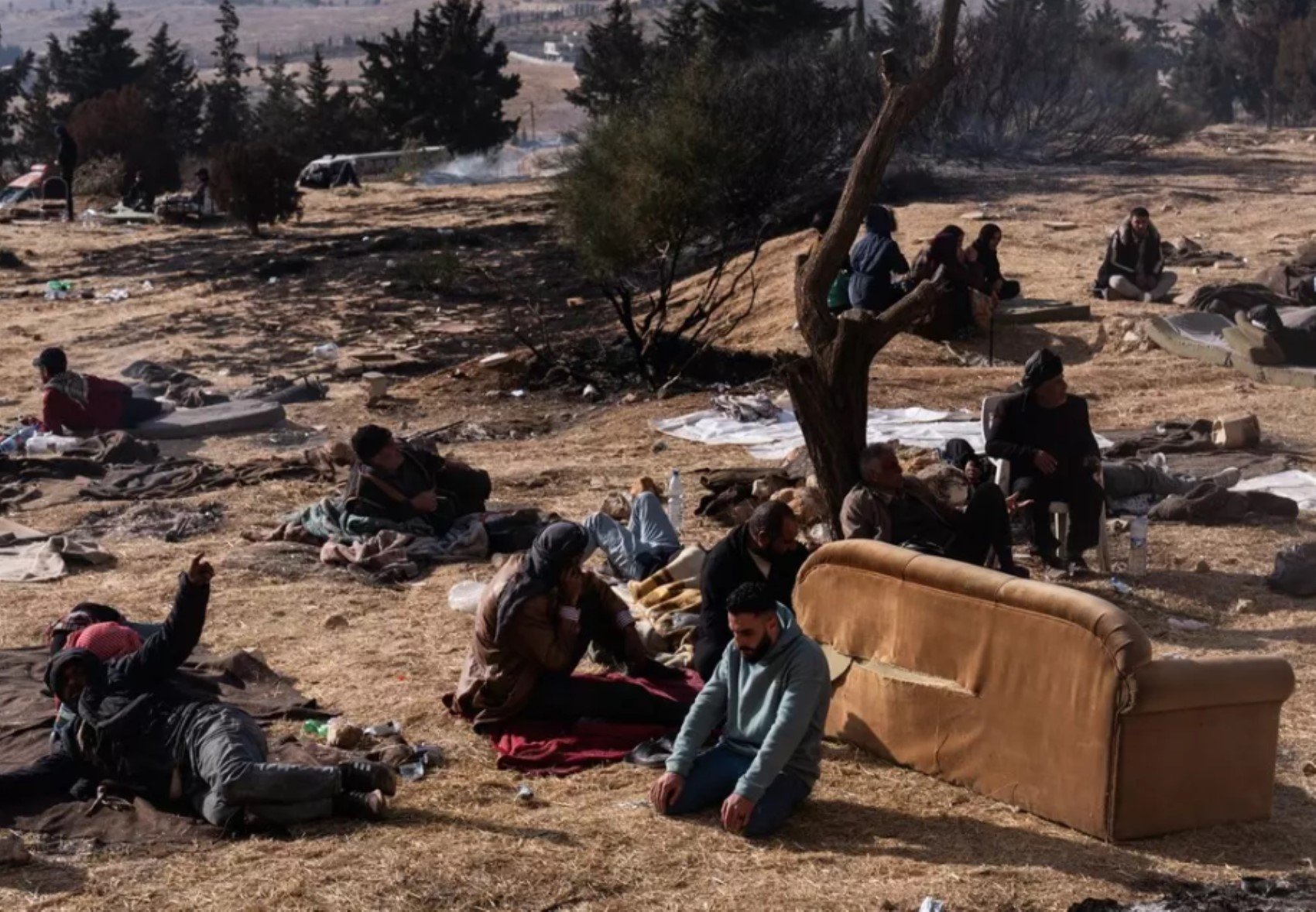
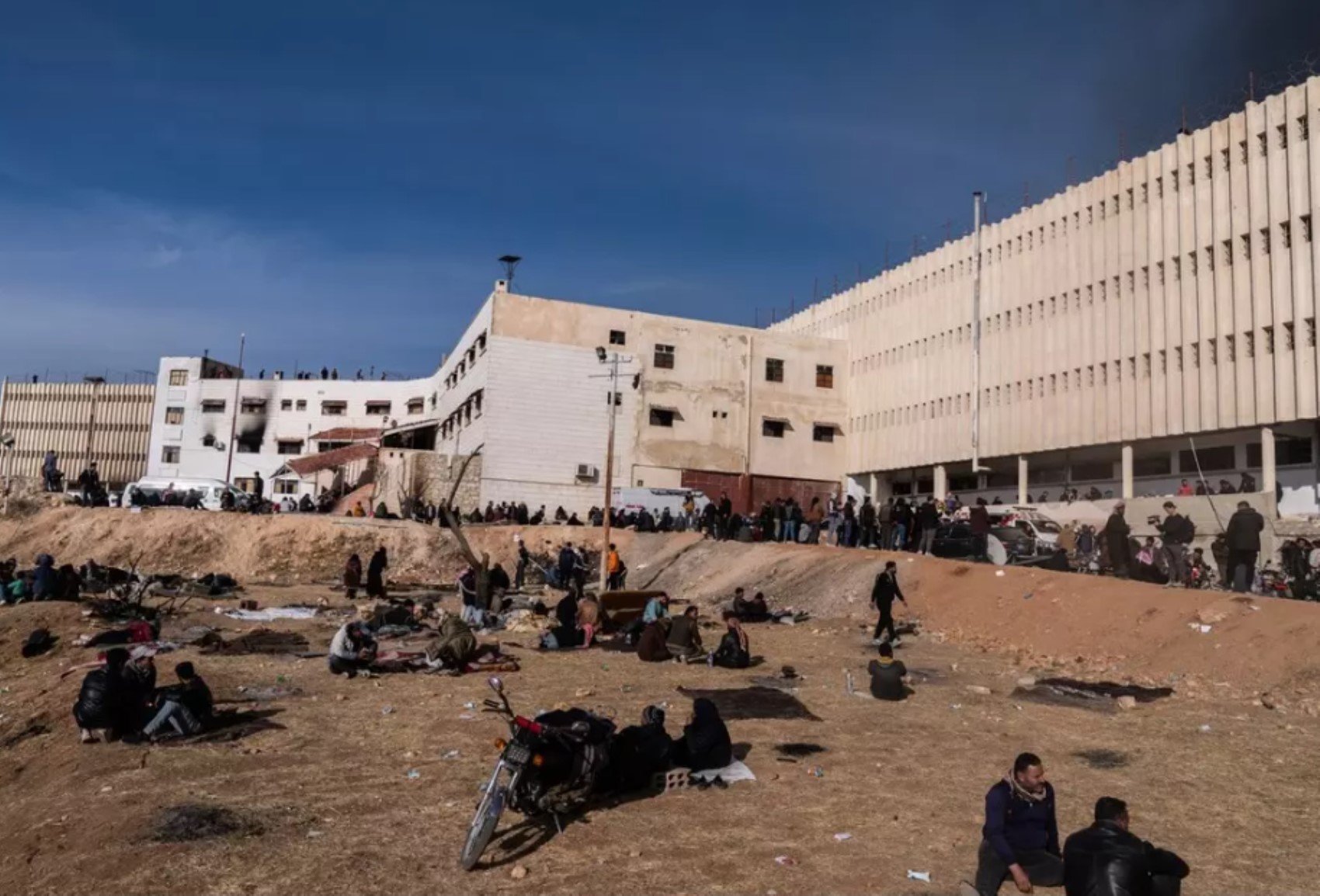
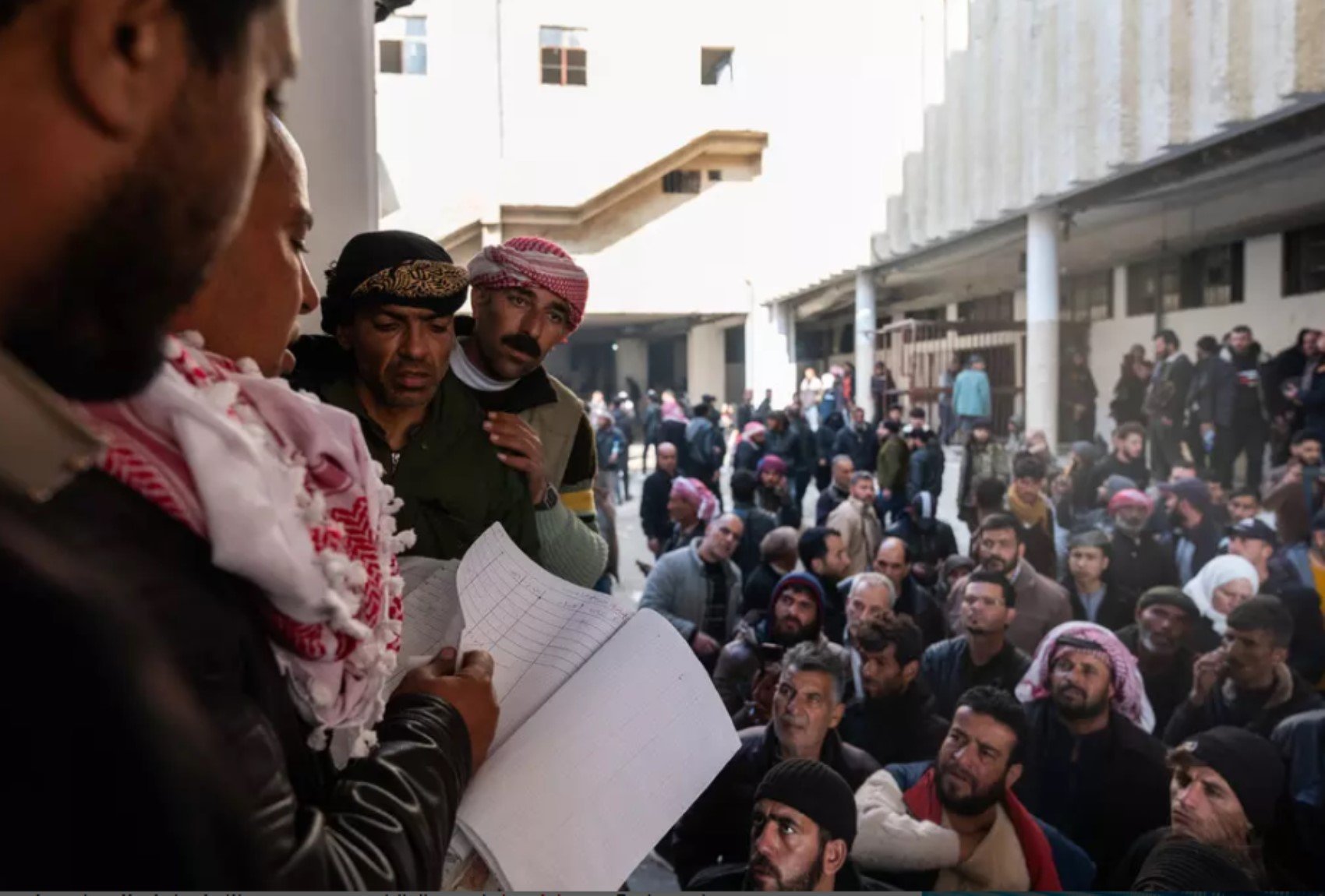
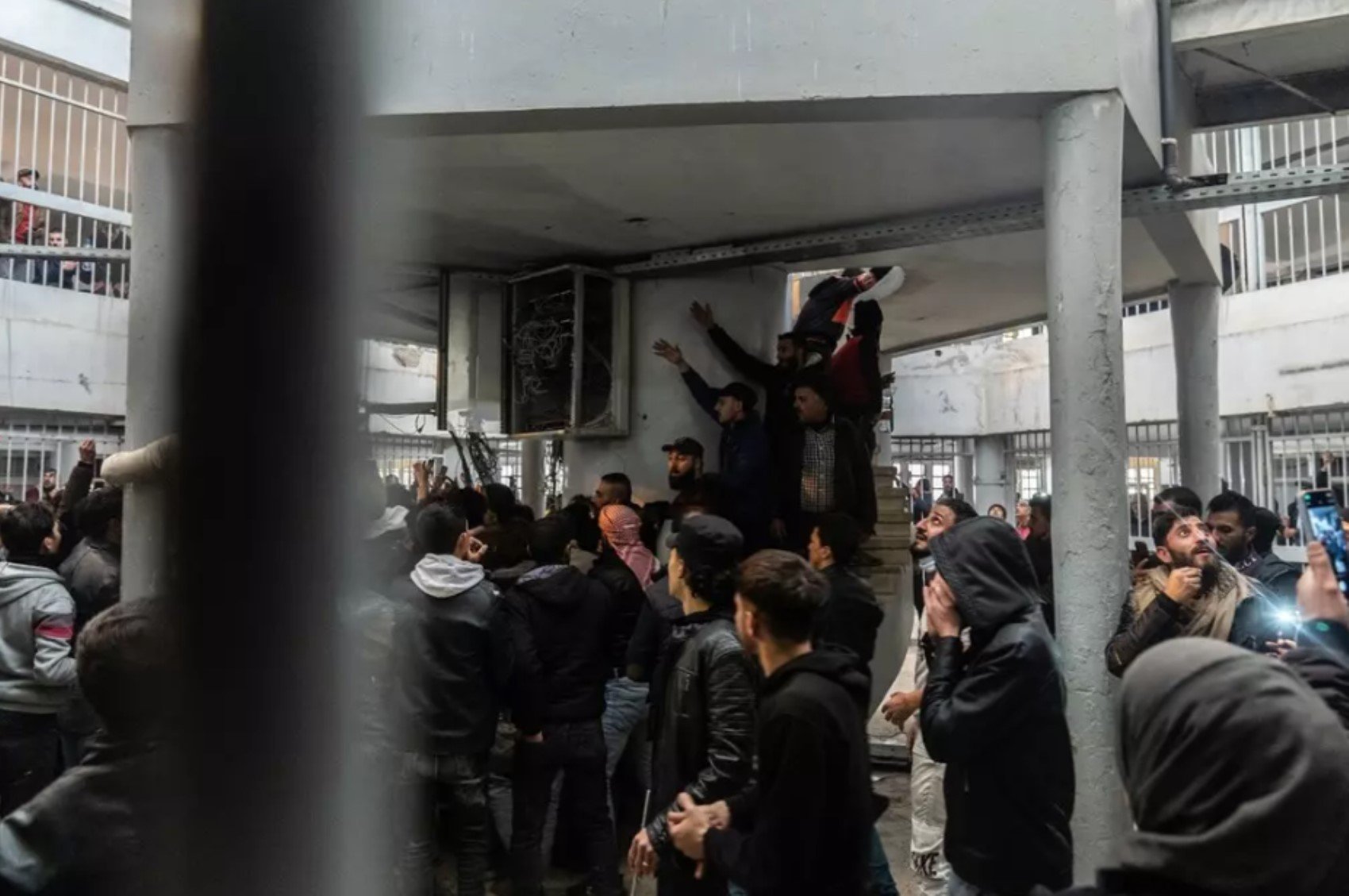
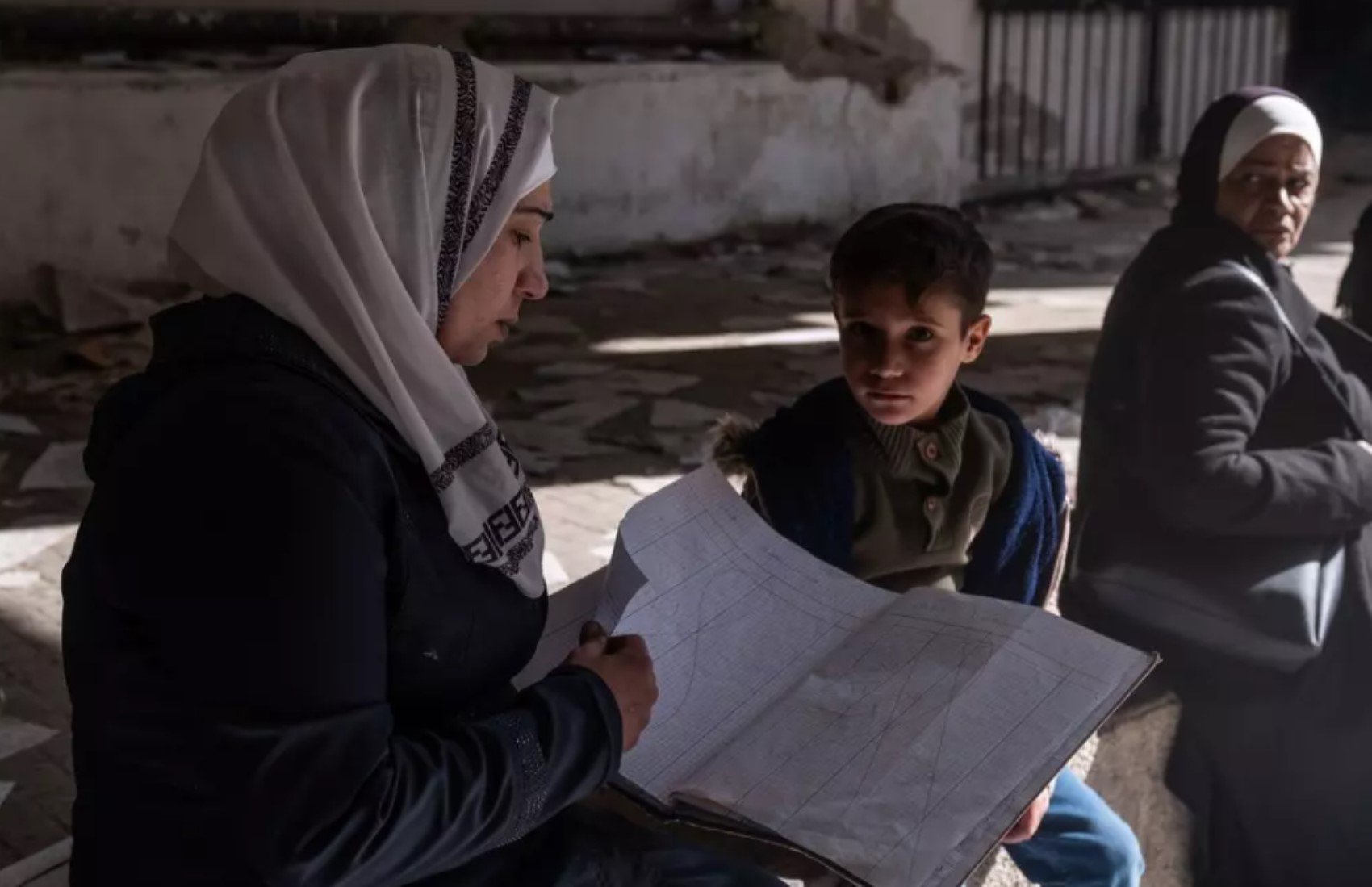
Syrians scanning the floor of Sednaya, the country's most notorious prison, are sifting through prisoner lists and digging up the concrete floor in search of secret cells or graves.
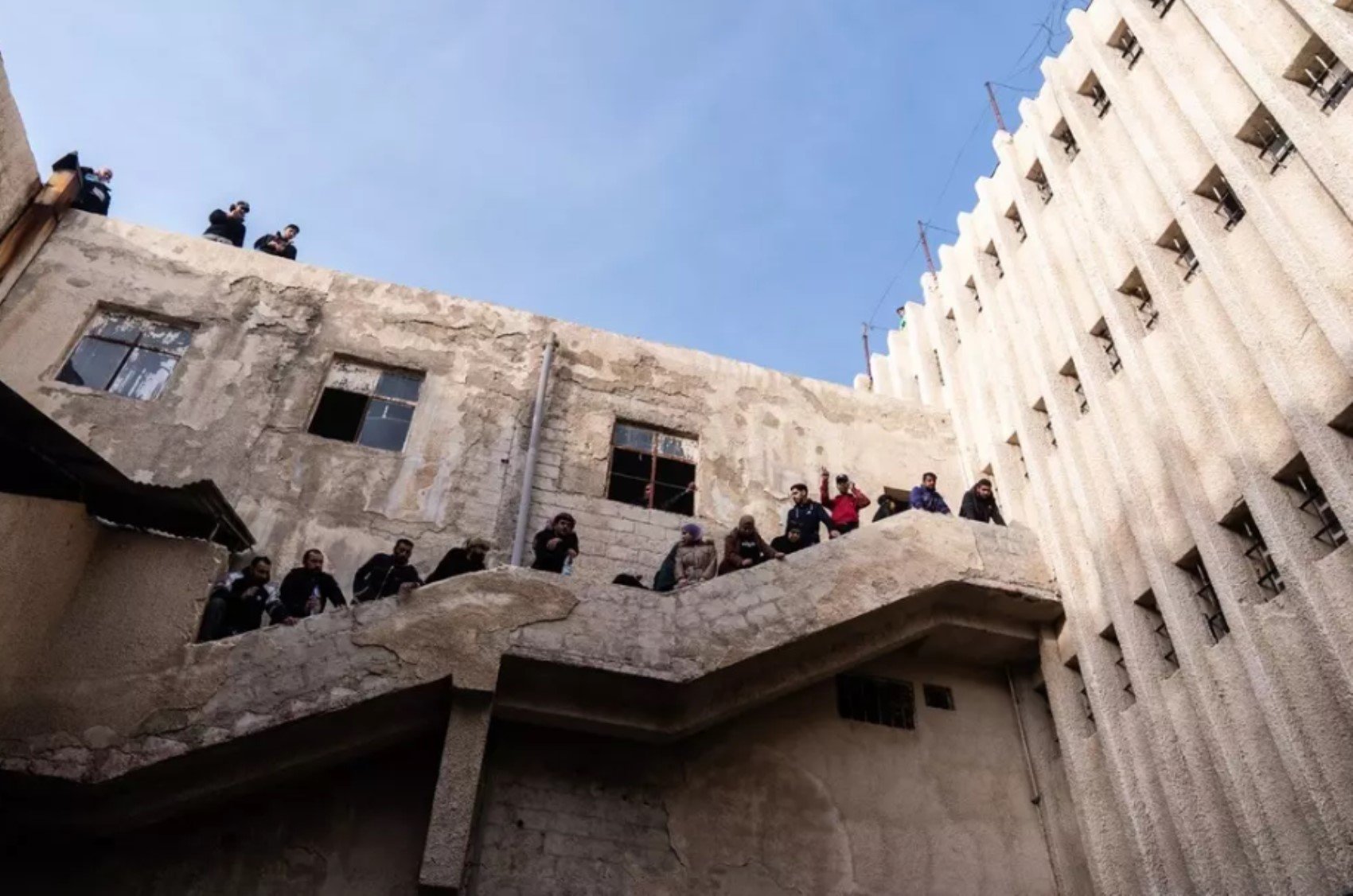
Tens of thousands of people have disappeared into the country's expanding detention network since President Bashar al-Assad's regime moved to suppress the 2011 uprising.
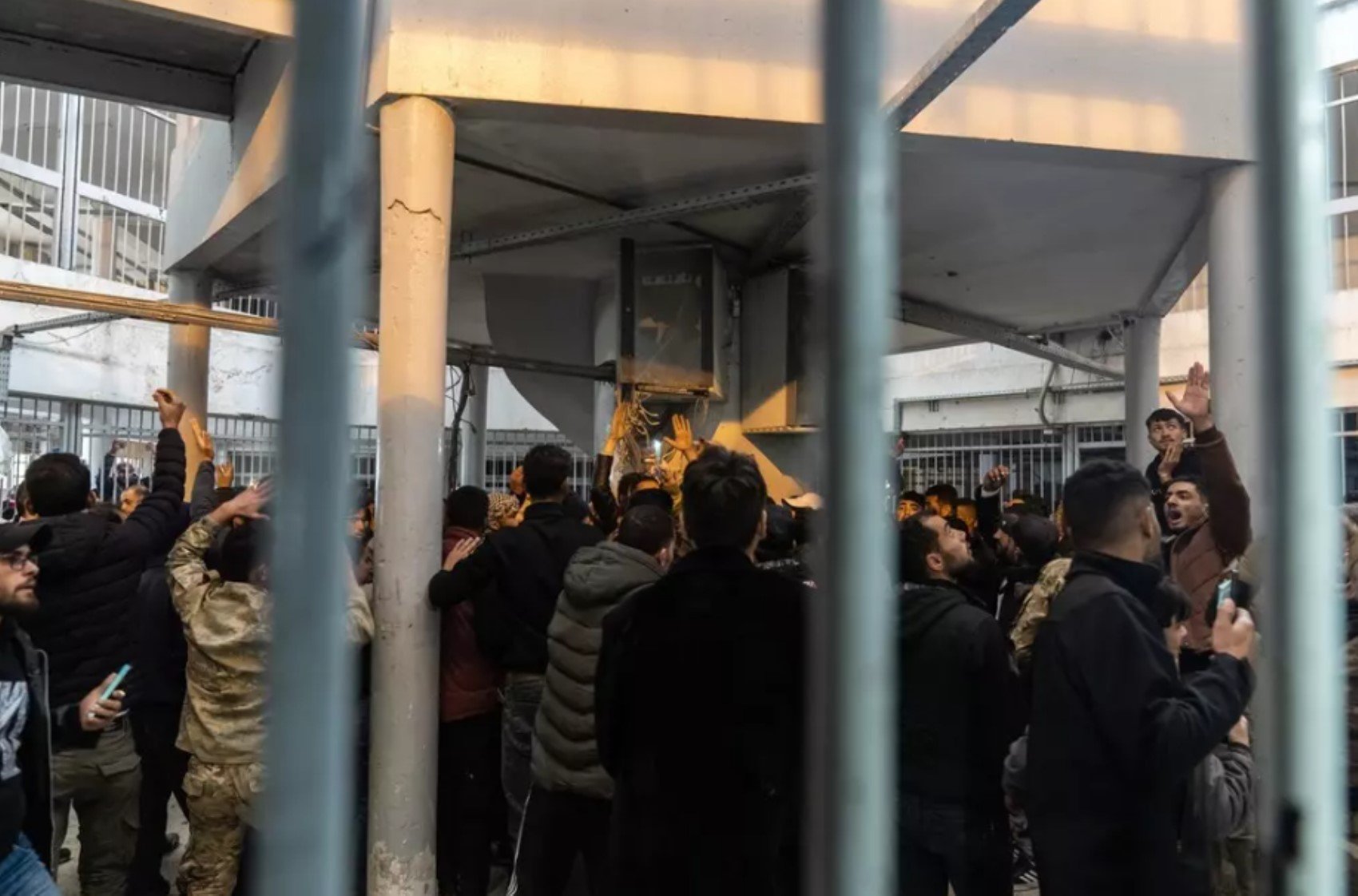
50 PEOPLE EXECUTED EVERY DAY
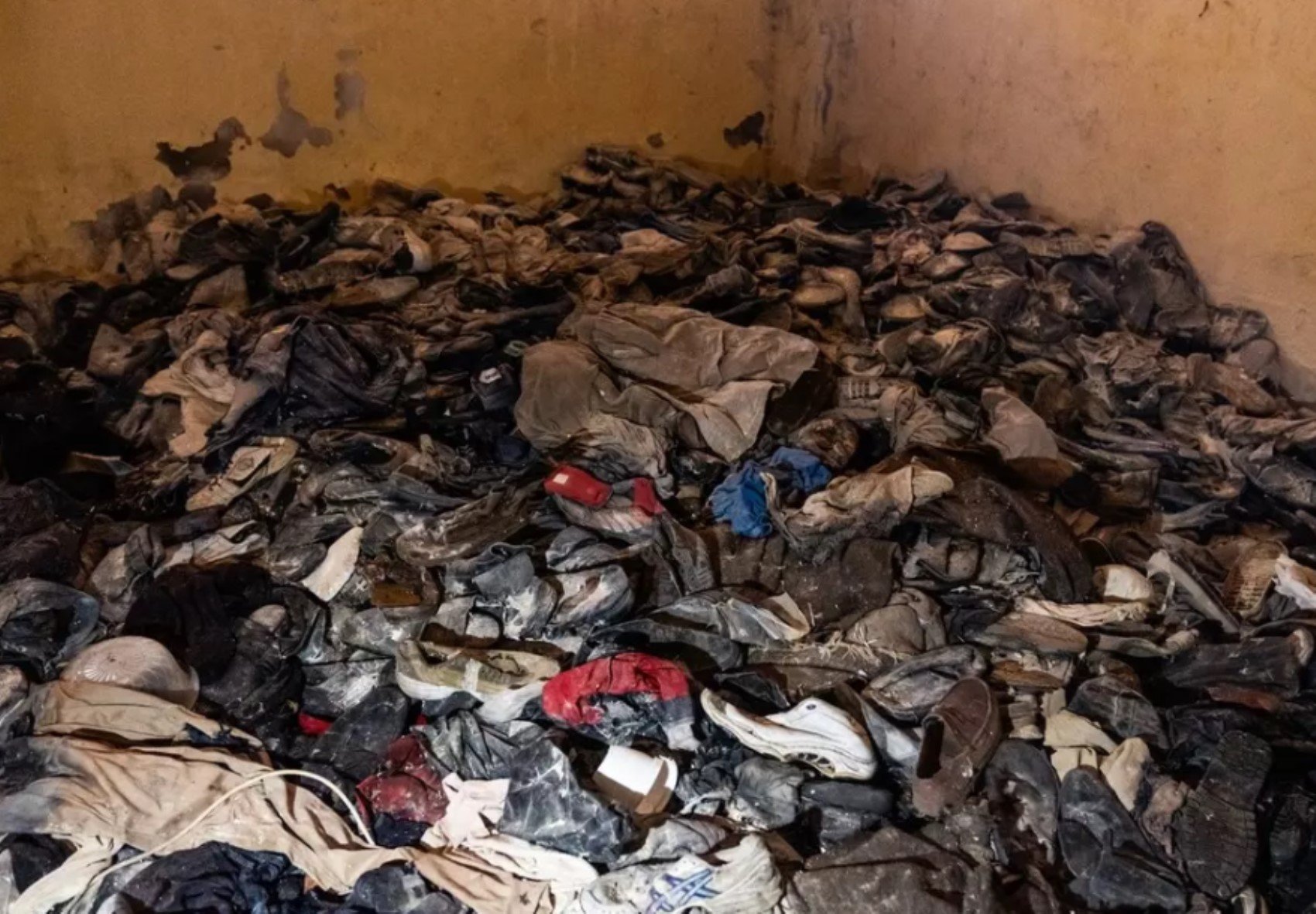
Civilians, rebel soldiers, and rescue teams encountered piles of clothing and red ropes left behind in the cell blocks of the military-run Sednaya Prison.
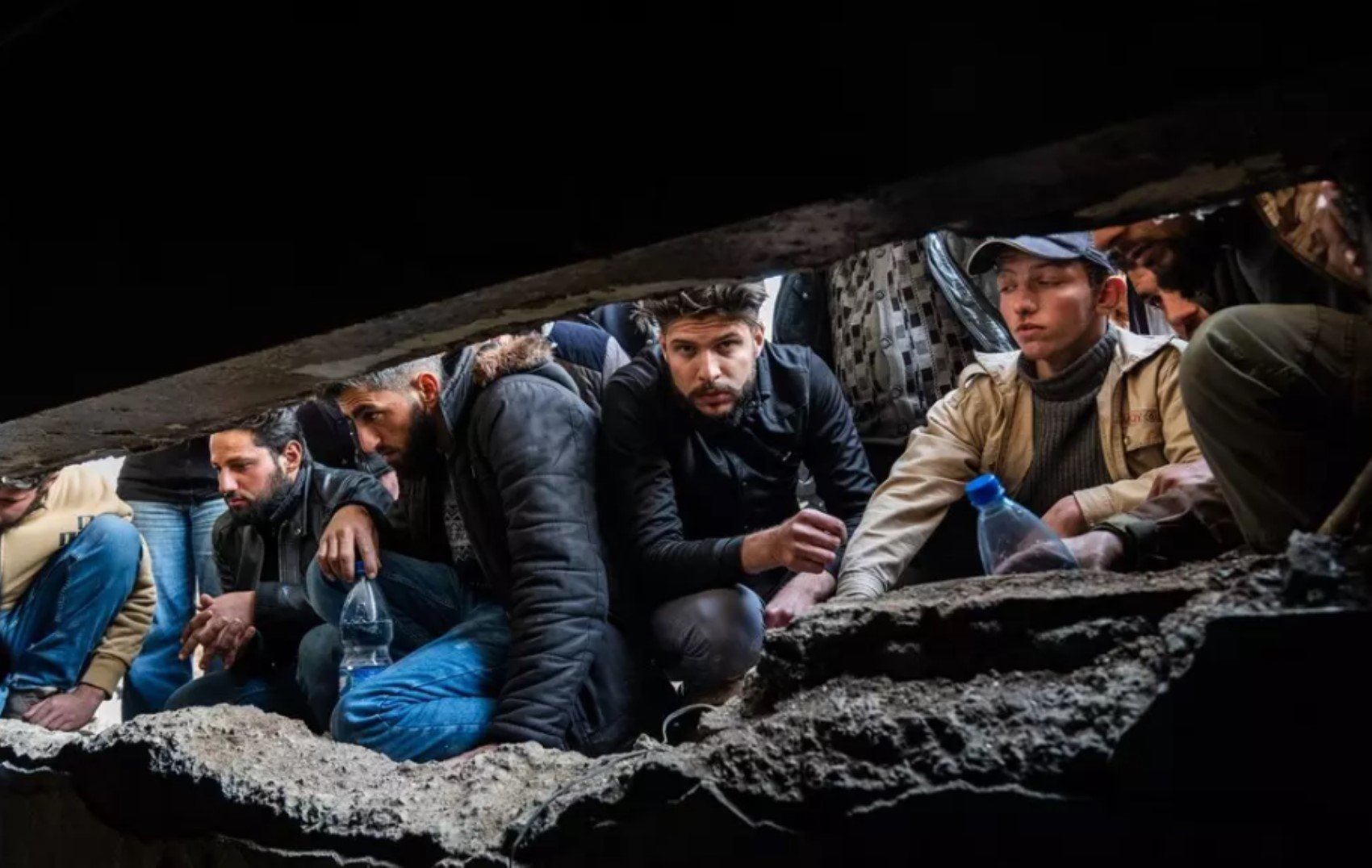
The State Department said in 2017 that as many as 50 people were being hanged in the prison every day.
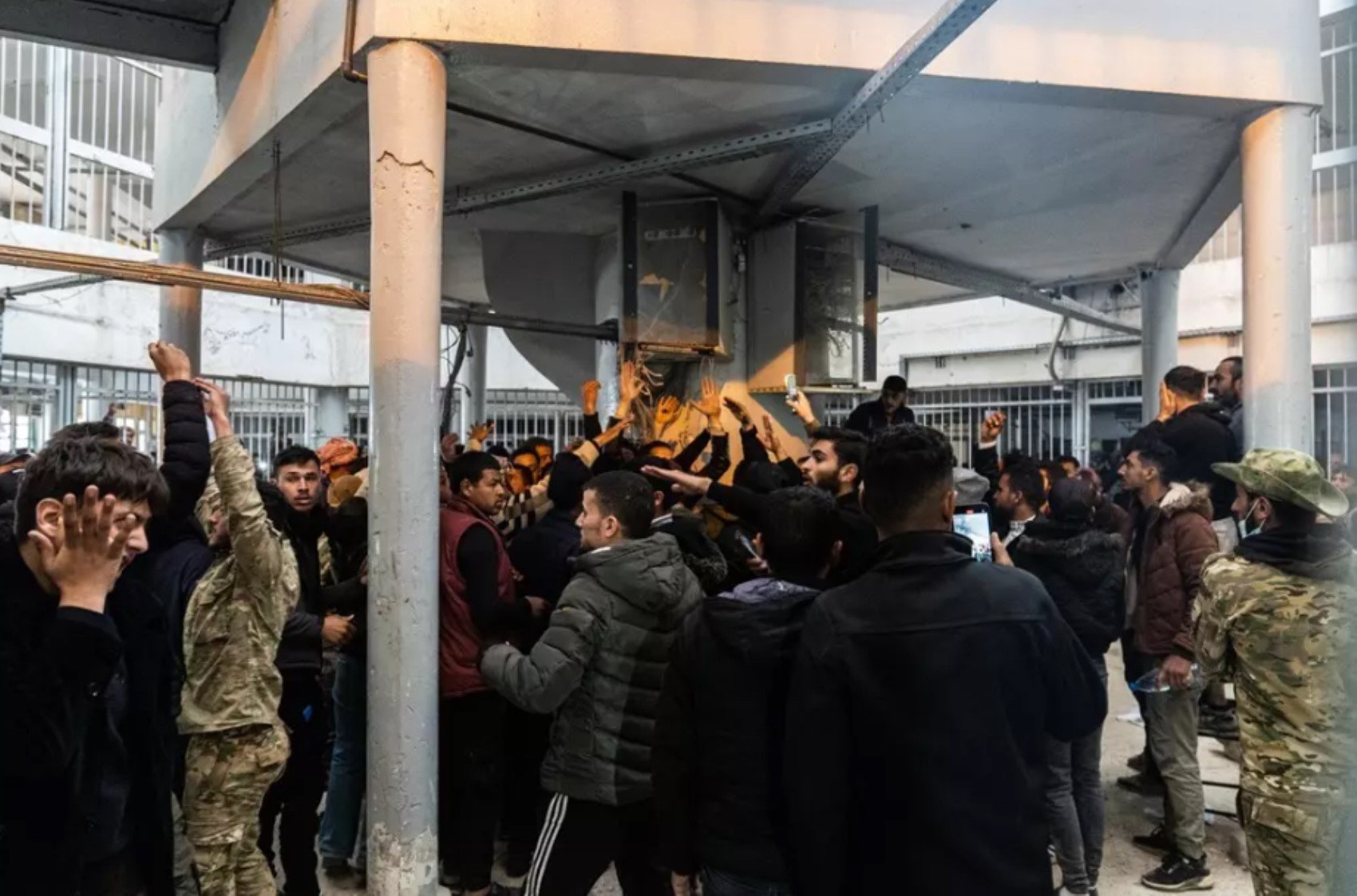
"99 PERCENT ARE DEAD"
The rebels opened Sednaya after Assad fled to Russia, released the detainees, and allowed the public to search for the missing.
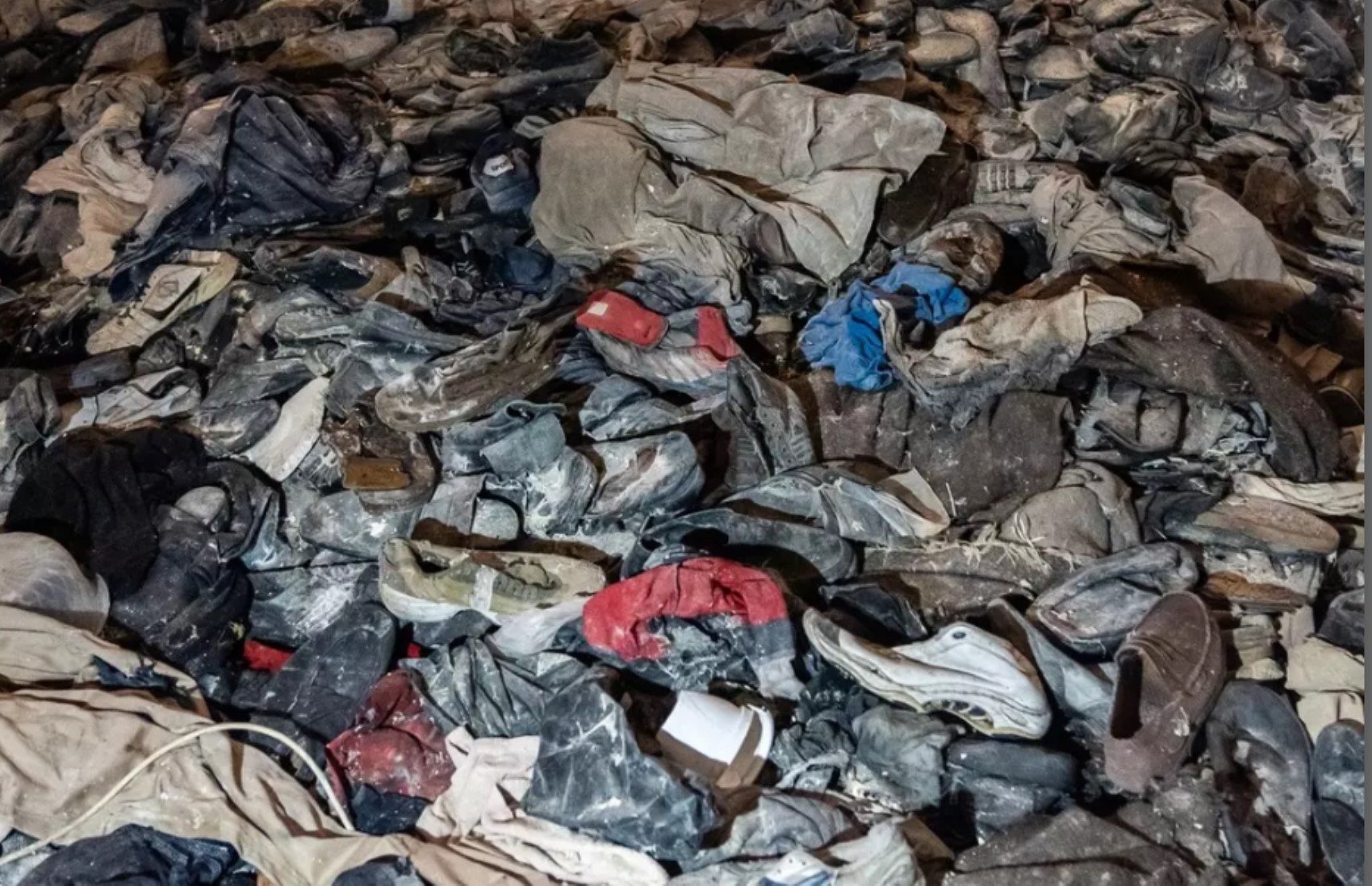
Speaking to the American newspaper The Wall Street Journal, lawyer Ammar al-Bara commented, "99 percent are dead."
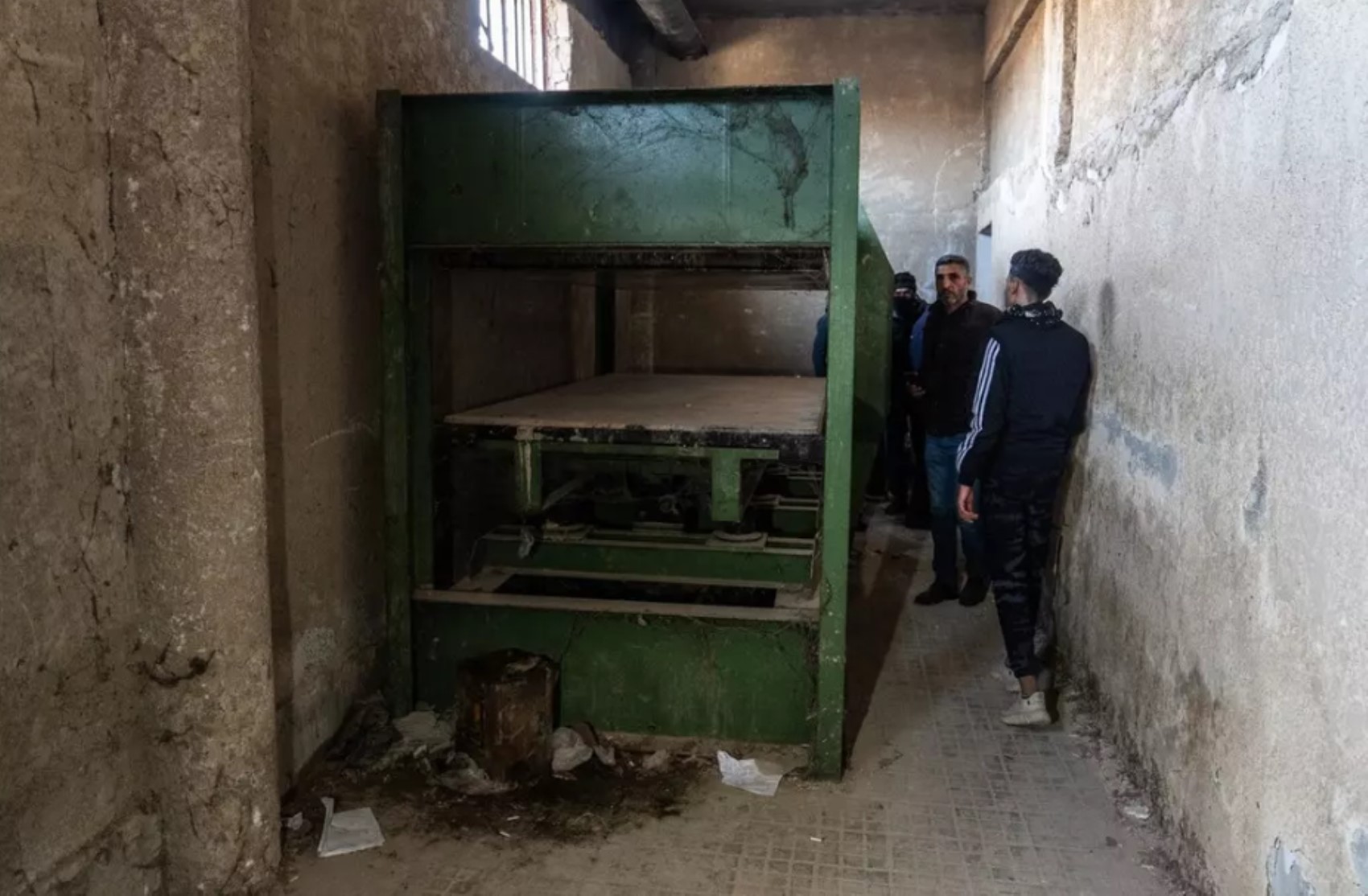
The lawyer, who gained access to prison records, read a list of names:
"Executed, executed, died of illness."
100 THOUSAND SYRIANS DISAPPEARED
It was alleged that the cells where large groups of prisoners were held were filled with discarded clothing and thin mattresses scattered on the floor. The words "One day" were carved into the wall of one cell.
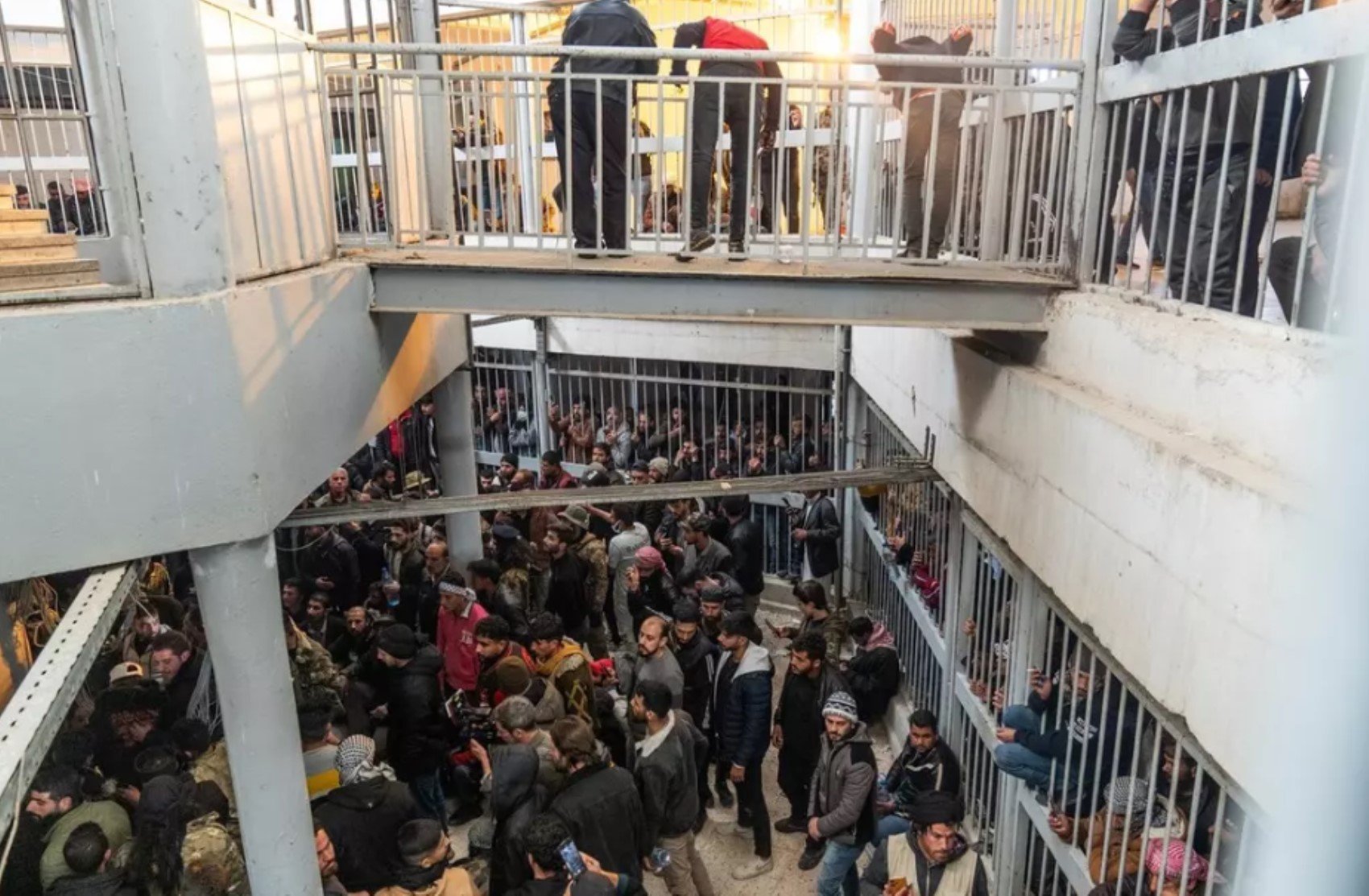
According to Western governments, human rights groups, and survivors of the abuses, the regime expanded torture and mass arrests to an industrial scale after the civil war.
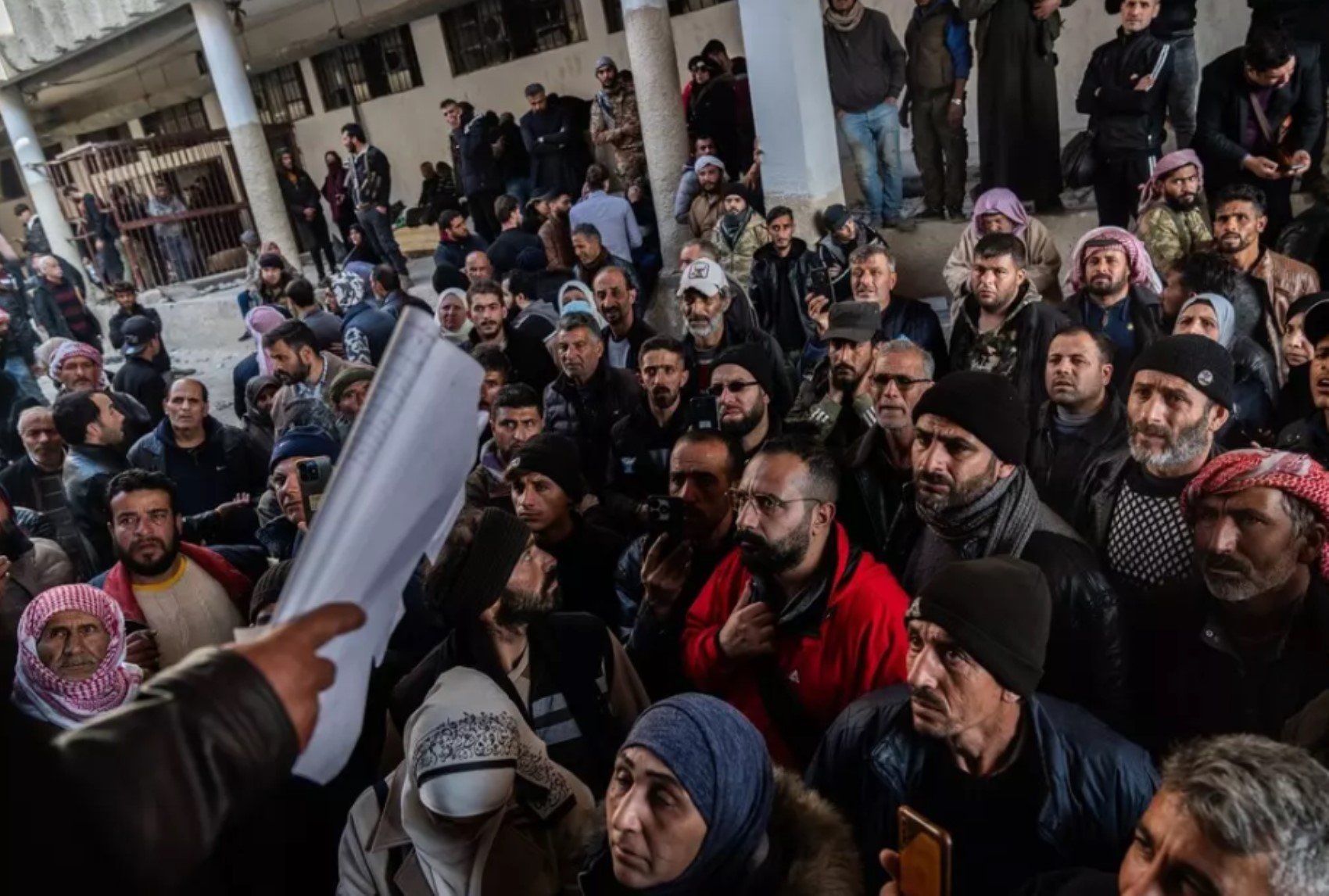
By 2022, approximately 100 thousand Syrians had disappeared.
"SYMBOL OF BRUTALITY"
In addition to the use of chemical weapons and the bombing of opposition-held areas, Assad's prisons became a global symbol of his regime's brutality and the primary reason for his ostracization by many countries.
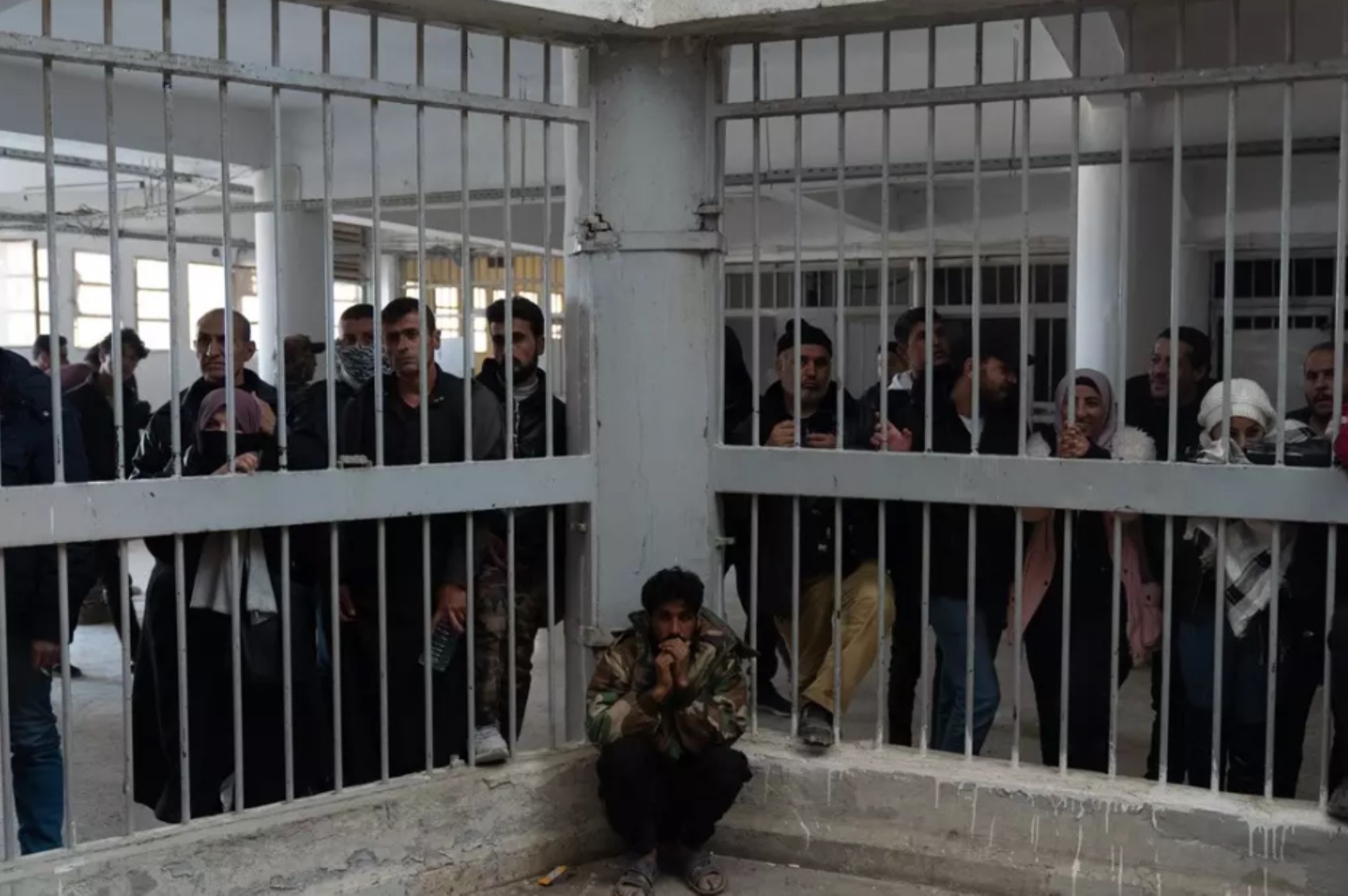
During the civil war in Syria, hundreds of thousands of people died and 12 million people were displaced from their homes.
THEY DOCUMENTED THE DEAD WITH PHOTOGRAPHS
A 2014 report found evidence that the Assad government had executed approximately 11 thousand detainees.
A Syrian military photographer tasked with documenting the bodies of the dead later smuggled out hundreds of thousands of photographs from the prison, which were used as evidence in war crimes prosecutions.
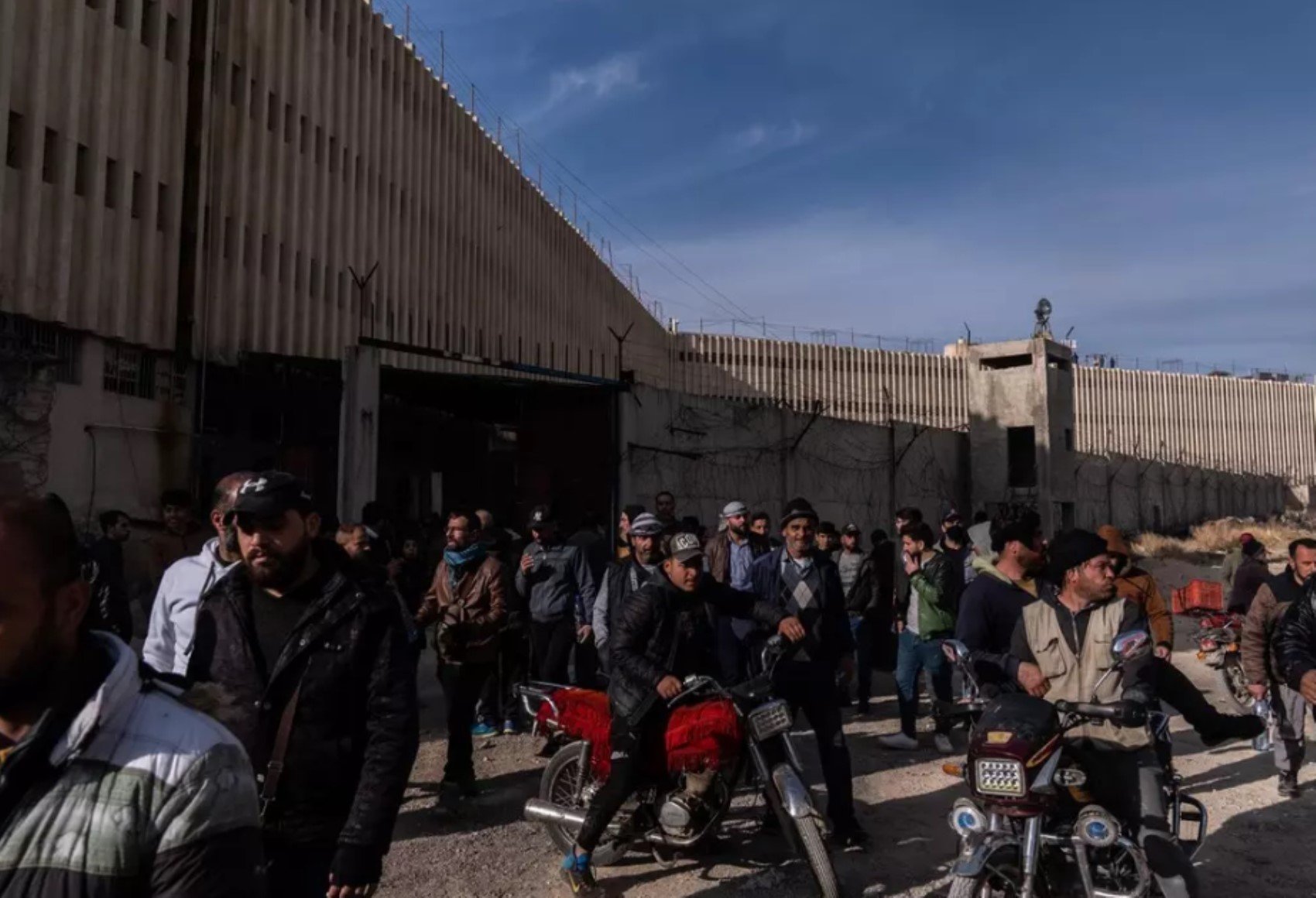
DEAD BODIES REMOVED FROM THE PRISON
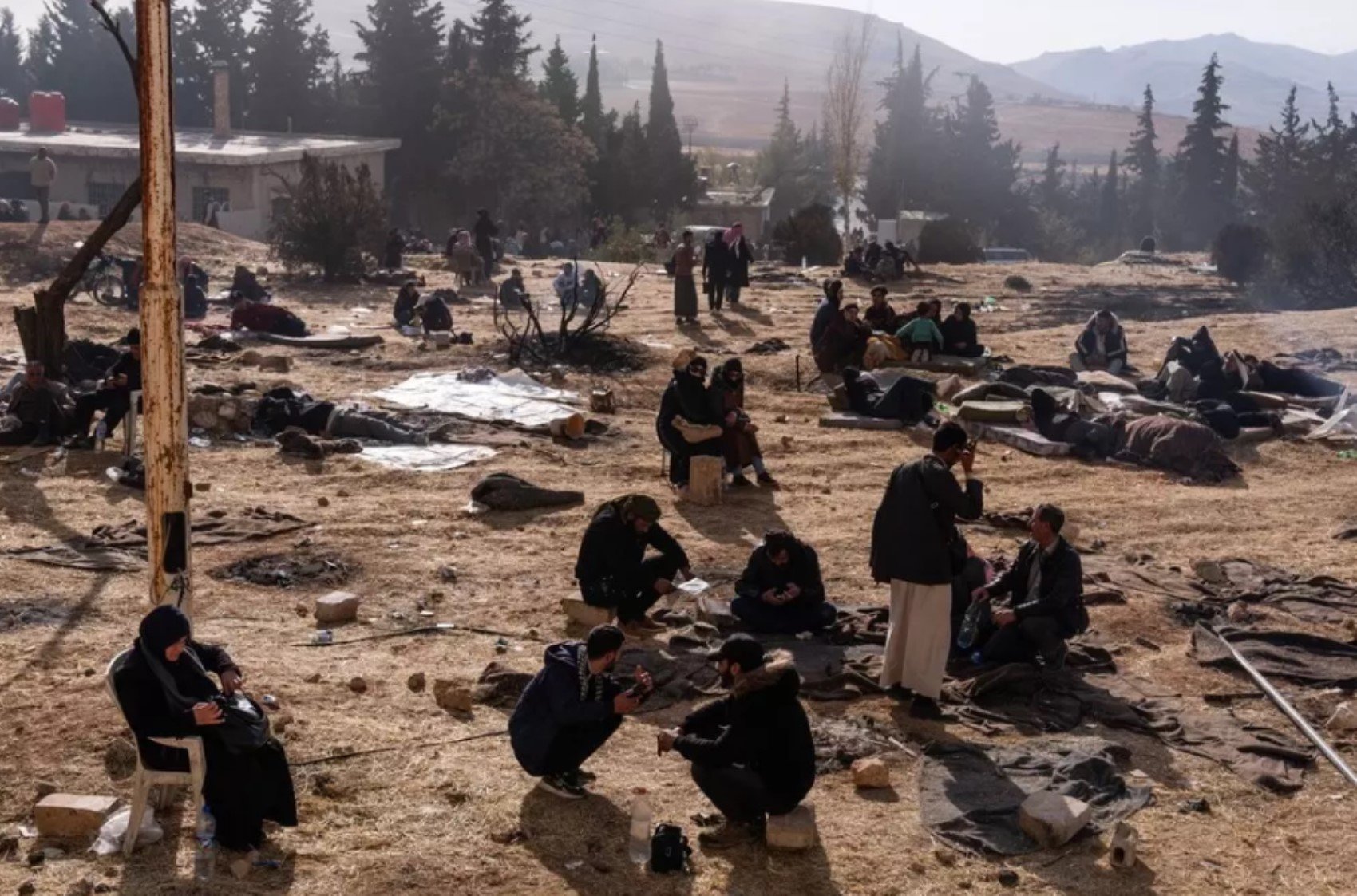
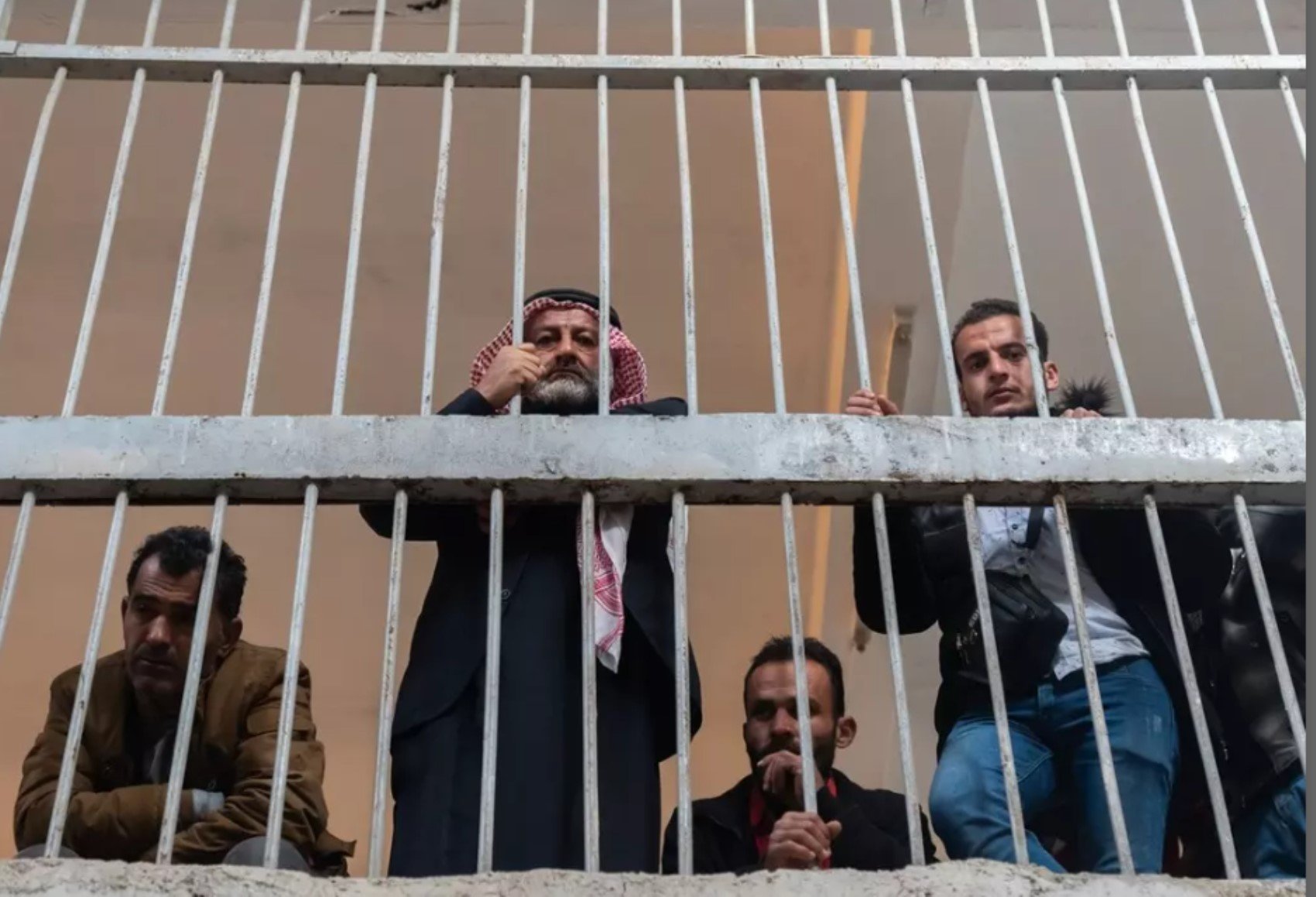
At the Damascus Hospital, a medical facility in the capital, tearful civilians searched for their relatives among dozens of bodies that health workers said had been removed from prisons since the fall of Assad.
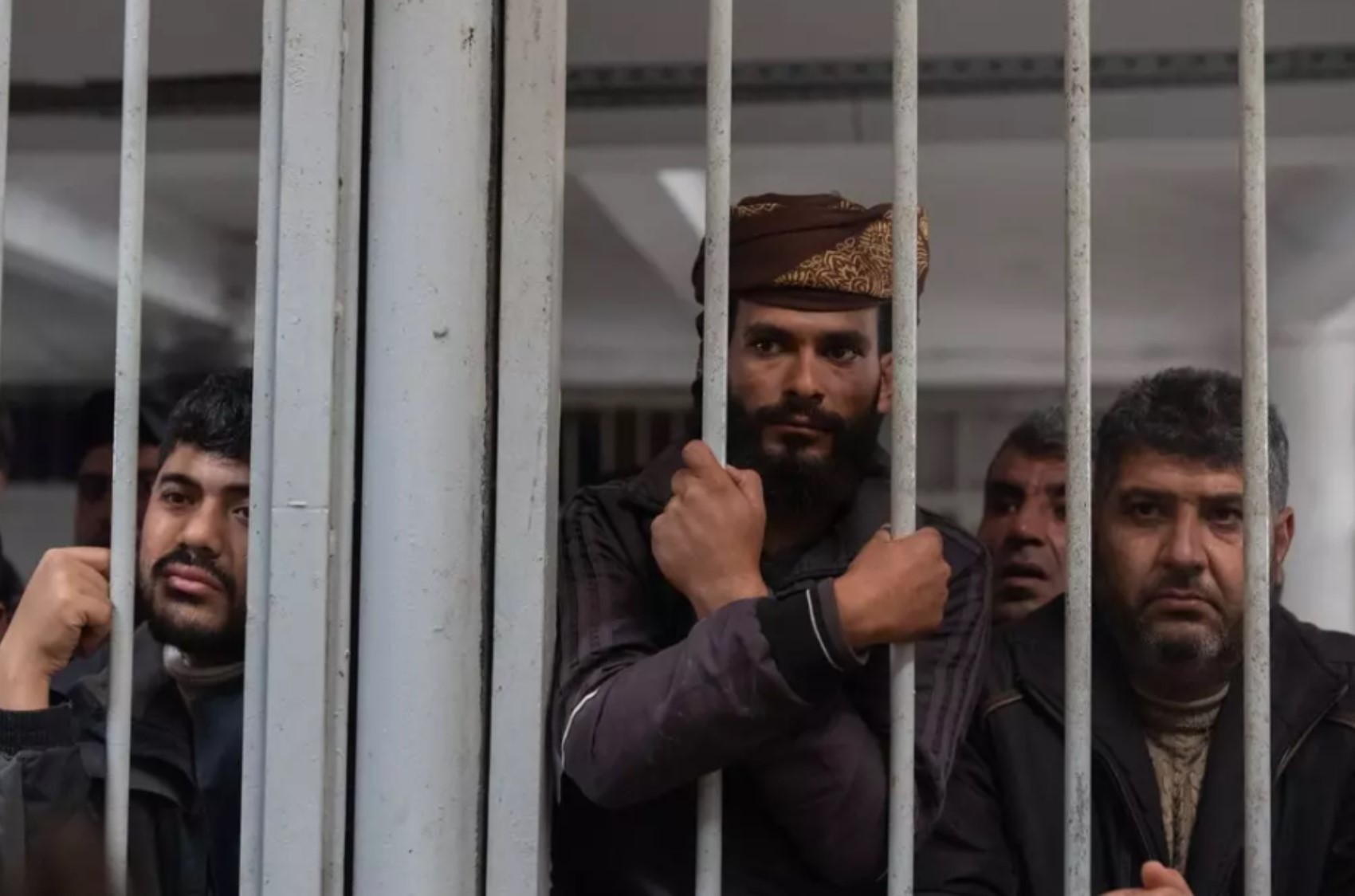
The bodies were found on stretchers, in stainless steel cabinets, and on the floor in the courtyard adjacent to the hospital.
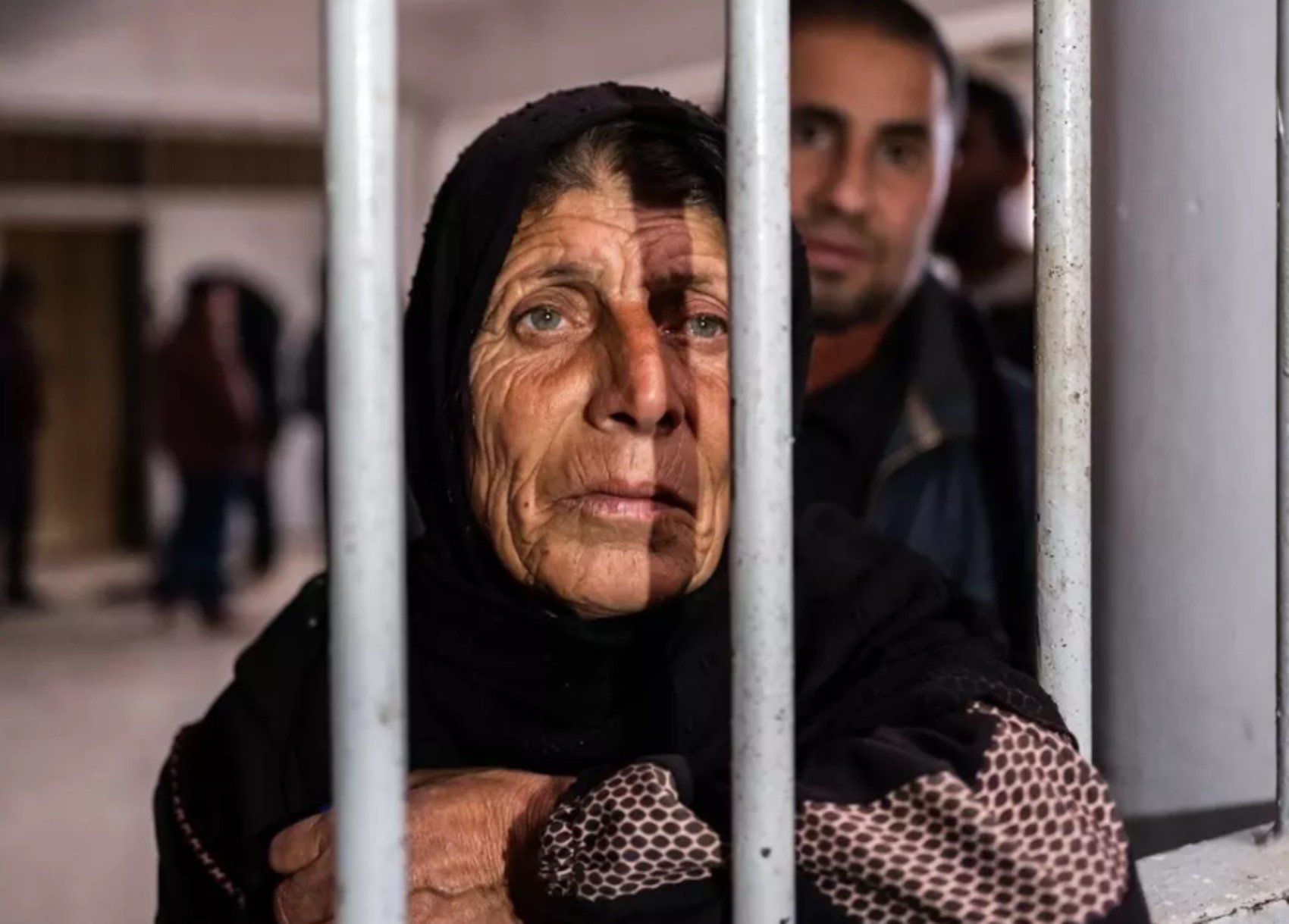
IDENTIFIED BY HER TATTOO
A 50-year-old mother living in Damascus named Amira Humusi identified her son among the bodies said to have been removed from the prisons at the Damascus Hospital in the capital.
It was alleged that Humusi, who said "one second" while health workers were trying to hold back the relatives of the missing, cried out, "That is my son."
The 50-year-old mother reportedly identified 20-year-old ironworker Mohammed Faiz Abu Shaqra by a pair of star tattoos on his chest.
According to the report on NTV, the mother said her son was at a neighbor's house with friends late at night when he was abducted by security forces on October 26.