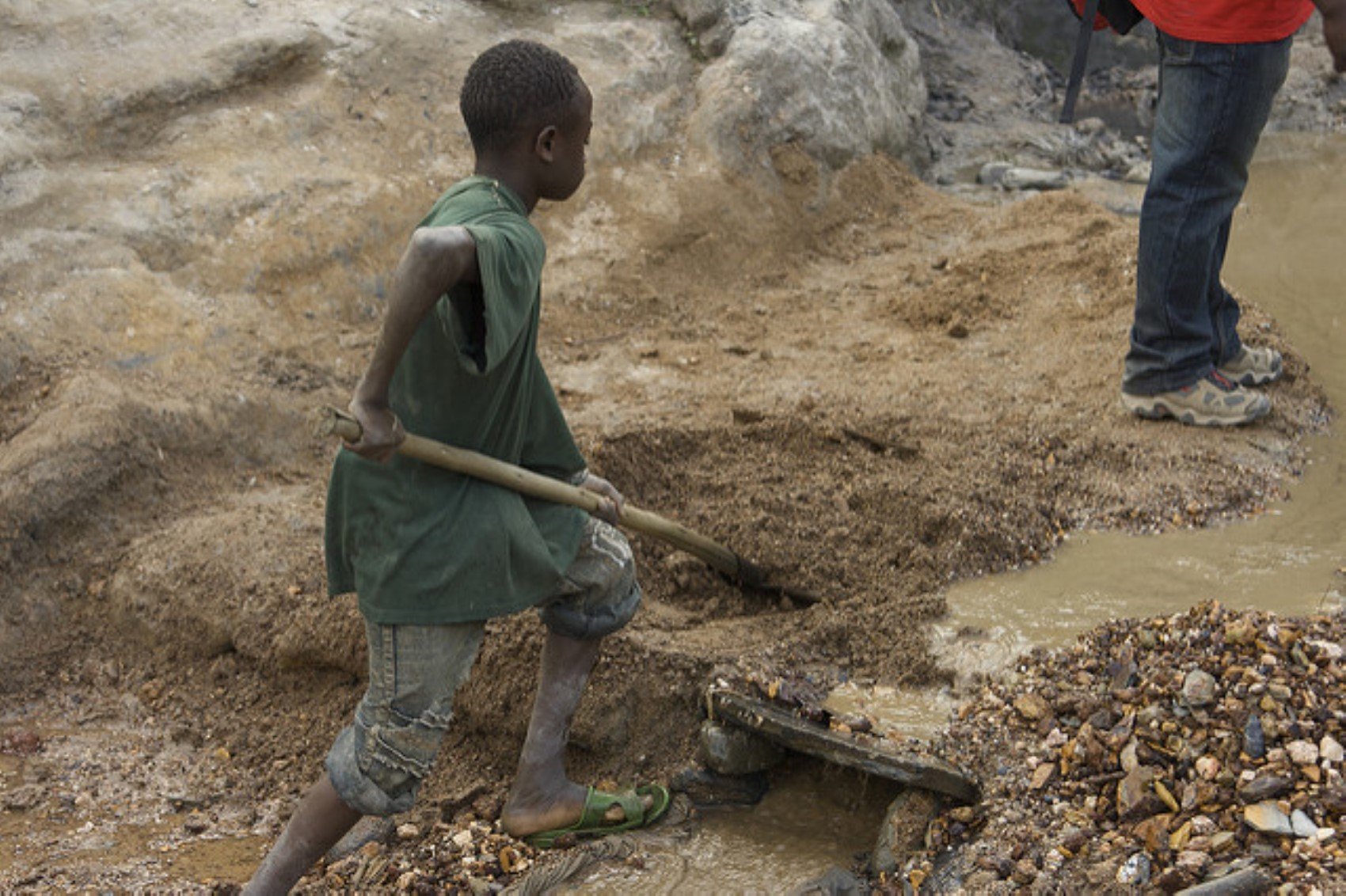
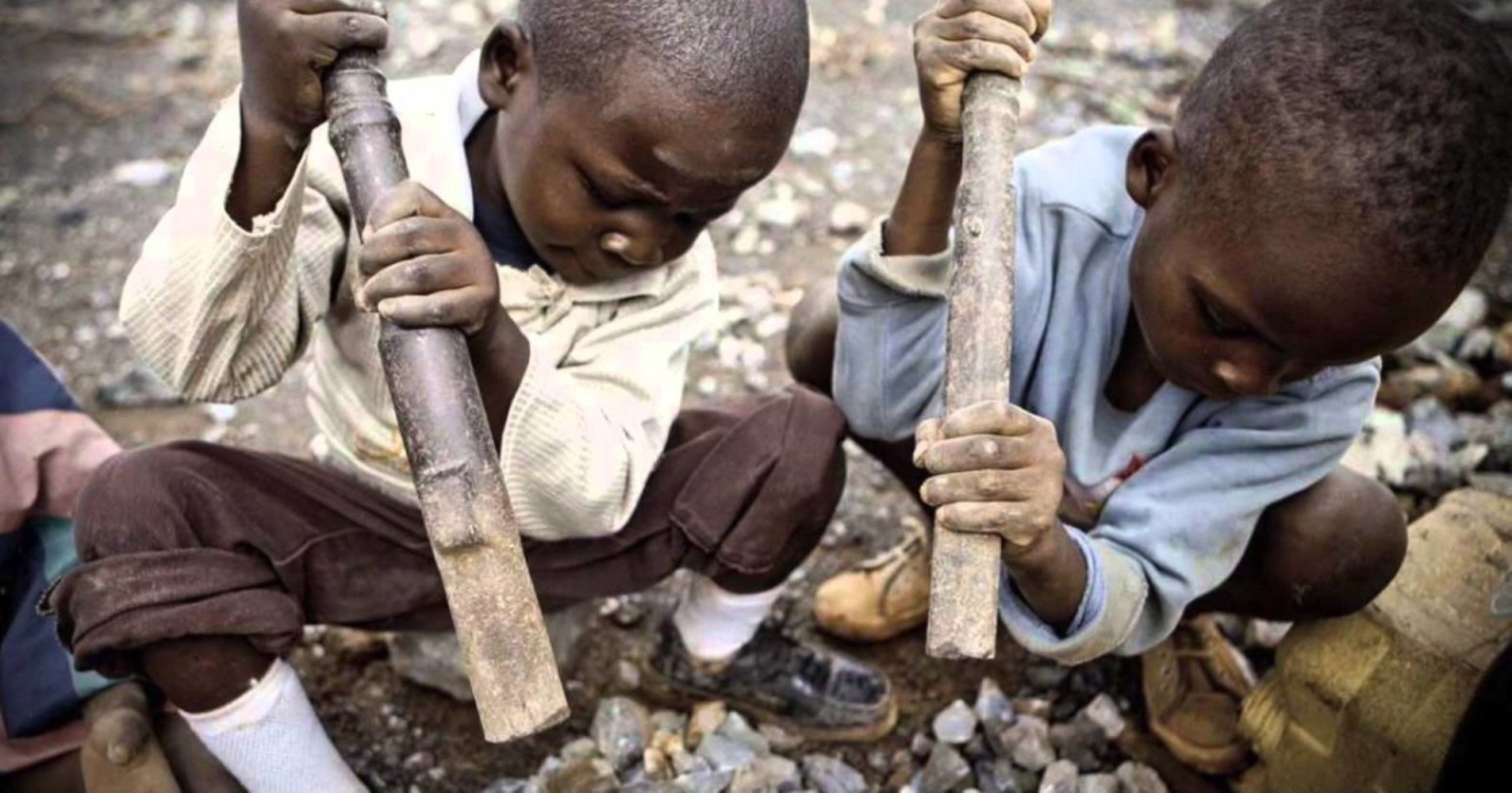
What are the working conditions for Africa's child miners? The cheap laborers of tech giants
Child labor is widespread in many of Africa's mineral-rich countries. In nations like the Congo, which hold 'rare earth' deposits, international mining companies employ child miners at low wages.
12punto
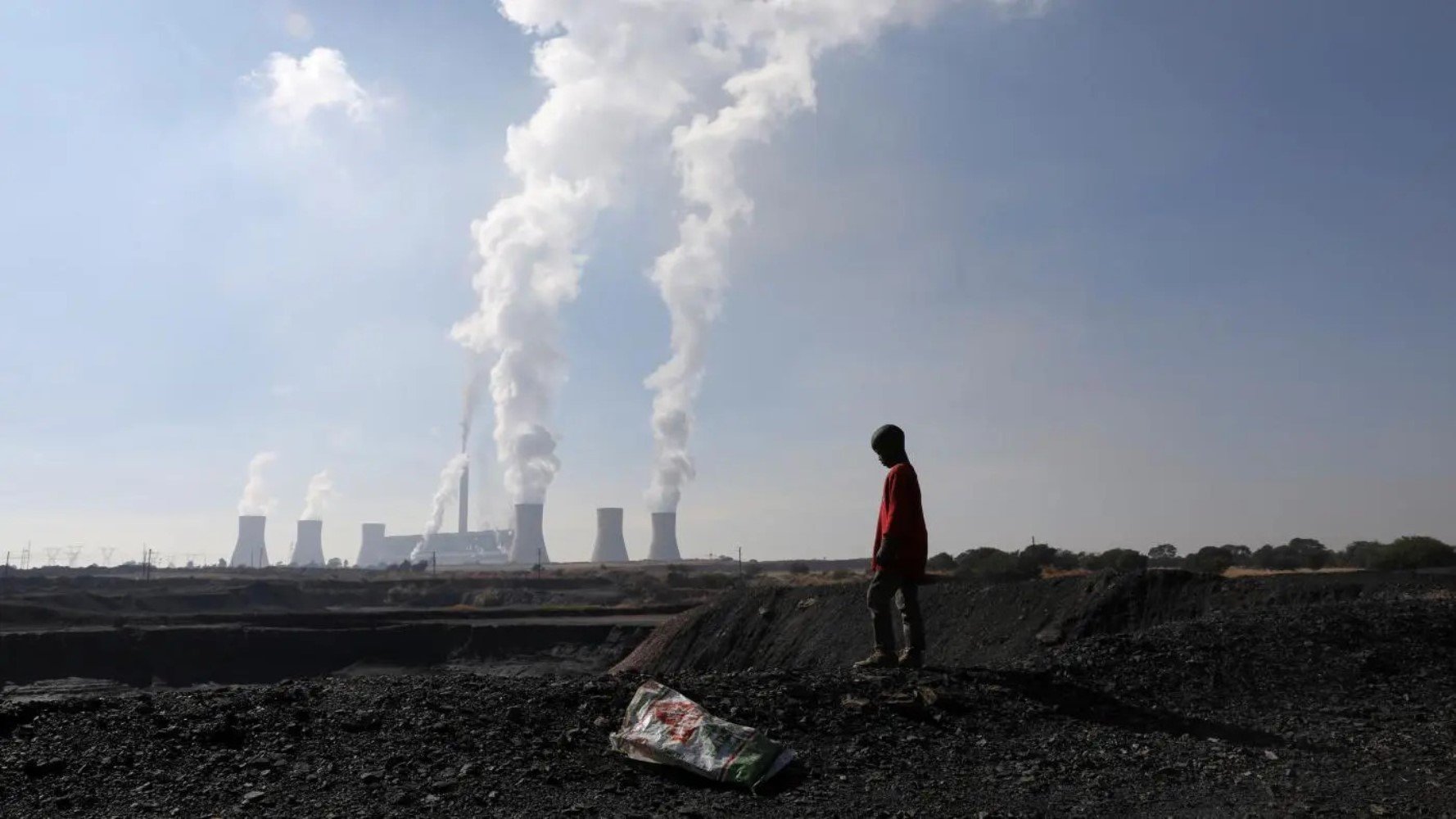
In Africa, most companies conducting mining operations employ child mine workers.
Child miners are preferred across Africa because they work for lower wages.
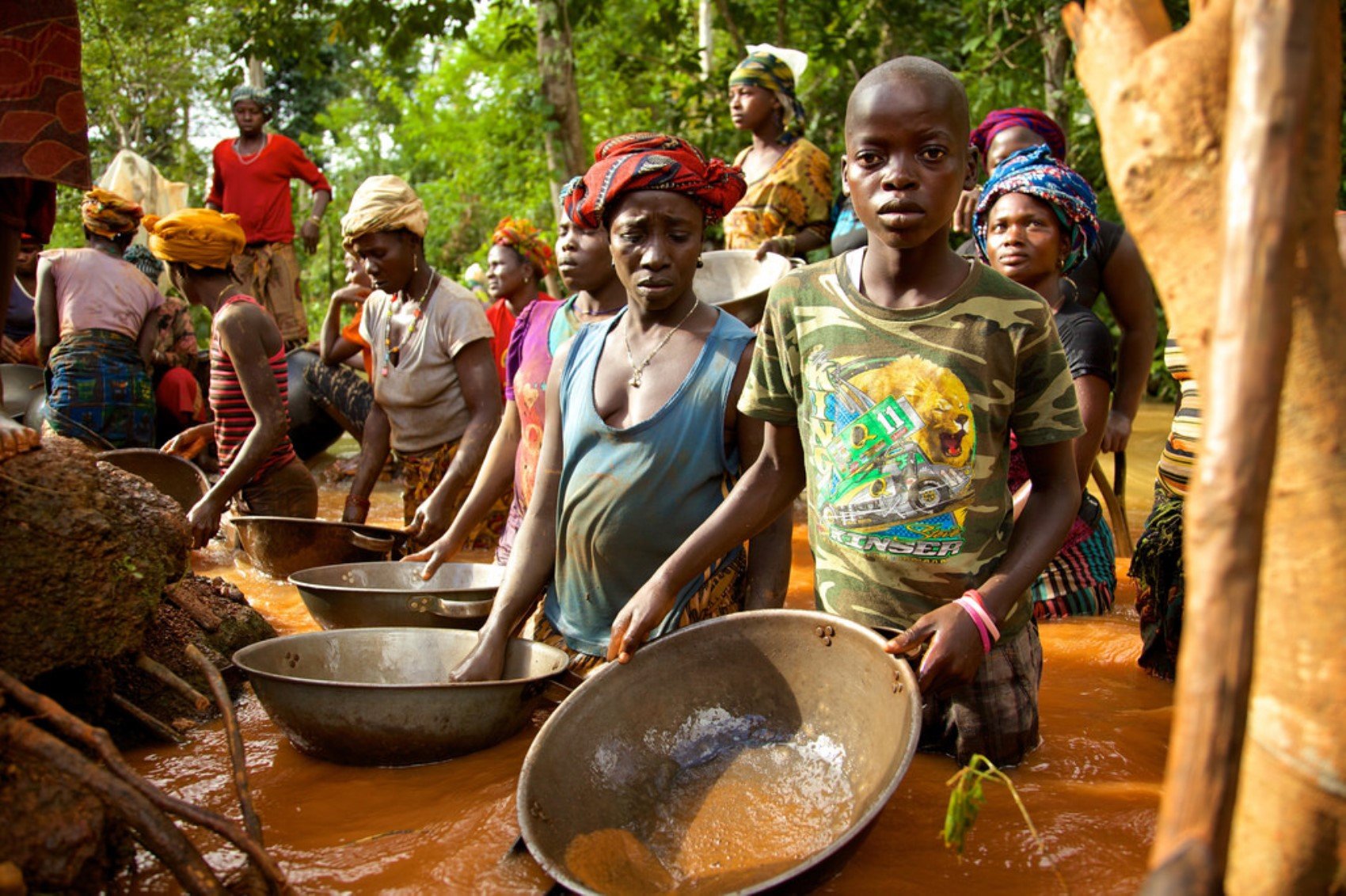
According to the international watchdog Wilson Center, there are between 200 thousand and 400 thousand child miners working across Africa.
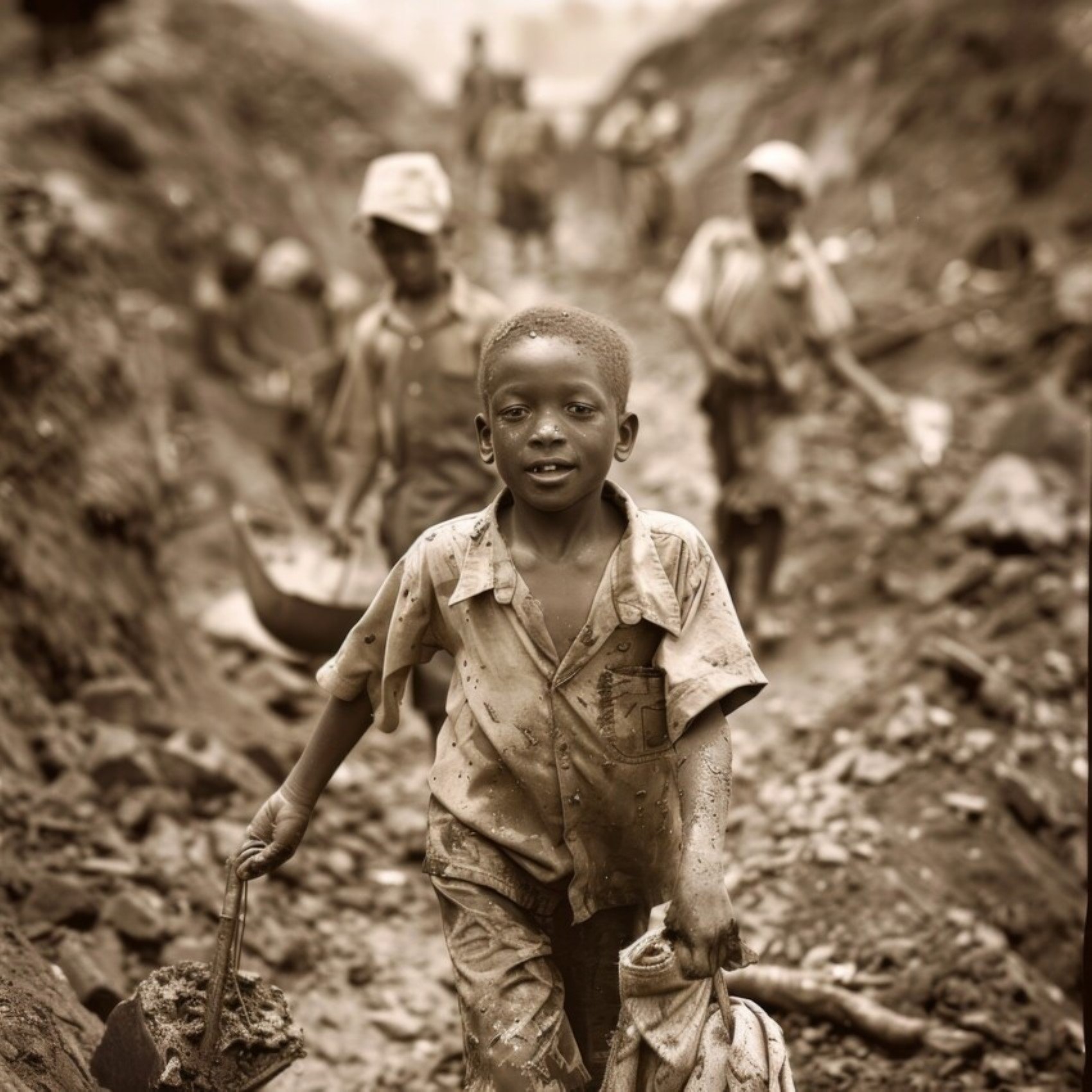
In gold-rich Mali, children are forced to work between 12 and 18 hours a day.
The United Nations (UN) had previously called on the international community to take 'legal' action to prevent child labor in mining.
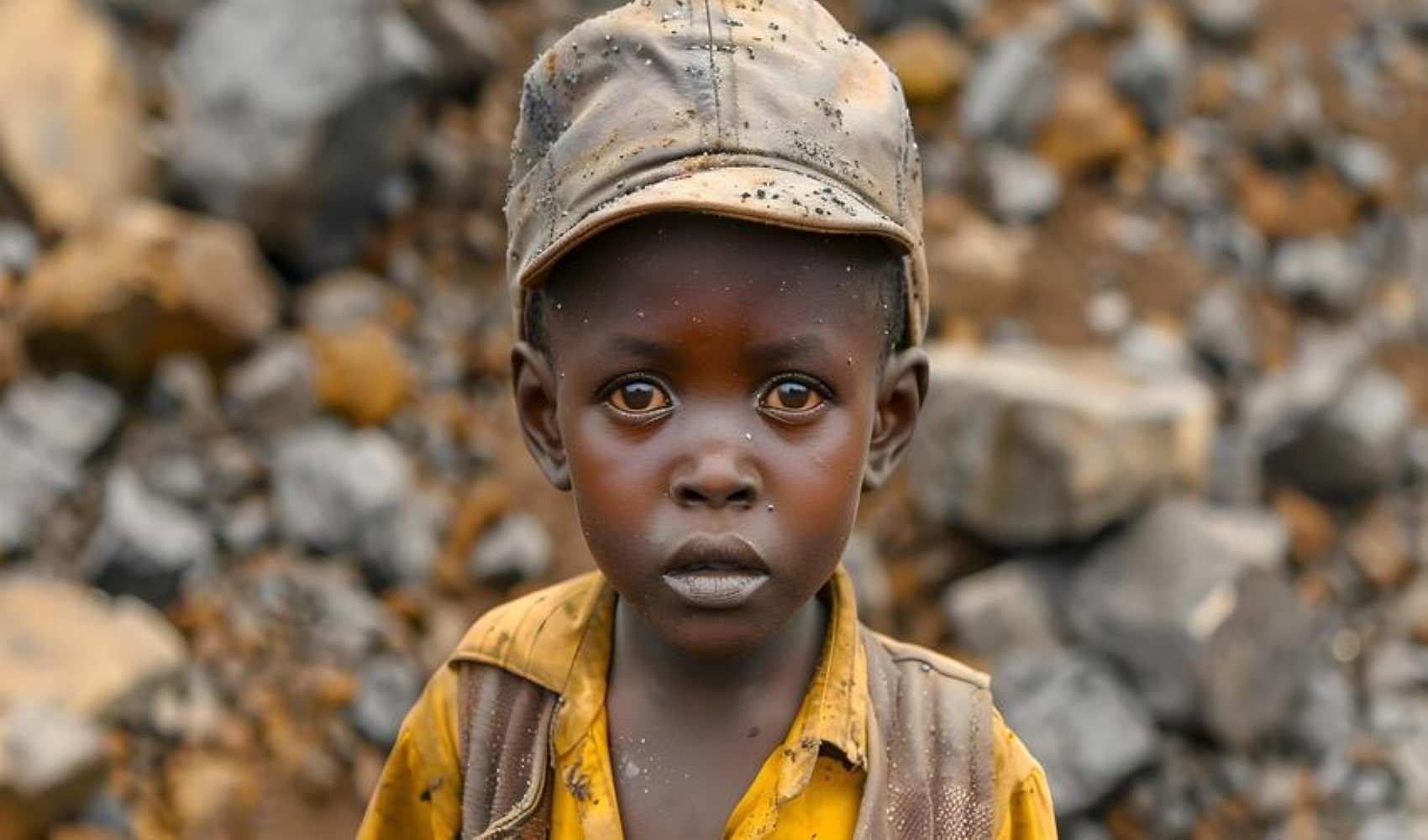
In a case heard in the US last month, tech giants were tried on charges of 'causing child mining'.
In the lawsuit filed by former child miners, Google's parent company Alphabet, Apple, Dell Technologies, Microsoft, and Tesla were accused of employing child labor in their cobalt supply chains.
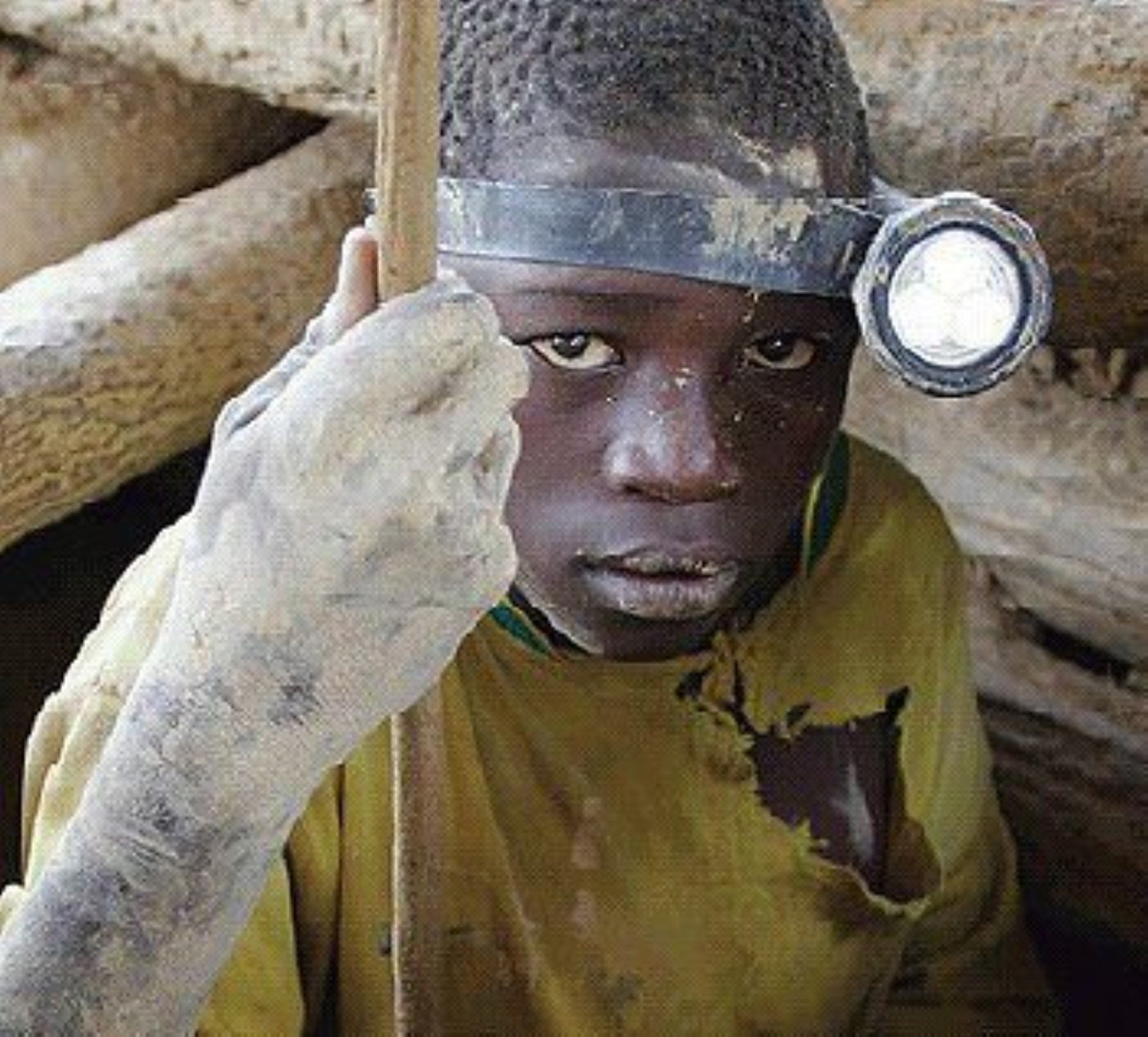
However, the U.S. Court of Appeals for the District of Columbia Circuit ruled in favor of the tech giants, arguing that the companies maintained only a commercial relationship with their suppliers and lacked the authority to stop the use of child labor.
A Wilson Center report had described children mining in Africa as 'cheap laborers for tech giants.'
THE PROBLEM IS MORE WIDESPREAD IN COUNTRIES WHERE MINERALS USED IN PHONE PRODUCTION ARE LOCATED
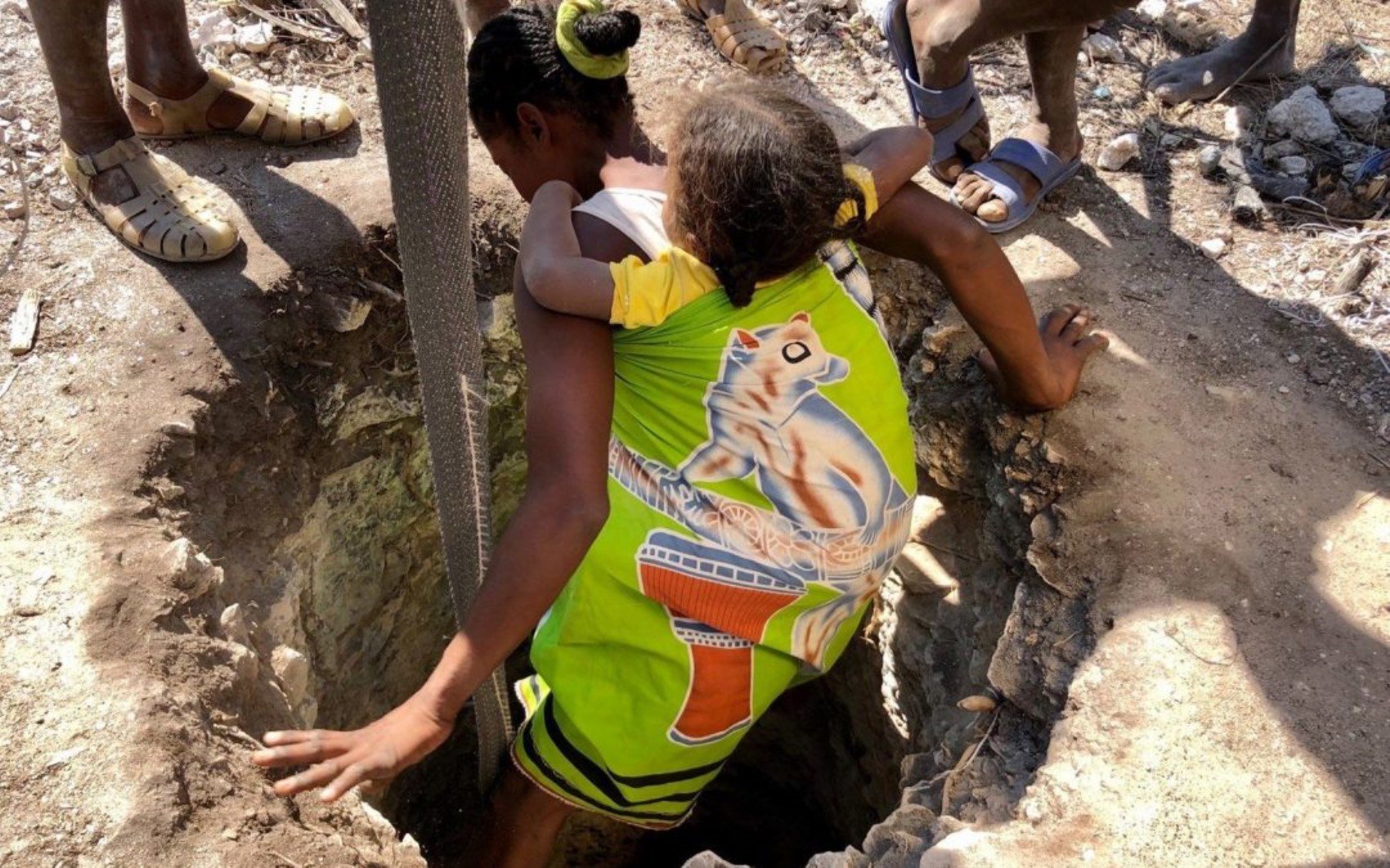
According to the international non-governmental organization Human Rights Watch (HRW), the number of child miners is higher in African countries where materials such as 'cobalt' and 'lithium', used in phone batteries, are extracted compared to others.
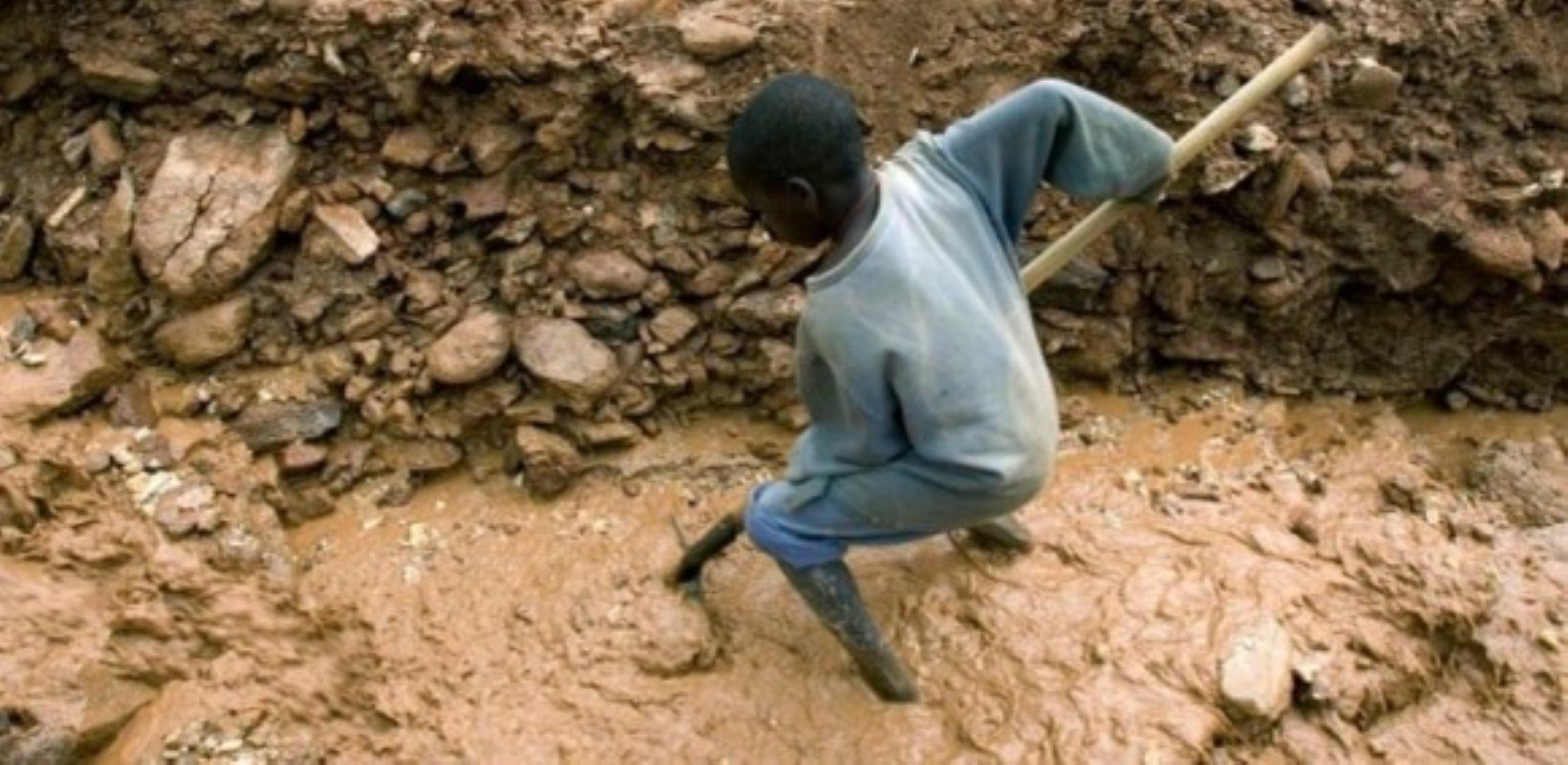
Congo is one of the countries where child labor in mining is most prevalent.
It is estimated that there are around 40 thousand child miners in Congo, which has cobalt mines.
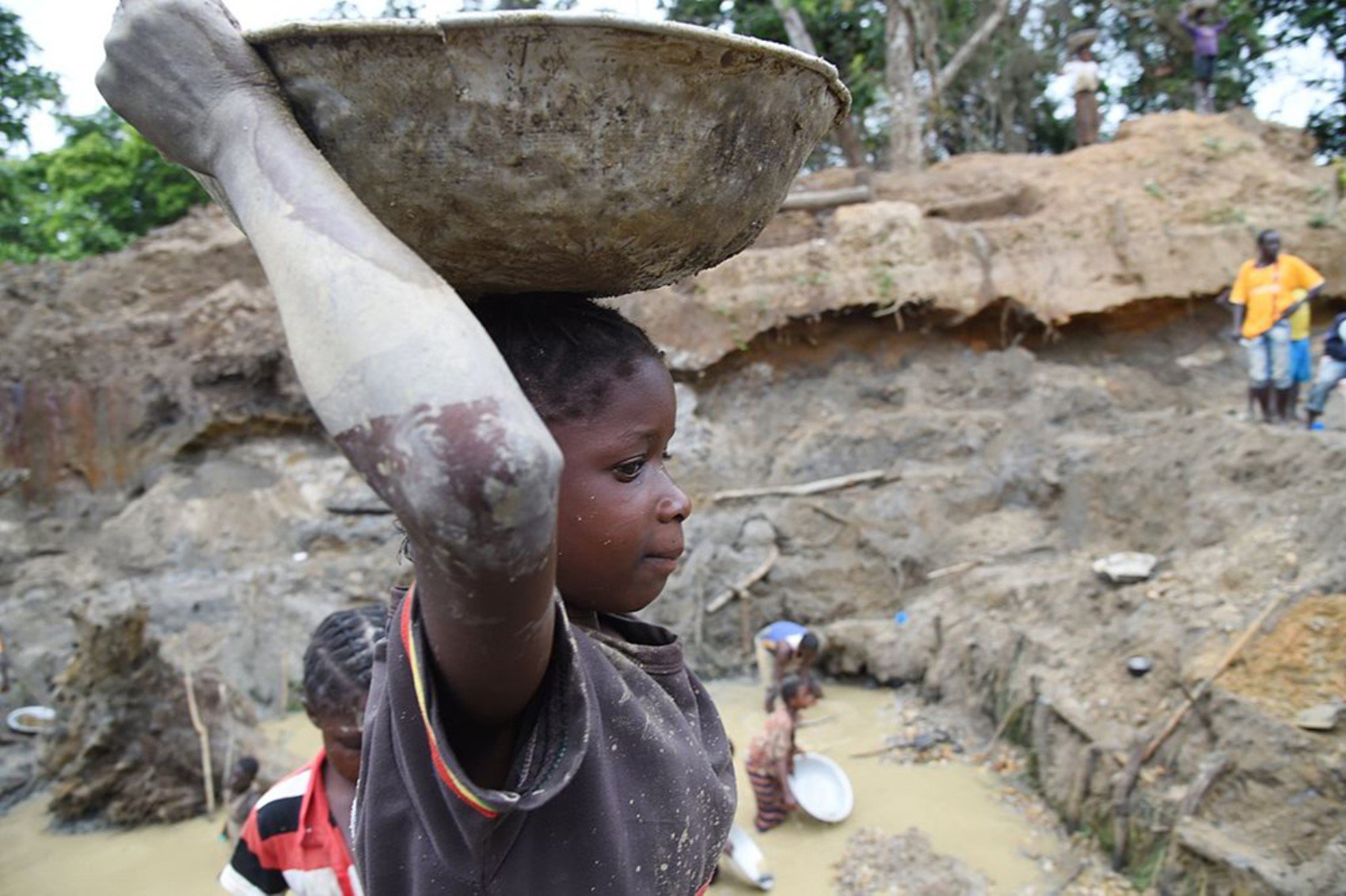
In addition to Congo, there are between 20 thousand and 40 thousand child mine workers in Zimbabwe.
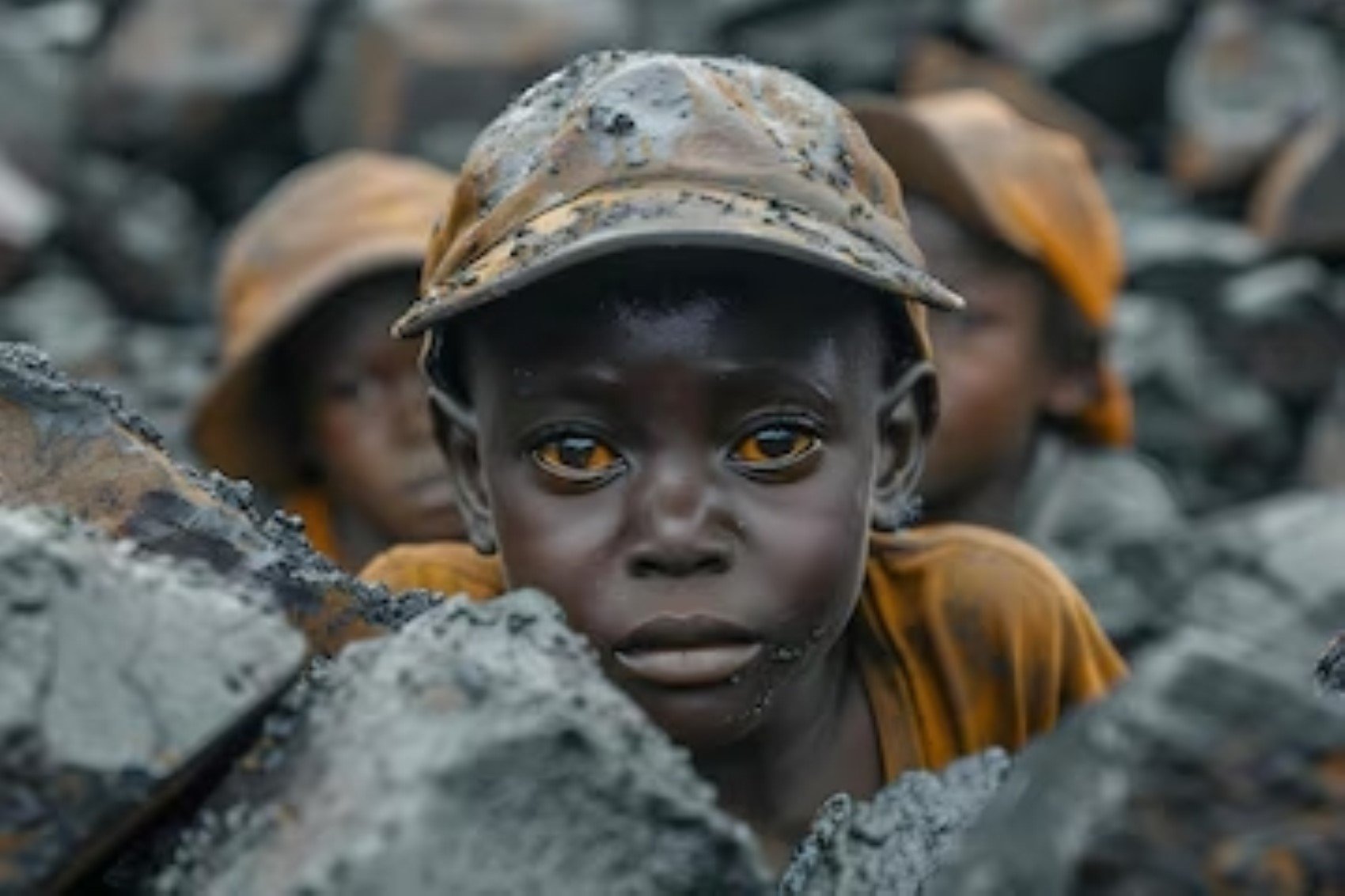
The Zimbabwean government had previously held international mining companies responsible for the issue of 'child miners' in the country.
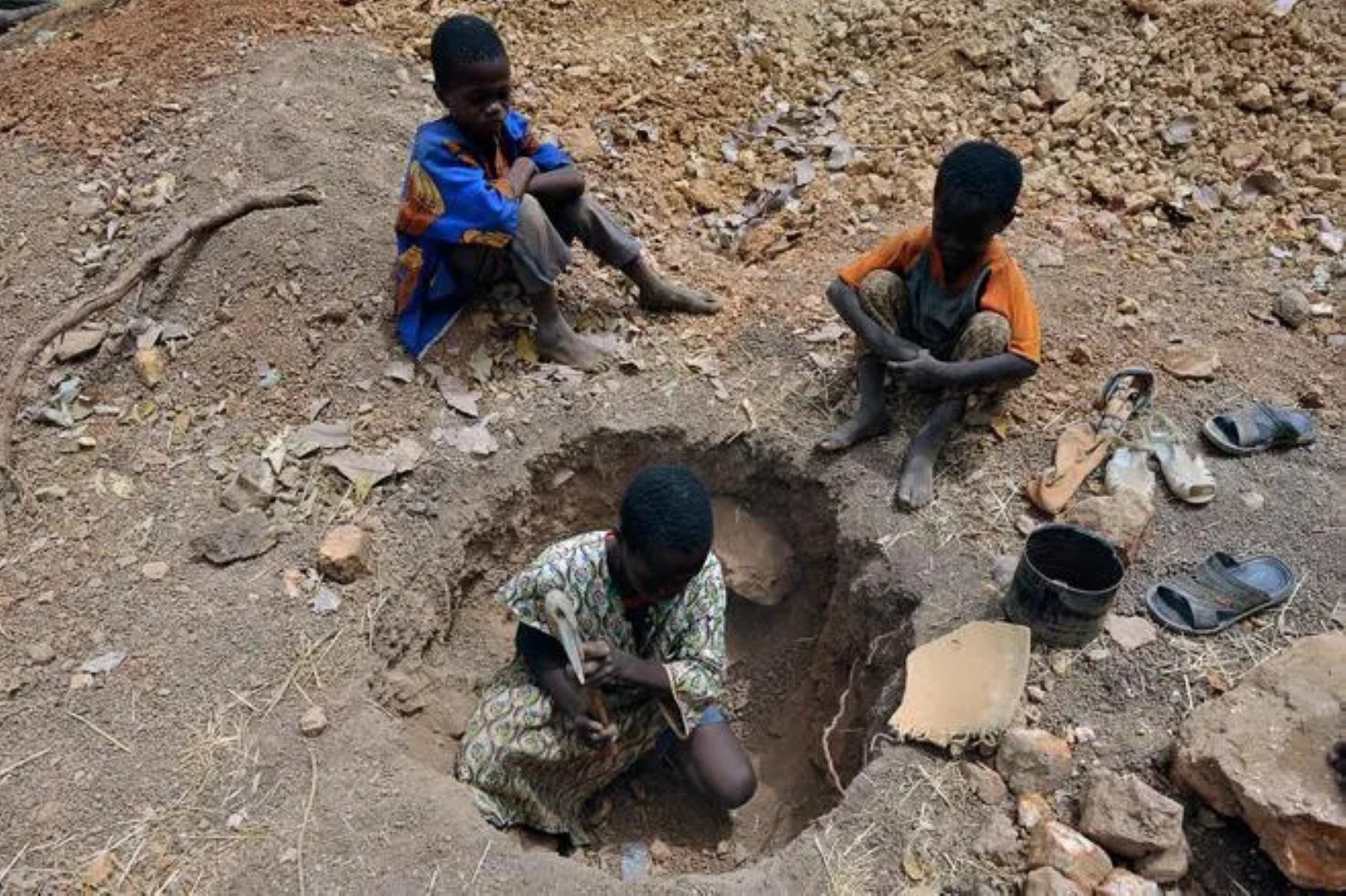
According to HRW, there are more than 25 thousand child laborers in Mali, where gold and cobalt mines are located.
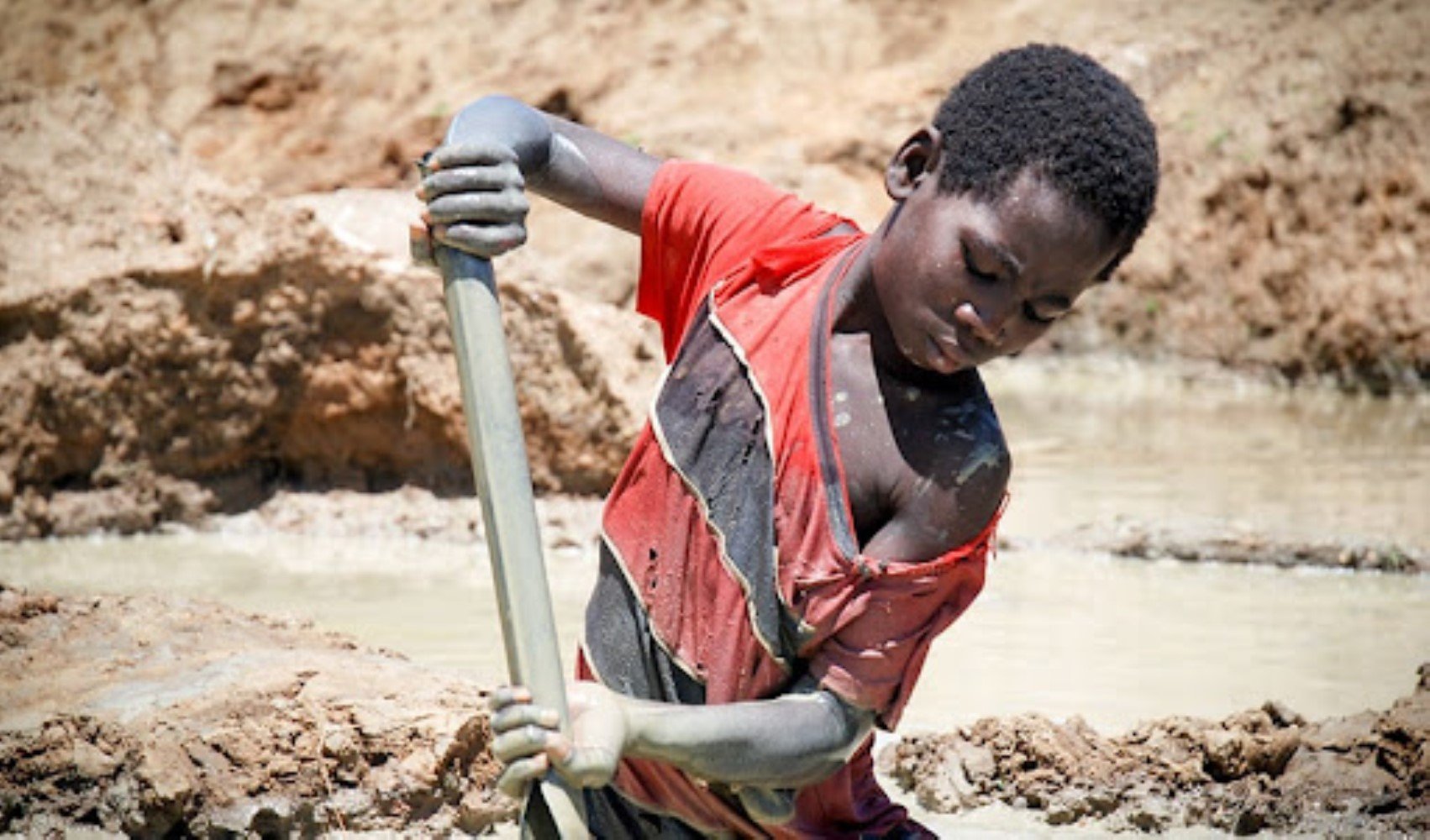
HRW claims that the policies pursued by technology companies are exacerbating the issue of child labor in mining.
In an analysis published at the Wilson Center, findings were shared that support the HRW data.
According to Wilson, companies like Apple trade with firms that lower their costs by employing children, on the grounds that they offer 'cheap' prices.