How will artificial intelligence change the business world? Which professions will disappear?
Donald Trump, who was elected president in the US, has promised a 500 billion dollar investment in the artificial intelligence industry. Meanwhile, the Chinese company Deepseek introduced R1, an artificial intelligence model equivalent to GPT o1, known as the most advanced AI model, for 5 and a half million dollars. With these developments, the artificial intelligence industry is preparing to enter a period of rapid development in the coming years. It is predicted that with the development of artificial intelligence, radical changes will also occur in the job market.
12punto
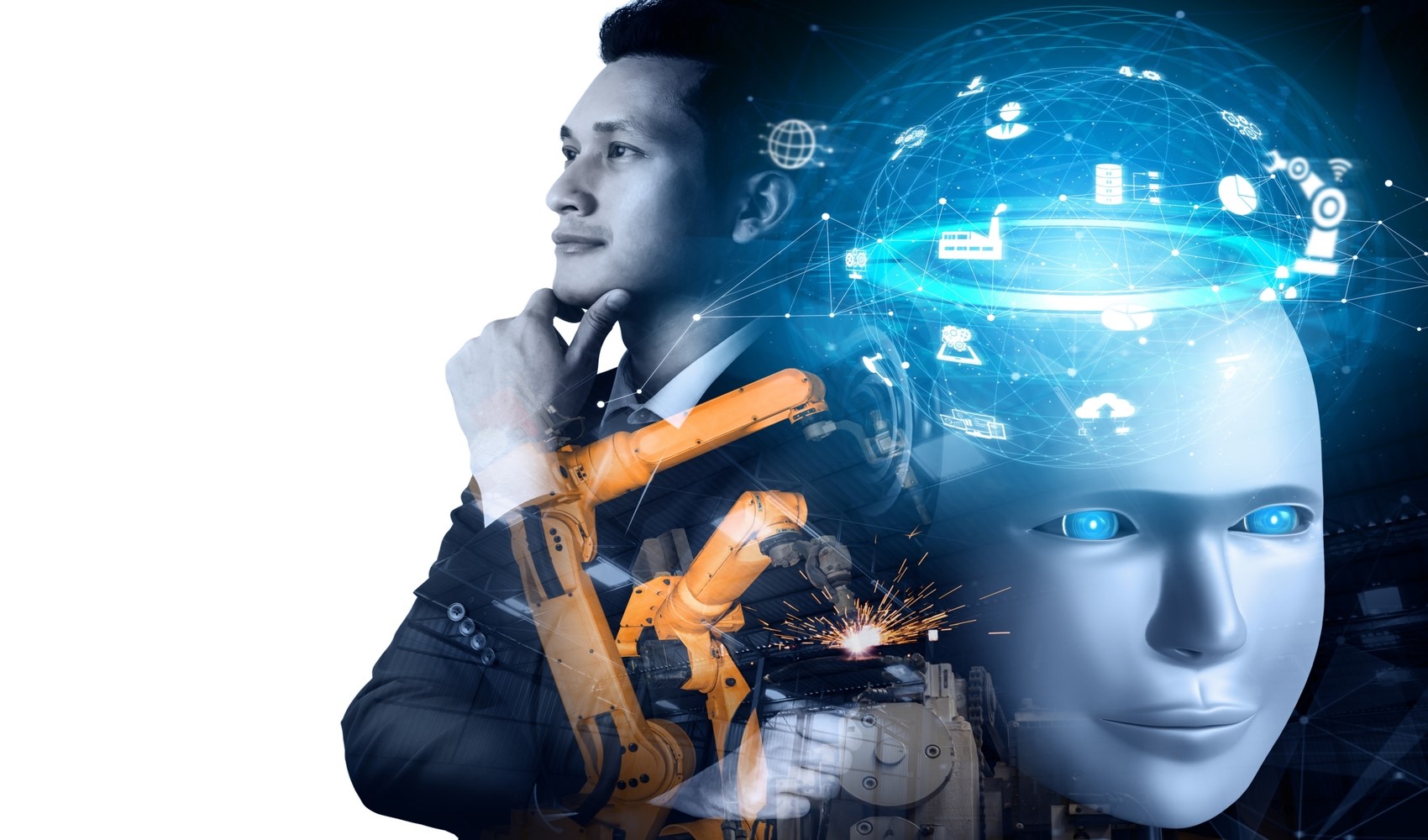
Artificial intelligence (AI) technologies are triggering a major transformation in the global job market. Experts warn that many traditional professions could disappear due to automation in the next decade.

Routine tasks, particularly data entry, factory assembly, basic accounting, and repetitive office work, are at risk of being taken over by artificial intelligence and robotic systems.
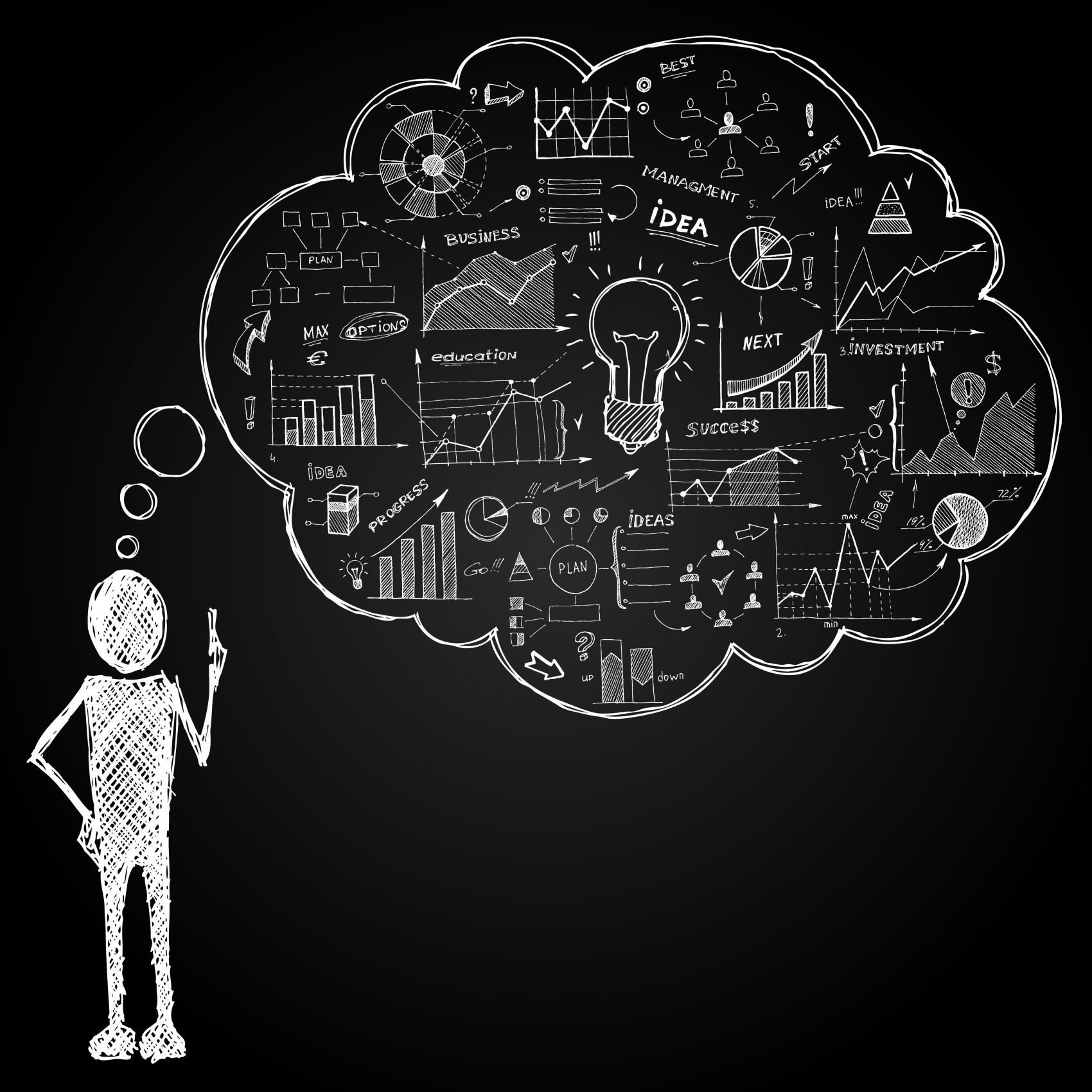
However, artificial intelligence is also creating new job areas. The need for experts to develop, train, and manage AI systems is increasing.

Experts are calling for the development of policies for the ethical use of artificial intelligence and the prevention of job losses. ChatGPT CEO Sam Altman has also stated in his calls so far that the issue is 'serious'.

The increasing need for cybersecurity as a result of the development of artificial intelligence offers new opportunities in this field. It is expected that the cyber 'threats' created by AI will generate new job opportunities for people who specialize in this area.

Among the new job areas emerging with artificial intelligence, professions such as data science, machine learning engineering, artificial intelligence ethics consulting, and AI-supported health technology expertise stand out.
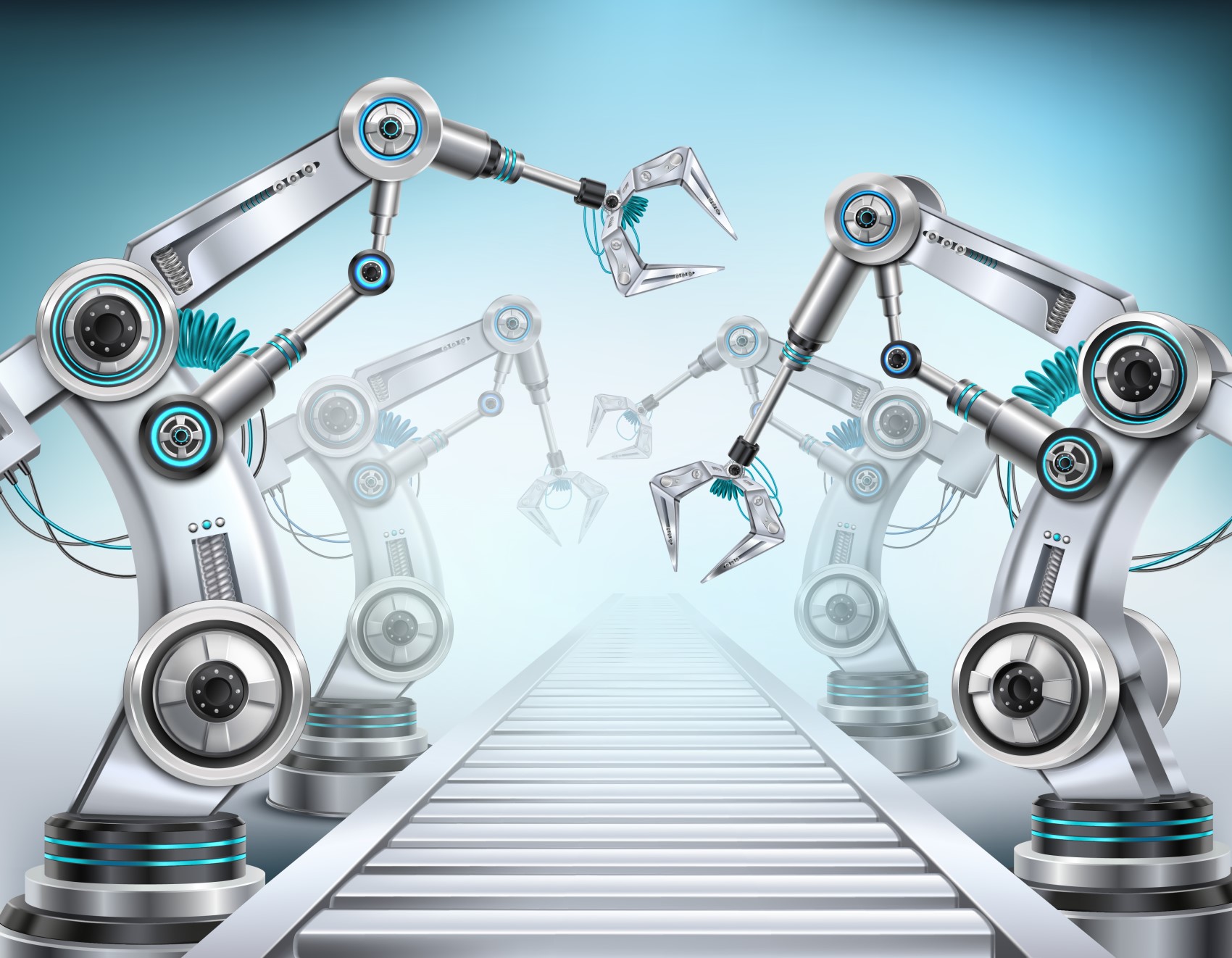
The education and health sectors are among the areas that will be most affected by artificial intelligence. Personalized learning platforms and AI-supported diagnostic systems could increase efficiency in these sectors.

However, preparations need to be made now for the changes that will occur in the labor market.

In the future, it is expected that people will focus on jobs that require creativity, strategic thinking, and emotional intelligence.
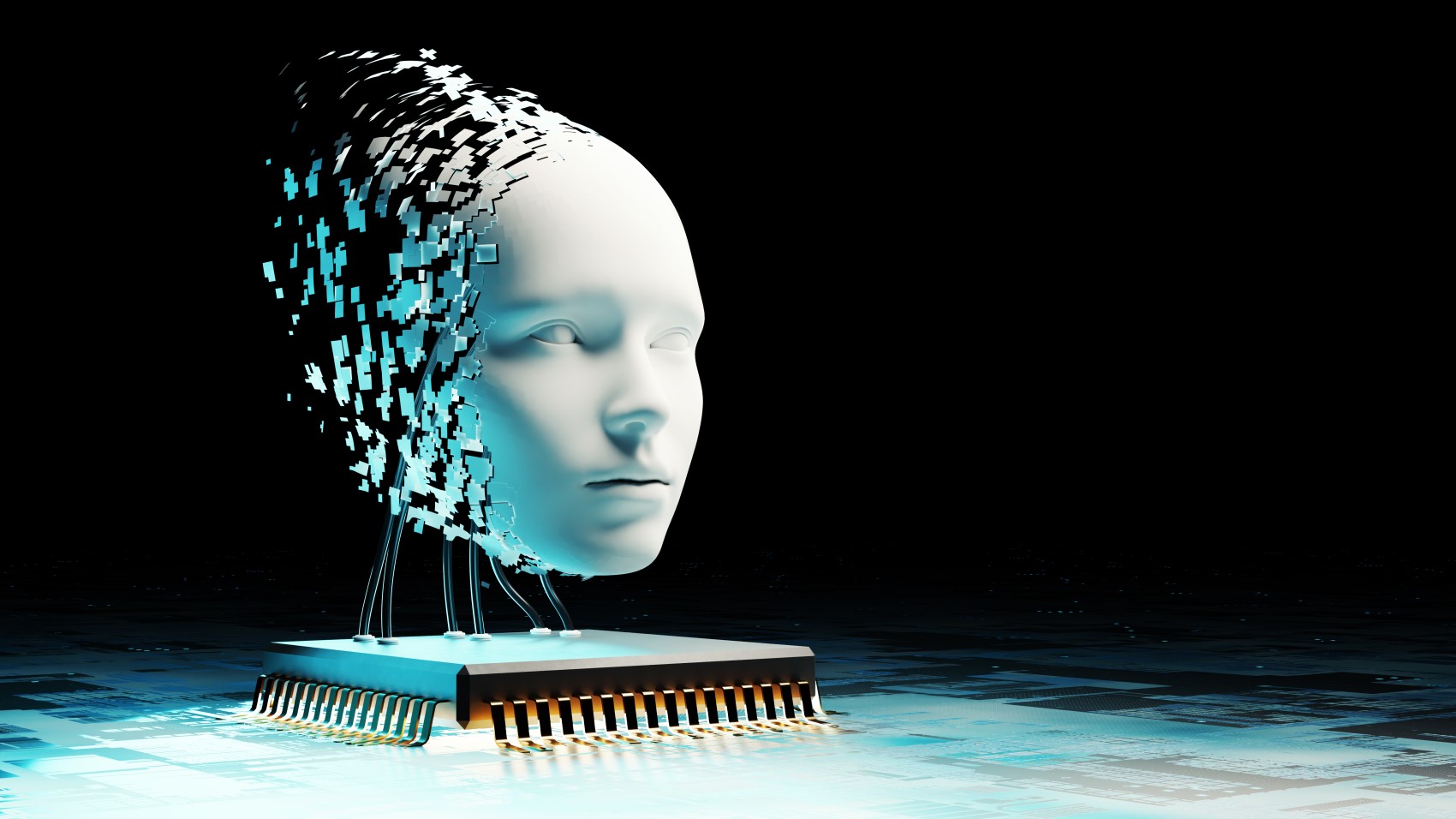
Those with knowledge on the subject agree that routine-based jobs that do not require creativity will not be able to maintain their existence in the future.