

Screens to achieve high image quality with "nanocrystals"
Scientists at METU are producing "inorganic nanocrystal"-based materials to develop next-generation digital screen technologies with rich color and high image quality.



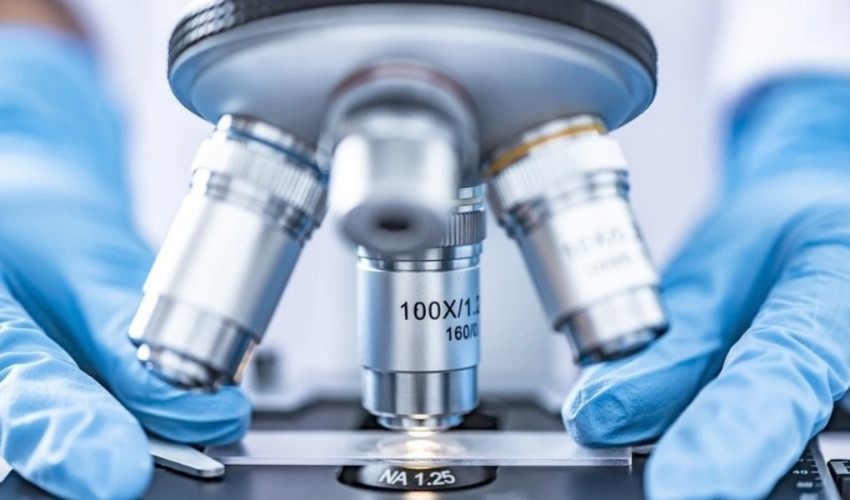
Once the scientific study, supported by the program provided by the Council of Higher Education (YÖK) to research universities, is completed, high-quality screens will be able to be produced at costs low enough to be printed even from a simple printer.
The next-generation material used in this technology, called "inorganic nanocrystals," is aimed to be widely used in many areas, from more efficient use of solar energy to delicate surgeries.
Dr. Yusuf Keleştemur, a faculty member at the METU Department of Metallurgical and Materials Engineering, explained their project titled "development of colloidal semiconductor nanocrystal-based light-emitting diodes using solution-based methods with completely inorganic materials," which he developed together with Prof. Dr. Hüsnü Emrah Ünalan from the same department.
Stating that resources are allocated to scientific projects through YÖK's Research Universities Support Program (ADEP), Keleştemur reported that their project was deemed worthy of support within the scope of this program.
ACHIEVING RICH COLOR QUALITY AND HIGH BRIGHTNESS VALUES AT LOW COST
Explaining that light-emitting diode (LED) technologies, which offer energy-efficient solutions, enable revolutionary developments in screens, Keleştemur stated that in addition to energy efficiency, rich color quality, high brightness values, and low costs are targeted in the technologies to be used in next-generation screens.
Stating that digital screen technologies are constantly evolving to provide the color tones and brightness found in nature for mobile phones, computers, and televisions, Keleştemur explained that the process, which began with LCD technologies, continued with Organic Light-Emitting Diode (OLED) screens.
Reporting that they have developed three different innovative materials for next-generation screen technologies in their project at METU, Keleştemur provided the following information:
"By bringing these materials together in the same device structure, we aim to develop transparent LEDs with rich color quality and high brightness using entirely solution-based methods. In nanocrystal-based light-emitting diodes (QLEDs), we will use quantum dots as the active light-emitting material, metal oxide inorganic nanoparticles as the charge transport layer, and silver nanowires with high conductivity and flexibility as the top electrode. Thus, we aim to develop completely transparent and high-quality screens with domestic and national resources together with entrepreneurs."
BENDABLE AND FOLDABLE NEXT-GENERATION SCREENS
Yusuf Keleştemur stated that they benefit from the much sharper emission and high stability of inorganic nanocrystals.
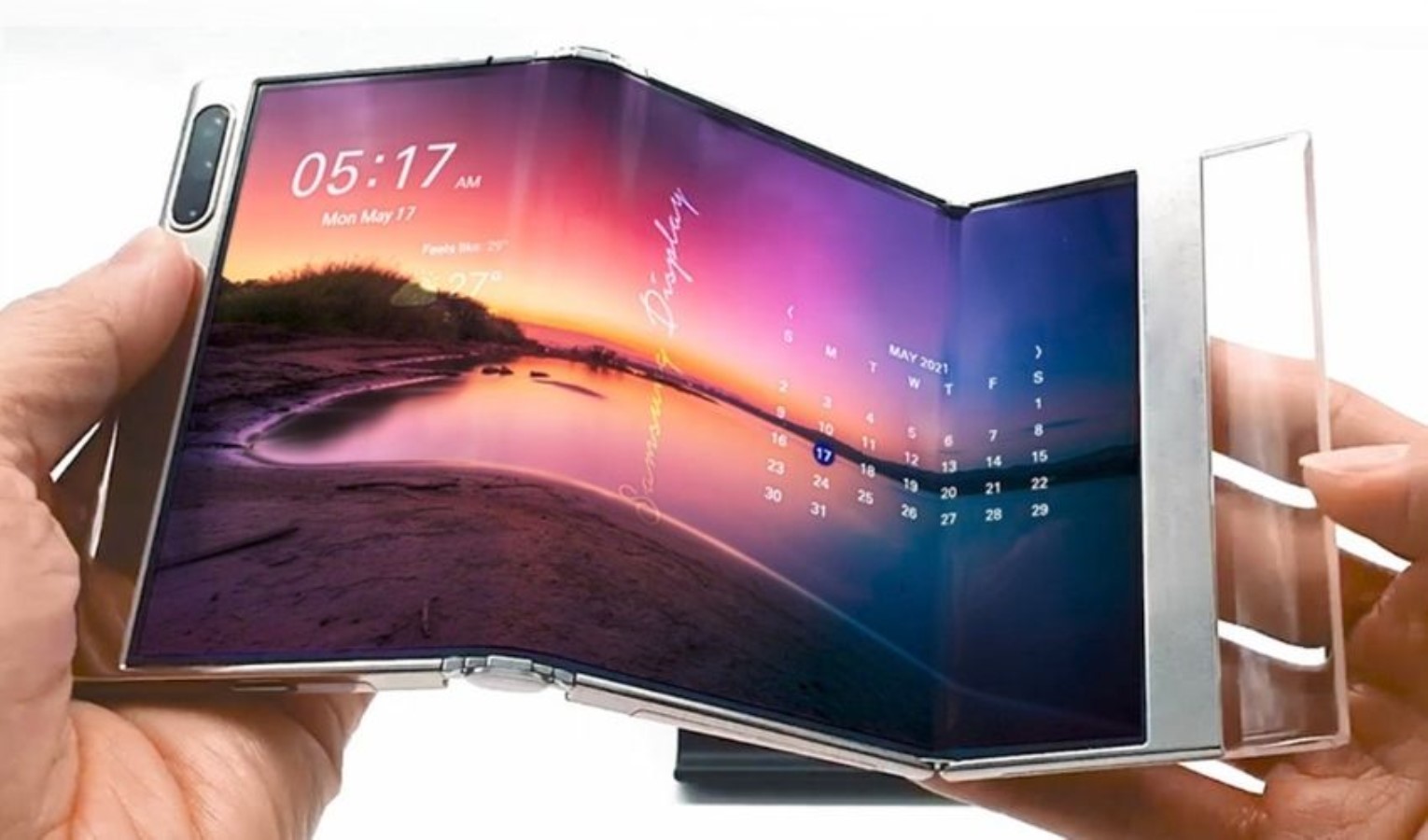
When asked about what next-generation screens will be like when the project is completed, Keleştemur said:
"With these materials, we will be able to achieve high-quality colors on screens similar to those in nature. Inorganic nanocrystal screens will be as economical and high-resolution as being printed from a printer. In other words, these screens, which can be printed on flexible plastic surfaces, will be able to be bent and folded. When desired, transparent screens can also be obtained by printing on glass surfaces. The production of normal OLED screens is expensive, but when we do this with a printer, the costs will drop significantly."
Keleştemur reported that the materials they developed can also be used as luminescent solar concentrators.
Reminding that new concepts are being adopted in smart buildings to get maximum efficiency from solar energy, Keleştemur said, "With today's technology, the electricity a building needs cannot be fully met by solar panels. For this, we will first coat the nanocrystals between double-glazed windows; we will collect the light coming from the sun and transfer it to the frames. Thus, solar energy can be utilized more efficiently without preventing people from seeing outside."
Yusuf Keleştemur stated that the material in question could also be used in delicate surgeries, saying, "For example, these materials could also help in cancer surgery by sticking only to cancer cells and helping these cells to be completely separated from the tissue."
NOBEL PRIZE IN CHEMISTRY ALSO WENT TO THE STUDIES FORMING THE BASIS OF THE MATERIALS
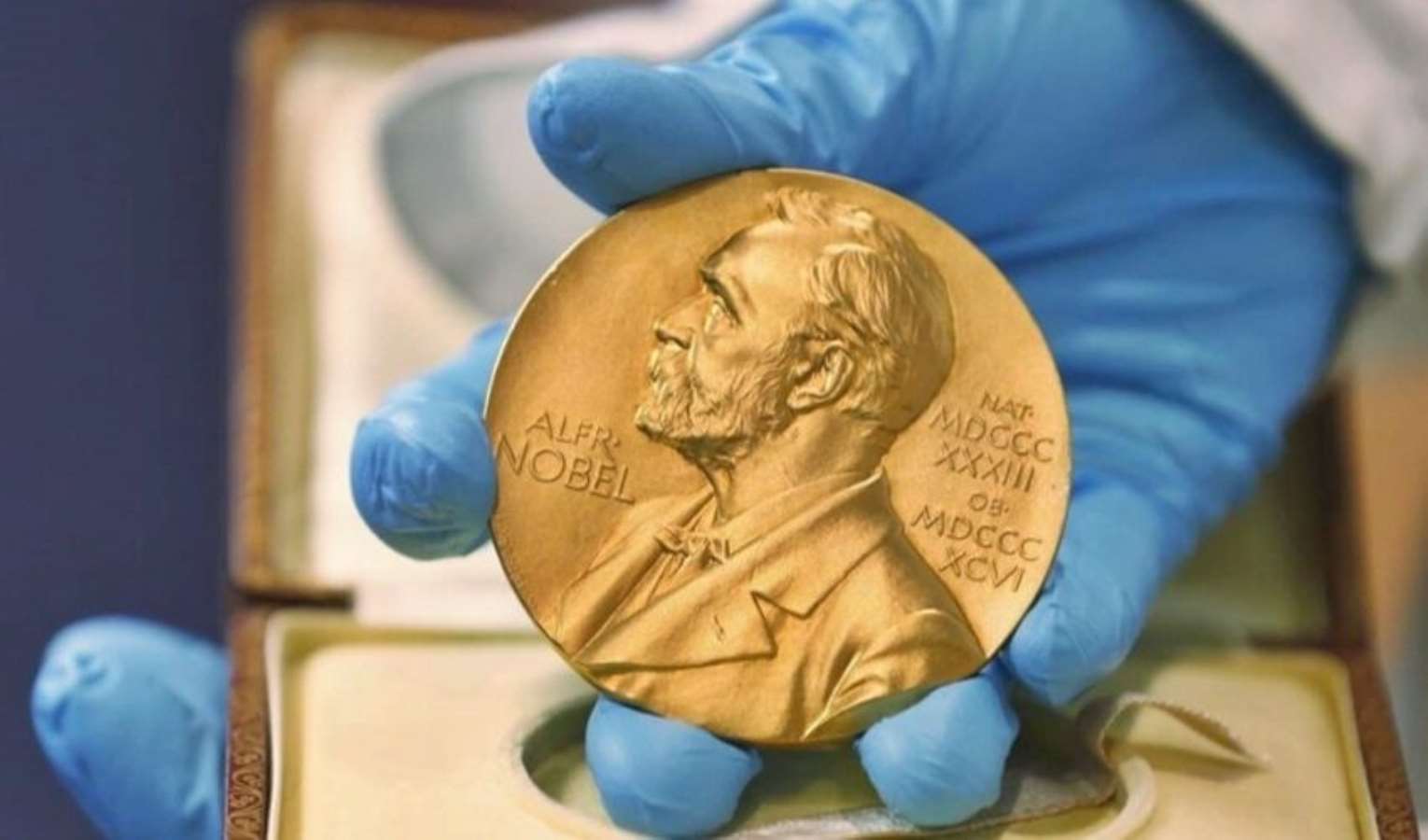
Keleştemur reminded that the foundations of the material they are working on were laid in the 1980s, and that this year's Nobel Prize in Chemistry was awarded to studies conducted on the "discovery and production of quantum dots."
Pointing out that the materials whose foundations were laid in those years enabled new discoveries, Keleştemur said, "Today, we want to use these materials in commercial applications by producing them with much higher stability and efficiency."
News Source: AA
Related News



Most Read

Striking picture for Özgür Özel's 'New Party'

Özgür Özel gives a dated response regarding the number of resignations

Forest fire in Antalya brought under control

The PKK opening and Özgür Özel’s path!..

How did the newspapers view Özgür Özel's farewell to the CHP?

What did the CHP do?

Özel’s new party move in the world press

The New CHP, against CEHAPE

From self-efficacy to despair

The return of craftsmanship in the age of artificial intelligence