

Spacecraft sent to the Moon will crash into Earth
Astrobotic's Peregrine lunar lander was unable to land on the Moon following a critical malfunction after launch. It has been announced that the craft will collide with Earth and burn up in the atmosphere.



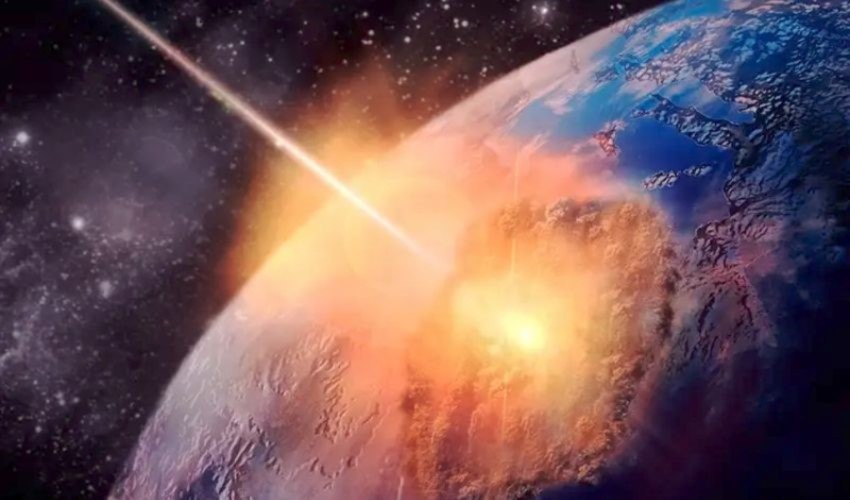
The final fate of the private lunar lander Peregrine, which experienced a fuel leak shortly after its launch last week, has been determined. It was reported in a statement made in recent days that the craft is on a collision course with Earth. The lunar lander, launched by Astrobotic and carrying NASA payloads, will enter Earth's atmosphere in the coming days and burn up while in the atmosphere.
SPACECRAFT WILL BURN UP IN EARTH'S ATMOSPHERE
According to reports in Donanımhaber, Astrobotic’s Peregrine lunar lander is currently about 389,000 km away from Earth and continues to be one of the most successful failures in space exploration. This is because the first flight of a new class of heavy rocket that carried the craft into orbit was carried out unsuccessfully. Initially, everything seemed to be going well for the US's first lunar landing mission in 52 years. However, due to a problem experienced with Peregrine, a fuel leak occurred, making it impossible to perform the necessary maneuvers and the landing.
The fuel leak ultimately changed the craft's trajectory, and it is now on a collision course with Earth. Astrobotic, which built, owns, and operates Peregrine, is tracking the craft using data from NASA's Jet Propulsion Laboratory (JPL). This tracking information is also being collected by the space agency's Deep Space Network, which serves as a telemetry relay for Peregrine's onboard systems.
After new data from JPL Horizons as well as the latest statement from @astrobotic it's now looking likely that #peregrine will return home, impacting Earth over the Great Barrier Reef on January 18. pic.twitter.com/hV3mGRgHIV
— Tony Dunn (@tony873004) January 13, 2024
For now, the exact time and angle at which the craft will reach Earth have not been announced, but amateur astronomer Tony Dunn analyzed JPL data and calculated that Peregrine will enter the atmosphere on January 18 somewhere over Australia's Great Barrier Reef. Since the lander has a lightweight metal structure and weighs only about 288 kg, it is unlikely that even its parts will reach the lower parts of the atmosphere.
News Source: 12punto
Related News



Most Read

Striking picture for Özgür Özel's 'New Party'

Özgür Özel gives a dated response regarding the number of resignations

The PKK opening and Özgür Özel’s path!..

Forest fire in Antalya brought under control

How did the newspapers view Özgür Özel's farewell to the CHP?

He killed his wife by slitting her throat: Their children witnessed the moments

What did the CHP do?

Özel’s new party move in the world press

The New CHP, against CEHAPE

Fire at TUSAŞ engine factory in Eskişehir under control