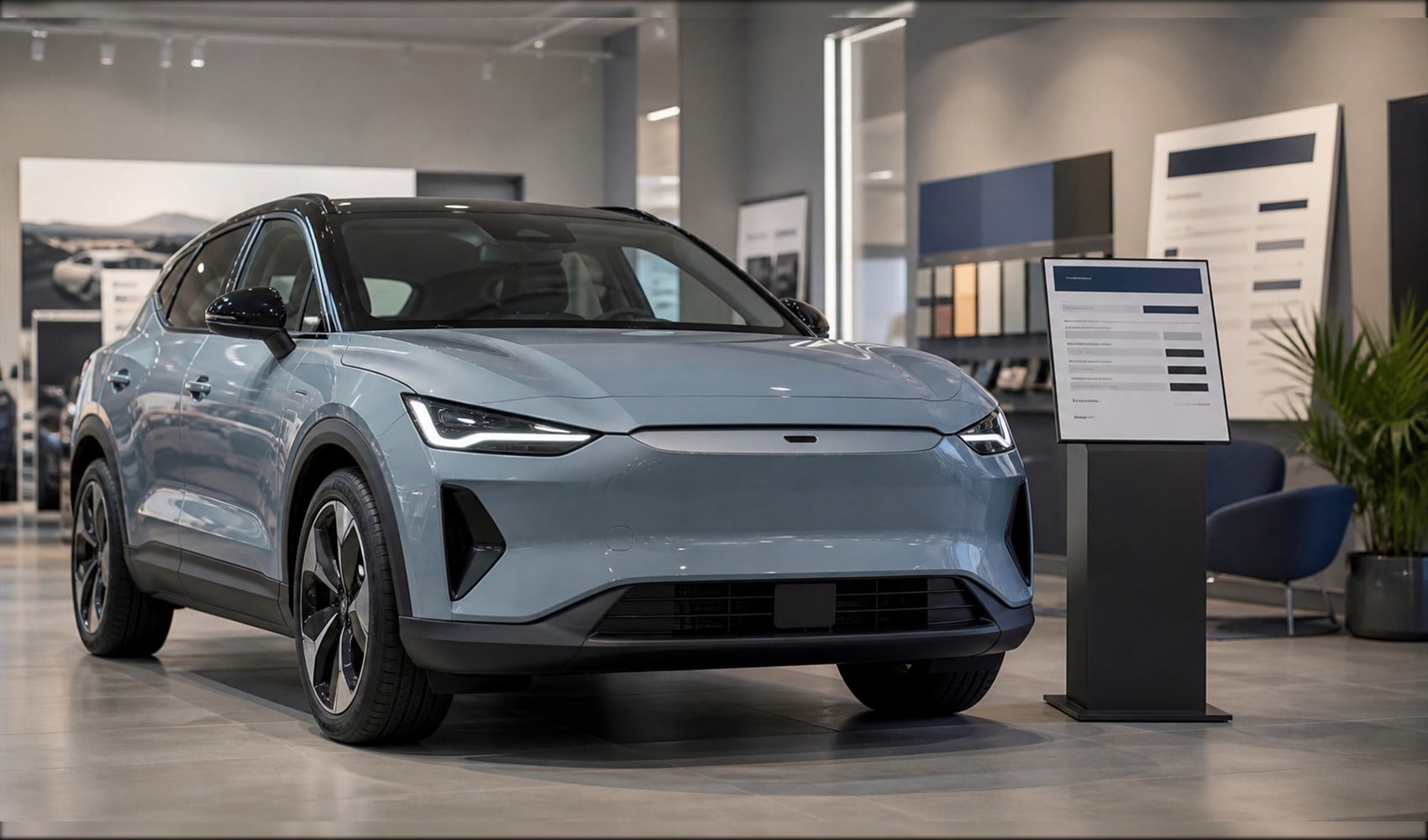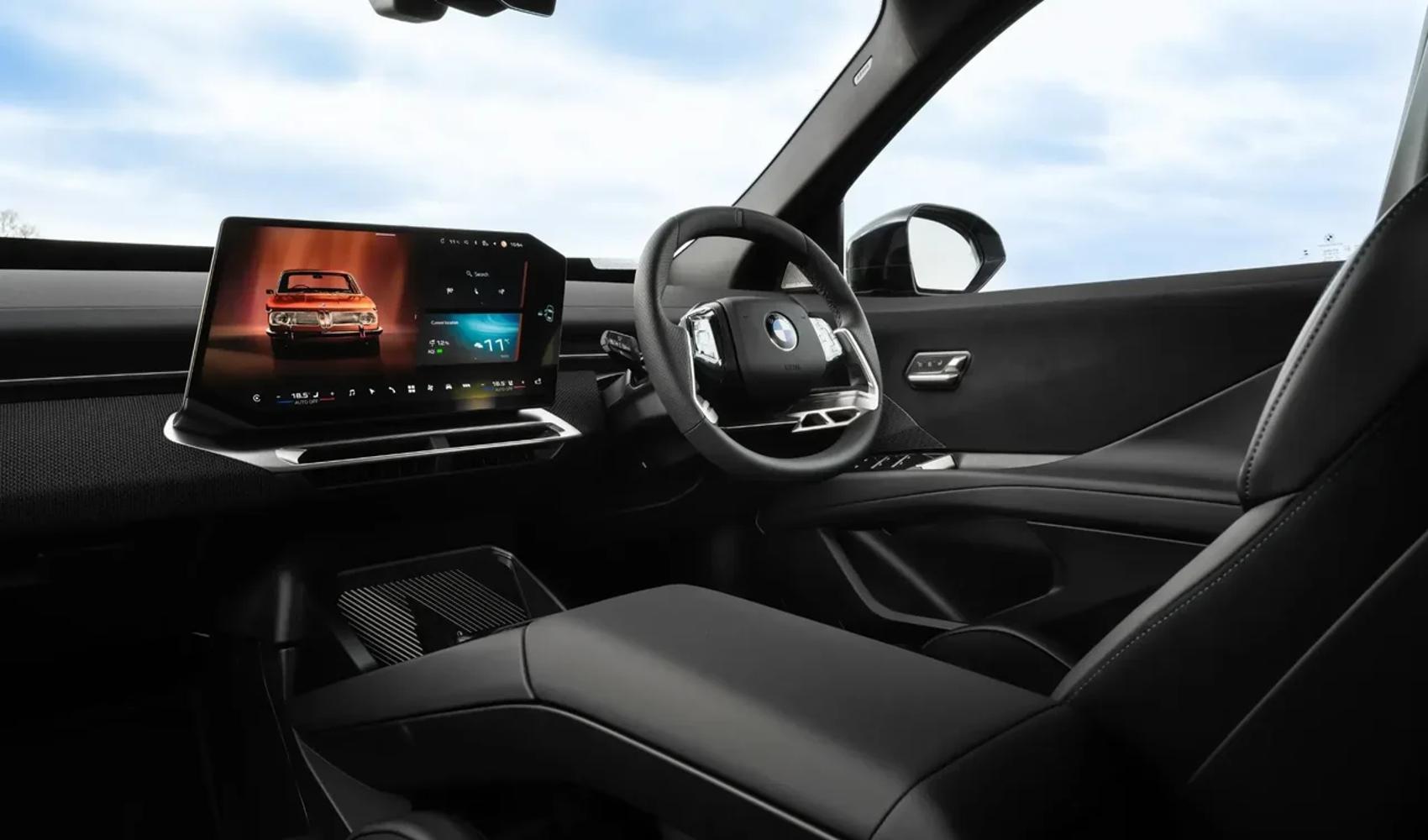
BMW intends to continue its approach of reducing physical buttons in its next-generation vehicle interior designs. The company's preference is explained by the increasingly central role of touchscreens and voice command systems in automotive interiors.
Vikram Pawah, CEO of BMW Group Australia, pointed out in an assessment for CarExpert that the way younger users interact with in-car technologies is changing. According to Pawah, users aged 45 and under adapt more quickly to touch interfaces and voice commands.
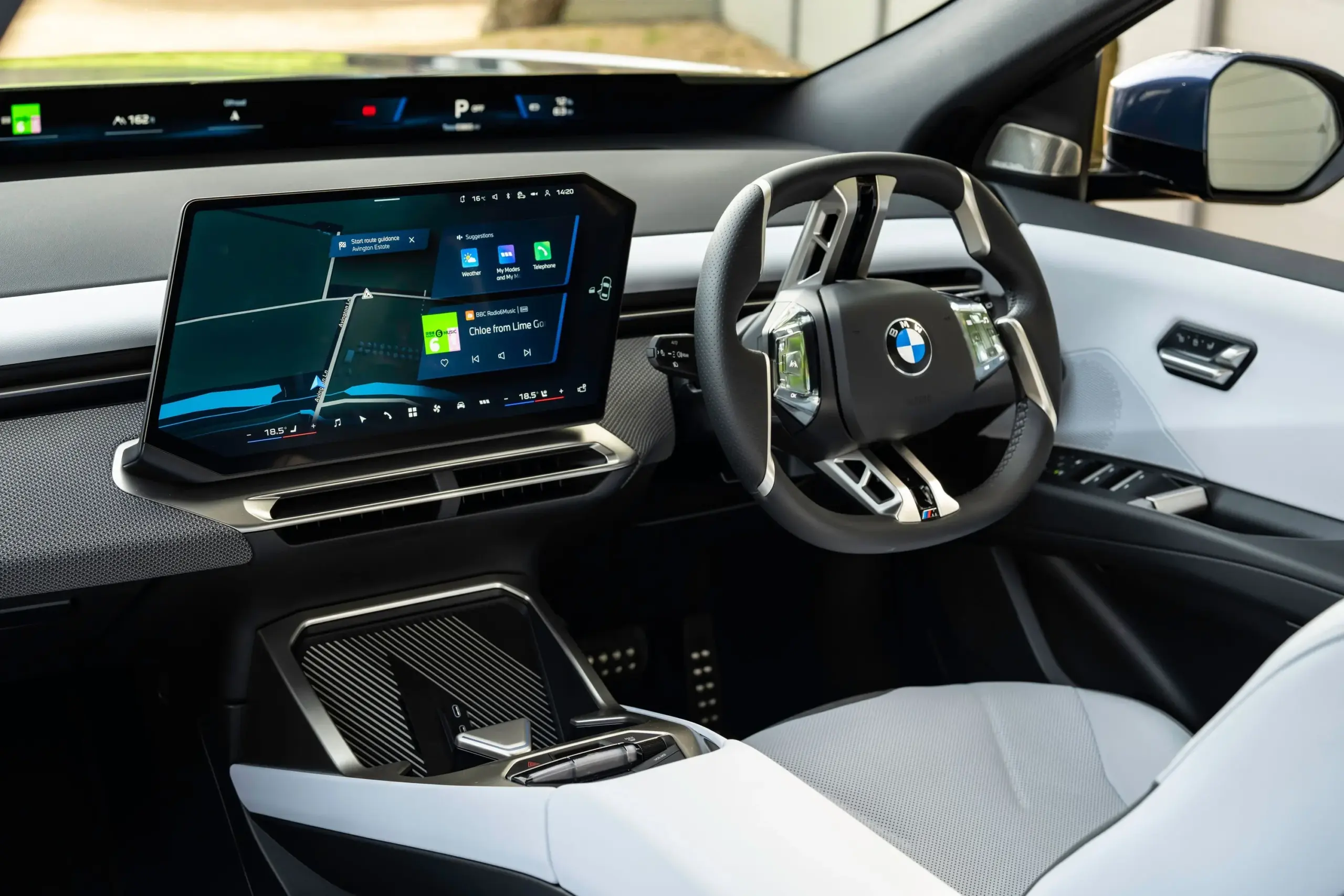
From the company's perspective, this user group wants to complete tasks inside the vehicle faster and manage multiple functions simultaneously. For this reason, BMW is promoting a cabin concept where classic buttons and switches are replaced by more digital interfaces.
DEBATE ON SAFETY AND EASE OF USE
The reduction of physical buttons is not seen solely as a design choice in the automotive industry; it also brings with it a debate over safety and ease of use. Some drivers argue that essential functions, such as climate control, audio systems, or driving modes, are easier to control with physical buttons.
The primary criticism directed at touchscreens is that they can increase the risk of the driver taking their eyes off the road while driving. In response, BMW maintains that this interaction has become faster and more aligned with user expectations through voice command systems and advanced screen interfaces.
Different approaches to this issue are also notable in the industry. While some manufacturers, such as Volkswagen, have been seen to re-emphasize certain physical controls following user feedback, BMW is not stepping back from its current digitalization strategy.
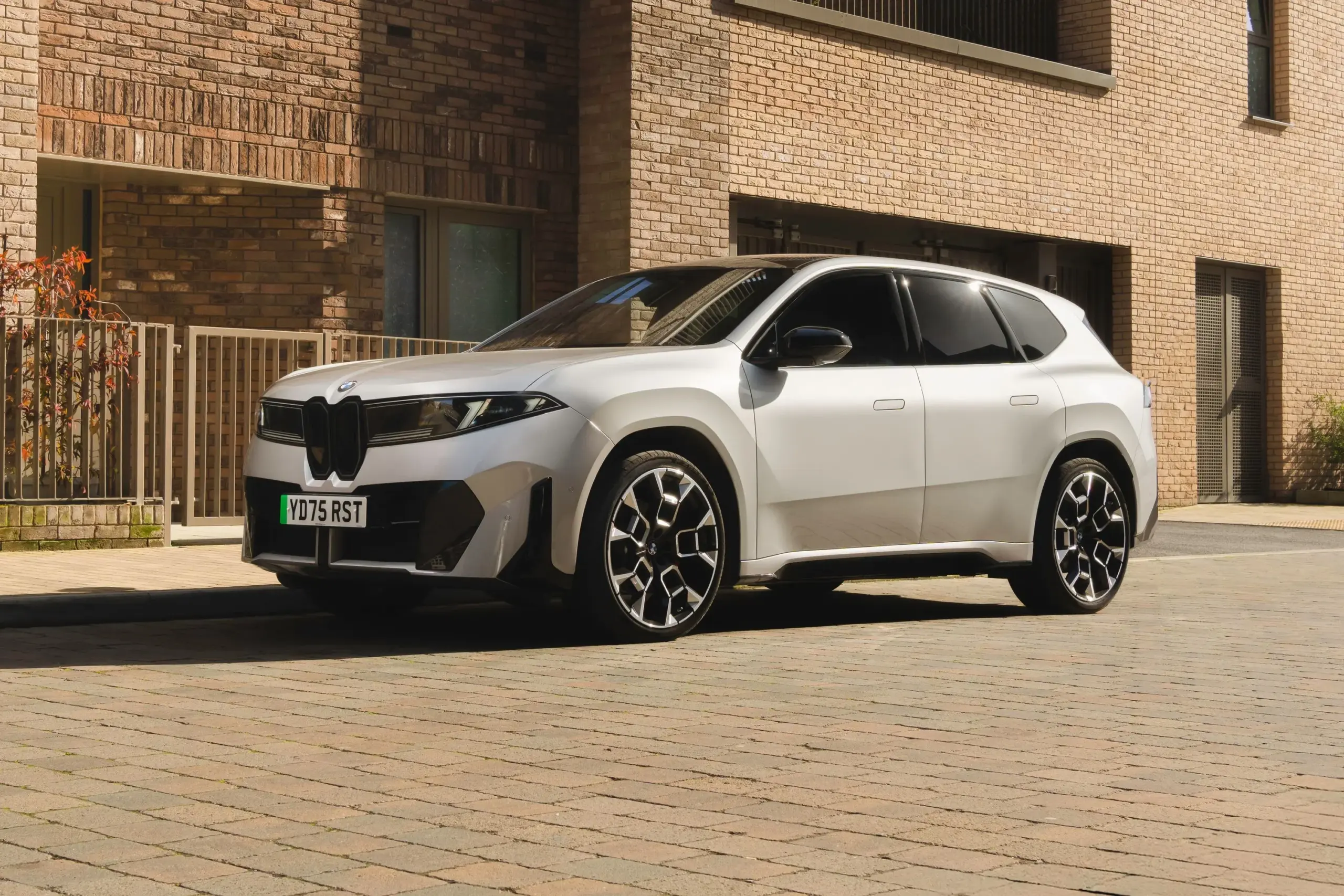
For automakers, this transformation is not just a matter of cost or aesthetics; it is also linked to vehicles increasingly becoming digital living spaces. While screen-based control systems may seem more natural to users accustomed to smartphones, traditional drivers may find physical feedback safer and more practical.
BMW's statement also summarizes the fundamental debate that will continue in automotive interiors in the coming period: As manufacturers accelerate digitalization, how will they strike the balance between driving safety and usage habits?
News Source: 12punto