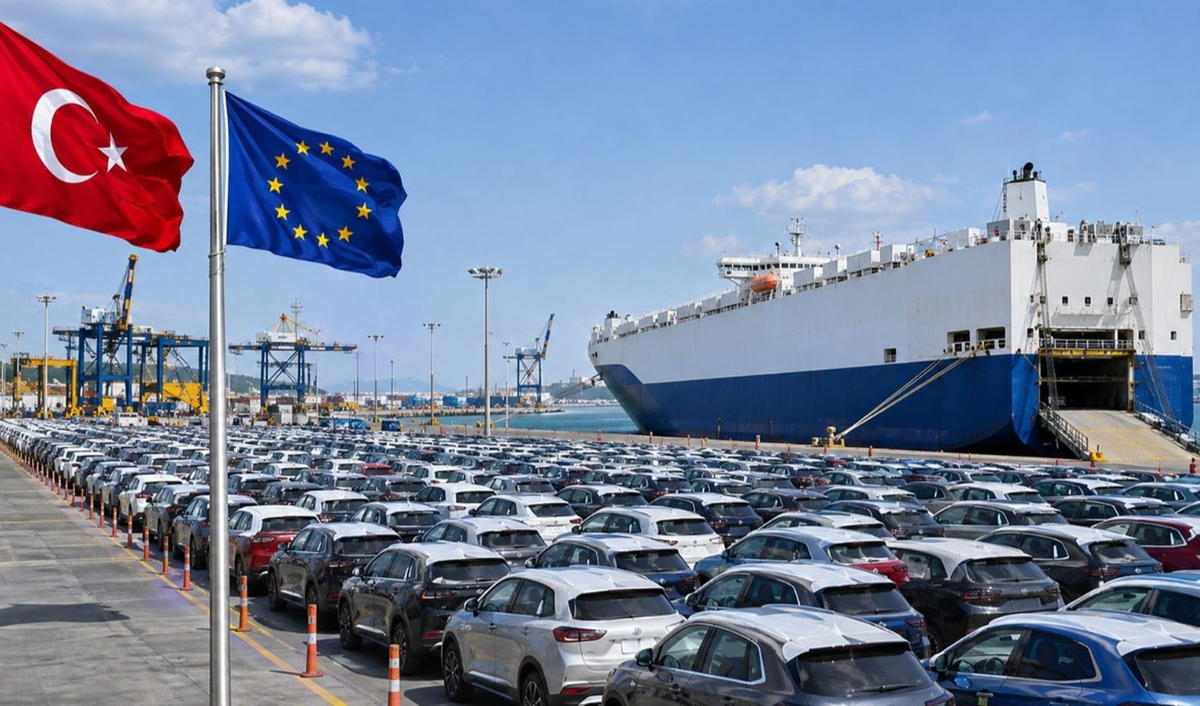
The European Union (EU) is launching a temporary quota system for hybrid car imports to protect its automotive industry against increasing import pressure. The European Commission's implementing regulation dated November 23, numbered 2026/2614, has been published in the Official Journal of the EU.
The temporary safeguard measure, which also includes Turkey, will enter into force on December 1, 2026. The application will last for 200 days and will continue until June 18, 2027. During this period, the total quota allocated to Turkey will be 126 thousand 320 vehicles.
THREE-PERIOD QUOTA FOR TURKEY
The Commission has organized the quota usage into three separate periods. A quota of 56 thousand 844 vehicles has been allocated to Turkey for the period of December 1, 2026 – February 28, 2027. The quota was set at 58 thousand 107 vehicles for the period of March 1 – May 31, 2027, and 11 thousand 369 vehicles for the period of June 1 – 18, 2027.
Any unused quota amount in each period can be transferred to the next period within the application duration. However, the most critical aspect of the regulation is that it does not allow imports to continue with additional customs duties once the quota is exceeded. When the quota is filled, the import of the relevant vehicles into the EU will stop.
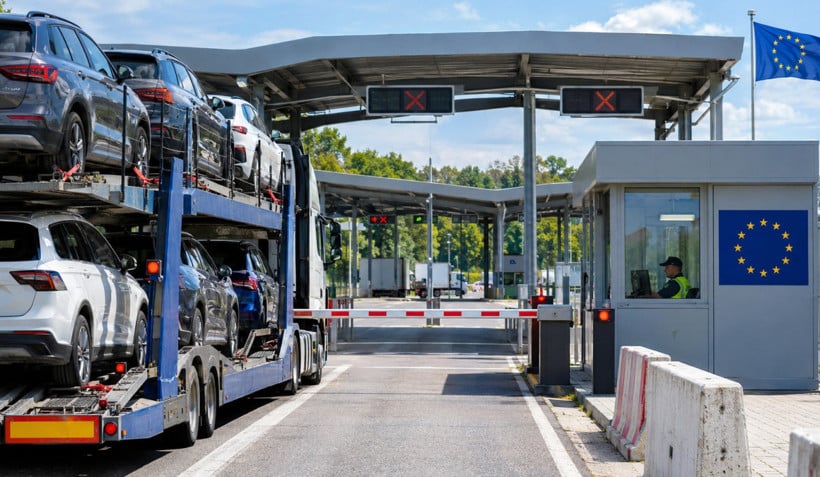
The European Commission assessed that high-rate additional taxes might be insufficient to stop the increase in imports. Therefore, it was concluded that a quantitative restriction would be a more effective tool within the scope of the temporary safeguard measure. Existing customs duties and preferential tariff applications in force with countries will remain valid for imports within the quota.
LARGEST QUOTA ALLOCATED TO CHINA
When the total of the three periods is considered in the regulation, the highest quota was allocated to China. Turkey became the third country with the highest quota allocation after China and Japan.
- - China: 191 thousand 780 vehicles
- - Japan: 170 thousand 889 vehicles
- - Turkey: 126 thousand 320 vehicles
- - United Kingdom: 105 thousand 402 vehicles
- - South Korea: 67 thousand 924 vehicles
- - Mexico: 34 thousand 755 vehicles
- - Morocco: 23 thousand 954 vehicles
- - Serbia: 19 thousand 353 vehicles
- - USA: 18 thousand 482 vehicles
- - Other countries in scope: 822 vehicles
Norway, Iceland, Liechtenstein, Ukraine, and Kenya, along with some developing countries, were exempted from the application. South Africa was also among the countries where the quota will not be applied.
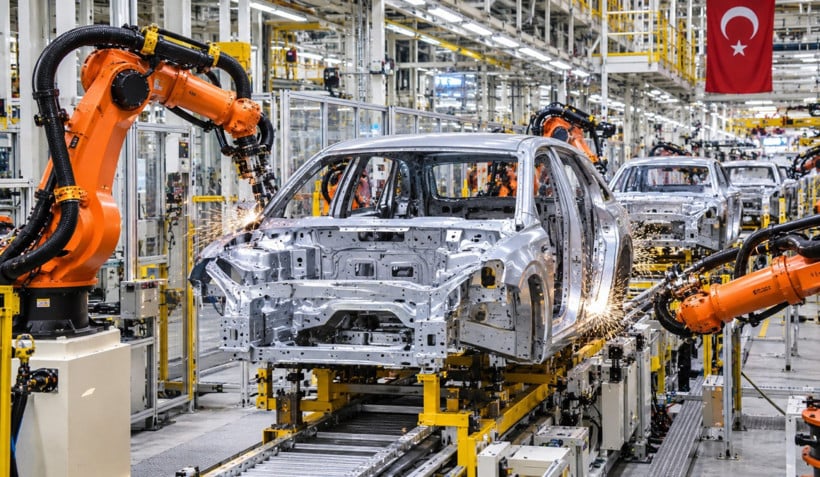
According to the data in the European Commission's regulation, the EU's hybrid car imports from Turkey were at the level of 177 thousand 74 units in 2023. This number rose to 185 thousand 194 in 2024 and 199 thousand 182 in 2025. In the 12-month period between July 2025 and June 2026, imports reached 207 thousand 454 units; the increase compared to 2023 was 17 percent.
In the same period, hybrid car imports from China rose to 486 thousand 582 units, exceeding 10 times the 2023 level. The EU's total hybrid car imports were 1 million 423 thousand 691 units in the July 2025 – June 2026 period; this figure indicated a 49 percent increase compared to 2023.
The reasons for the Commission's decision also included the decline in the market share and profitability of European manufacturers. The market share of manufacturers in the EU fell from 74 percent in 2025 to 72 percent. According to the Commission's price comparison, imported hybrid cars were sold at an average of 18.3 percent lower prices compared to similar models produced in Europe. It was stated that the profitability of European hybrid car manufacturers also declined by 57 percent compared to 2023.
The quota application covers new hybrid vehicles designed to carry a maximum of nine people, including the driver, that have an electric motor contributing to the vehicle's movement alongside an internal combustion engine. Traditional hybrid, plug-in hybrid, and mild hybrid cars will be subject to the regulation.
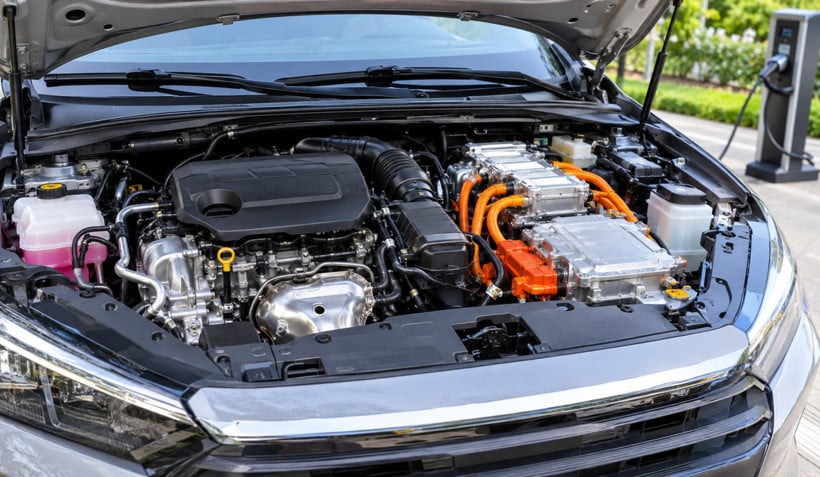
Micro-hybrid models where the electric system does not contribute to the vehicle's movement, second-hand hybrid cars, and fully electric vehicles were excluded from the quota. While the safeguard investigation launched by the European Commission on October 30 continues, the final decision to be taken after the temporary application will be decisive for the Turkish automotive sector's export plans to the EU.
News Source: 12punto