



Anxiety is a problem of trust. You feel anxious when you cannot trust the future, the person you are dealing with, your family, or yourself. Uncertainties destroy the sense of trust. Anxiety swells.
When the future is certain or predictable in one way or another, a sense of trust can survive. Even if a bad scenario becomes clear, a small sense of relief emerges within us because we now know. We can prepare for the worst.
In a typical despotism, it is possible to predict court rulings. The decisions will be disastrous, but we can prepare. We can foresee them. Or we can do our best and leave it to fate. To put it in more secular terms, we can think and act like Stoics. We can focus on what we can change and our responsibilities, and protect ourselves from false expectations.
THE BARIŞ PEHLİVAN CASE
However, in our example, even the bad scenario is uncertain. Even the misfortune that befalls one is random. For instance, Barış Pehlivan rebelled recently: The court panel/judge had not read the texts that an ordinary citizen could see on e-Devlet, and acted as if they were learning about the incident for the first time during the hearing, deciding to postpone the meeting to a later date. Thus, Barış Pehlivan was sent to prison as if all that time had been wasted.
Yesterday, the case was dropped due to the withdrawal of the complaint against him, and Barış Pehlivan was released. Why was he taken in? Why was he arrested? Why was he released?
CHANGING DEFINITIONS OF CRIME AND CRIMINALS
There is a government from an Islamist tradition. Throughout its journey in power, it has formed alliances with liberals, ethnic separatists, nationalists, leftists, and finally, Kemalists. In every period, the criminals and the definitions of crime have changed. Why did these change? Which period are we in now? Whose turn is it to be the criminal? It is unclear. It is difficult to even be a "terrorist" while looking at the future with confidence. While trying to be a "terrorist," you might become a hero. Or quite the opposite... You might suddenly become a terrorist while thinking you are fighting against military tutelage or solving the Kurdish issue.
CHANGING FACES AND CHANGING SCREENS
Ideologues, demagogues, and ultimately all the faces on the screens are changing rapidly. Yesterday's phenomena are today's criminals, yesterday's politicians are today's fugitives, and yesterday's power-holders can even become dissidents under the management of the "same government." The one who created the crisis is expected to solve it, and the part of the stagnation is expected to create change. The compass, the eye, the common sense, and the mind have gone astray. It is impossible to predict the future. This, of course, reinforces distrust and anxiety.
THE "PROPERTY" HAS LOST ITS FOUNDATION
The most fundamental basis for a sense of trust in the future is undoubtedly justice, the belief in justice. People work and strive because they believe in justice; people fight because they believe in justice. However, today, the foundation of the "property"—that is, the state—is rotten. The forces that should protect justice have been devastated.
The process that dynamited justice is known to everyone. But what might happen when there is no justice and law left is unknown. When justice and law disappear, and when you don't even have a state of law, let alone a rule of law, it becomes impossible to distinguish the state from the mafia. Right now, we are looking for the state, justice, and law in a war of mafias, cliques, and criminal organizations.
Last week, as lawyers under the leadership of the Ankara Bar Association, we marched from the Ankara Sıhhiye Courthouse to the Court of Cassation. Almost all of us considered the march a success. But how many were we? Where were the citizens who should be seeking their rights, and the judiciary they should trust, while under such threat? Where were the lawyer colleagues who should be defending justice in courthouse corridors, meeting rooms, and courtrooms during the march?
Anxiety is suffocating, exhausting, and often harmful. However, when trust is truly lost, anxiety is necessary. Otherwise, one might be too late to take action. I think we are too late. Perhaps the 100th-year celebrations were a funeral ceremony worthy of its glory, who knows? We shall see.
Most Read
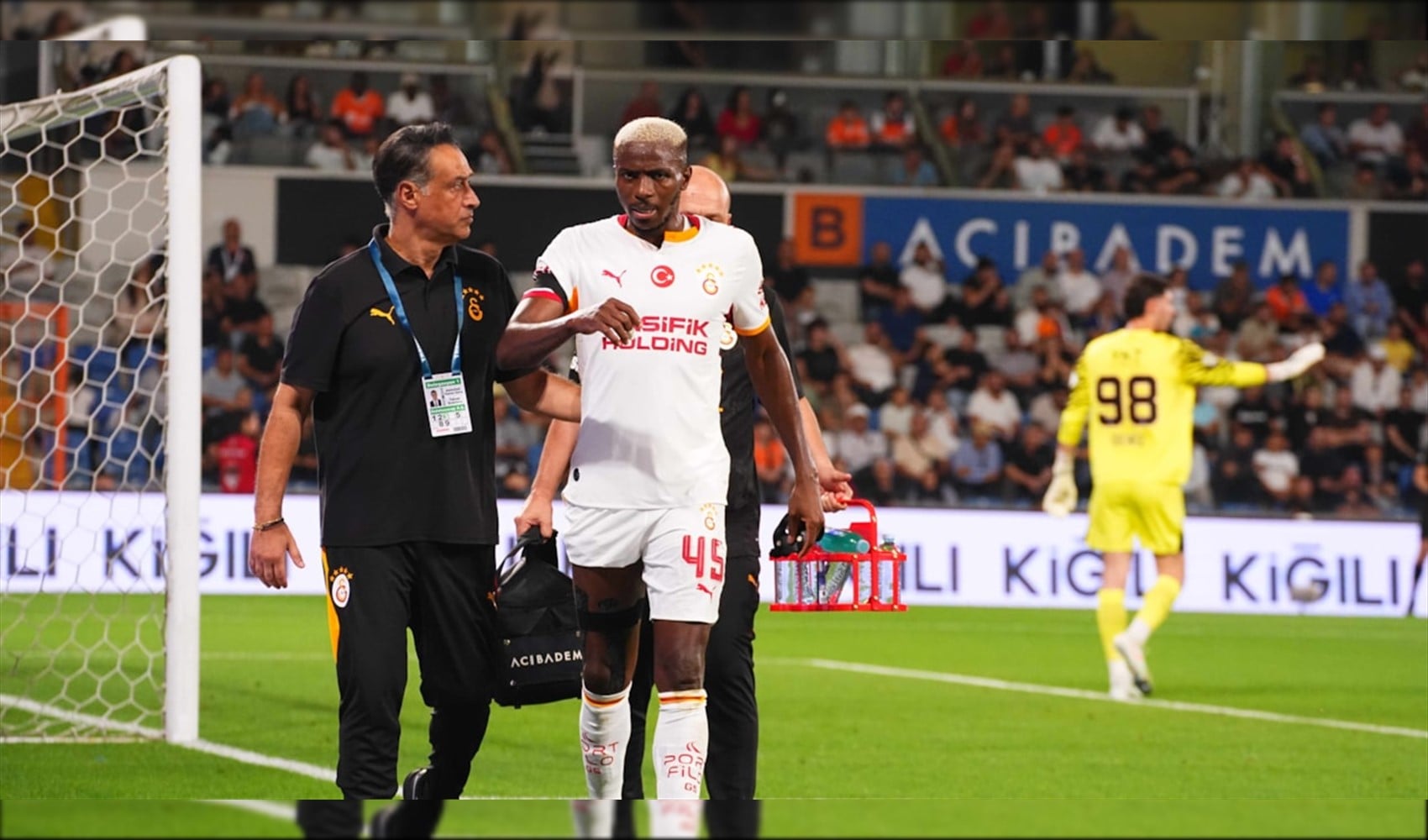
Galatasaray announces injury updates for Osimhen, Lemina, and Singo

Attention online sellers: Tax monitoring expanded
VAR for the Fenerbahçe-Beşiktaş derby has been announced!
Bridges and highways are being privatized: 15 July and FSM are also on the list

Peugeot September 2026 price list is out

New details emerge in 'panel' operation targeting lawyers
Gökçek era detail in ABB investigation
First statement from Osimhen after injury in Başakşehir match
Özlem Şanver: 'He said he would change, I believed him; should I be beaten just because I didn't leave?'
The Süper Lig's new team becomes the transfer champion