



The bond of citizenship, civic consciousness, and citizen identity have been under intense attack both globally and in our country in recent years. There are undoubtedly many and varied reasons for this. This is because there are direct, unbreakable ties between citizenship and national identity, overarching identity, common identity, between citizenship and the nation-state, and between citizenship and political consciousness.
Without citizenship, class consciousness does not develop, and class identity does not consolidate. Without citizenship, identities that are remnants of the Middle Ages or vestiges of feudalism—such as ethnic, religious, and sectarian affiliations, allegiances, and sensitivities—are not overcome. Without citizenship, democracy and democratic participation do not strengthen. Without citizenship, political parties cannot institutionalize on the basis of political consciousness and class struggle. Without citizenship, national sovereignty and the Republic cannot take root. Without citizenship, the state, the law, and the rule of law cannot rise on a healthy foundation. Without citizenship, social solidarity, national identity, and national integrity cannot be achieved.
There are also strong ties between citizenship and equality, gender equality, the social state, and social justice. Most importantly, citizenship is the foundation of a fully independent state and a regime based on national sovereignty. It is impossible to defend full independence, to be a nationalist, or to strengthen the nation-state without defending citizen identity.
In this respect, there is a close and intense relationship between civic consciousness and anti-imperialism. That is why it is evident that those who attack citizen identity, those who ignore the secular character of nationalism, and those who mistake ethnicism for revolutionism, sectarianism for leftism, and religiousness for civil society activism, all meet and form alliances in their opposition to Mustafa Kemal Atatürk and the Republic. The support they receive from the US and Europe is also noteworthy.
It must be stated that those who doubt the anti-imperialist character of the War of Independence led by Mustafa Kemal Atatürk, and those who turn up their noses at this aspect of the Turkish Revolution and its leader, clearly have limited knowledge about Atatürk, the War of Independence, and the Republic. More gravely, those who claim to criticize Atatürk from the left and are unaware that one of Atatürk's most prominent characteristics was his anti-imperialist struggle are clearly ignorant of the thoughts and respect that Lenin, Mao, and Castro held regarding Atatürk's anti-imperialist struggle.
The Republic of Turkey, founded in 1923, while striking a blow against reactionism and imperialism, aimed to cultivate and build the citizen—the citizen of the Republic—with a revolutionary, enlightenment-oriented, public-spirited, collectivist, and nationalist understanding. In this context, it also placed great importance on education, as well as the integrity and quality of education (the Law on Unification of Education). By saying, "The Republic is, above all, the protector of the forsaken," Atatürk drew attention to the collectivist, populist, public-spirited, and egalitarian character of the Republic.
The transition from a static social structure to a dynamic one cannot happen without the development of civic consciousness and national identity. The struggle against imperialism cannot succeed without overcoming sub-identities, which are imperialism's most loyal and functional tools and useful apparatuses. A collectivist, participatory, and pluralistic (not majoritarian) democracy cannot take root without the development of civic consciousness.
Both equality and freedom are for the citizen. It is the citizen who is aware of and conscious of both. The citizen is a free and equal part of the nation. And the nation is a whole formed by citizens who possess political consciousness, who feel, think, and act together in sorrow, grief, destiny, pride, and purpose.
It is clear that as civic consciousness develops, national identity, national sovereignty, and national unity also develop. For those who think otherwise, it is enough to look at Lebanon, Iraq, and Afghanistan.
Most Read

Galatasaray announces injury updates for Osimhen, Lemina, and Singo

Attention online sellers: Tax monitoring expanded

VAR for the Fenerbahçe-Beşiktaş derby has been announced!
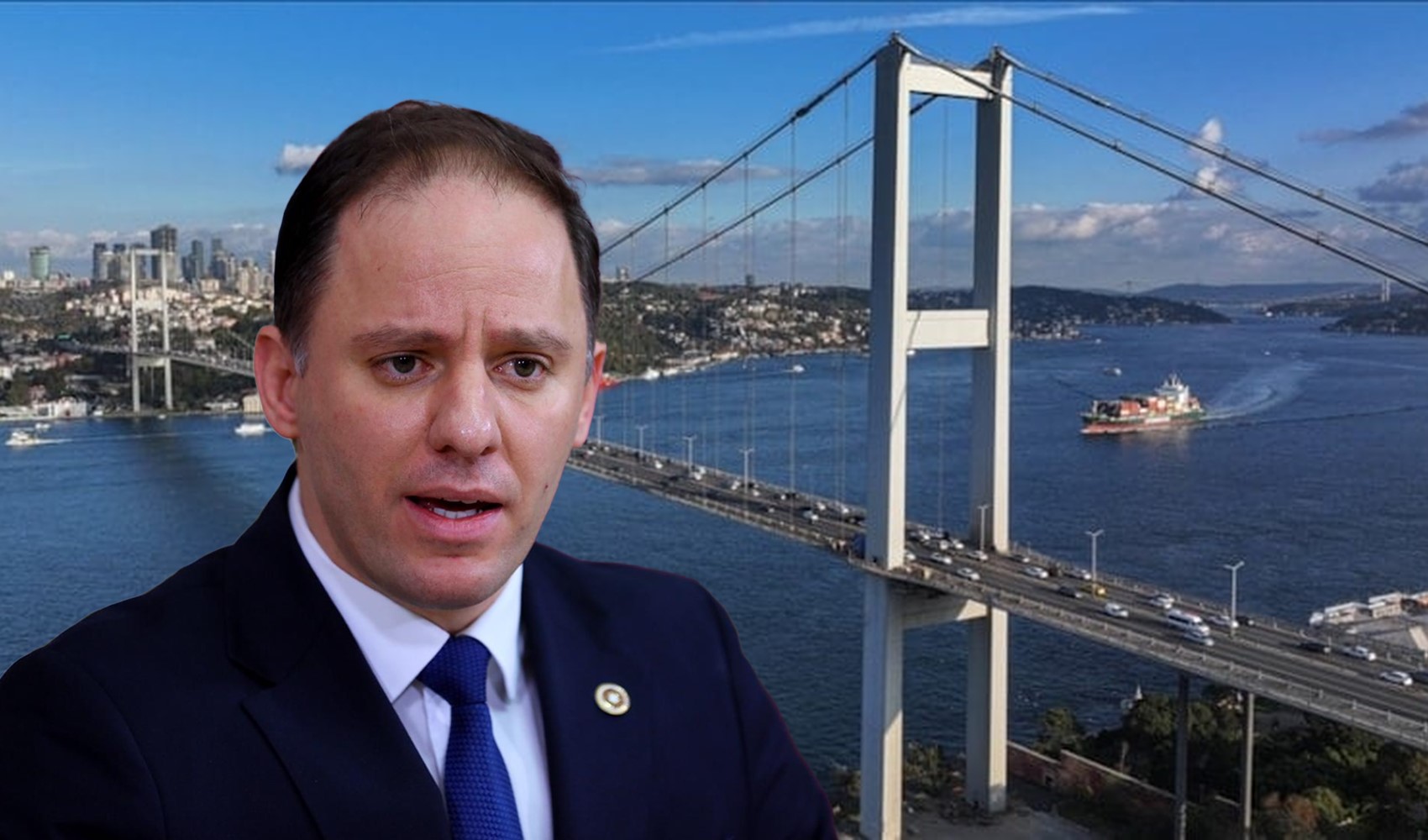
Bridges and highways are being privatized: 15 July and FSM are also on the list

Peugeot September 2026 price list is out

New details emerge in 'panel' operation targeting lawyers

Gökçek era detail in ABB investigation

Özlem Şanver: 'He said he would change, I believed him; should I be beaten just because I didn't leave?'

First statement from Osimhen after injury in Başakşehir match

The Süper Lig's new team becomes the transfer champion