



Recently, the remarks made by European Union (EU) officials, most recently by European Commission President Ursula von der Leyen, regarding Turkey have drawn significant reaction in our country. Those who reacted spoke of Turkey's importance, the EU's need for Turkey, and that Turkey would continue on its path even without the EU. But is Turkey doing what is necessary in the face of these words, has it done so, or will it? No. And that is exactly what the EU relies on most. Despite much harsher words being said about Turkey until now, does the fact that Turkey has taken no steps or given no active response, other than issuing statements, make EU officials even more daring and even arrogant? Yes.
Therefore, it is worth discussing the structural problems in Turkey-EU relations.
Because Turkey-EU relations are not merely Turkey-EU relations. They are much more than that. Because the EU is a party to the contradictions between power centers within Turkey. For this reason, the struggle between those who want to receive Europe's support through Turkey-EU relations (large capital circles, 'number-crunching' republicans, separatist Kurds, religious profiteers) and those who oppose it is a part of Turkey-EU relations. In short, the EU is a party in Turkey's domestic politics. It is on the side of political Islamists, ethnic separatists, liberals, 'number-crunching' republicans, and sectarians. These groups have tried and are still trying to defeat the nationalists, Atatürkists, patriots, republicans, and leftists and revolutionaries who have their feet firmly planted on Anatolian soil by receiving EU support. Turkey saw this in the Ergenekon, Balyoz, and Oda TV cases. While the EU was embracing the FETÖ terrorist organization just as it embraced the PKK terrorist organization, it did not make even the slightest statement for the commanders, journalists, writers, and scientists who were imprisoned in Silivri at that time. On the contrary, it supported that lawlessness. Today, the EU remains the greatest sanctuary and supporter of members of the PKK terrorist organization and the FETÖ terrorist organization.
WHOM DOES THE EU SUPPORT IN TURKEY?
The European Union interferes in Turkey's internal affairs and always stands behind the opposing side in bilateral and multilateral disputes to which Turkey is a party, sometimes by citing harmonization laws, sometimes UN twin covenants, sometimes the Kurdish issue, sometimes minorities that do not exist under the Treaty of Lausanne, sometimes by trying to portray our Alevi citizens as non-Islamic and a minority, sometimes by mentioning the Ecumenical Patriarchate, sometimes by citing alleged genocide claims, sometimes by mentioning Cyprus, sometimes the Aegean islands, sometimes the Annan Plan, and sometimes by talking about democracy and freedoms.
While ethnic separatists, sectarians, religious profiteers, 'number-crunching' republicans, liberals, and liberal leftists (whatever that means) in Turkey have used the EU effectively for their own purposes, the EU has used them most efficiently. In this way, it has made dozens, hundreds of demands against Turkey's independence, integrity, sovereignty, and political unity. The EU has been involved in all kinds of activities against the founding president and national hero Rauf Denktaş in the TRNC. It has wanted to eliminate Turkey from the island. EU officials like Karen Fogg and Günter Verheugen have drawn great reaction with their words against Atatürk and Atatürkism, and their statements against the Turkish nation, the Turkish state, and Turkish history. They have persistently defined citizens belonging to the Alevi faith as a minority, just as they have defined citizens of Kurdish origin as a minority. They have openly supported the PKK terrorist organization.
Some large capital circles in Turkey have also used the EU to further strengthen their hands domestically. They have made statements that would please the EU and had reports written that it would like. The goal here is to completely open our country, defenseless, to the service of Western capitalism. Alongside these capital circles, some unions, including those that are revolutionary, and those who pass for leftists and live off the left, have received funds from the EU. They have made silly remarks like "We are building the Europe of labor."
For all these circles, the EU has served as an umbrella. In the detachment of northern Iraq from Iraq and the establishment of a puppet Kurdish state, religious profiteers, ethnicists, the PKK terrorist organization, 'number-crunching' republicans, and neo-liberals have acted together with large capital under the umbrella of the US and its sidekick, the EU. In short, domestic power centers have used the impossible prospect of EU membership as a lever against Turkey.
FOR WHOM DOES THE WEST WANT DEMOCRACY?
One must see this: The imperialist West does not want for the rest of the world what it wants for itself. It talks about democracy, but it does so for itself. In the rest of the world, it supports anti-democratic regimes for its own interests. The West is democratic for itself, but abroad, it is colonialist, occupier, plunderer, racist, the greatest supporter of authoritarian regimes, and imperialist. There are countless examples of this in history.
While Turkey is being transformed toward federalism through feudalism, the West has supported and continues to support this in the name of democracy, freedom, and human rights. US and EU supporters have told the Turkish nation every time, "The EU wants it this way, there is no other option." In reality, however, the EU is against the Treaty of Lausanne and desires the Treaty of Sèvres.
There is more.
In foreign policy, relationships are reciprocal. They are based on mutual interest. Balance is sought in relationships. This is absent in Turkey-EU relations. The EU is always the receiving side, and Turkey is always the giving side.
The US and the EU have always found partners for themselves in Turkey. It makes no difference to them whether it is ANAP, DYP, SHP, CHP, or AKP. It makes no difference whether it is Kemal Derviş, Ali Babacan, or Mehmet Şimşek. It makes no difference whether it is center-right, social democrat, nationalist, or conservative. Because Brussels looks at what it will get from Ankara and how much it will get. It takes what it can get and does not look at the political history, ideology, or economic policy preferences of the one making the concession. That is why it walked the path with the AKP leadership, which abandoned the ANAP leader who said, "The road to the EU passes through Diyarbakır," in one second, and which, saying "We will be one step ahead of everyone on the road to the EU," supported the Annan Plan in the TRNC and scolded the national hero Rauf Denktaş in public by saying, "Let him go speak in his own parliament, let him not block the path to a solution."
THE EU GETS WHAT IT WANTS WITH THE CUSTOMS UNION
Thanks to the Customs Union, which was signed on March 6, 1995, and entered into force on January 1, 1996, the EU has been getting more than its share from Turkey without making Turkey a full member. It has established its influence over the internal market, customs regime, and foreign trade regime of Turkey, which is the first and only country to join the Customs Union without being an EU member. It has obtained as much guardianship as it wants over our country's economic relations with the world.
The EU has always acted hypocritically toward Turkey. It has applied double standards. Under normal circumstances, the EU first notifies candidate members of the membership decision and says it will make those countries members. Then it begins negotiations. How long the negotiations will take and when membership will begin are more or less clear. An approximate membership date is already given. None of this has been the case when it comes to Turkey. The EU has not given Turkey a membership guarantee. The negotiations are open-ended. It has stated that negotiations do not guarantee membership. It has indicated that even if Turkey becomes a full member, Turkish citizens might not be able to benefit from free movement. It has emphasized that even if Turkey is not made a full member, it must be tightly bound to EU institutions. It has expressed that even if governments say yes to Turkey's membership, any country that wishes can put it to a referendum. It has underlined that Turkey's full membership depends on the EU's absorption capacity.
That is why my esteemed teacher and friend, whom I remember with mercy and longing, Prof. Dr. Erol Manisalı, one of the scientists who knew the EU best in our country and thought the most about Turkey-EU relations, titled one of his dozens of books describing these relations, "Seduction in the Waiting Room" (Derin Yayınları, Istanbul, 2007). He emphasized that this relationship is not a relationship between two equal parties, but a relationship like that of a mistress or a concubine.
While discussing the future of the EU, Turkey should not forget this fact: The EU making Turkey a member is less about Turkey fulfilling what the EU wants and more about where the EU sees itself on a global scale. If the EU wants to be a global power and is willing to bear the cost of this, it will make Turkey a member. If the EU prefers to take advantage of NATO capabilities under the wing of the US and cannot afford to be a global power, it will not make Turkey a member.
Most importantly, the current state of the EU, the situation and priorities of Germany, which is the leader of this organization, and the disagreements arising from the scale differences, priority differences, interest differences, and preference differences of the EU member countries should not be forgotten.
Instead of dreaming of an EU that will never make it a member and has lost its appeal, Turkey, thanks to the great advantage provided by its geopolitical position, should establish relations in a multilateral, multipolar world—with the East and the West, with the North and the South—on the axis of mutual benefit and common interest. It should refuse to be an actor that balances the East on behalf of the West or Asia on behalf of Europe, and should stand out as an element of stability in its region.
Most Read
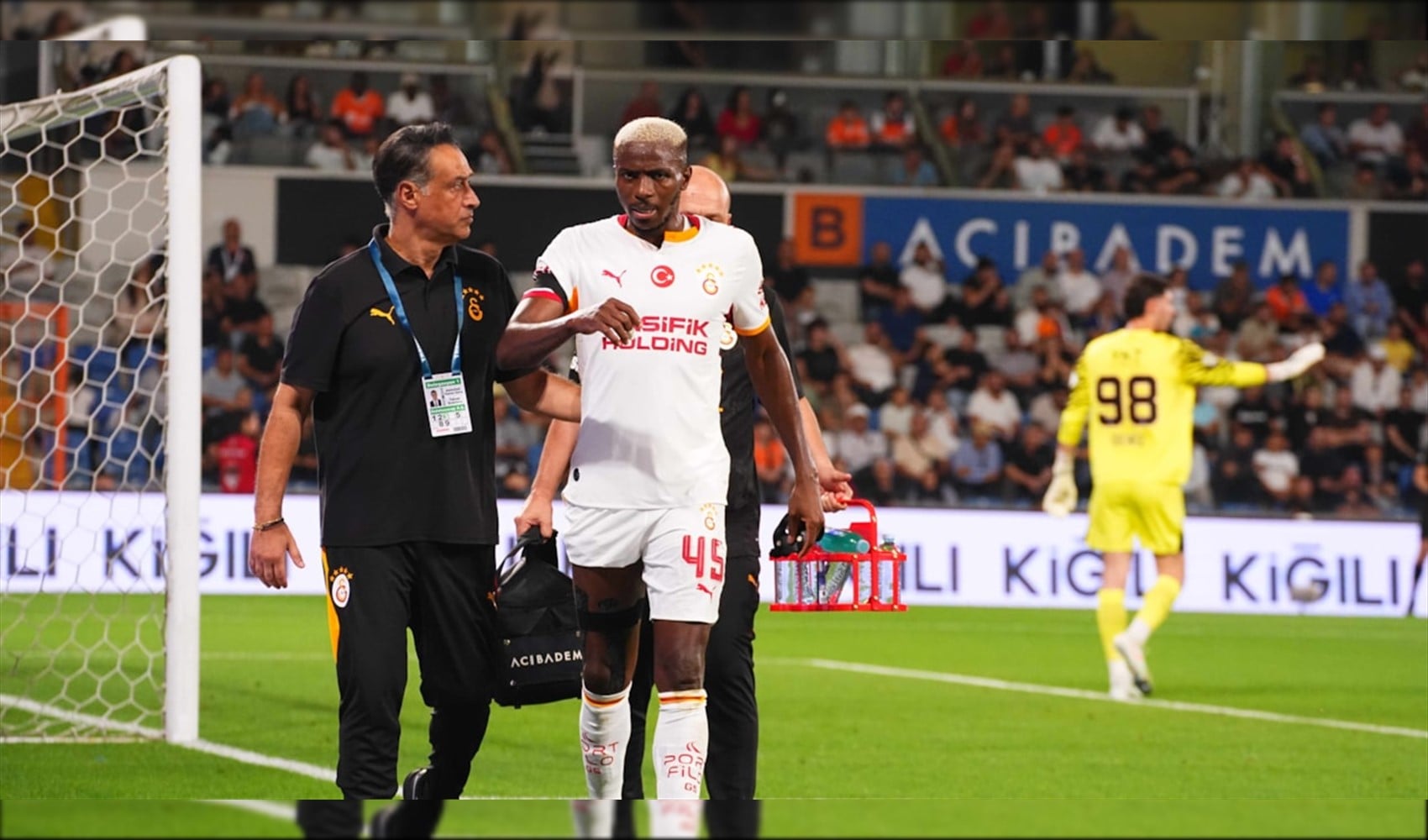
Galatasaray announces injury updates for Osimhen, Lemina, and Singo

Attention online sellers: Tax monitoring expanded
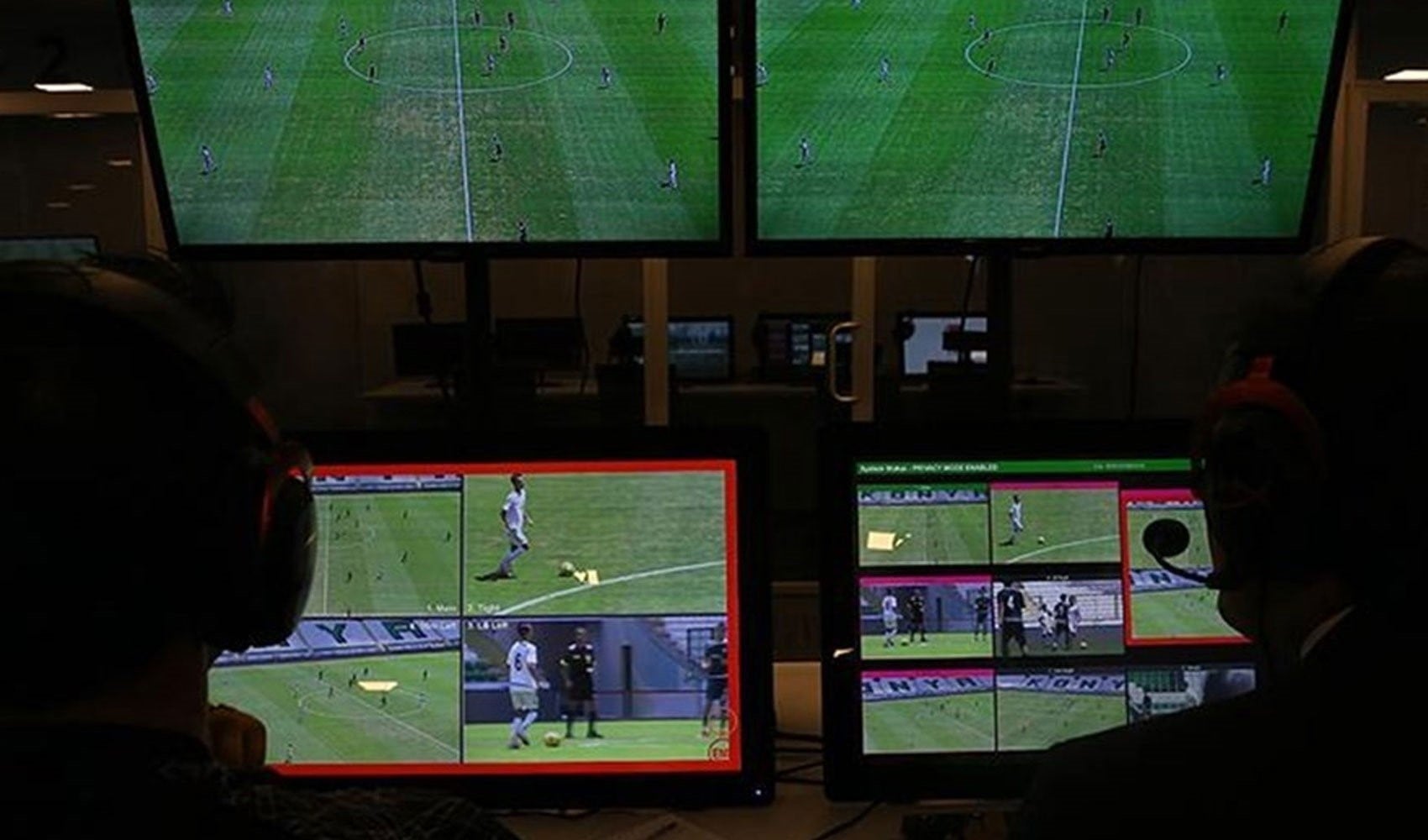
VAR for the Fenerbahçe-Beşiktaş derby has been announced!
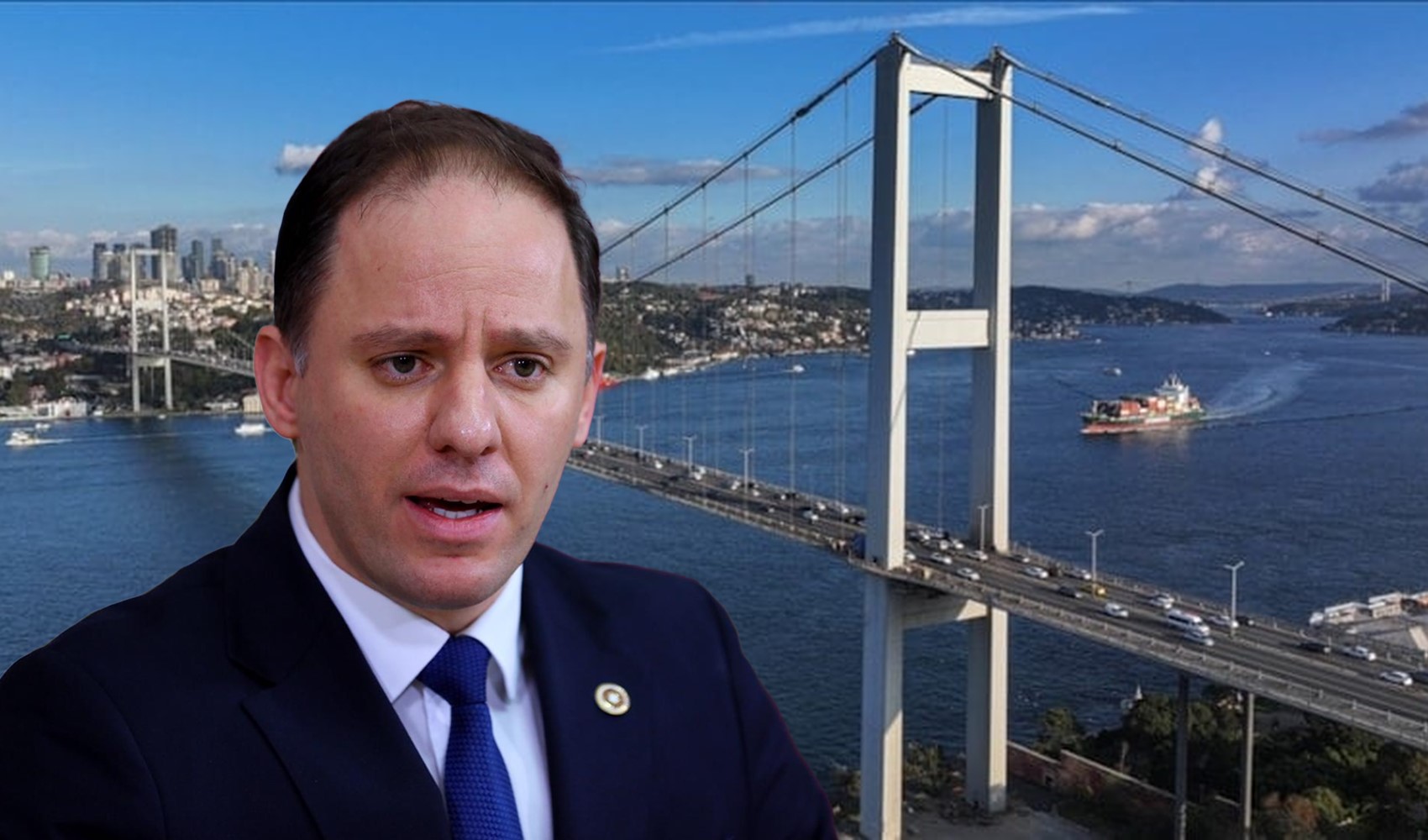
Bridges and highways are being privatized: 15 July and FSM are also on the list

Peugeot September 2026 price list is out

New details emerge in 'panel' operation targeting lawyers
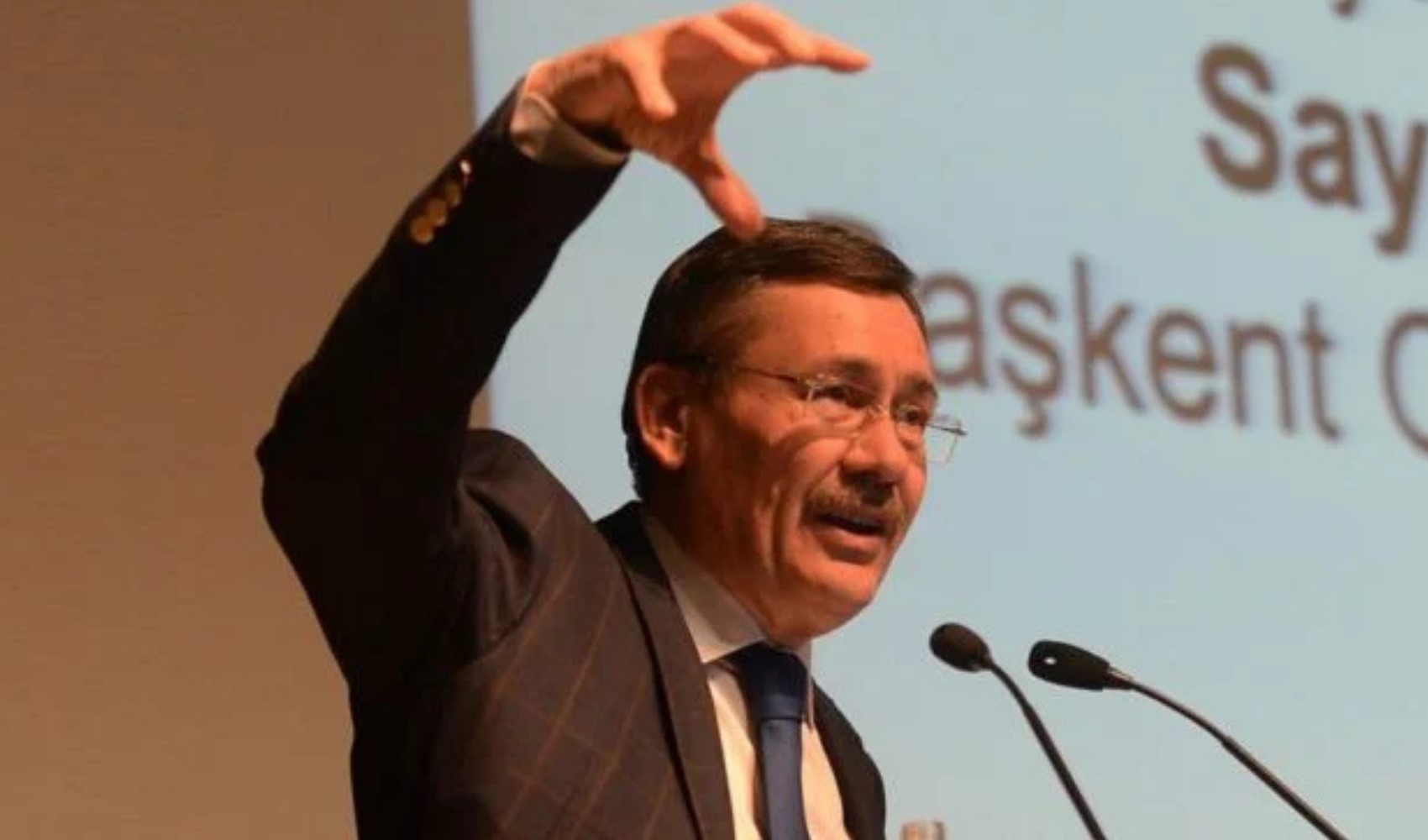
Gökçek era detail in ABB investigation

Özlem Şanver: 'He said he would change, I believed him; should I be beaten just because I didn't leave?'
First statement from Osimhen after injury in Başakşehir match
The Süper Lig's new team becomes the transfer champion