



Last month, we celebrated our Republic Day. On the 10th of this month, we commemorated Gazi Mustafa Kemal Atatürk as a nation. As they do every year, millions of our citizens flocked to Anıtkabir to offer their respect, love, and longing for the great leader. The enthusiasm for the Republic and the respect for Atatürk once again confirmed a point we frequently emphasize: As the state officials distance themselves from Atatürk, the great leader is embraced even more by the heart of the nation every year.
In recent years, insults directed at Atatürk have also increased, of course; we see them. These attacks result in nothing but diminishing the attackers themselves. Gazi Mustafa Kemal Atatürk is attacked not only by religious profiteers and faith-based racketeers, but also by their allies—ethnic separatists, those who want to take Turkey from feudalism to federalism, and so-called leftists. We call them the leftists of FETÖ. We know they live off socialism, mistake ethnicism for Marxism, sectarianism for communism, and localism for socialism. We see that many of them receive funding from the USA and the European Union. We observe that they are organized in bar associations, medical chambers, unions, academia, and the media. We watch them pull all kinds of strings to secure a parliamentary seat from the DEM Party, or if that fails, from the CHP.
Let us emphasize: if there is no independent state, if there is no sovereign state, there is no democracy there either. In a country that has been occupied, whose armies have been disbanded, that has fallen into a semi-colonial status, and in a society that has not been able to overcome feudalism, there is neither a nation nor can a revolutionary struggle be waged for the working classes.
Let us state that by ignoring, disregarding, or belittling Atatürk, no one becomes more revolutionary, more nationalist, or more Muslim. They only become a puppet, a satellite, an extension, a collaborator, or an apparatus of imperialism.
By liberating the homeland from occupation and establishing the Republic, Gazi Mustafa Kemal Atatürk not only prevented churches from being built in place of mosques and the sound of bells from rising instead of the call to prayer, but he also left a homeland and a state for both nationalists and socialists to engage in politics and wage their struggles.
Let us recall that in 1919, the year the War of Independence began, a large part of our country was under occupation. When the Republic of Turkey was founded in 1923, it had been only 23 days since Istanbul was liberated. The occupation lasted 4 years, 10 months, and 23 days, and Istanbul was liberated on October 6.
The Republic, founded by fighting against the Great Powers and their proxy force, Greece, progressed by solving many problems. In foreign policy, the most difficult issue experienced with the British was the Mosul question. When negotiations did not yield results, the matter went to the League of Nations, where the British view was accepted. Rebellion movements, large and small, primarily the Sheikh Said Rebellion, caused headaches for Ankara. During that period, the Italians and Greeks were patrolling the Mediterranean and the Aegean Sea with their navies.
Despite all this, Turkey played an active role on a regional scale, succeeded in becoming a regional actor, and was accepted as an equal and respected actor in the international relations system in a short time. The Balkan Entente (1934), the Saadabad Pact (1937), the Montreux Convention Regarding the Regime of the Straits (1936), and the annexation of Hatay to the motherland (1939) are proofs of this success. For this reason, in the 1930s, Gazi Mustafa Kemal Atatürk's Turkey was a state that the great powers of the era—Britain, France, and Germany—wanted to draw to their side and develop relations with, and whose friendship Russia valued highly.
Atatürk is known not only for realism in foreign policy but also for his region-centered stance and anti-imperialism. He is a leader who closely monitors geopolitical developments, the course of the world, and the conjuncture; follows the balance of power and changes in these balances; and attaches great importance to fundamental foreign policy principles such as respect for internal affairs and reciprocity.
Gazi Mustafa Kemal Atatürk is a leader who builds and creates institutions, not one who destroys or breaks them, whether in domestic or foreign policy. Just as the Parliament and the Republic are the greatest proofs of this, he also described the party he founded, the CHP, as the "political organization of the revolution."
Most Read
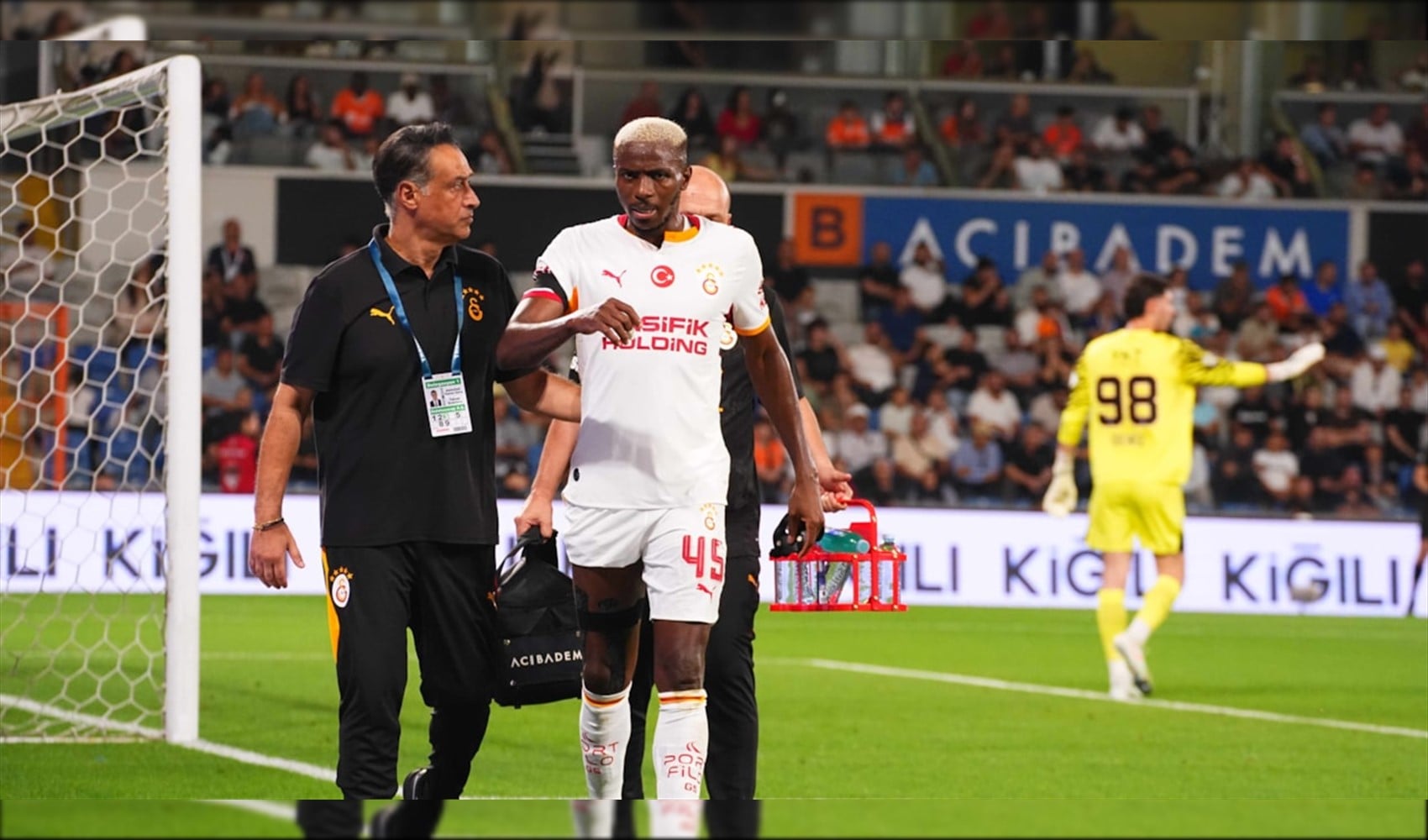
Galatasaray announces injury updates for Osimhen, Lemina, and Singo

Attention online sellers: Tax monitoring expanded

VAR for the Fenerbahçe-Beşiktaş derby has been announced!
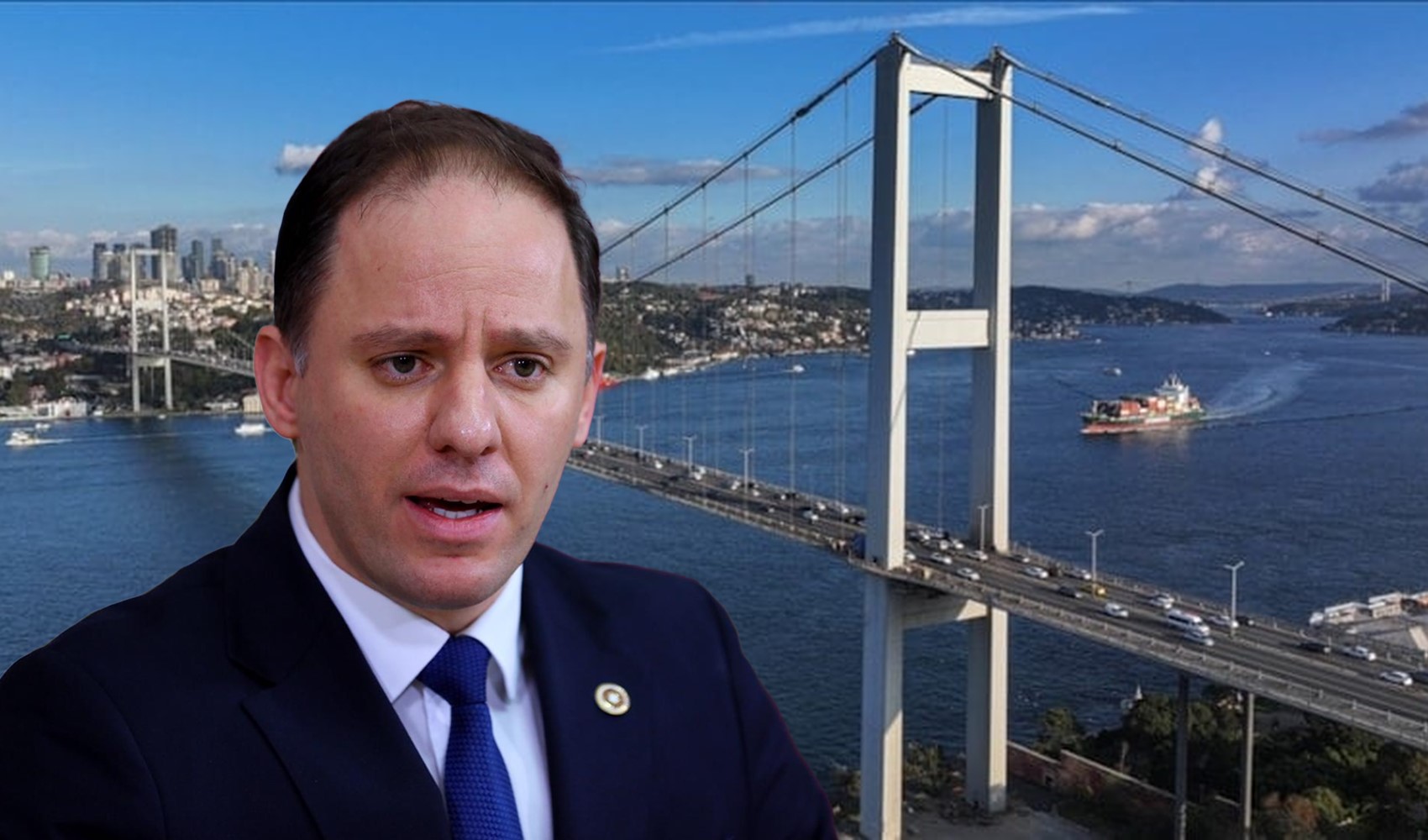
Bridges and highways are being privatized: 15 July and FSM are also on the list

Peugeot September 2026 price list is out

New details emerge in 'panel' operation targeting lawyers
Gökçek era detail in ABB investigation

First statement from Osimhen after injury in Başakşehir match

Özlem Şanver: 'He said he would change, I believed him; should I be beaten just because I didn't leave?'

The Süper Lig's new team becomes the transfer champion