


The Turkish economy in the Middle East's ring of fire: From shaken balances to rising risks, opportunities, and strategic transformation



The Iran-Israel war, with its fuse relit in the Middle East, is not merely a regional conflict; it has transformed into a jarring geoeconomic earthquake that triggers a fragile chain extending from the Strait of Hormuz to Turkey's financial markets, energy supply, tourism, and social balances. While external dependence on oil, rising CDS premiums, inflation triggered by exchange rate pressure, and potential waves of migration once again reveal how vulnerable the Turkish economy is to external shocks, it also opens a significant window of opportunity for structural reforms that have been postponed for years.
This crisis has not remained limited to a military and political problem; it has created a ripple effect of a magnitude that could shake global economic balances. Developments clearly show how resistant Turkey's already fragile economic structure is to external shocks. This crisis, which creates multi-layered pressures on the axes of energy, finance, and the real sector, not only shakes Turkey but also presents a historic opportunity for a transition from “fragility to resilience” by solving its structural problems.
THE SHOCK IN ENERGY PRICES AND TURKEY'S STRATEGIC VULNERABILITY IN TERMS OF ENERGY SUPPLY SECURITY
The Iran-Israel tension has brought the Strait of Hormuz, the heart of global energy trade, back to the center of the international agenda. The risk of this narrow passage, through which approximately 20 million barrels of oil and 306 million cubic meters of LNG pass daily, being closed by Iran in the event of US and UK involvement in the process, has increased the upward pressure on energy prices.
In the past, during the trade war between the US and China, the price of a barrel of Brent crude fell to as low as $58.60, seeing its lowest level since February 2021. However, following the recent conflicts, Brent crude has risen again, exceeding $75. In this context, prices reaching $100 is no longer a distant possibility.
Turkey is a country that imports 90% of its energy needs and is highly dependent on foreign sources for natural gas. Moreover, a significant portion of these imports is carried out from Iran (20% natural gas), Russia (70% oil), Iraq (25% oil), Azerbaijan (15% natural gas), and Kazakhstan (5% oil). This situation makes Turkey vulnerable not only to price fluctuations but also to supply security risks.
The structural problems Turkey faces in energy supply security are noteworthy. First of all, energy imports are concentrated in a few countries; this increases vulnerability to geopolitical developments. On the other hand, liquefied natural gas (LNG) infrastructure is not yet sufficiently developed; this limits both resource diversity and market flexibility. Furthermore, although renewable energy investments are increasing, their share in total energy production is still below the targeted level. This triple picture necessitates a radical transformation in Turkey's energy policy.
PRESSURES ON INFLATION AND THE COST CHAIN
Developments such as wars, pandemics, and natural disasters create supply-side shocks, increasing the risk of “stagflation,” where stagnation and inflation are seen simultaneously. The rapid increase in energy prices deepens this risk for Turkey. Oil prices exceeding $100 could lead to breaks in supply chains and a contraction in domestic demand.
According to estimates, every $10 increase in the price of oil raises inflation in Turkey by 1.5% – 2% and increases the current account deficit by approximately $4 billion. If prices rise to the $120–130 band, a risk of an additional $25–30 billion current account deficit arises. This increases the demand for foreign currency, creating serious pressure on the exchange rate and inflation; it leads to high interest rates and weakens economic growth.
At the same time, a decrease in Turkey's exports to countries with which it has a foreign trade surplus, such as Iran and Israel, could narrow the supply of foreign currency. An increase in the regional risk perception could lead to a decrease in the number of tourists coming from Iran and a general decline in interest in Turkey. These developments could lead to losses in export and tourism channels, and consequently, new economic vulnerabilities through exchange rates and inflation.
Rising energy prices affect not only fuel and heating costs but the entire production chain. While input costs are increasing in sectors such as industry, construction, agriculture, and transportation, security risks in the Suez Canal and the Red Sea are driving up freight and insurance expenses. This creates pressure on the PPI, which then reflects on the CPI with a delay, causing sharp increases in consumer prices.
In light of all these dynamics, the “disinflation” process voiced by the government has slowed down; reaching price stability will have become a longer-term and more challenging goal.
RISK OF CONTRACTION IN PRODUCTION AND INDUSTRY
The increase in energy and exchange rate costs significantly increases the risk of production contraction, especially for SMEs and sectors that heavily use imported energy sources. Weakness in domestic demand and uncertainties in export markets also make it difficult for industrialists to receive new orders, which puts direct pressure on industrial production. Due to rising costs and a contraction in demand, there is a decline in capacity utilization rates, which negatively affects production efficiency. Companies operating in sectors such as textiles, food, and automotive spare parts that export to the Middle East market are facing order cancellations due to political and economic uncertainties in the region and are experiencing losses in foreign markets.
According to data from the Turkish Statistical Institute (TÜİK), Turkey realized approximately $3.2 billion in exports to Iran and $2.5 billion in imports in 2024. Thus, the total trade volume between the two countries reached $5.7 billion. On the other hand, disruptions in logistics and rising transportation costs cause serious delays in raw material and input supply chains; this makes production processes more fragile.
VOLATILITY IN FINANCIAL MARKETS: THE CDS, INTEREST RATE, AND EXCHANGE RATE PINCH
With the increase in geopolitical risks, Turkey's credit default swap (CDS) premium has started to rise again. This increase not only causes external borrowing costs to rise but also seriously damages investor confidence. While tension in the Middle East creates a jump in energy prices and significant pressure on the exchange rate, it causes investors' demand for safe havens to remain high. Accordingly, Turkey's 5-year CDS premium rising back above 300 basis points continues to increase upward pressure on exchange rates and interest rates.
This chain of volatility turns into a vicious cycle that triggers each other. The rise in the CDS premium pushes up the interest rates of government bonds, and with this increase, Turkey's borrowing cost rises. This leads to an acceleration of sales on Borsa Istanbul and investors turning to gold and foreign currency in search of a safe haven. As the pressure on the TL increases, the exchange rate rises, which causes inflation to gain momentum again through exchange rate pass-through. As a result, the government's efforts to ensure price stability are disrupted, and the Central Bank's flexibility in using monetary policy tools is severely narrowed.
SECURITY PERCEPTION CRISIS IN TOURISM
Turkey aimed to make a strong start to the 2025 summer tourism season with expectations of high foreign currency revenue. However, the regional tension increased by the Iran-Israel war is causing Turkey to be perceived as a “risky region,” especially in European public opinion. When security concerns and already high tourism prices are combined, the possibility of tourists changing their preferences against Turkey strengthens. This could lead to a decrease in the number of European tourists, a drop in per-person nightly spending, and cancellations in early bookings as well as hotel occupancy rates. Such a development does not only mean a loss in foreign currency revenues; it also causes a chain reaction that could negatively affect tourism-related employment, domestic demand, and many side areas in the expanding service sector.
NEW WAVES OF MIGRATION: SOCIAL AND BUDGETARY PRESSURES
The expansion of the Iran-Israel war on a regional scale could make the risk of a new and mass wave of migration for Turkey inevitable. A new influx of refugees likely to head to Turkey from countries with a high probability of being dragged into a conflict environment, such as Iraq, Syria, and Lebanon, will further pressure the social structure of Turkey, which is already hosting approximately 4 million Syrian refugees. Such a development could complicate existing social cohesion policies while deepening integration problems.
The increase in the number of immigrants will rapidly increase the demand for basic public services, especially housing, health, and education; this will bring about a serious increase in public expenditures. Infrastructure inadequacies, resource shortages, and pressure on administrative capacities will increase, especially in metropolitan areas, and service delivery may be disrupted. These structural pressures could further negatively affect the already fragile perception of immigrants in society. Fueling xenophobia could pave the way for increased social unrest and social tensions. Therefore, developing a holistic migration management strategy that considers not only humanitarian but also social and economic impacts against such a scenario has become an unavoidable necessity.
WHAT SHOULD TURKEY DO AGAINST ALL THESE RISKS? STRATEGIC RECOMMENDATIONS
The crisis deepened by the Iran-Israel war, while once again making Turkey's long-standing structural problems visible, also provides a strong justification for reform to solve these problems. There are some priority areas for Turkey that have become unavoidable.
• In the field of energy, Turkey must first develop its liquefied natural gas (LNG) infrastructure. This is important both to increase resource diversity and to ensure supply security. Turkey needs to reduce energy imports from risky regions such as the Strait of Hormuz and rapidly implement country and product diversification policies for energy supply security. In addition, accelerating renewable energy investments will both reduce foreign dependence and contribute to sustainable economic growth. Furthermore, making long-term energy agreements to provide supply from different geographies such as Africa, Central Asia, and the Eastern Mediterranean will create a more resilient structure against geopolitical risks.
• In the financial field, structural reforms aimed at reducing the risk premium must be implemented. Among these reforms, strengthening the legal system, ensuring fiscal discipline, and restructuring education policies according to economic needs should come to the fore. Likewise, transparency and consistency should be ensured in exchange rate and interest rate policies; foreign policy and diplomatic steps that will increase the confidence of international investors should be taken.
• In the tourism sector, steps should be taken to provide diversity and resilience. Turkey should open up more to alternative markets such as Asia and Gulf countries; it should develop effective communication strategies that will protect the country's image during crisis periods. Investments in alternative areas such as culture, health, and nature tourism will increase the sustainability of tourism revenues.
• In terms of social policies, migration management is a critical heading. Turkey should effectively use European Union funds and international support mechanisms against the possibility of new migration waves; it should invest in projects that will ensure social cohesion, local government support, and educational infrastructure. In this way, both social tensions can be prevented and social integrity can be preserved.
All these headings are areas of strategic transformation that will enable Turkey not only to survive the crisis but also to achieve a more resilient and sustainable structure.
CONCLUSION: FROM SHAKEN BALANCES TO STRATEGIC TRANSFORMATION
The geopolitical tremor triggered by the Iran-Israel war has become a multi-layered crisis that affects Turkey not only at the level of economic indicators but also in its deep, structural, and strategic dimensions. These developments seriously question how fragile the current economic order is and the sustainability of the current economic model, which is based on foreign-dependent elements such as energy, foreign trade, and hot money. The developments show how vulnerable the country remains not only to short-term fluctuations but also to strategic threats.
It is essential for Turkey to move away from a position of only “reacting to crises” and move towards a proactive, resilient, and sustainable development model. This mandatory transformation should not be limited to economic policies; it should be based on a holistic strategy covering many areas from energy security to foreign policy, education to technology, agriculture to digitalization.
Turkey now needs to transition to a structure that strengthens its strategic reflexes, is based on foresight, can sense crises in advance, and meets them with prepared policies. Preparing for the future is only possible through structural reforms. Strengthening judicial independence, not compromising on fiscal discipline, basing policies on transparency and accountability, and institutionalizing science-based policy production should form the basic building blocks of this transformation.
Infrastructure investments that will increase energy supply security, orientation towards renewable resources, increasing agricultural production capacity, transition to value-added industry, training qualified human resources, and strengthening social cohesion policies will enable Turkey not only to overcome the current crisis but also to become a more resilient country against similar shocks in the future. At this point, Turkey needs a vision that is not inward-looking, but open to international cooperation, capable of producing opportunities from crises, and prioritizing long-term prosperity. The Iran-Israel war is not just a regional conflict for Turkey; it is also a breaking point, a crossroads.
This crisis is a political, social, and strategic warning as much as it is an economic one. If Turkey reads this warning correctly, it will not only limit the damages of this period; it will also seize the chance to leave a stronger, more independent, and resilient economy to future generations.
In this process, Turkey should not be an actor that watches the crisis, but one that is part of the solution, encourages peaceful paths, and leads regional dialogue and diplomacy. Because one of the countries that will pay the economic and humanitarian price of this conflict in the heaviest way will again be Turkey. A stance in favor of peace is not just a foreign policy preference; it is also an indispensable condition for economic stability and social peace.
Would you like to get notifications about new developments and save news?
- NotificationsNew developments and breaking news
- SaveNews is stored in the app
Most Read

National Anthem surprise from Japanese Ambassador

Kılıçdaroğlu sends formal notice to YENİ Party
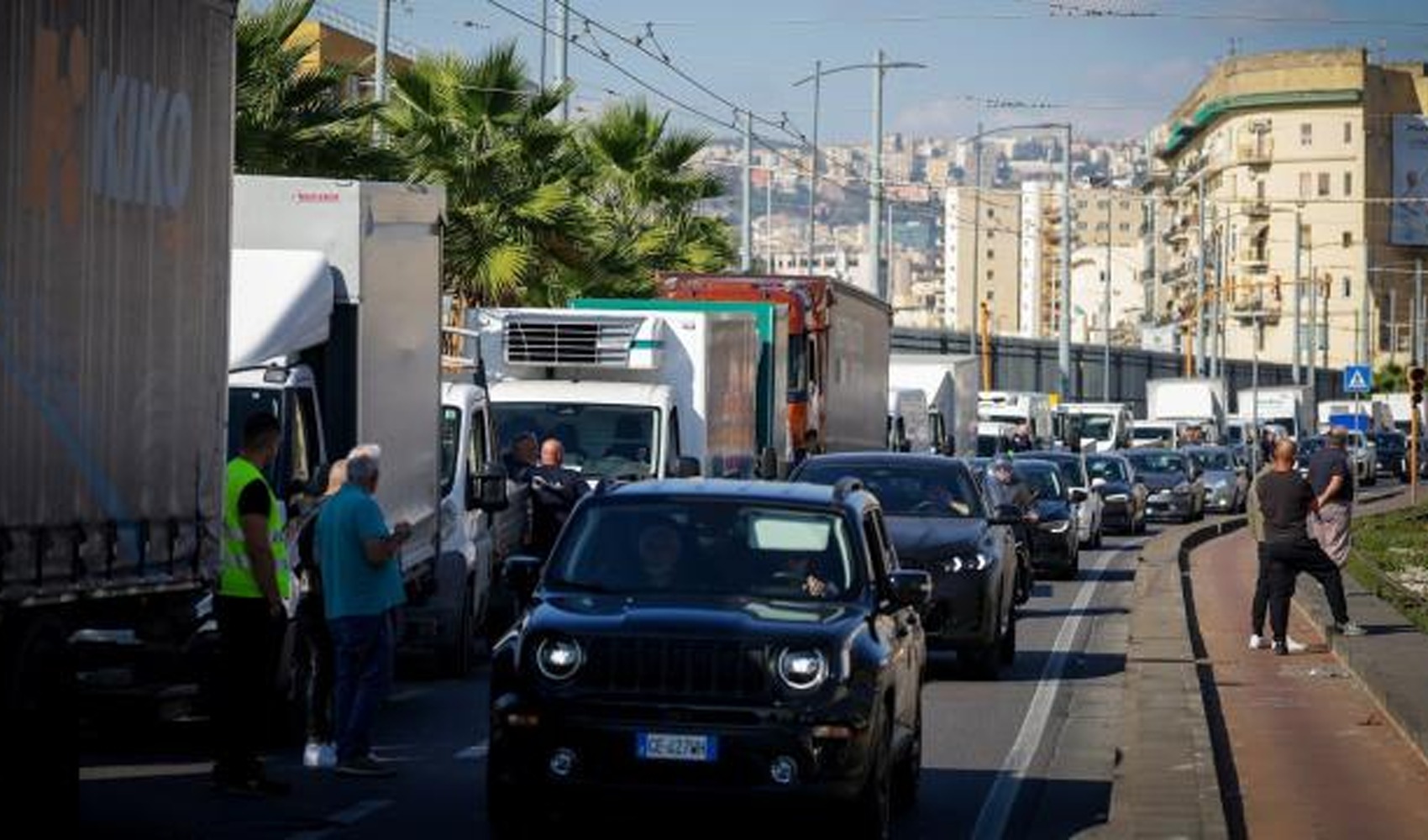
Diesel protest in Italy brings roads to a standstill

Is it time for the Turkish Parliament to revoke its 31-year-old 'Casus Belli' decision?

No to the 'opening' bar masked as change, yes to the Republic's bar
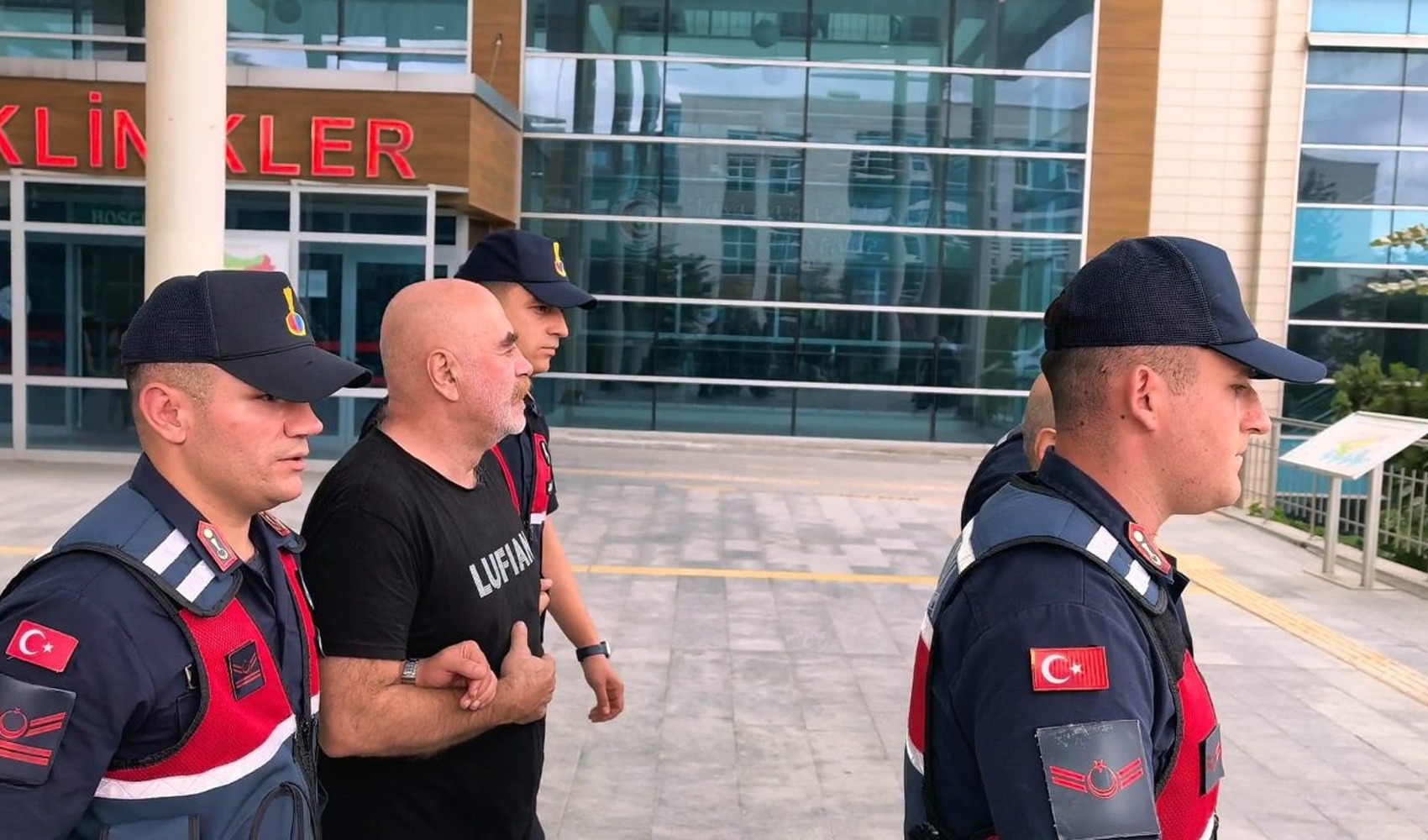
Ezel Akay and his brother's test results came back positive

Why is Paris burning? The crisis of the welfare state and the revolt of social justice

The politics of particles and the financing puzzle: 'Calamitous questions'

A new balance in the Eastern Mediterranean

Fenerbahçe's sponsor in crisis