



Today, technology has permeated every aspect of our lives. While artificial intelligence continues to transform many sectors, it is also opening the doors to a new world for children. However, the impact this digital revolution will have on children's development is a subject of debate among parents and educators. On one hand, artificial intelligence can make children's learning experiences more fun and interactive, while on the other, it can push them toward mental laziness or taking the easy way out.
Artificial intelligence technologies have the potential to revolutionize education. In particular, personalized learning tools offer content that can be adapted to each child's individual pace and needs. AI-based applications enable children to work more efficiently in subjects such as reading, writing, mathematics, technology design, and science, while also supporting their creative thinking skills. For example, language learning apps teach children new words in an interactive way, while audiobooks and educational robots capture children's interest and encourage their active participation in the learning process.
AI-based games and applications prepared for children offer both a fun and educational experience. Such tools can improve children's abilities in areas like problem-solving, analytical thinking, and social skills. However, the effects of artificial intelligence on children are not solely positive. Like every technological innovation, artificial intelligence also carries certain risks. First and foremost, we do not yet fully understand the effects of artificial intelligence on children. Because children grow up with the convenience offered by the digital world, they face the risk of weakened social skills. As the time they spend in front of screens increases, the decrease in face-to-face interaction negatively affects their empathy skills and emotional intelligence development. Children become detached from the real world, spending too much time in the virtual world and becoming overly dependent on technology.
Another risk is that the information readily provided by artificial intelligence may dull children's sense of curiosity or their drive to learn. The most well-known example of this is children having artificial intelligence do their homework! At this point, it is believed that during the homework process, where they remain passive in front of the screen, their skills in accessing information weaken, and their sense of curiosity is dulled by the influence of the ready-made information provided.
Another significant risk concerns data security and privacy. Artificial intelligence applications collect personal data, and this data can be misused. Children may share their personal information without realizing it while using artificial intelligence technologies. In particular, AI-supported games or social media platforms can target children, presenting them with unwanted advertisements or manipulative content. This affects their emotional worlds, leading them to make wrong choices or encounter problems such as bullying.
Educators and parents have a major responsibility to ensure that children benefit from artificial intelligence in the best possible way. AI-supported tools can help teachers be more efficient; however, it is very important that teachers use these tools carefully and consciously. Ensuring that their children establish a healthy relationship with technology is a very sensitive issue for parents. Limiting children's interaction with digital tools, monitoring screen time, and encouraging them to set aside time for physical activity and social interaction are important points that parents should pay attention to. Parents should also understand which applications their children are using and how these applications work, providing guidance when necessary.
Artificial intelligence can support children's development, prepare them for the future, and make learning processes more efficient. However, the potential dangers of this technology must be taken into account, and measures must be taken to ensure that children have a healthy digital experience. It is very important for educators, parents, and technology developers to work together to create a safe, educational, and fun digital world for children.
Let us not forget that artificial intelligence is a fun learning tool for children. To make the best use of this resource, parents, educators, and technology developers must be careful and conscious at every step!
Most Read

Galatasaray announces injury updates for Osimhen, Lemina, and Singo

Attention online sellers: Tax monitoring expanded
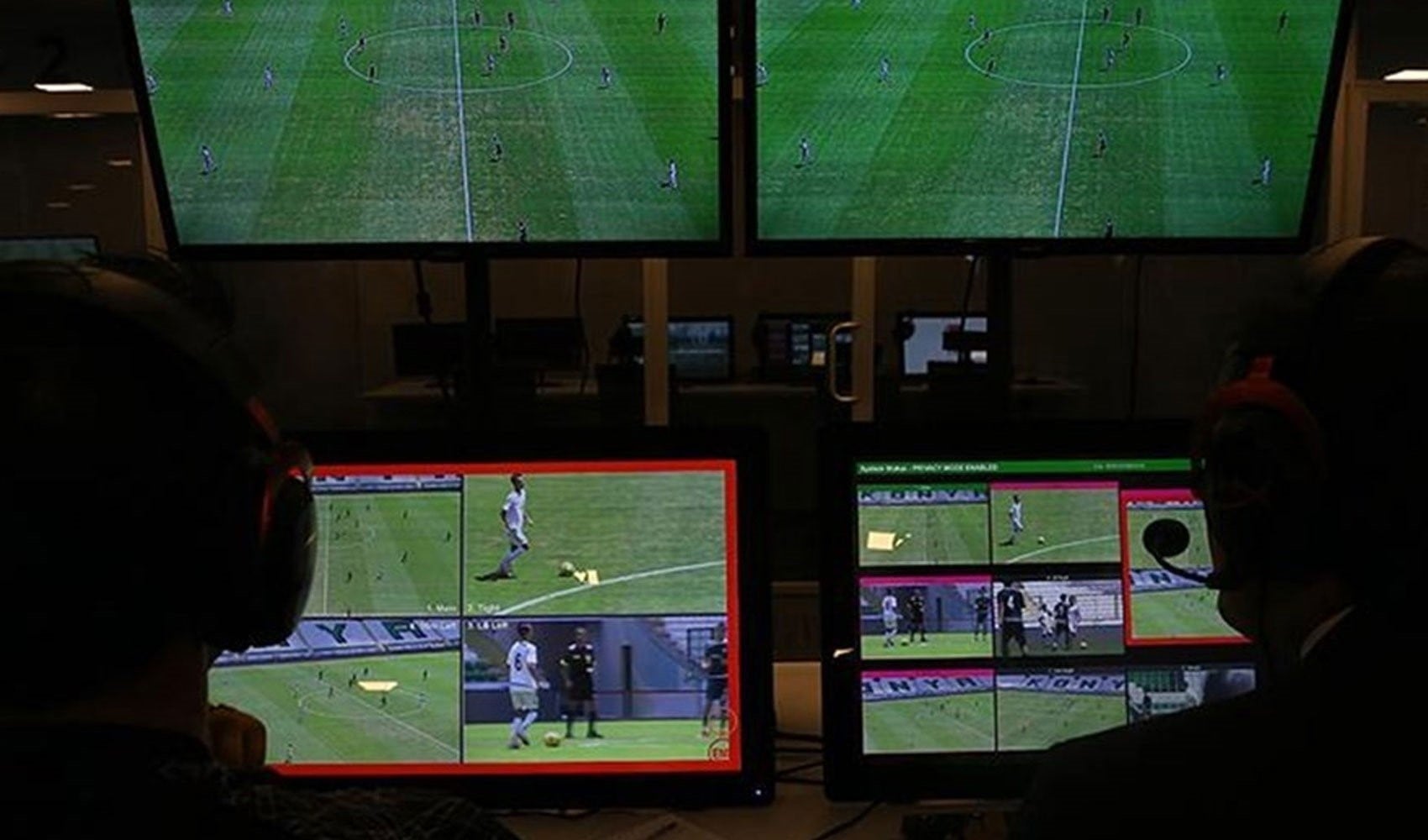
VAR for the Fenerbahçe-Beşiktaş derby has been announced!

Bridges and highways are being privatized: 15 July and FSM are also on the list

Peugeot September 2026 price list is out

New details emerge in 'panel' operation targeting lawyers

Gökçek era detail in ABB investigation

Özlem Şanver: 'He said he would change, I believed him; should I be beaten just because I didn't leave?'

First statement from Osimhen after injury in Başakşehir match

The Süper Lig's new team becomes the transfer champion