



CYANIDE DIARIES FROM BERGAMA-4
The issue of cyanide and gold, along with the negative consequences it creates, has been a topic of discussion in the world and in Turkey for years.
It is understood that it will continue to be so.
The first "cyanide gold mine" in Turkey began operations in 1975 in Kütahya-Gümüşköy, run by ETİBANK, which belonged to the Republic of Turkey. In 1980, a facility was established to separate silver from the soil. (https://www.etimaden.gov.tr/tarihce).
There was no functional competence in the country yet to implement such an operation, which could be described as an "open-air poison factory." The Germans were consulted.
Such a facility established in Kütahya-Gümüşköy was taken over for operation by the German company KRUPP in 1987. (https://www.dedeliyatirim.com.tr/tarihce.php).
And the soil in Anatolia was introduced to terrifying poisons such as "cyanide and its compounds, and arsenic."
Poisons like "cyanide" had already been used extensively in Germany during World War II, and for similar reasons, the executives of the KRUPP company, which operated this facility in Kütahya, had been tried as "war criminals."
The irony is that although this toxic technology was first implemented in Turkey by a "notorious" German company, years later, in the 1990s, when a multinational company backed by German firms pushed the country to operate a "cyanide gold mine" in Bergama, environmentalists who opposed it were accused of acting in the interests of Germany with the outcry that "the German state does not want gold to be extracted from mines in Turkey."
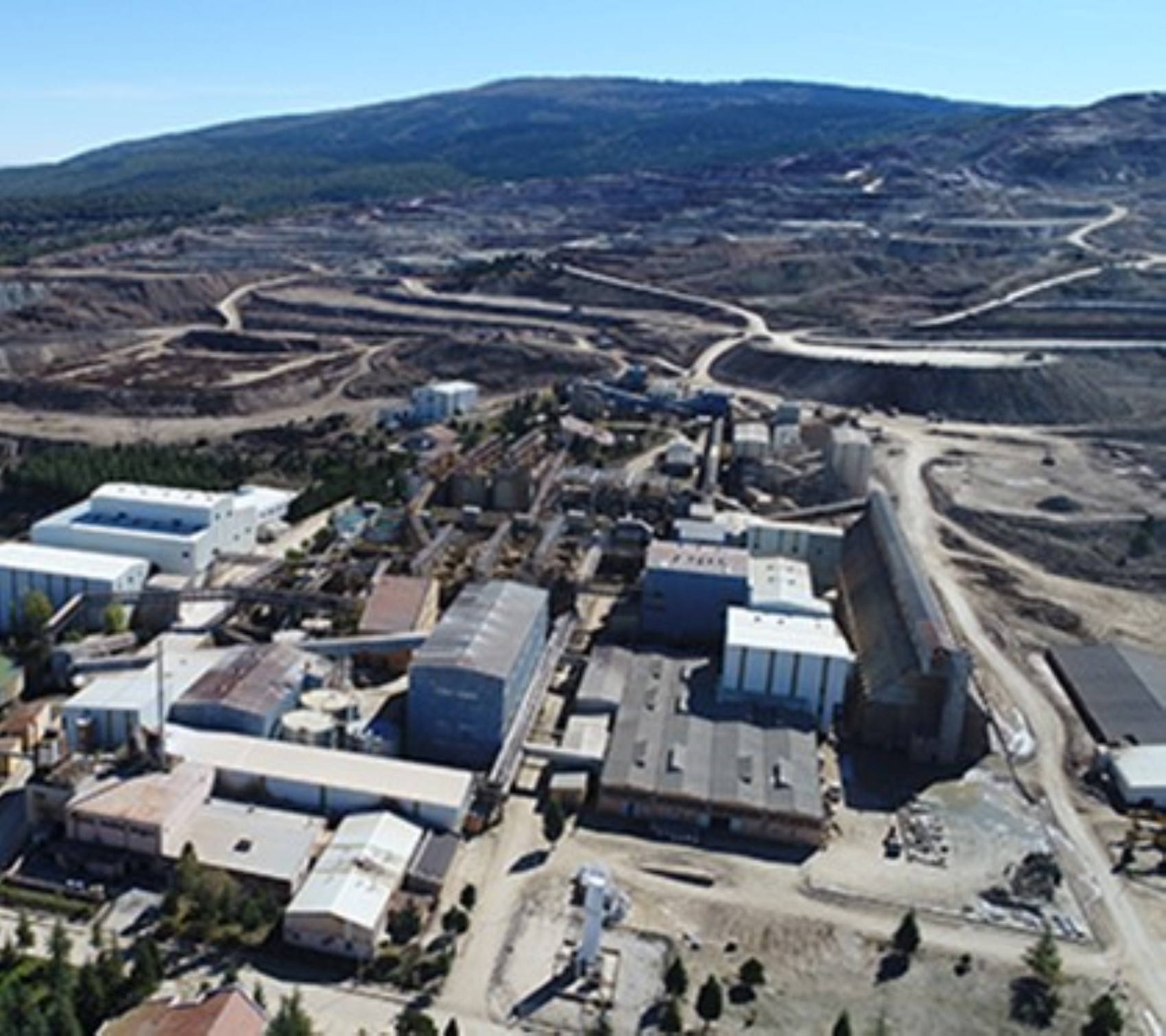
(Kütahya-Gümüşköy cyanide silver-gold mine and facility)
The Republic of Turkey's ETIBANK and its subsidiary ETI GÜMÜŞ, which brought poison to Kütahya's soil by emulating "cyanide gold mines" in foreign countries, were sold in 1998 to famous media mogul and politician Dinç Bilgin and Cavit Çağlar as part of the privatization efforts that had become the country's economic policy.
These individuals, who failed to manage the business (!), were tried on the grounds that they "caused losses to ETIBANK and the State."
The state's Banking Regulation and Supervision Agency (BDDK) seized ETIBANK in 2000.
***
The DSP-MHP-ANAP coalition government, established in 1999 under the premiership of Bülent Ecevit, was struggling to cope with high public debt and constantly increasing budget deficits in this environment. The economy had become very fragile.
Kemal Derviş, who came from the US, was appointed to resolve the major economic crisis that erupted in February 2001. An agreement was reached with the IMF.
The public was exhausted by policies known as "tight monetary policy"! Inflation and poverty spiraled out of control.
As a result of the social upheaval caused by this situation, the public began searching for new alternatives.
The AKP, founded on August 18, 2001, under the leadership of Tayyip Erdoğan and Abdullah Gül, came to power in the general elections held on November 3, 2002.
The country was heading toward a different political climate.
Just as the political actors were changing, so too were the economic actors.
Naturally, adaptation to the "global economy" and adherence to the "rules of capitalism" were essential.
However, the presence of "religious elements," which had always had an influence on the country's politics, would gradually become dominant, and the intentions and actions to transform society would become increasingly apparent.
This was also a harbinger of new political conflicts.
***
In this new environment, the ETİ GÜMÜŞ COMPANY and the “cyanide-based silver-gold mine and facility” in Kütahya-Gümüşköy were sold to “Yıldızlar SSS Holding” and “KOZA-İPEK HOLDING” in 2004.
Now, alongside the large conglomerates that had existed in the Turkish economy for a long time, such as KOÇ, SABANCI, ECZACIBAŞI, etc., new and aggressive entrepreneurs who had emerged from the “heart of Anatolia” (!) were taking the stage.
Beyond their traditional businesses, they were expanding into new investment areas.
They were growing while still small, and they were transforming!
Major capital holders were diversifying and gaining power.
“Yıldızlar SSS Holding” had completely acquired the “SÖĞÜT SERAMİK” establishment, founded in 1973, in 2003, and had been growing rapidly in ceramics, granite stone masonry, energy-petroleum, and mining!
It had a strong wind behind it!
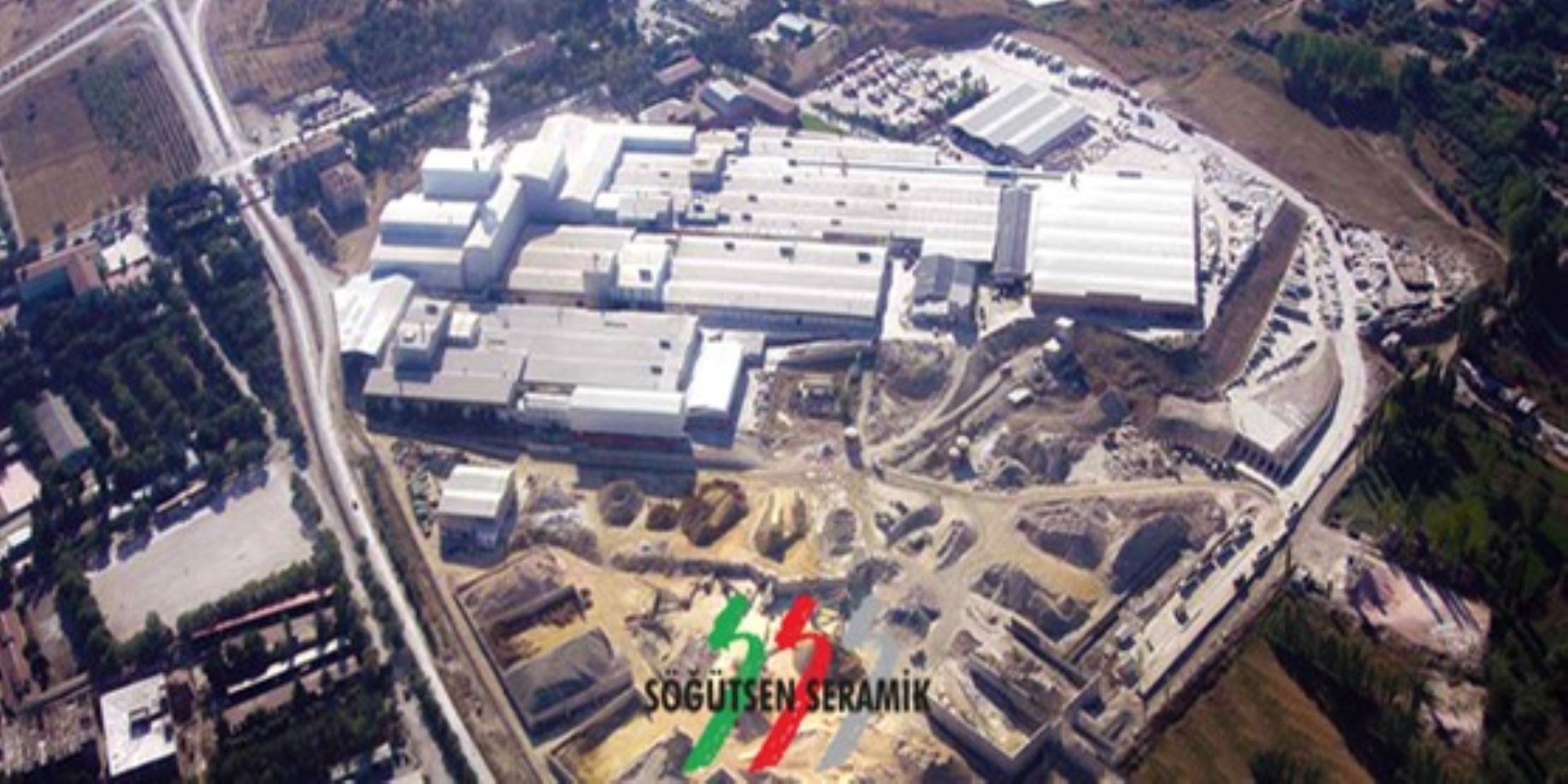
(Söğüt Ceramic enterprise)
In addition to the "toxic silver mine" in Kütahya-Gümüşköy, "Yıldızlar SSS Holding" was establishing a copper ore enrichment facility in the "Midi" locality of Gümüşhane center through its subsidiary companies, and was also preparing to operate a "cyanide gold mine" in the same region.
There was also an attempt to build a coal-fired thermal power plant in the Orta district of Çankırı.
The founder and Chairman of the Board of Directors of this company, Sebahattin Yıldız, was born in 1957 in Patnos, Ağrı. (https://acikerisim.tbmm.gov.tr/bitstreams/397243b3-e7ed-41c5-b462-46e3ea4fa5a9/).
"He was a third-generation representative of a family with a tradition of trade. He entered business life at a (very) young age with contracting and construction works at the facilities of Karadeniz Technical University in Trabzon in 1972, and carried out construction, road, and contracting works between 1983 and 2000." (https://yildizlarsssholding.com.tr/toplulukHakkinda.php).
It is reported that he currently has more than six hundred businesses.
In the context of the affinity he has felt for culture and art since his youth, he opened a "Museum" in Ankara bearing his own name, featuring the works he had collected.
The “Sebahattin Yıldız Museum” currently houses “sacred relics and palace gifts presented due to the close relations his deep-rooted family had with the Ottoman Empire administration, as well as archaeological cultural assets and coins, ethnographic artifacts, many silver objects from the Ottoman period, Ottoman decorations and medals, manuscripts, and documents related to our military history.” (https://yildizlarsssholding.com.tr/sebahattin-yildiz-muzesi)
Sebahattin Bey was also deemed worthy of the “2010 OUTSTANDING SERVICE AWARD” by the Grand National Assembly of Turkey (TBMM).
It is understood that he likes to use the traditional phrase “with my most heartfelt feelings” in his speeches. (https://yildizlarsssholding.com.tr/kurucumuz)
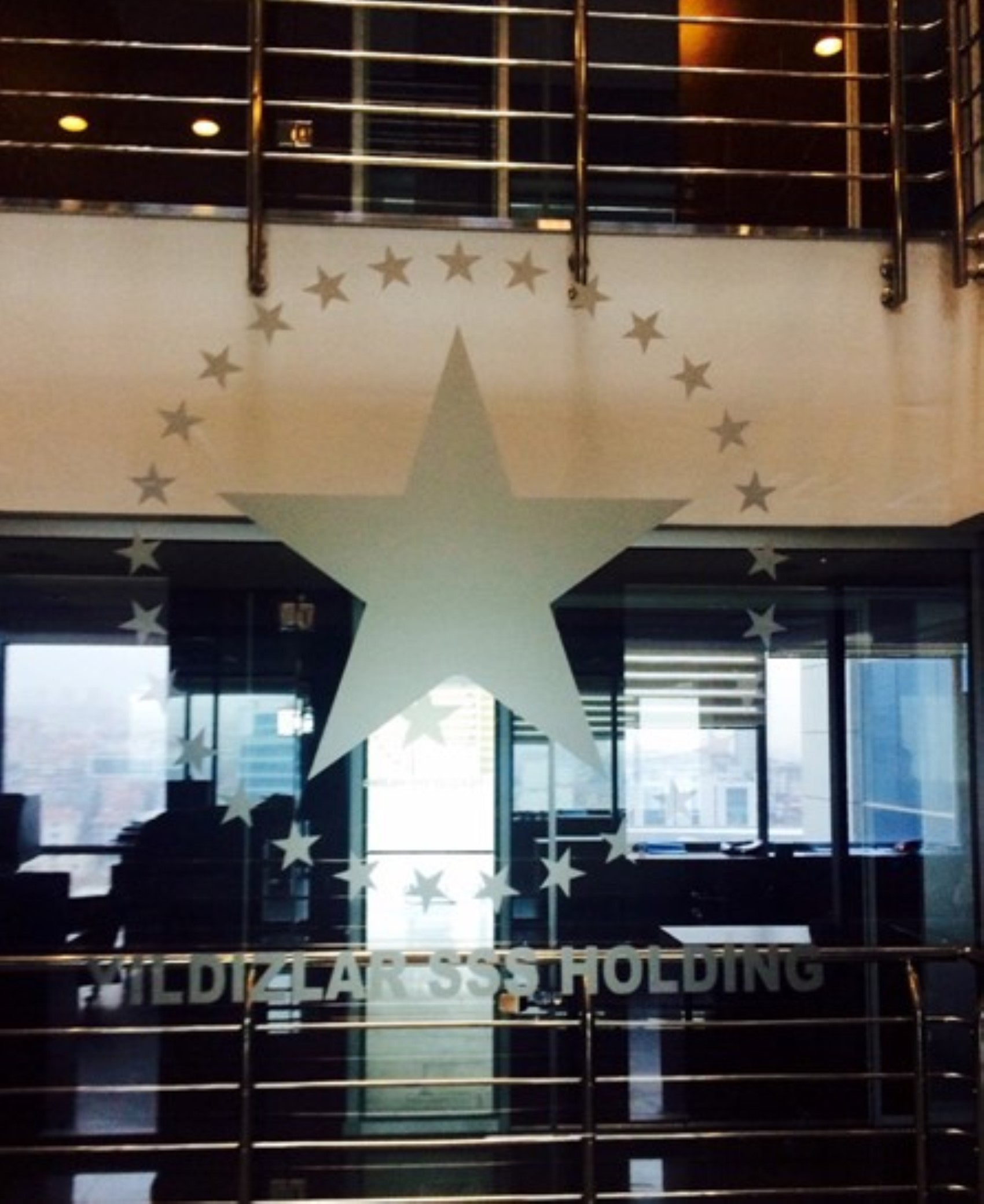
(Yıldızlar SSS Holding Ankara headquarters building)
***
Yıldızlar SSS Holding did not enter the “cyanide-based silver-gold mine operation” investment in Kütahya-Gümüşköy alone.
His partner in this business was Hamdi Akın İpek, the paper and invitation manufacturer who owned KOZA HOLDING, who was accused of being a FETÖ member and declared a traitor.
H. Akın İpek, born in 1963 and originally from Kahramanmaraş, was, like Sebahattin Yıldız from Ağrı, a shining capital star in Anatolia.
Having increased his "economic power" particularly through invitation printing with İPEK MATBAACILIK and KOZA İPEK HOLDİNG, which he took over from his father, he purchased the "Ovacık Cyanide Gold Mine" in Bergama in 2005 for 45 million dollars, with 20 million dollars paid in cash. (https://www.biyografi.info/kisi/akin-ipek#google_vignette)
This troublesome mine was initially in the hands of the "Eurogold" company, a German-American-French partnership.
It was one arm of the "Cyanide Octopus," which included all the "cyanide gold" companies in the world.
Due to the legendary resistance of environmentalists and villagers, this ominous mine could not be operated continuously for years.
When the Bergama Ovacık Mine, which was taken over by the American company "Newmont," could not be operated by them either, it was sold to KOZA HOLDİNG and H. Akın İpek in 2005.
H. Akın İpek, who appeared to be an aggressive and ambitious entrepreneur, purchased the newspaper Bugün from the Ciner Group in the same year, and in 2008, he bought Kanaltürk Television, its radio station, and its website, which had been founded by journalist and politician Tuncay Özkan.
The Ovacık-Bergama-İzmir "cyanide gold mine" was not enough; he also ventured into "cyanide gold" operations in Gümüşhane-Mastra, Eskişehir-Kaymaz, Kayseri-Himmetdede, and Çukuralan-Dikili-İzmir.
This was a very rapid rise from printing and selling invitations to "toxic gold mining"!
The media outlets he owned turned into an effective propaganda tool used by H. Akın İpek, who was very eager to operate a "cyanide gold mine" in Bergama and other Anatolian regions, against anti-cyanide environmentalists.
Of course, while dealing with so much "poison," it was also necessary to appear charming to society and win hearts!
He founded a university under the name "İpek." He opened student dormitories. He even took over a non-operational "cheese dairy."
While the country was being reshaped by the power of the newly rising bourgeoisie without touching the old and large capital groups, appearances were also important.
The wind was blowing in favor of the "New Turkey" in the new political climate!
Since the doors to privatization were wide open in the country, ceramicists, paper manufacturers, and invitation printers were now becoming "cyanide silver miners" and "cyanide gold miners."
Somehow, Akın İpek transferred his shares in the mine, which were valued at 41 million TL (approximately 28 million dollars in 2004), to YILDIZLAR HOLDİNG the following year.
I suppose he had set his sights on other fields!
With the AKP government coming to power in 2002, brand new faces were rapidly rising, and new business circles upon which the new politics relied were emerging.
In fact, to use an economic policy term, they were even "monopolizing."
Naturally, in the beginning, H. Akın İpek was also a supporter, and perhaps even a part, of this new political stance.
Every great power carries contradictions within itself.
Things changed with the failed coup attempt on July 15, 2016, by FETÖ members who wanted to seize the state.
An arrest warrant was issued for H. Akın İpek on charges of being a member of the "Fethullahist Terrorist Organization" and providing financial support to this organization.
However, Akın İpek was abroad and could not be captured. He remained there.
In 2016, he began to be tried in absentia on November 22, 2016, as part of a case opened with allegations of "attempting to violate the Constitution, establishing and managing an armed terrorist organization, and attempting to overthrow the government." (https://www.hurriyet.com.tr/gundem/feto-cati-davasi-basladi-40284977).
The following year, all of Hamdi Akın İpek's assets were seized. January 24, 2017. (https://web.archive.org/web/20170204085159/https://tr.sputniknews.com/turkiye/201701241026919430-akin-ipek-mal-varligi-el-konuldu).
***
Here is the situation: The "cyanide silver mine" in Kütahya-Gümüşköy, which was established by the Republic of Turkey through ETİBANK and put into operation by the dubious German company KRUPP in 1980, was privatized in 1988, returned to the State's control in 2000, and passed into the hands of YILDIZLAR and KOZA HOLDING in 2004.
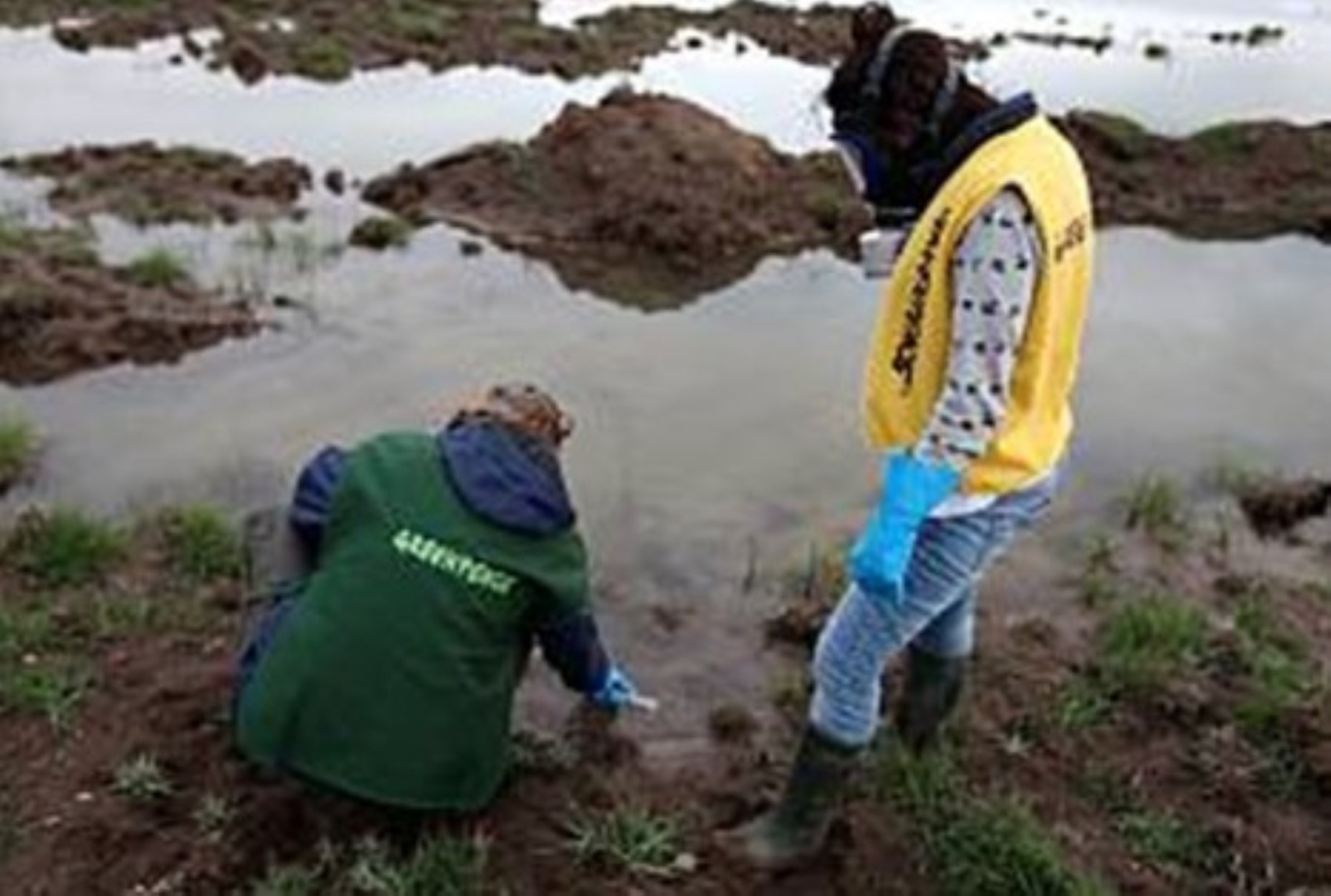
(https://bianet.org/haber/gumuskoy-de-siyanur-sizintisina-karsi-nobet-129988)
The new owner of the Kütahya-Gümüşköy "cyanide silver mine" had, of course, purchased the entire mine to make money.
Money would be made with the help of cyanide, capital would be accumulated, new investments would be pursued, and even more money would be earned.
Without neglecting "social responsibility projects" such as establishing museums or opening universities!
In addition to the "added value and the little bit (!) of tax" said to be provided to the national economy, something had to be given to the public, of course...
Yet it was impossible for YILDIZLAR HOLDİNG not to know about the environmental pollution and the potential for disaster previously created by its facility in Kütahya-Gümüşköy! (https://12punto.com.tr/yazarlar/sefa-taskin/arsenikle-siyanur-dul-etti-kadiri-48406)
So, it was taken on!
That is how the work began.
It was the golden rule of capitalism.
Everyone knew this!
Invest little, take much!
“Oversight” was the job of state institutions.
Let them do their duty, sir!
“Precaution” was written in the laws!
But both gold and silver were needed for the supreme interests (!) of the country!
What about “precaution” if society doesn't push for it?
“Silver and gold into the pocket, cyanide and arsenic into the natural environment!”
Naturally, what was bound to happen, happened!
***
On May 21, 2011, a disaster occurred at the Kütahya-Gümüşköy “silver mine” operated by YILDIZLAR HOLDİNG.
At the mining facility where the company separated silver from the soil using cyanide through a method called “cyanide leaching,” one of the embankments of the dam where toxic waste was stored collapsed, causing cyanide-laced water and toxic waste to spread into the environment.
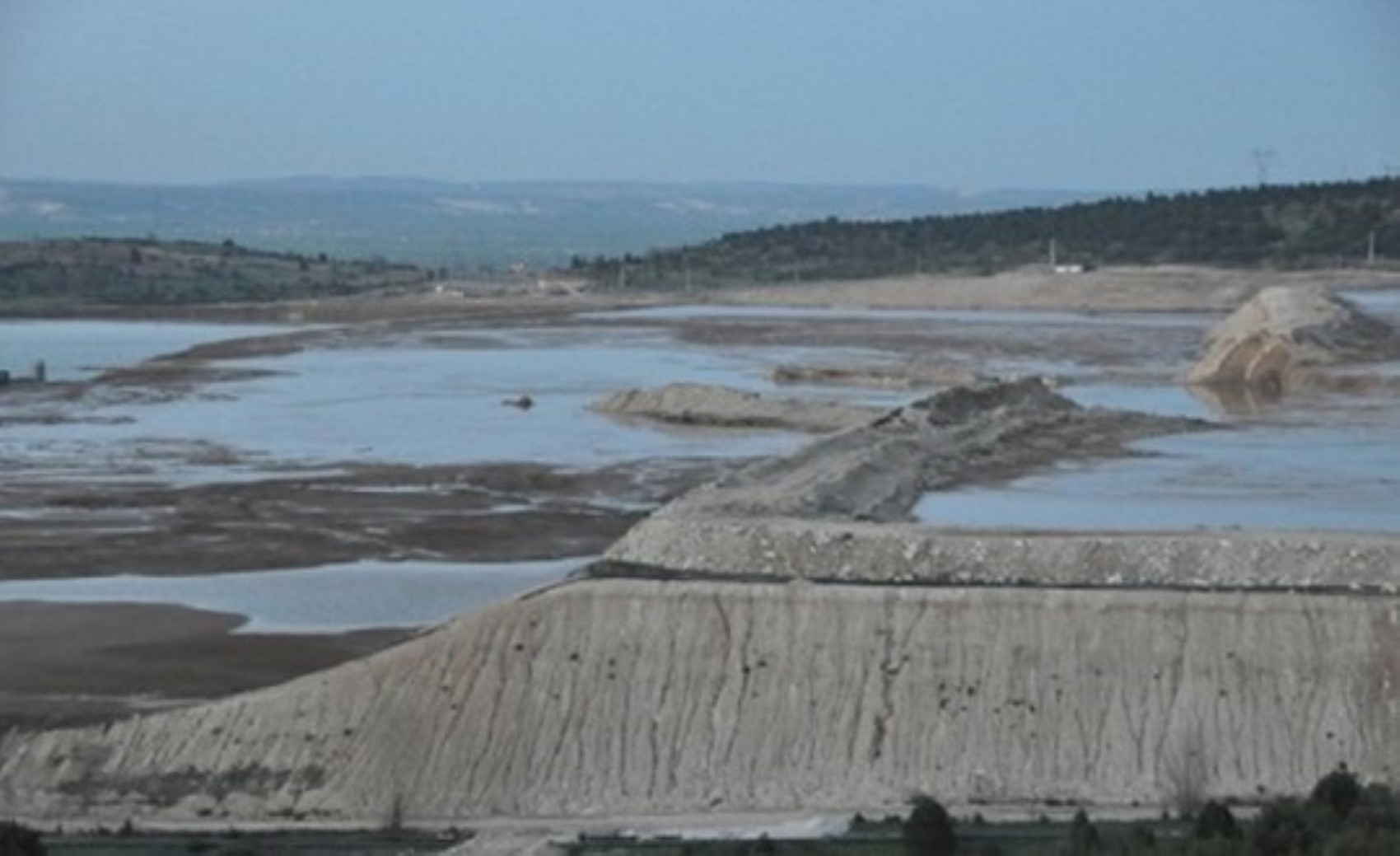
(The toxic waste dam that collapsed in Gümüşköy, Kütahya)
The "toxic waste dam" had already been built on the edge of a cliff.
When the production capacity that existed during the period it was operated by the State under the name ETİBANK was doubled by its new owner, and the number of workers was halved, the inevitable happened.
Since the technology had not changed, the more production achieved with fewer workers, the more money was earned.
These were modern concepts: "Labor savings!" "Productivity!"
This was one of the developed rules of capitalism!
That was how the game was played! Otherwise, the capitalist would be out of the game!
The secret to it all was "making a profit"!
In this context, at the 'cyanide-leaching silver mine' in Kütahya, the dam holding the pool where toxic waste remained after the ore was treated with cyanide could not withstand the excessive load.
The dam collapsed.
Tons of cyanide- and arsenic-laden waste spread into nature.
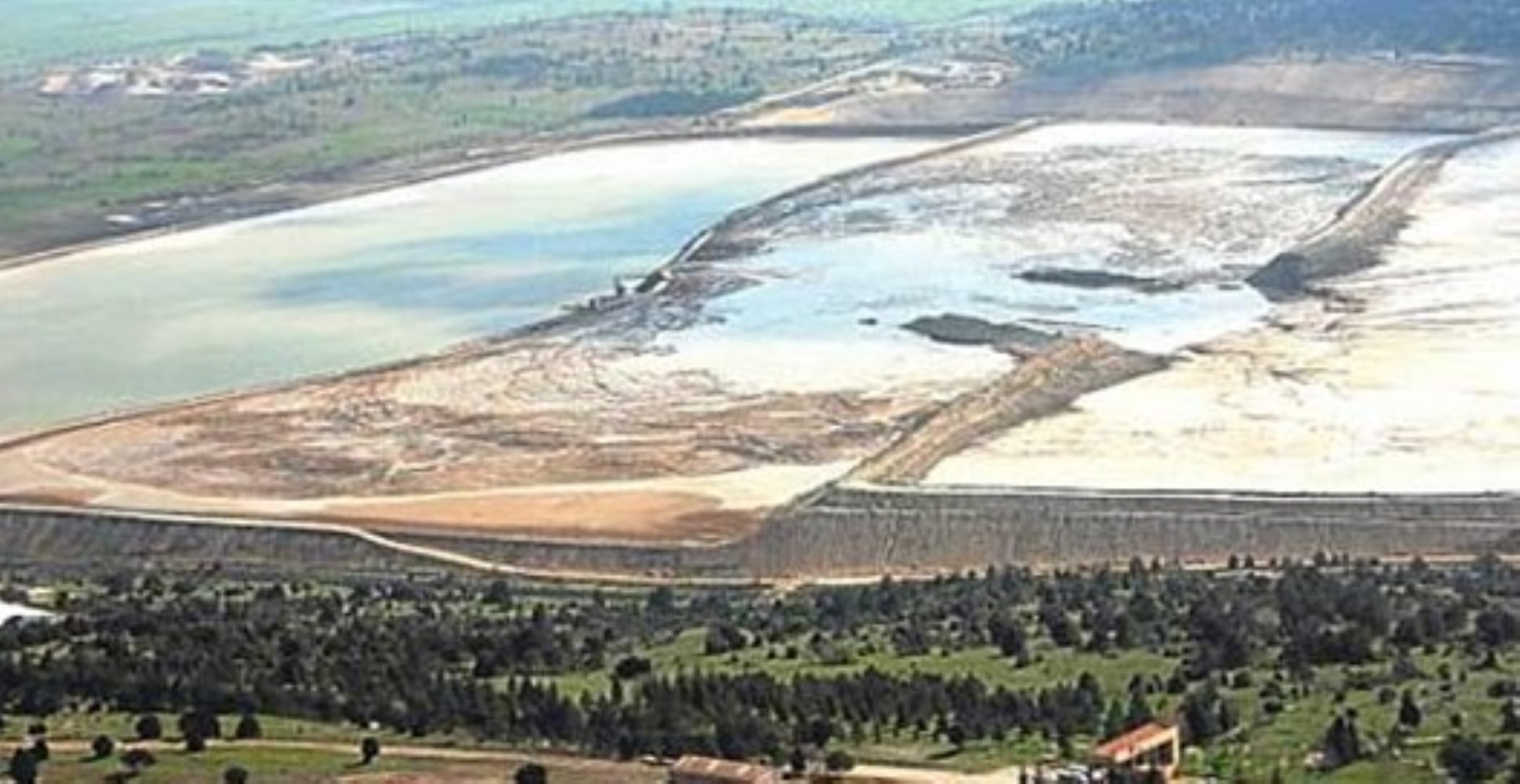
(Toxic waste spreading into the environment in Kütahya-Gümüşköy)
***
After every disaster, people look for those responsible!
Society has a conscience. The state has laws.
Who was responsible for this disaster?
Investigations, trials...
Blah, blah, blah!
Of course, the company operating the mine, which knew the risks in advance, would not have wanted it to end this way either!
Who would want to get involved in such a disaster!
Especially if the owner is an organization that possesses a museum in Ankara containing valuable historical artifacts!
However, conscience cannot be washed clean with money!
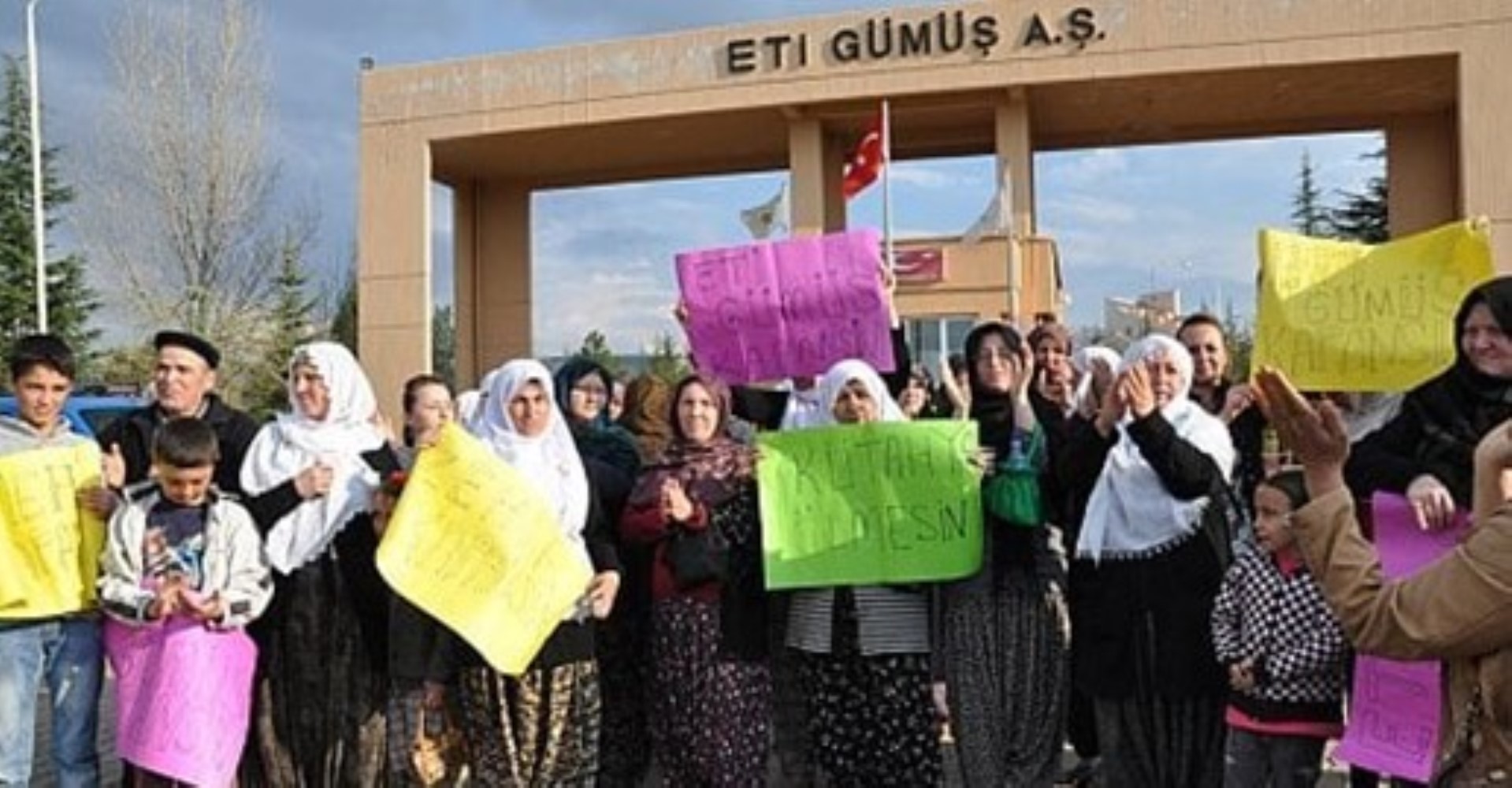
(Villagers in Kütahya-Gümüşköy protesting against toxic environmental pollution)
***
The problem lay in this type of operation, in "cyanide gold mining itself."
Such disasters were in the nature, in the very essence of this type of open-pit mining!
When there is insistence on such operations, where tons of poison are used and deadly waste is produced for a handful of silver and gold, this was bound to happen sooner or later!
The victims were nature and humanity.
Chambers of Engineers, health organizations, environmentalists, and concerned citizens stood up for nature and humanity, questioned the situation, and demanded the closure of the mine.
This was the solution: To close such "cyanide" mines and not grant them permits!
Yet silver and gold are so shiny!
They blind the eyes! They fill the pockets!
Who does this benefit!
The "wealth" and economic "added value" that cannot be achieved through other means beneficial to society will inevitably be obtained the easy way, through "poison"!
Therefore, let the "cyanide silver-gold" mining continue!
***
Naturally, no lessons were learned from this disaster in Kütahya-Gümüşköy!
Five years later, the "cyanide and arsenic siblings" reminded us of their presence once again!
In 2016, newspapers reported that 150 goat kids and one head of cattle died from poisoning within 15 days in the village of "Dulkadirli," located near the Kütahya-Gümüşköy mine.
It was already said in this village that the "Kadirs" were always left "widowed" (dul) due to their spouses contracting cancer, likely caused by the arsenic found in the toxic waste.
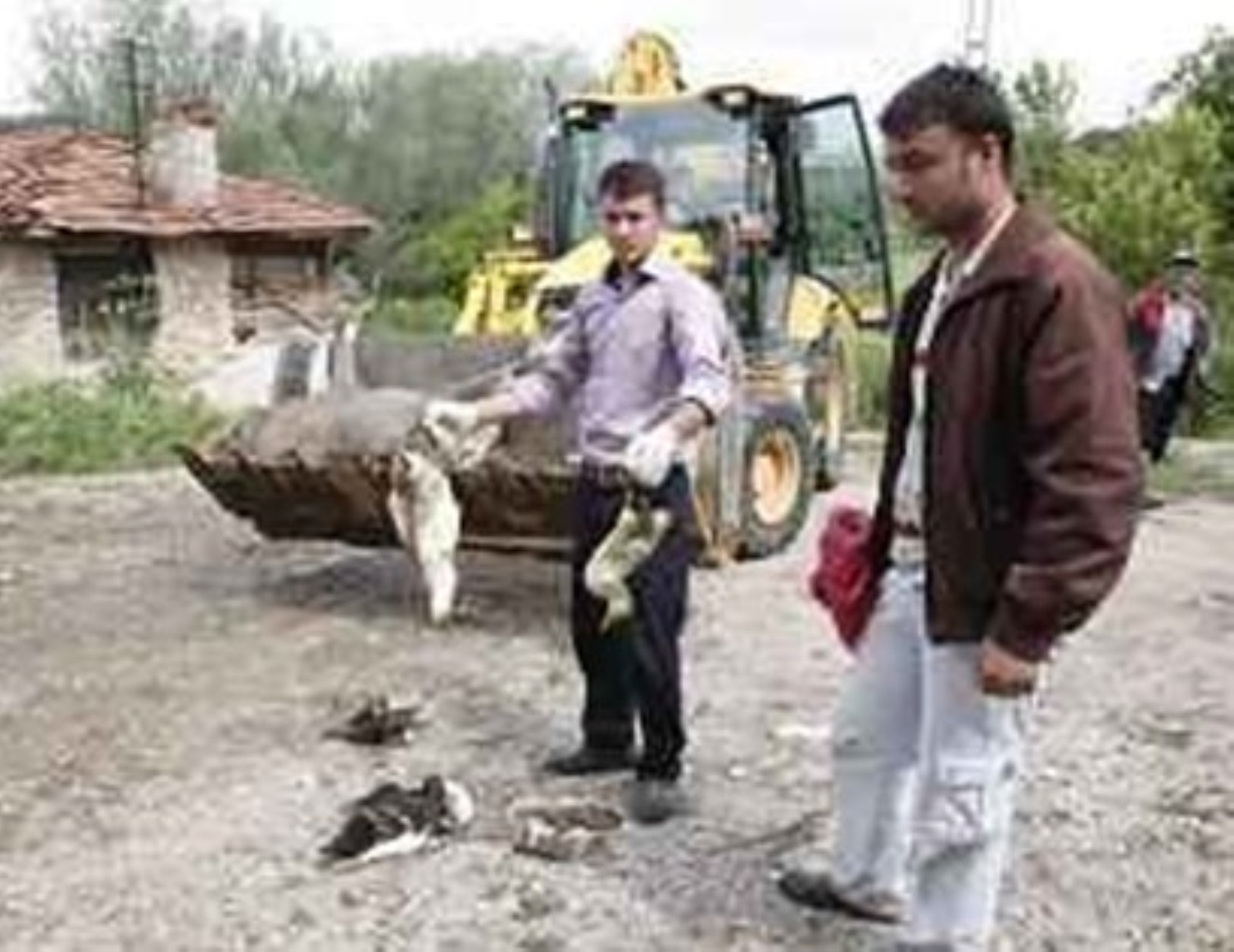
(Animals that died from cyanide/toxic water leaks in the village of Dulkadirli, Kütahya. https://www.kutahyaninsesi.com/haber/15317226/dulkadirde-siyanur-bilmecesi)
Environmentalists from within and the local residents were shouting, crying out for help, but were the ears deaf?
The "interests of the country" (!) were above everything else.
They were skilled at pacifying the public.
Accidents could happen anywhere, to anything!
***
However, even children are learning and knowing now.
If a mistake is repeated and leads to another error or disaster, it can no longer be considered an "accident"!
Sebahattin Yıldızlar from Ağrı, who worked in ceramics before becoming a miner (!), would later be held responsible for the environmental pollution at the 'cyanide gold mine' operated by his company, Yıldızlar SSS Holding, in Giresun-Şebinkarahisar.
Look at the paths that 'cyanide gold mining' takes.
There is so much more!
May God protect our sanity!
Most Read
Galatasaray announces injury updates for Osimhen, Lemina, and Singo

Attention online sellers: Tax monitoring expanded
VAR for the Fenerbahçe-Beşiktaş derby has been announced!
Bridges and highways are being privatized: 15 July and FSM are also on the list

Peugeot September 2026 price list is out

New details emerge in 'panel' operation targeting lawyers
Gökçek era detail in ABB investigation
First statement from Osimhen after injury in Başakşehir match
Özlem Şanver: 'He said he would change, I believed him; should I be beaten just because I didn't leave?'
The Süper Lig's new team becomes the transfer champion