



CYANIDE DIARIES FROM BERGAMA-28
“Spring has come to the mountains of my homeland…” says Ahmet Arif, one of Anatolia’s greatest poets, in his rebellious poem filled with brotherhood.
In the sun that begins to linger in March, the first signs of spring appear, the snow slowly melts, the streams swell, and daisies and poppies show their faces on the hillsides.
However, labor does not stop, agriculture does not stop, industry does not stop; those who violate nature continue to poison our lands in the pursuit of seizing our underground wealth.
With the protection of political powers and the legal and administrative conveniences opened up for them, cyanide gold miners are parceling out Anatolia piece by piece.
Driven by the world's frenzy to obtain "precious metals," they are declaring almost every place a mining zone.
The poisoning foreign companies of the cyanide octopus, the locals who collaborate with them, and the Turkish companies that learned from them how to obtain gold with cyanide by poisoning the soil are attacking land that does not even contain 1 gram of gold per ton with great enthusiasm and greed.
They lose their minds when they hear there is gold!
Imperialism, its collaborators, and its imitators are running wild in Anatolia with poison in their hands.
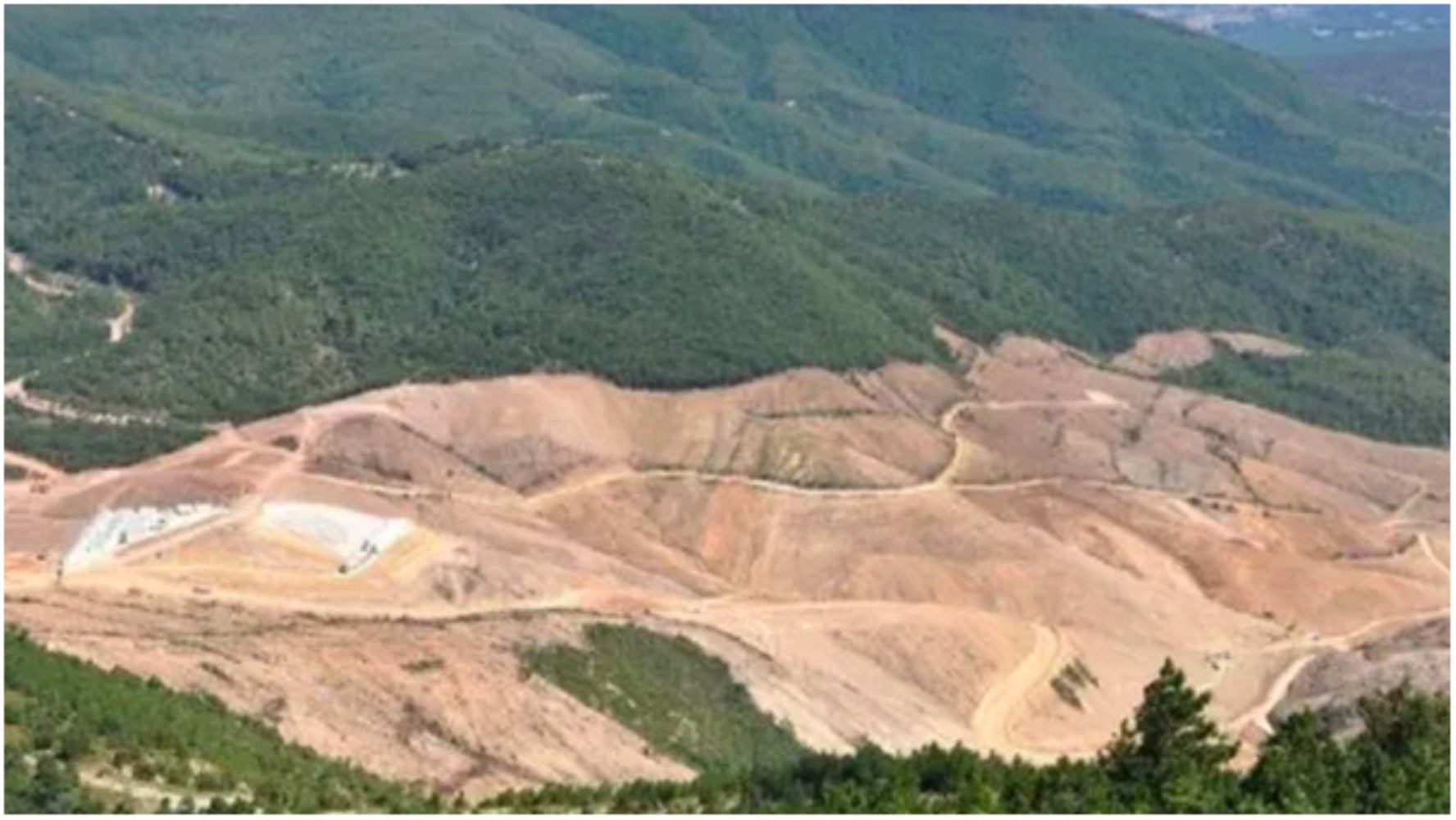
(This is how nature is attacked: The activities of the Canadian Alamos Gold subsidiary, Doğu Biga Madencilik A.Ş., in the Atikhisar Water Basin in Çanakkale, despite the cancellation of their cyanide gold mine operating license. 2021. Eren Aşnaz from Gazete Duvar. https://yesilgazete.org/canakkale-orman-mudurlugu-dogu-biganin-altin-aradigi-bolge-rehabilite-edilecek/?utm_source=chatgpt.com)
***
Of course, such toxic operations established to obtain gold with cyanide are nothing more than "open-air chemistry."
Cyanides, arsenics, cadmiums, and other heavy metals; all kinds of poisons and carcinogenic substances are inherent to such mines/operations.
If a process that should be done with cyanide in a closed laboratory is attempted in an open-air environment, intertwined with toxic waste, it is inevitable that the environment and humans will be harmed.
These damages are not on a small scale either: they are at a catastrophic level.
People die, the soil is poisoned, streams are polluted, and it is unknown when the air will bring death via cyanide.
There are examples of these nature slaughters and ecological destructions that have occurred in many parts of the world.
Environmental poisonings in Ok Tedi in Papua New Guinea, Waihi and Martha Hill in New Zealand, Nevada in the USA, Guyana in South America, Lefke in Cyprus, and Baia Mare in Romania are just a few of these known disasters.
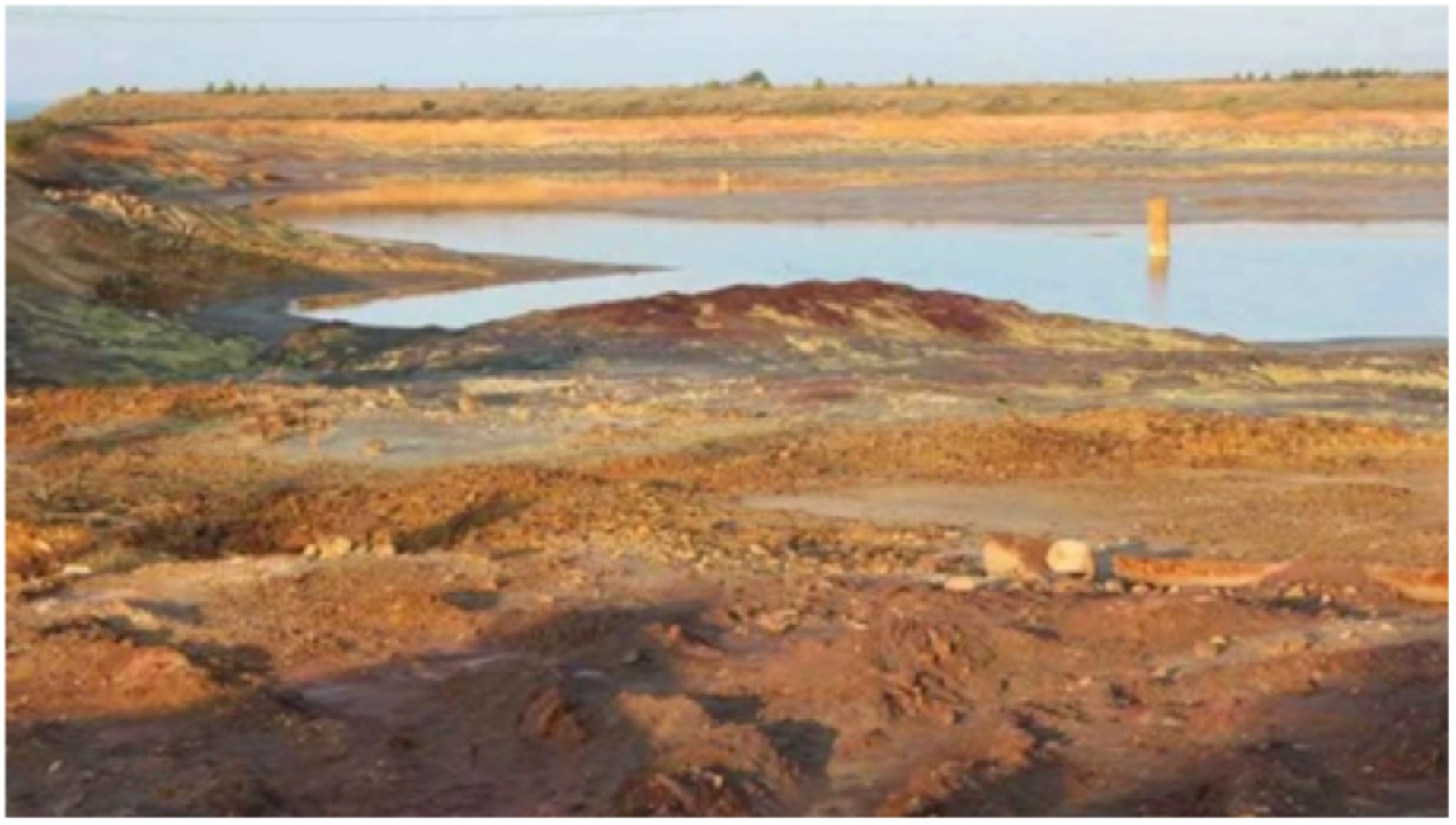
(Arsenic, lead, copper, cadmium, and other toxic heavy metal wastes left over from the copper mine in Lefke, Cyprus, which the American company CMC abandoned in 1974)
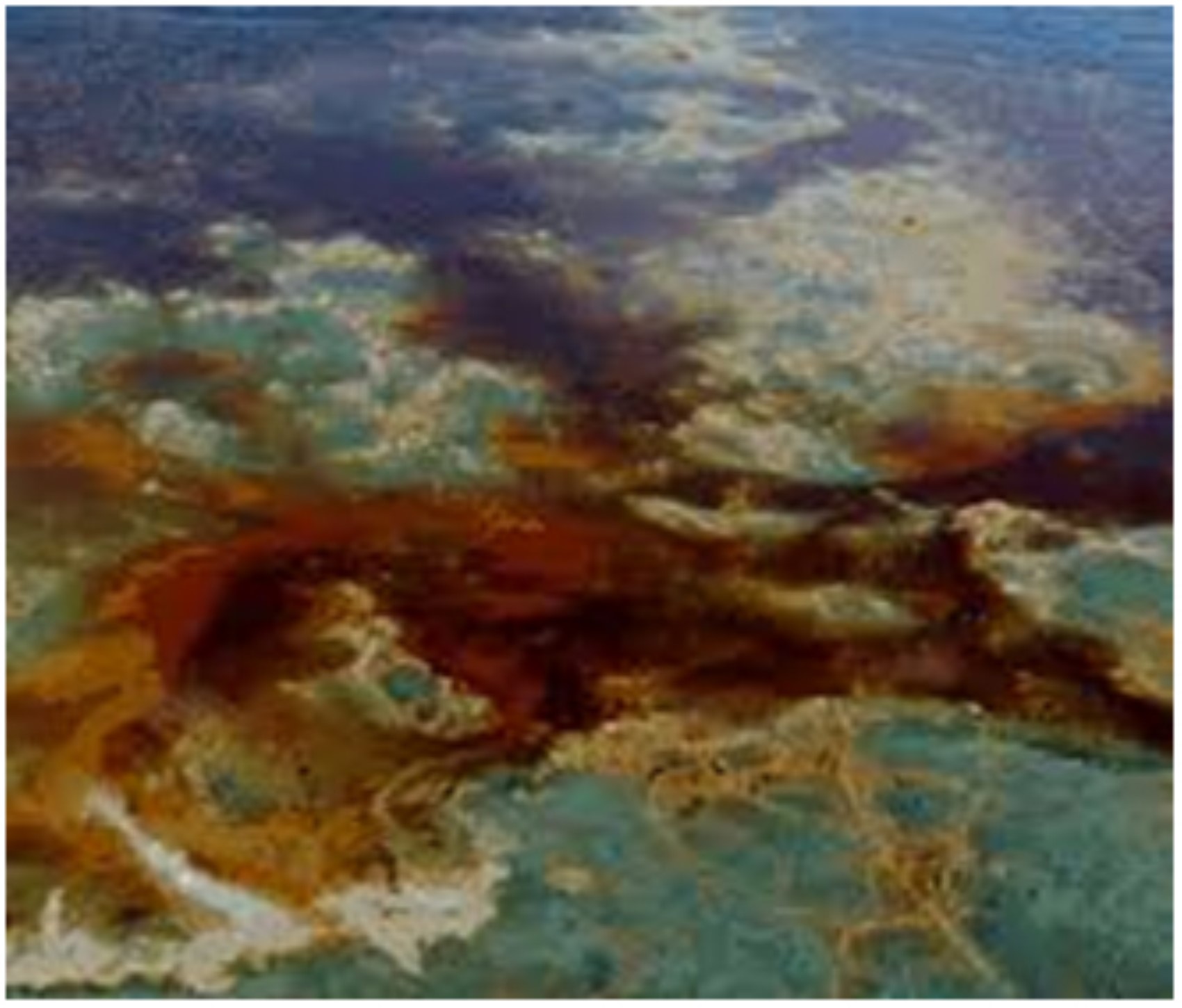
(Colorful Lefke soil: Various types of heavy metals.)
***
What about Turkey?
Today, cyanide gold mining, which has spread like weeds all over Turkey, encountered great resistance in Bergama-Ovacık, where it first tried to enter the country.
It could not achieve its goal for years in the face of the local people's opposition and the national and international solidarity provided.
As Sabri Karahan, the General Manager of the multinational Eurogold company at the time, which wanted to pollute Bergama, stated, the "Cyanide Octopus" (which sucks the blood of the world) made this a matter of prestige.
It persisted in its "poisoning" insistence at the cost of not making money in Bergama.
According to what İzmir Deputy Işın Çelebi, who served intermittently as Minister of State and Minister of Industry and Trade of the Republic of Turkey at that time, revealed, what bribes were offered to the relevant parties!
In a TV program, I. Çelebi openly said, "The cyanide company in Bergama, Eurogold, offered us bribes." (https://www.youtube.com/watch?v=THm7p37KM2A)
(Işın Çelebi)
To make progress in this endeavor, it spent millions of liras, both visible and invisible.
Of course, beyond prestige, there was a huge Anatolian gold pie in front of them.
The cyanide miners were going to surpass Bergama and spread across Anatolia.
In the end, they achieved their goals by taking the influential segments of the great Turkish State behind them and through various unethical practices.
However, during the intense struggle process carried out by Bergama villagers and environmentalists, some practices that the cyanide miners were forced to implement in this very dangerous operation to silence them were relatively risk-reducing, even if they did not solve the problem.
The resistance of the people of Bergama; the opposition carried out at every stage of the business venture, using elements such as scientific, legal, and peaceful actions called the "New Ecological Paradigm," creating public opinion, international cooperation, and involving politics, had ensured this.
With these practices, the cyanide miners, who obtained permission from Turkey's decision-makers, spread rapidly across Anatolia.
The threshold had been crossed, and the rest was history!
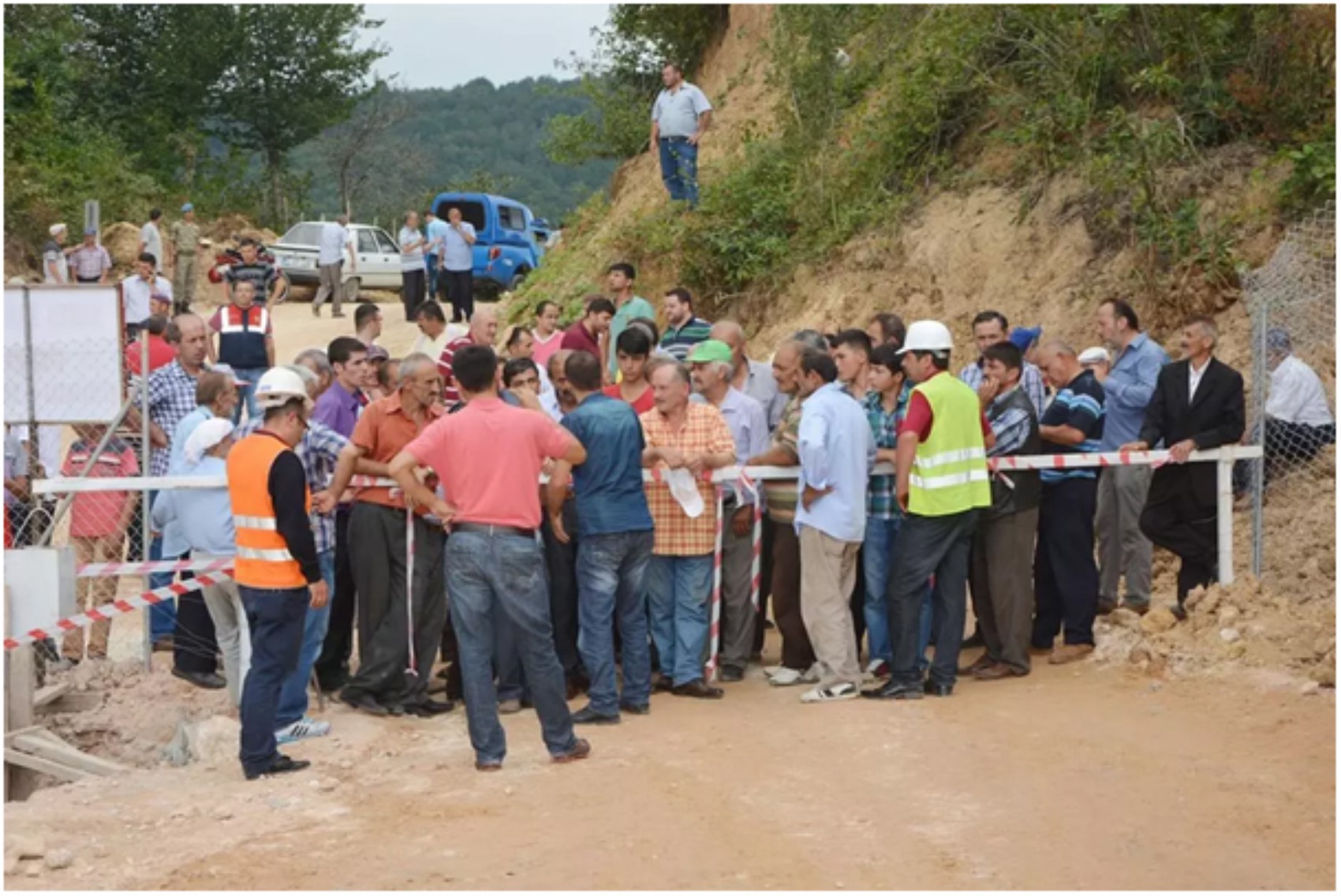
(Ordu-Fatsa: The public wants to enter the cyanide mine site.)
**
Afterward, news of disasters, which the cyanide miners called "accidents," began to arrive one after another from such toxic mines.
The waste dam at the gold mine in Giresun-Şebinkarahisar overflowed, and waters containing cyanide, arsenic, and heavy metals mixed into the streams.
A similar situation occurred in Balıkesir-Ayvalık while trying to extract iron from the soil.
Visible and invisible living things perished. Underground and surface waters were polluted..
In Bergama-Kozak, underground waters were depleted by the water drawn by the mines, the beautiful natural park became a stone quarry, and the pine nut trees stopped producing.
In Erzincan-İliç, the brutal practice carried out by the Canadian imperialist company together with local collaborators led to the death of 9 people at the cyanide gold mine.
What about FATSA!
What a persecution this unique Black Sea geography, which brings together the blue of the sea and the green of the hazelnut hillsides in the same frame, where water, soil, and rain live together, has suffered!
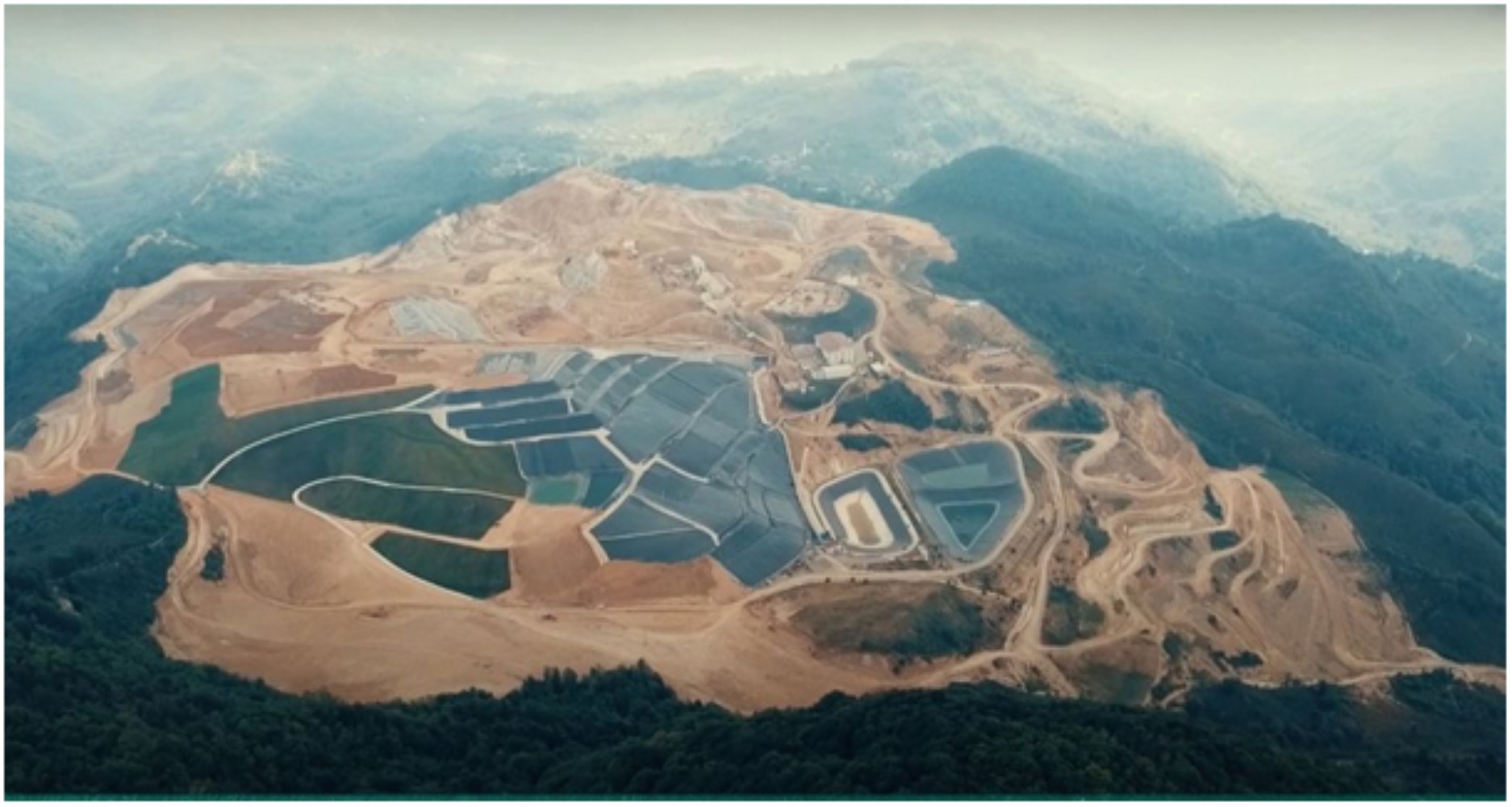
(A wound in the greenery: Fatsa-Altıntepe cyanide gold mine)
***
The region where a cyanide gold mine is operated near Yukarı Bahçeler, Yukarıtepe, and surrounding villages in the FATSA district of Ordu witnessed interesting events.
The toxic facility established here is located approximately 10–15 km from the Black Sea coast, in an environment where hazelnut production is intense.
Gold ore in the Kayatepe, Orta, Yılantepe, Sinan, Çamlıtepe, and Karakışla region of FATSA, which would later be called "ALTINTEPE," was first discovered in the 1990s by the Canadian company TECK Cominco, one of the famous polluters of the Cyanide Octopus.
Initially, it was predicted that there were 1.5-2 tons of gold in 3-4 tons of ore containing 1-2 g/ton of gold in the FATSA mine; later, thinking there might be more, capacity was increased, and an attempt was made to expand the mining area. (https://www.STRATEXinternational.com/public/site/uploads/analystFile-5.pdf?utm_source=chatgpt.com)
The period was the years when the Mining Law No. 3213, enacted on June 15, 1985, which allowed foreign companies to search for, obtain licenses for, and operate mines in Turkey, began to be implemented.
In these years, while the German-Australian-French-origin Eurogold was being introduced to Bergama and the Canadian El Dorado to Balıkesir-Havran by the poisoners trying to jump on Anatolia, another Canadian company, TECK Cominco, had set its sights on the Black Sea region.
TECK-Cominco, which changed its name to TECK Resources in 2009, was a large Canada-based mining company.
Today, it is one of the world's leading 20 large multinational mining companies. Its headquarters is in Vancouver.
It is one of the ringleaders of the Cyanide Octopus.
TECK Cominco, one of the world giants in copper, zinc, and coal production, had entered the gold exploration business in Turkey in the 1990s, presumably thinking it was very profitable.
It became the defendant in many lawsuits filed around the world due to the environmental pollution it created and the damage it caused in the mines it operated.
(One of the arms of the Cyanide Octopus: TECK Resources in Chile)
***
Among these, in Trail, on the banks of the Columbia River in the province of British Columbia in western Canada, the discharge of waste from the lead-zinc smelter into the river for many years had caused very serious health problems in the environment.
The pollution of the Columbia River particularly affected the state of Washington in the USA and the native tribes (Native Americans) of the Colville region living there. The polluted waters of the river had flowed from Canada to the USA. (https://www.epa.gov/columbiariver)
In the lawsuit filed, the court had decided that Canada (the poisonous TECK company) should pay 250 thousand dollars in compensation to the USA and clean up the pollution created. (https://caselaw.findlaw.com/us-9th-circuit/1318027.html)
As a result of the environmental pollution caused by selenium, a (precious) heavy metal, spreading from coal mines in the Elk Valley in Canada, reproductive problems were seen in fish in the Elk and Kootenay rivers, and deterioration in the river ecosystem was observed, a situation that drew a great reaction from indigenous communities.
As a result of the lawsuits filed, in 2021, the TECK company was sentenced to pay 60 million Canadian dollars, one of the largest environmental pollution fines in Canadian history. (https://www.canada.ca/en/environment-climate-change/services/environmental-enforcement/notifications/2021/TECK-coal-limited-sentenced.html)
Heavy metal, lead, and zinc dust pollution at the Red Dog mine in Alaska, USA (https://www.epa.gov/npdes-permits/red-dog-mine-permit), and problems created by the waste dam at the Highland Valley copper mine in Canada (https://www.nrcan.gc.ca/mining-materials/publications/19318) had caused great criticism from local people and environmentalists.
Shares of TECK Resources, one of the world's largest and most polluting companies, were held by the Keevil family, headed by Norman Keevil.
It was this TECK company that discovered and first seized the FATSA-ALTINTEPE mine ore that would violate the greenery and cool flowing waters of the Black Sea.
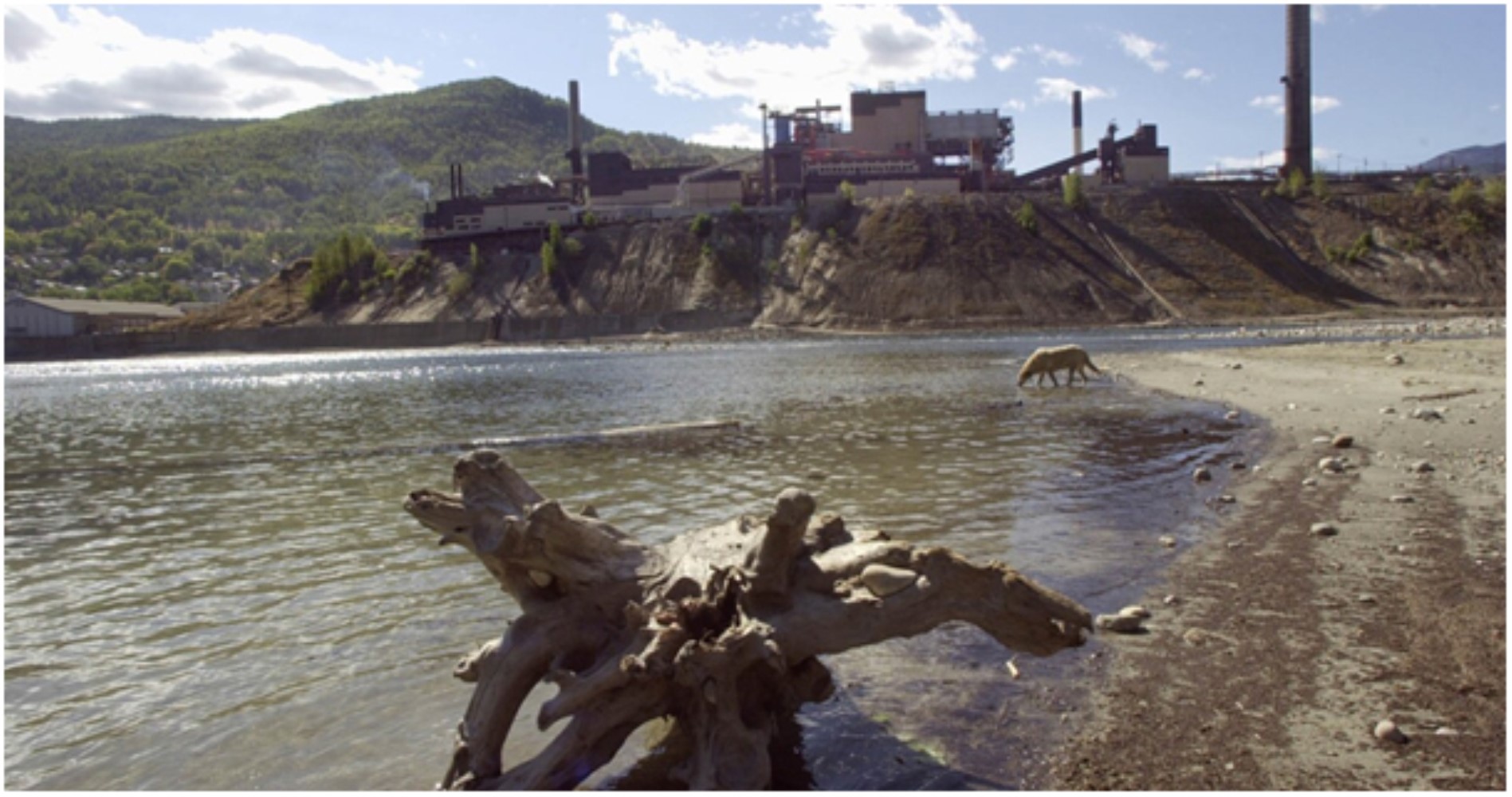
(The Columbia River, which the TECK Company polluted with toxic waste on the US-Canada border and for which it was punished)
**
This world-famous cyanide octopus also wanted to operate a cyanide gold mine in Artvin-Cerattepe, and this natural paradise encountered great resistance from the public.
https://www.canadianminingjournal.com/news/gold-copper-exploration-news-inmet-buys-potential-orebody-in-turkey/?utm_source=chatgpt.com
The same company had also reached out to Yusufeli in this region.
The "New Ecological Paradigm" created by the public and environmentalists in Bergama was also experienced in Artvin.
In the context of these experiences, "public actions, science, law, press, politics" were effective, and TECK could not operate the Artvin mines.
In fact, I, as the Mayor of Bergama, and Zülfü Livaneli, a patriotic intellectual and artist from Artvin, were also invited to and attended a widely attended information and solidarity meeting held by the people of Artvin in the city center.
Ants do not forget their brothers!
Later, in the early 2000s, the project was taken over by the INMET company, which appeared Canadian, had also plagued Bergama, and was actually an extension of a German capital giant, METALLGESELLSCHAFT.
It also failed; thus, in 2013, Artvin-Cerattepe indirectly passed into the hands of the FIRST QUANTUM MINERALS company, also a Canadian, which bought INMET.
In the face of resistance, it could not carry out the work either.
And finally, the "biggest radish" appeared.
The operating rights of the Artvin Cerattepe mine site passed to CENGİZ HOLDİNG (via ETİ BAKIR), the shining star company of the last 20 years, with the tender held in 2013.
ETİ BAKIR was a privatized part of ETİBANK, which was founded by ATATÜRK in 1935.
In Cerattepe, the mine is now opening and closing in the face of resistance and court decisions.
(https://www.iklimhaber.org/artvinliler-cerattepeyi-talan-edecek-projeye-karsi-ayaklandi/?utm_source=chatgpt.com)
The method invented by the cyanide miners and their supporters in Bergama to hide polluting mines from the attention of environmentalists is also being applied in Artvin and other places.
These mines are either not working or pretending to work; but the situation of none of them is clear. But in the end, the ore is depleted, it ends.
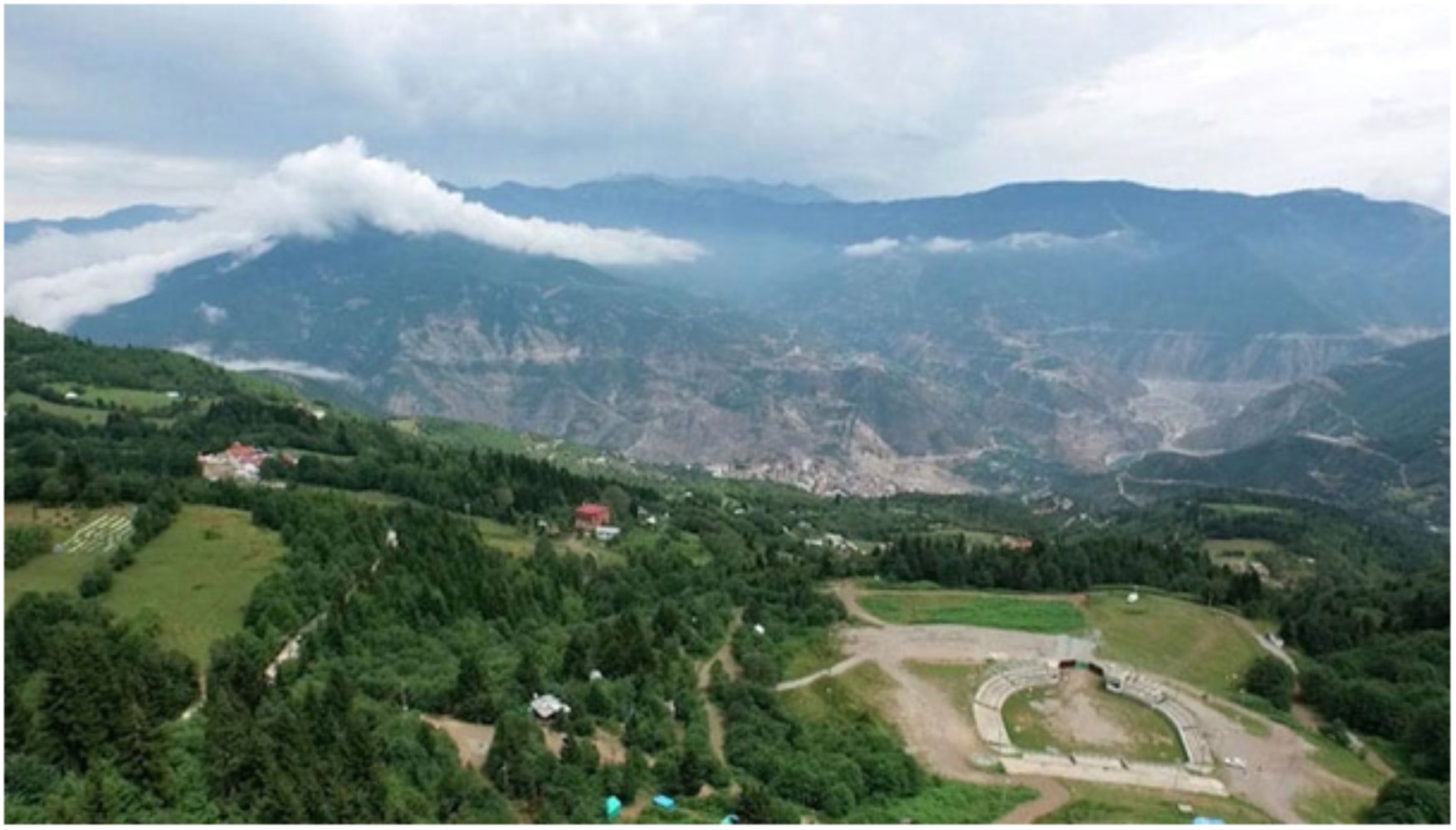
(Artvin-Cerattepe cyanide gold mine, which passed into the hands of Cengiz Holding: A paradise waiting to be poisoned.)
***
During this process, the pot continued to boil in another corner of the Black Sea.
In the 1990s, when local and national opposition to the cyanide gold mine in Bergama intensified and rose, the Canadian TECK company, one of the big octopuses that knew there was gold in FATSA and held the license, did not make a sound.
Besides Bergama, it was also watching the struggle of environmentalists against EL DORADO, another Canadian company trying to operate under the name TÜPRAG in Havran, Uşak Eşme, and İzmir Efemçukuru.
There was a very harsh opposition to cyanide gold mines in Turkey.
While environmentalist villagers, women, men, and children stood up against the cyanide companies and tried to protect their lives with scientific, legal, activist, and international solidarity, the cyanide miners were trying to stop the environmentalists by using all kinds of Machiavellian methods with the thought, "If we lose the struggle in Bergama against the environmentalists, we will be disgraced to the world, and world gold mining will suffer a great blow." (https://bianet.org/haber/eurogold-prestij-icin-gitmiyoruz-1202)
They did not even refrain from the absurdity of accusing the environmentalists who opposed the cyanide German company, the cyanide German bank, and the German cyanide seller behind the gold operation in Bergama of German espionage.
How afraid they were of the people!
Especially of the people understanding the truth and acting!
To achieve their polluting goals, throwing all kinds of mud was permissible for them.
In this process, the cyanide miners had succeeded in convincing the public's decision-makers with the claim that they would "saturate the country with money and gold."
"Turkey was going to take off with gold thanks to cyanide gold!"
Some conservative, some secular so-called intellectuals believed this, or they had an interest in this situation!
The Canadian TECK, which was already in trouble with the environmental pollution it created in the world, must have watched these developments carefully, as it hesitated to do "cyanide gold mining," which has environmental pollution in its nature, in FATSA.
Other cyanide companies had overcome all the difficulties that arose, taken the State's decision-makers behind them, and were operating cyanide mines, but the Canadian TECK, like the Germans, French, and Australians who fled Bergama, was looking for an opportunity to withdraw from the cyanide gold mine in FATSA.
Of course, for this, it had to sell the gold extraction and operating license it owned.
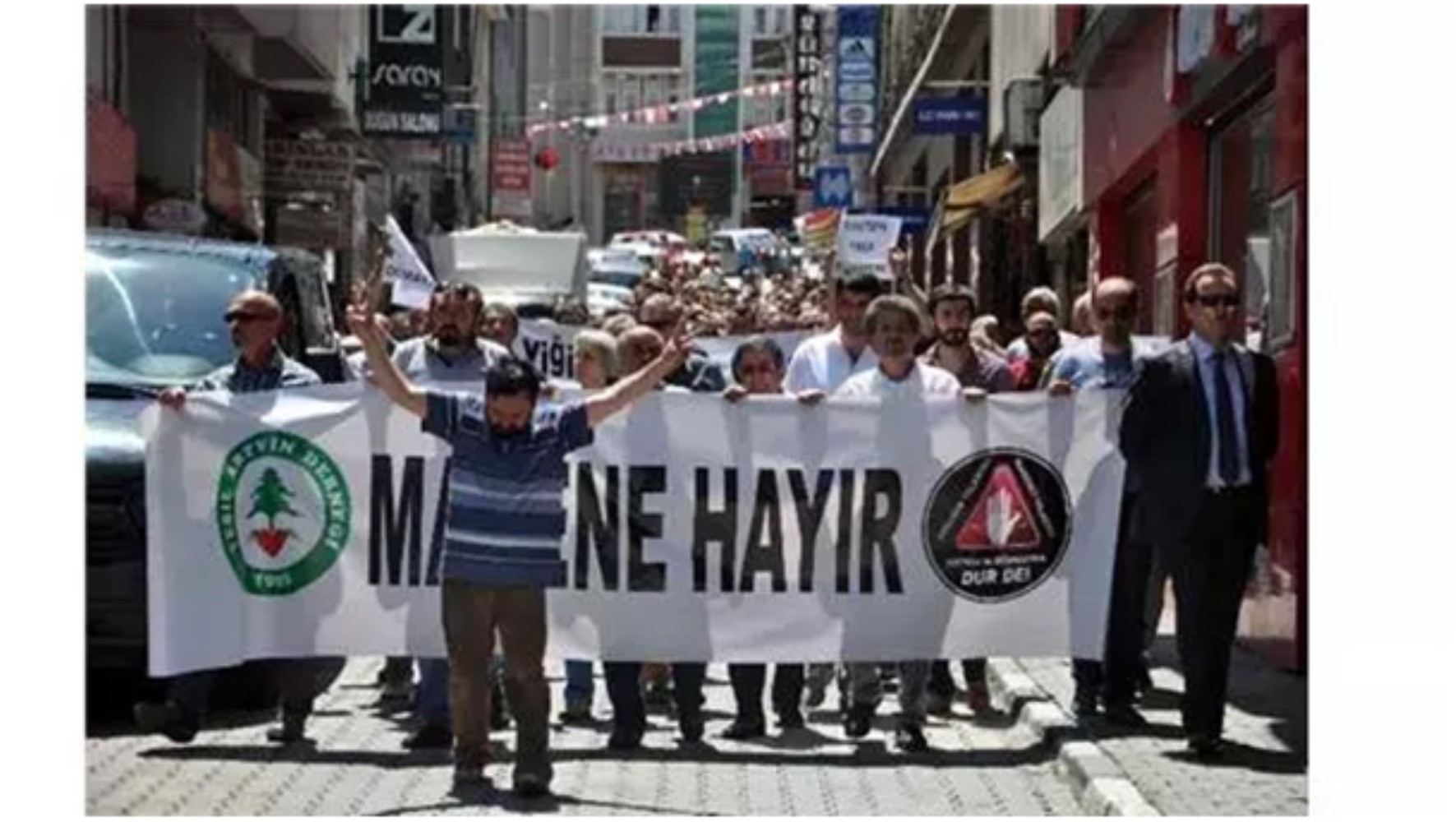
(Artvin and environmentalists)
***
Before long, a customer was found.
This was a company called STRATEX İnternational.
STRATEX had prepared a comprehensive report on the gold ore in FATSA and knew the subject and the situation. (https://www.mining-technology.com/marketdata/newsSTRATEX-announces-first-gold-pour-at-ALTINTEPE-gold-mine-in-turkey-4713903/)
STRATEX, a British investment company, took over the project from TECK Resources in April 2007 with an option to buy in the context of this report.
Apart from the sale price, STRATEX left a small royalty share (1.5%) from production to TECK. (https://www.STRATEXinternational.com/public/site/uploads/analystFile-5.pdf?utm_source=chatgpt.com)
750,000 US dollars were paid to TECK for FATSA.

***
STRATEX was a mining company with many small partners, whose shares were traded on the London Stock Exchange. (https://www.londonstockexchange.com/stock/AAU/ARİANA-resources/company-page)
This not-so-large STRATEX company was founded by ARIANA, another British investment company.
ARIANA, headquartered in London, was a larger company and had started operating in London in 2002.
Its founders included geologists and mining investors such as Kerim Şener (Sener), Michael de Villiers, and David Reading.
ARIANA had put forward STRATEX in 2005 to carry out some early-stage exploration projects.
Kerim Şener, of Turkish origin, was also in the founding team of this company and served on the board of directors. (https://www.proactiveinvestors.co.uk/companies/news/77/STRATEXs-strategic-exploration-starts-to-pay-off-in-turkey-0385.html?)
For this reason, STRATEX was often described as a subsidiary of ARIANA.
Kerim Şener, who had an important place in the formation of these companies, was a British citizen born in Turkey, who spoke Turkish and was educated in England.
STRATEX, which was not a large company, aimed to grow with the FATSA investment.
It was growing gold!
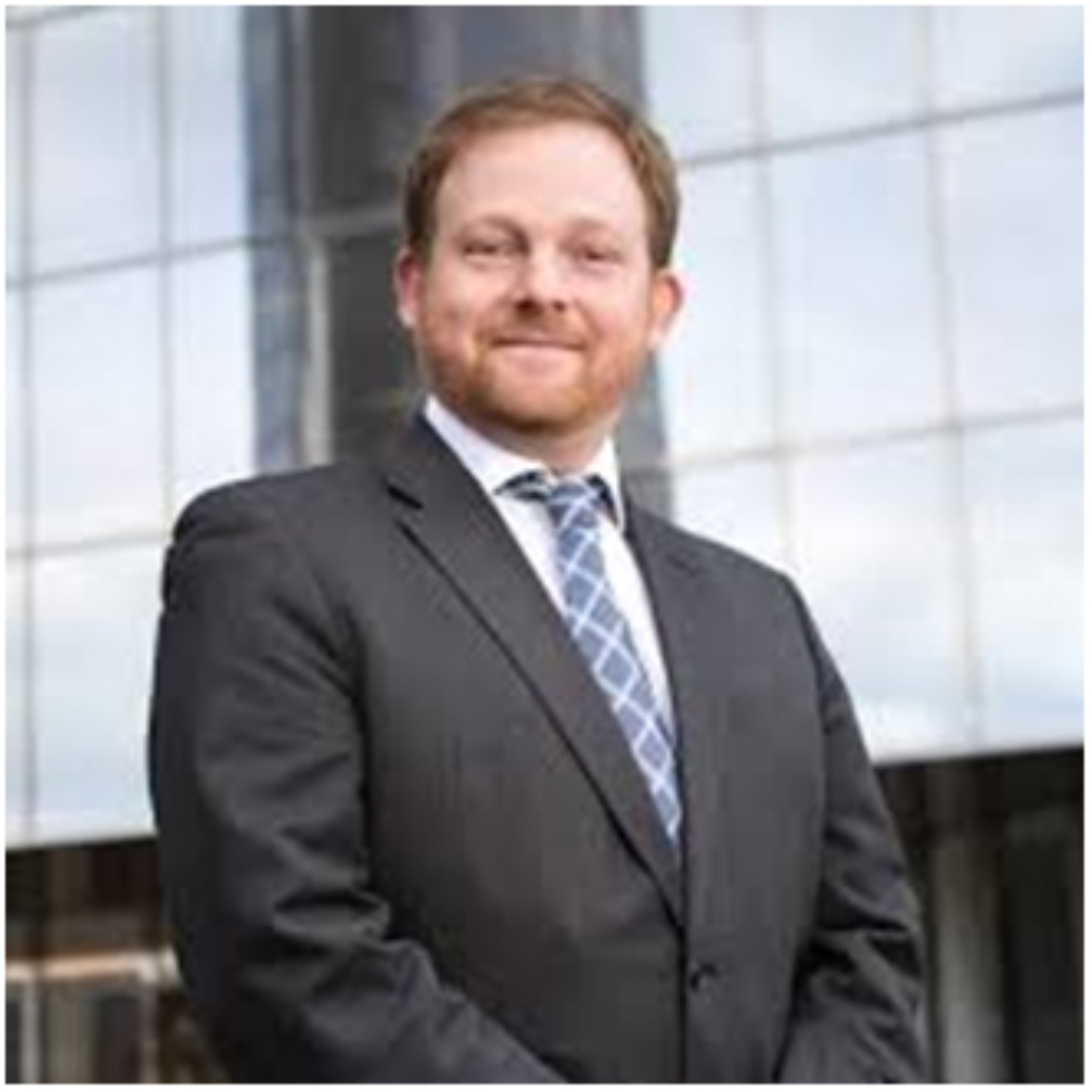
(Kerim Şener: An enterprising British-Turkish citizen)
***
How happy: Now, in this "global" world, Turkish investors were also appearing on the scene.
Under the ownership of STRATEX, attempts to operate the FATSA cyanide gold mine began to yield results in 2010. (https://jacobin.com/2023/05/turkey-gold-mining-health-environment-erdogan-akp-elections?utm_source=chatgpt.com)
However, in a country like Turkey, where political, economic, and legal conditions are volatile, the British STRATEX needed a Turkish partner.
For this, a company called "BAHAR Madencilik," which had very strong references and adopted an aggressive attitude in investment despite not having large capital, was found. A partnership was established with it in 2011.
This partnership turned into a company and was named "ALTINTEPE Madencilik A.Ş." (https://ekolojibirligi.org/FATSAda-doga-mucadelesi-kazandi-maden-sirketinin-ruhsat-uzatma-talebi-iptal-edildi)
BAHAR Madencilik Sanayi ve Ticaret A.Ş. was established in Ankara on December 3, 1993, and was a modest company at the beginning.
Its fields of activity were mine exploration and the operation of gold and other metallic mines. (https://www.emis.com/php/company-profile/TR/BAHAR_Madencilik_AS_en_3517895.html?utm_source=chatgpt.com)
Its owners, as reflected in the press, were Ramazan Yılmaz, Ejder Yılmaz, and Mustafa Yılmaz.
These individuals, whose images are not often shared in social environments, are generally referred to as the "Yılmaz brothers" and are the main shareholders of the company.
In some records, the name of a member with the same surname, such as İhsan Yılmaz, is also mentioned among the company executives. (https://sendika.org/2023/04/balikesirde-BAHAR-madencilikin-planladigi-altin-madeni-projesine-ced-gerekli-karari-681900?utm_source=chatgpt.com
Between 2007 and 2013, BAHAR Madencilik, which could be considered a young company at the beginning,
is stated to be a subcontractor company working for Akın İpek/KOZA Altın, which bought the operation of the Bergama-Ovacık cyanide gold mine, which passed into the hands of the Americans last after the Germans and French. (https://haber.sol.org.tr/haber/altinci-sirket-3-yil-sonra-edremite-geri-donuyor-200-bin-agac-kesilecek-331929?utm_source=chatgpt.com)
The work it did must have been standard subcontractor activities in gold mines; open-pit excavation, waste (unnecessary soil, rock) transport, digging and loading, and truck transport.

According to the information provided by İbrahim Gündüz and Orhan Uğuroğlu (21.06.2021), "As long as they worked together, KOZA Altın A.Ş. terminated all its work with other firms and carried out its commercial activities and subcontracting work through 'BAHAR Madencilik Sanayi ve Ticaret Limited Şirketi'." (https://www.gununsonu.com/resm-belgeli-feto-sorulari/1931/)
In other words, the BAHAR Company is the mining friend of Akın İpek, who is accused of treason on the grounds that he was the financier of FETÖ, which attempted a coup in the country in 2016, received heavy sentences, fled abroad, and now lives in England.
In this environment where it was interested in cyanide gold mining in FATSA, the BAHAR Company was, on one hand, doing the subcontracting work of Akın İpek's KOZA Company in Bergama, continuing its internship in cyanide mining (!), and on the other hand, chasing the FATSA mine.
It was now understood that cyanide gold mining had a great future in the country!
Act early: Gold remains in the hands of those who grab it!
Some of the State's administrators were also behind these works.
For foreign cyanide octopuses aiming to grow and looking for a company like BAHAR in the country, this was an important opportunity!
And for the State order, which hoped to benefit from this both financially and in terms of employment!
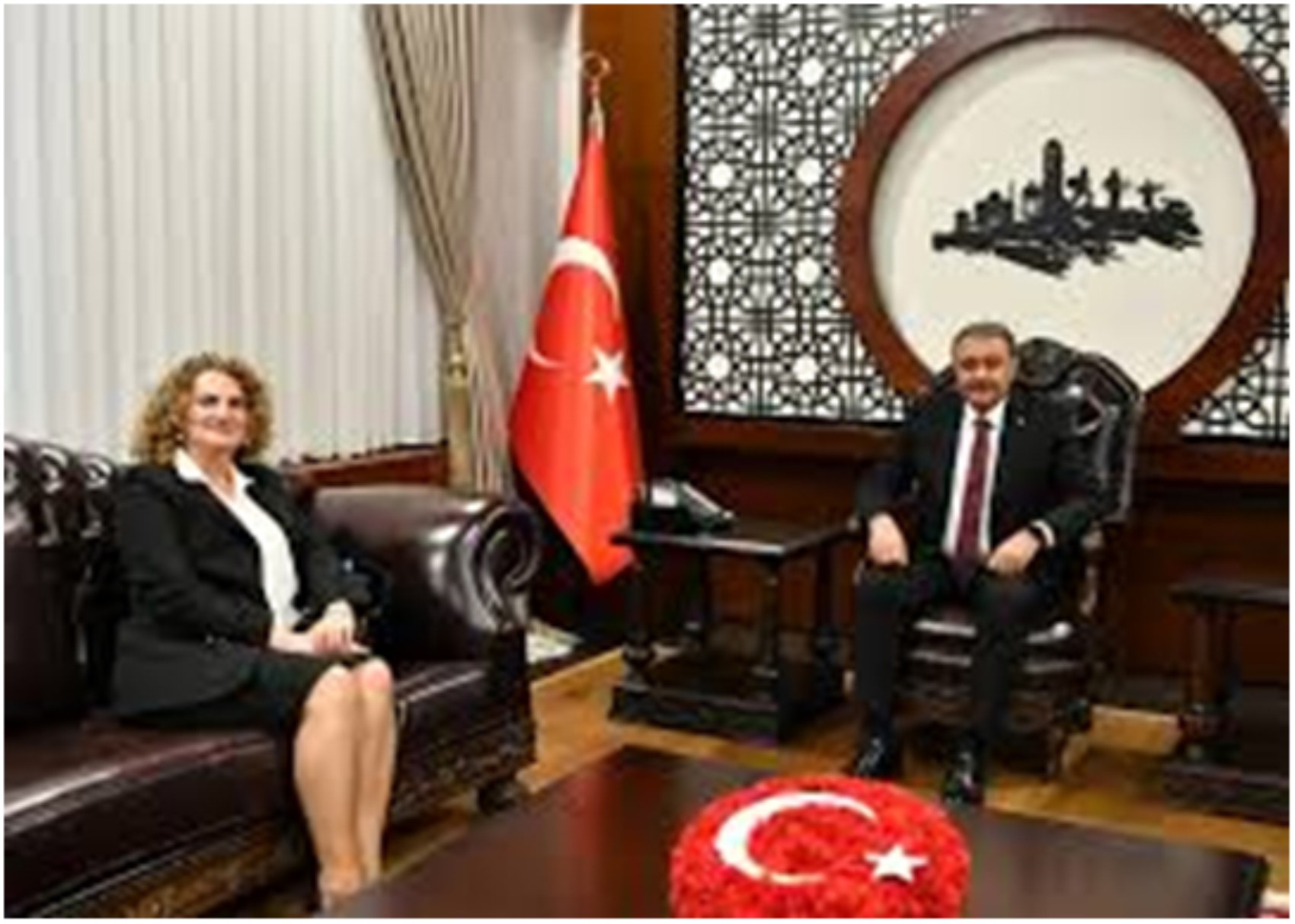
(Bahar Madencilik General Manager and one of the senior executives of Altıntepe, Gülsüm Hasanoğlu Atagün, and her visit to Şanlıurfa Governor Hasan Şıldak.)
***
It is one of the most important rules of capitalism:
Capitalists burning with the greed to make more money combine and increase their power.
Especially when a unique value like gold is in question.
Small companies that try to seize a place for such a job call larger ones to their side once they get the authority. Capital must grow!
Capitalism was working like this in this field as well.
In this process, STRATEX, which attempted to do cyanide mining with the BAHAR Company under the name "ALTINTEPE Madencilik A.Ş." for the FATSA project, became part of the portfolio of the medium-sized British ARIANA Company, where Kerim Şener, a British citizen of Turkish origin, was also an executive, in 2011-2013.
In such an environment, the arms of the Cyanide Octopus are thoroughly wrapping around the country.
Anatolian lands are fertile lands for cyanide miners.
Anatolia is a large morsel offered to imperialism, sweet according to the cyanide miners, and poisonous for Anatolia.
A meal to be eaten until one chokes!
***
Now there was a feast of imperialism's cyanide miners on the ancient lands of Anatolia.
Who wouldn't want to sit at such a rich feast table!
However, 2016 was a turbulent year.
The FETÖ coup attempt occurred on July 15, all businesses, including the Bergama-Ovacık cyanide mine in the hands of Akın İpek, who was reported to be one of the biggest FETÖ supporters, were seized, and A. İpek, who remained under heavy accusations, fled to England.
The BAHAR Madencilik company, which grew up alongside Akın İpek, was not harmed by this turbulence; on the contrary, that year it bought the gold mine site in the Sissostra locality of Sivas-Koyulhisar from another octopus arm, the Canada/USA-origin EMX company, which held this site. https://www.miningsee.eu/2010-2/?utm_source=chatgpt.com
+-
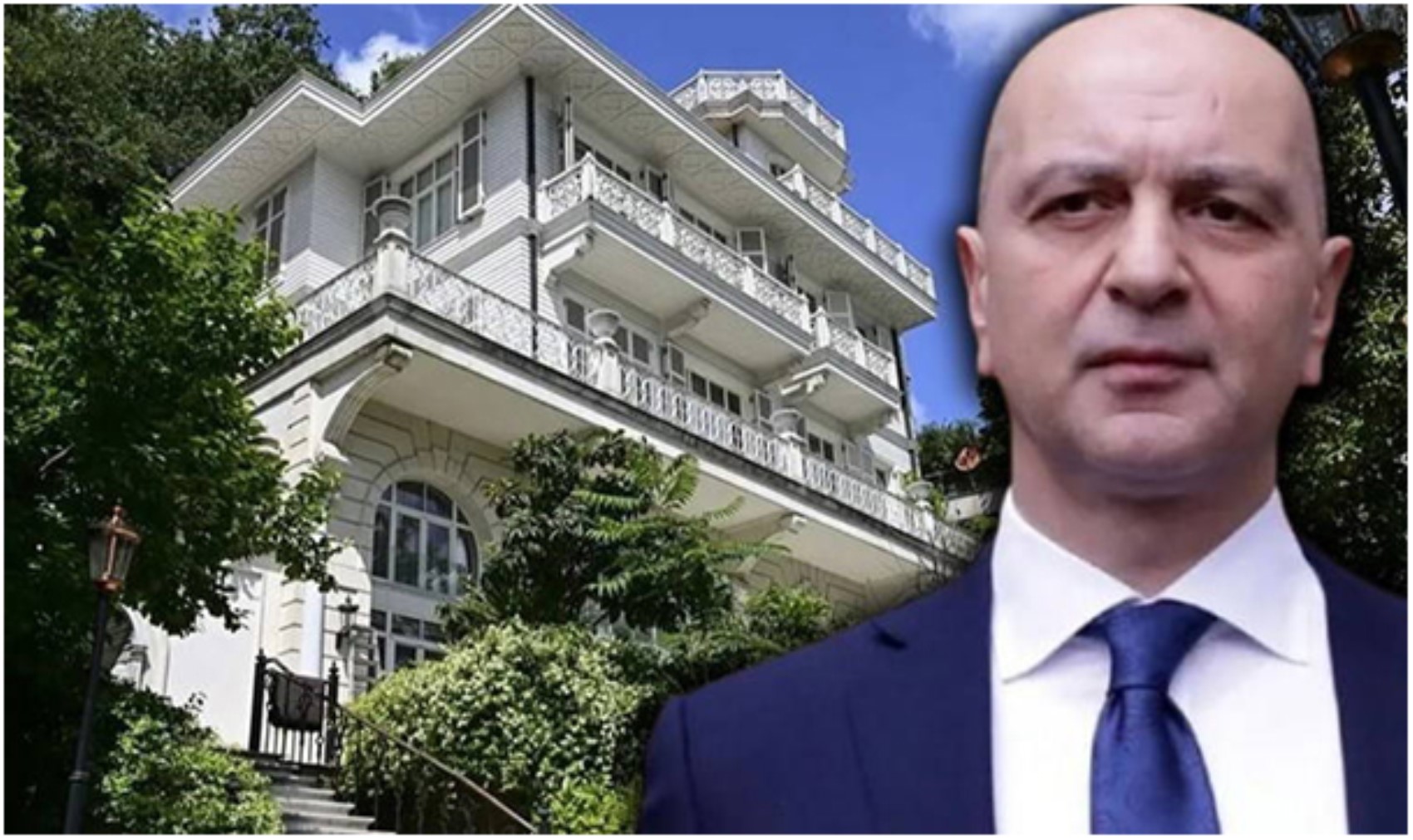
(Akın İpek)
***
2011-2012 passed with preparations made by the ALTINTEPE Company, of which BAHAR was a partner, to open the toxic operation. EIA (Environmental Impact Assessment) processes began to operate.
The ALTINTEPE Madencilik company, with British partners, whose main structure was formed by the Turkish BAHAR company, developed its project in FATSA, made it ready for production, received an "EIA positive" decision in 2013, and started production.
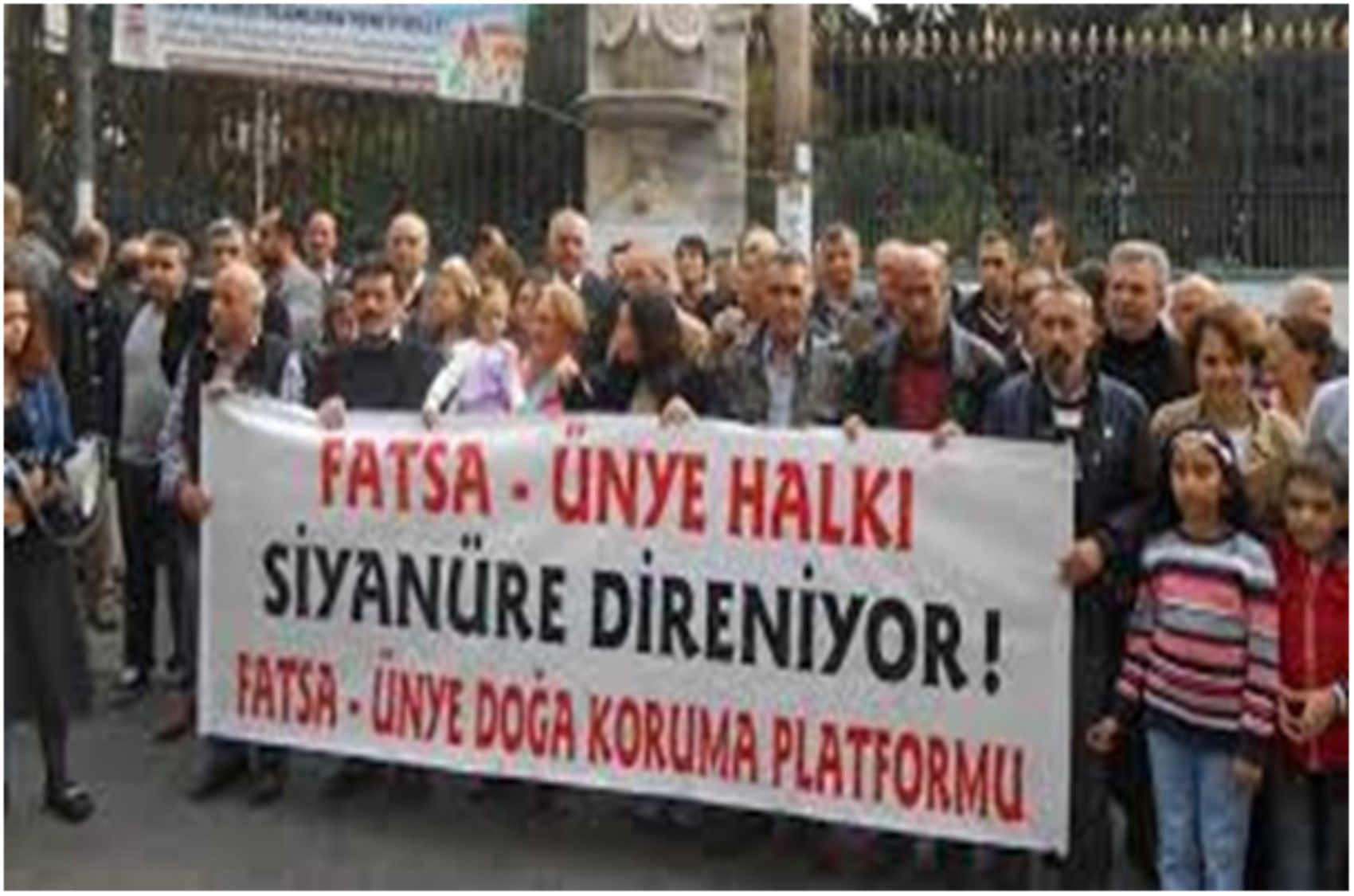
Thousands of chestnut trees were cut down in the mine region, and hazelnut orchards were destroyed.
As committed in the EIA report, it was pledged that mining activities would end in September 2016 and that the mine site would be rehabilitated and closed in September 2018. (https://gunesgazetesi.net/haberler/2587/19283/altin-madeni-sahasinin-genisletilmesi-icin--agac-kesimine-mubarek-gunde-cevreciler-dur-dedi.html)
But this commitment was not fulfilled.
The process of desertification of the lush green geography began.
The surroundings were on the verge of being polluted with cyanide and heavy metals.
***
The method used in the FATSA cyanide gold mine is no different from the "open-air chemical substance operation" used in many other places in the world and in Anatolia.
The part of this method up to the point where it is determined that gold is found somewhere, extracting the ore from the soil, and bringing it to the place where the cyanidation process to separate gold particles from the ore will be performed, is mining.
Cyanidation/cyanide leaching and beyond is directly a chemical process.
Moreover, it is a process performed in the open air.
The method used in FATSA is exactly this "open-air mining," the "cyaniding the soil" method.
In this method, excavation is initially carried out to reach the gold-bearing soil/ore.
Open-pit mining is done by cutting rocks. The ore is broken and crushed in machines. Large ore piles are spread over a clay layer or membrane (plastic layer).
It is thought (!) that this plastic will not allow poisons to pass into the soil and prevent them from mixing with underground waters (although there is no guarantee).
Then, water with sodium cyanide is applied or sprayed onto the ore pile (heap leach).
In the solution that forms under the pile, cyanide separates the gold stuck to the ore particles from the ore.
In the drainage pipes above the membrane at the bottom, the solution loaded (with gold) (pregnant solution) is taken to one or two precipitation pools.
This solution/gold-bearing water is sent from the pool again through pipes to tanks containing activated carbon/coal.
In these tanks, gold is separated from the solution and sticks to the coal (absorption).
Gold is separated from the coal with a special process (elution).
Then, gold is turned into metal by electrolysis.
This is called the "CIL/CIP" method.
Especially in Uşak-Eşme, nature is a victim of this cyanide method at the hands of a Canadian company.
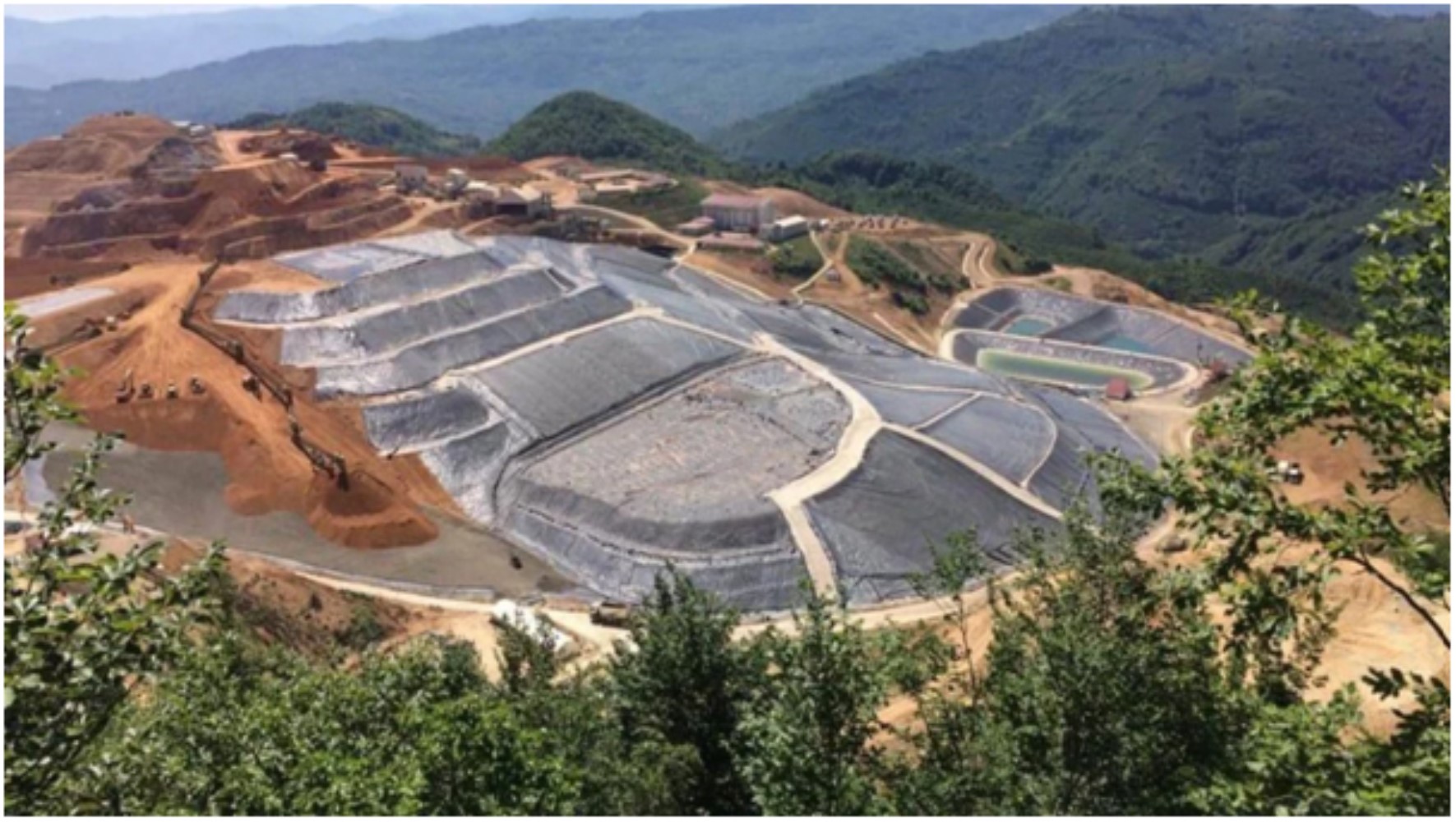
(Fatsa-Altıntepe- Yukarı Bahçeler locality cyanide gold mine. Cyanide pools on the side)
***
Of course, this method, this system applied in FATSA-ALTINTEPE, carries many proven risks...
If the clay layer spread under the ore pile where cyanidation will be performed is made incorrectly, if the geomembrane, which is ultimately a plastic material, is torn, cyanide and other toxic heavy metals mixed with water due to leaks can mix with underground water, and poison can spread to the environment.
Especially in a region like the Black Sea, excessive rainfall can cause pools to overflow and mix into streams and rivers with surface runoff.
On the other hand, cyanide itself can turn into HCN (hydrogen cyanide), a gas, and volatile compounds, and spread to the environment. It doesn't just disappear immediately.
After the cyanidation (leach) process is finished and the gold is taken, the cyanide liquid remaining in the pile can leak into the soil and carry heavy metals. Rains can also carry these poisons to the environment.
In a very rainy region like FATSA, the slope of the land and the presence of many small streams around make water control in such cyanide gold mines more difficult and the risk of leakage higher.
There are similar risks in the solution pool where the separated gold-bearing liquid is conveyed.
After it is conveyed to the activated carbon tank and gold is taken there, cyanide water is returned to the pool. However, cyanide and other metals are still present in this water. This liquid is called "barren solution."
This cyanide water (by adding a little more cyanide to it) is sent again to the cyanidation pile on which another layer of ore has been placed.
The process is repeated. This method is also called a closed-circuit/continuous circulation process in a sense.
In this method, cyanide, arsenic, lead, and other toxic heavy metals circulate within the system and eventually remain in the pile.
After that, "God is merciful!"
It waits to reach living things through underground waters and floods that will occur with heavy rains, and to harm them.
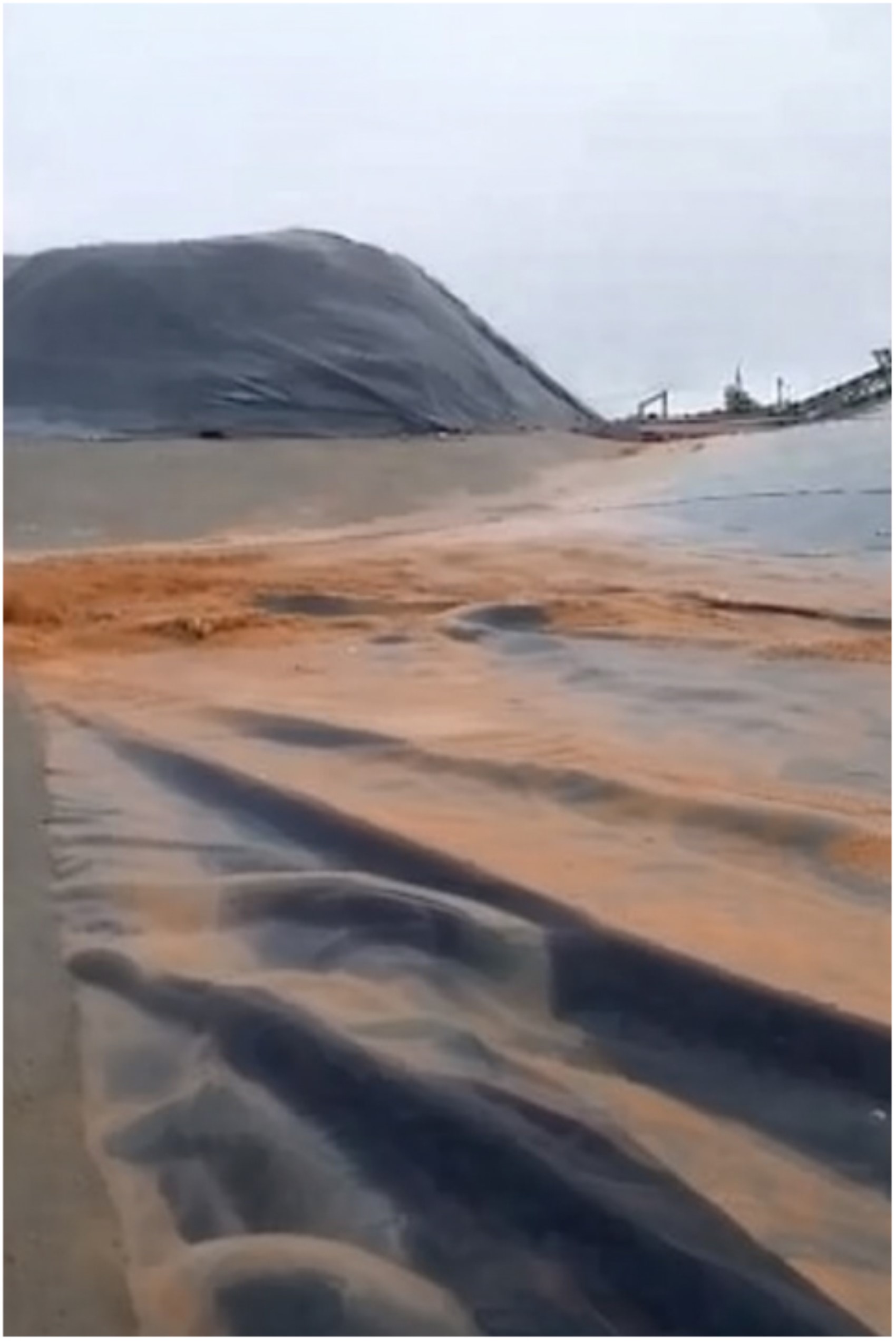
(Flood at the Fatsa Altıntepe cyanide gold mine according to publisher information. Cyanide ore pile opposite and dirty waters flowing with the flood. Source: Odatv: https://www.facebook.com/watch/?v=544606854226172)
***
The ALTINTEPE cyanide gold mine started to be operated in 2013; gold began to be obtained, and cyanide and heavy metal-containing waters/liquids began to be left in places called pools to be used in circulation. (https://haberveinsan.com/FATSA-nin-amazonlari-ndan-ilic-e-bir-siyanurlu-madenin-hik-yesi/4034/?utm_source=chatgpt.com
This gold mine established in the FATSA district of Ordu is an example of a system working in constant tension with nature in one of the rainiest geographies of the Black Sea.
The method used in this mine is known as the cyanide heap leach we described above.
This system, which looks like a closed and controlled cycle on paper, is actually based on a delicate balance that races against rain, topography, and time.
Field reports evaluating mining practices in the Black Sea also emphasize that this method has a fragile structure, especially in rainy regions.
(https://ekolojienstitu.org/koylusuzlestirmeden-cengizistana-karadeniz/)
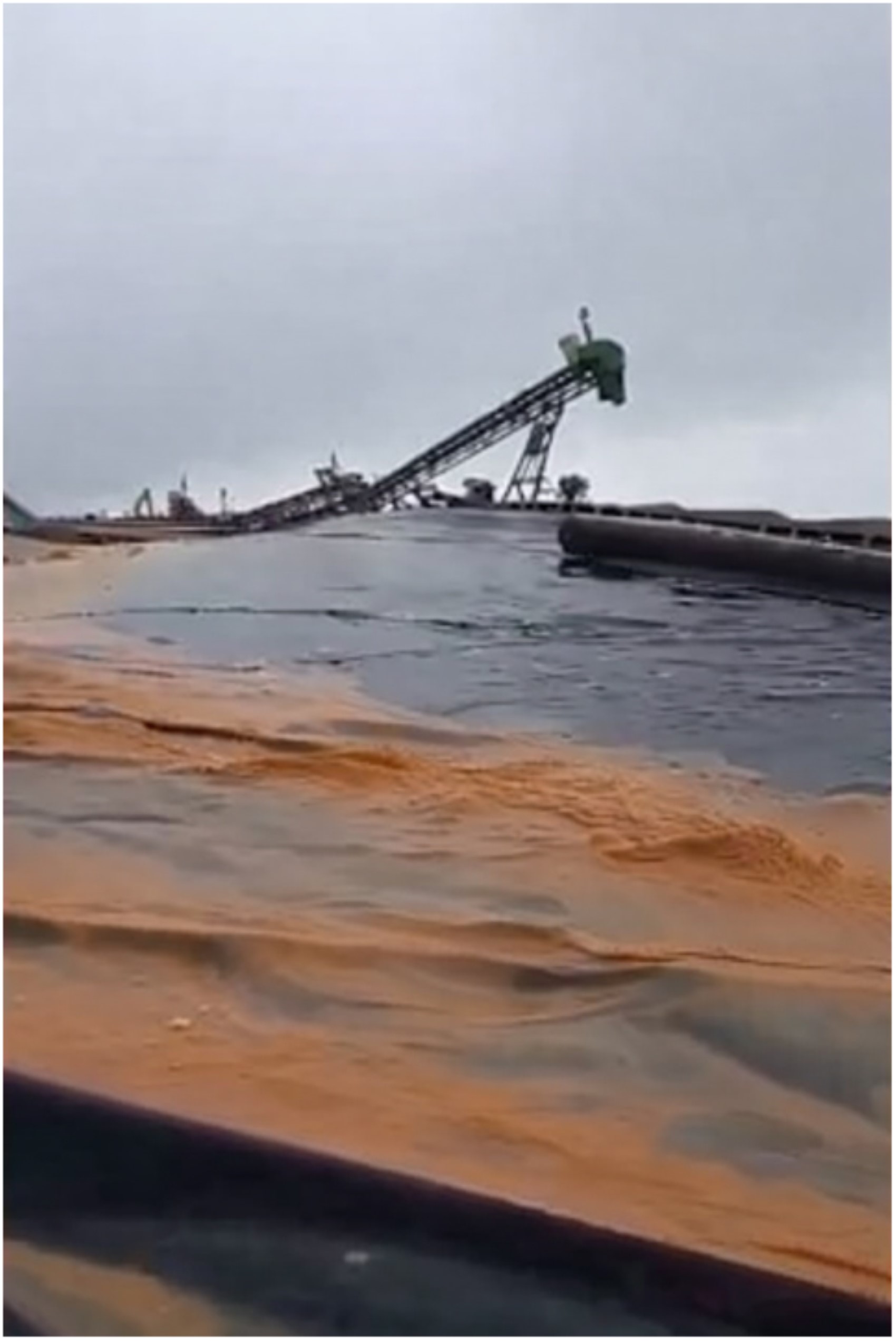
(Flood at the Fatsa cyanide gold mine according to publisher information. Dirty waters flowing with the flood. Source: Odatv: https://www.facebook.com/watch/?v=544606854226172)
***
In such operations, the material remaining after gold is obtained does not disappear.
On the contrary, the mine site itself turns into a gigantic waste area.
Millions of tons of rock from which gold has been taken, that is, the remaining toxic pile, is left where it is.
Inside these piles, there are low amounts of cyanide compounds and heavy metals such as arsenic and lead.
It is reported that it will be covered with soil over time and afforestation will be done.
But even if these are done (!), this is only a cover on the surface. The chemical load inside can continue to dissolve and move with rain.
Liquid wastes are kept in pools, returned to the system, or left to evaporate.
In case these pools fill up or the system is forced, the risk of dirty water being carried to the environment arises; environmental assessments in the region point out that these waters can mix into stream systems, especially with rain. https://ekolojienstitu.org/koylusuzlestirmeden-cengizistana-karadeniz/
Here, to the streams of Ordu!
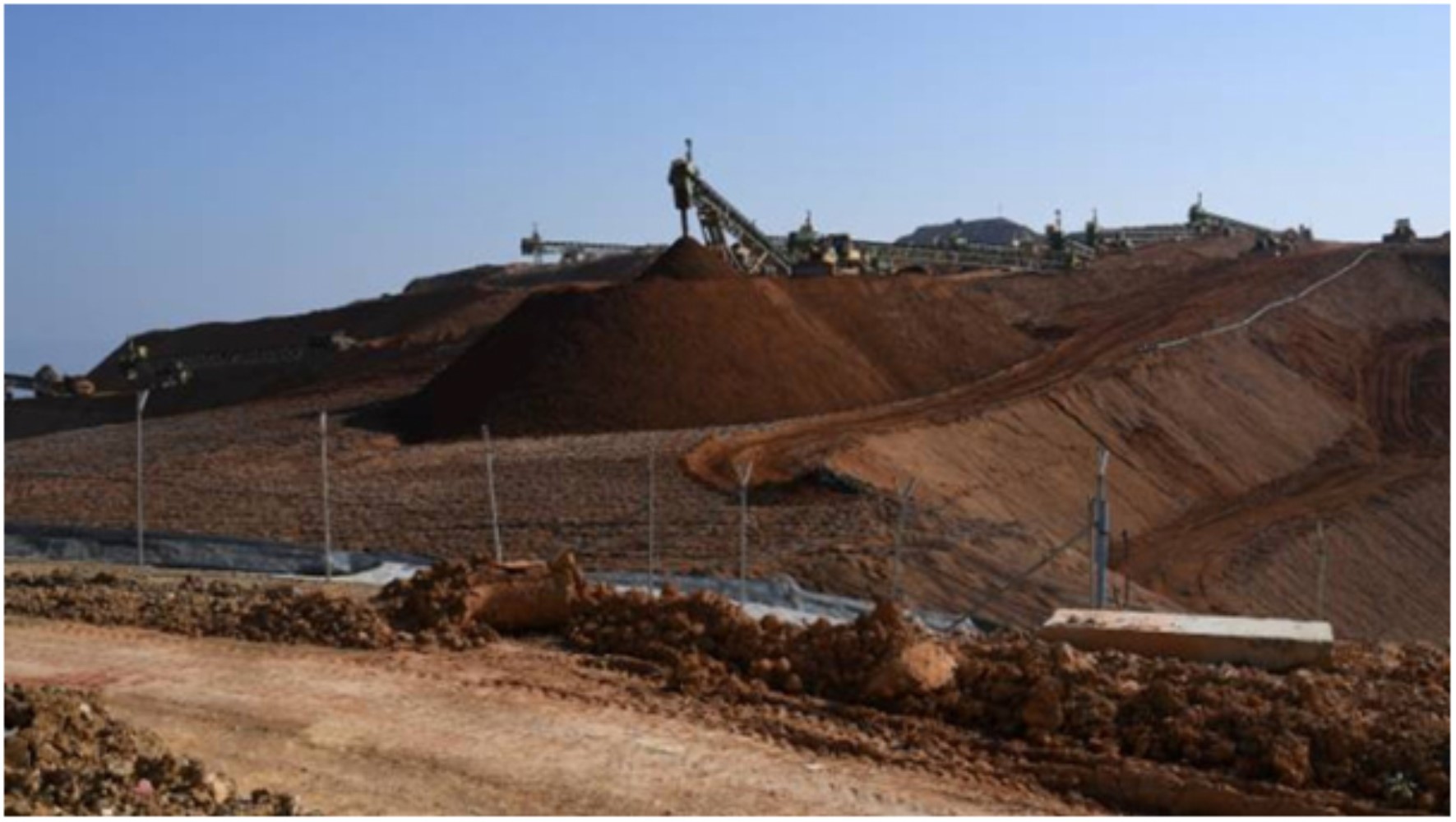
(Fatsa Altıntepe cyanide gold mine, probably an image of the previous picture before or after the flood. Source: İbrahim Gündüz. https://www.odatv.com/guncel/yeni-goruntuler-ortaya-cikti-siyanur-orduya-siziyor-276341)
***
An event that was at the center of the discussions in FATSA occurred in 2018, especially during the intensely rainy autumn period.
The Black Sea's heavy rains saturated the leach field with water; the amount of solution passing through the piles increased, and the collection pools approached capacity limits.
At this point, the most sensitive link of the system emerged: the separation of dirty water from clean water. Due to excessive rainfall, strong allegations that the toxic pile field was filled with flood waters and that muddy waters containing cyanide and heavy metals mixed into stream systems were reflected in the public. https://www.iklimhaber.org/FATSAdaki-siyanurlu-altin-madeninin-faaliyetleri-durduruldu/.
The allegations were proven with visual material.
These allegations were not limited to observation-based narratives and visual records; it was reported that heavy metal pollution was detected to have increased significantly in stream and soil samples in scientific studies conducted in the region. (https://www.birgun.net/haber/FATSA-altin-madeni-icin-kirlilik-davasi-goruldu-adalet-gecikir-ama-muhakkak-gelir-614481
In response, the operating company, the ALTINTEPE Company, of which BAHAR is also a partner, and official authorities announced that there was no major waste dam collapse or uncontrolled disaster and that the system was under control. (https://t24.com.tr/haber/ordu-fatsa-daki-siyanurlu-altin-madeni-kapatildi,1153328)
For this reason, the event in FATSA can be characterized not as a sudden and destructive collapse, but rather as the spread of dirty water to the environment through surface runoff as a result of the capacity of the leach (where ore is piled) field and the pools where the solution is collected being forced under excessive rainfall.
Such situations are characterized by pollution processes that accumulate and spread over time, rather than disasters that appear all of a sudden.
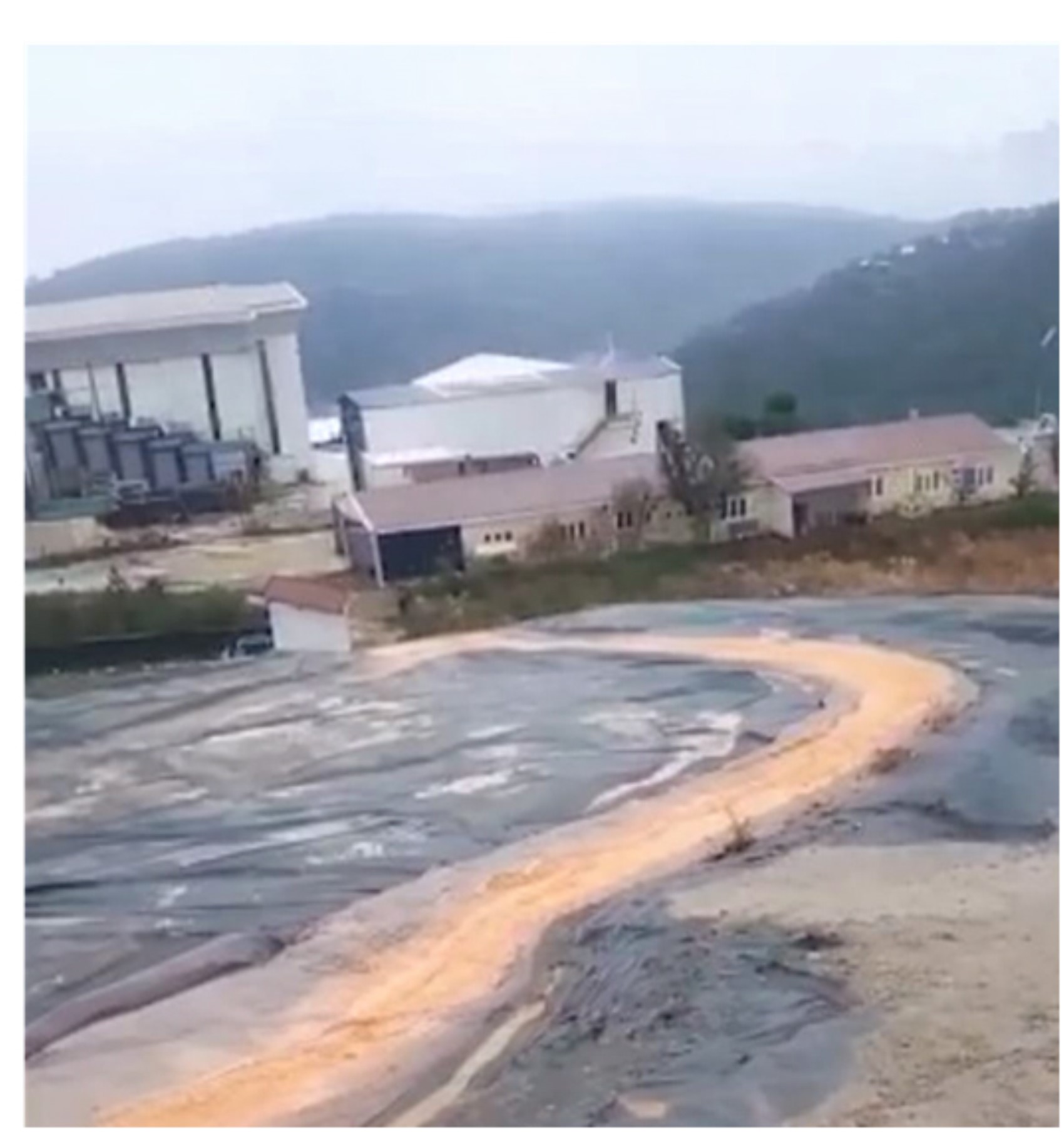
(Flood at the Fatsa Altıntepe cyanide gold mine according to publisher information. It is reported that the operating facilities opposite and the dirty waters flowing down from the hill with the flood are mixing into the streams of Ordu and the Black Sea. Source: Odatv: https://www.facebook.com/watc/?v=544606854226172)
***
In this process, the request of the Bahar Madencilik Company, which filed a 500 million TL compensation lawsuit against journalist İbrahim Gündüz, who made a video news report about the event regarding the fact that the mine's dirty waters mixed into surrounding streams as a result of the rain flood disaster at the Fatsa-Altıntepe cyanide gold mine, on the grounds that he "wrote unfounded news" and "attacked personal rights," was rejected by the Ankara 13th Civil Court of First Instance.
In this court, it is also understood that the ALTINTEPE Company, the apparent owner of the mine, and the BAHAR Company are partners. (file:///C:/Users/HP/Downloads/%C4%B0BRAH%C4%B0M%20G%C3%9CND%C3%9CZ.pdf)
Thus, the FATSA-Altıntepe poison disaster is also registered with the court decision dated 24.07.2024.
However, following this, upon the criminal complaint made by environmentalists from Ordu to the judiciary regarding the fact that the company operating the mine created environmental pollution, the court decided to acquit the company officials on 16.01.2026. (https://www.orduolay.com/haber/27253632/fatsada-altin-madeninin-kirlilik-davasinda-beraat-cikti-adiguzelden-sert-aciklama-geldi-cevre-katliami-hukuk-katliami-olarak-suruyor)
***
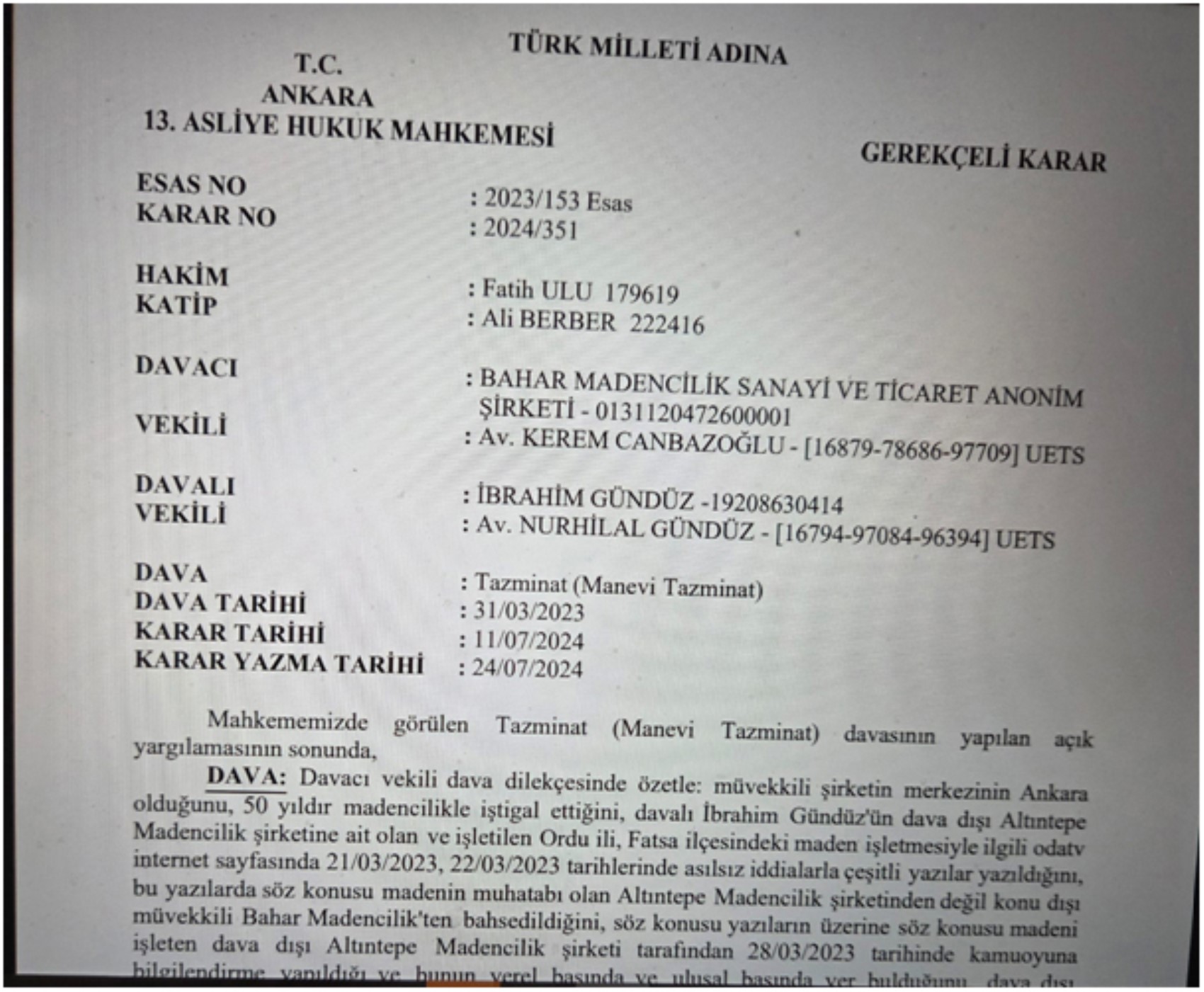
(Court decision on compensation regarding the flood at the Fatsa mine
The FATSA example clearly reveals the most fragile point of cyanide gold mining.
No matter how much the system is based on engineering calculations, natural conditions—especially rainfall—continue to be decisive.
And perhaps most importantly, the story does not end the moment gold is extracted; on the contrary, it just begins.
Because what remains is a chemical legacy that continues to remain in the soil and interacts with water, soil, and life over time.
For this reason, what happened in FATSA should be read not as an event that occurred on a specific date, but as an example showing how delicate the balance between nature and industrial activities is.
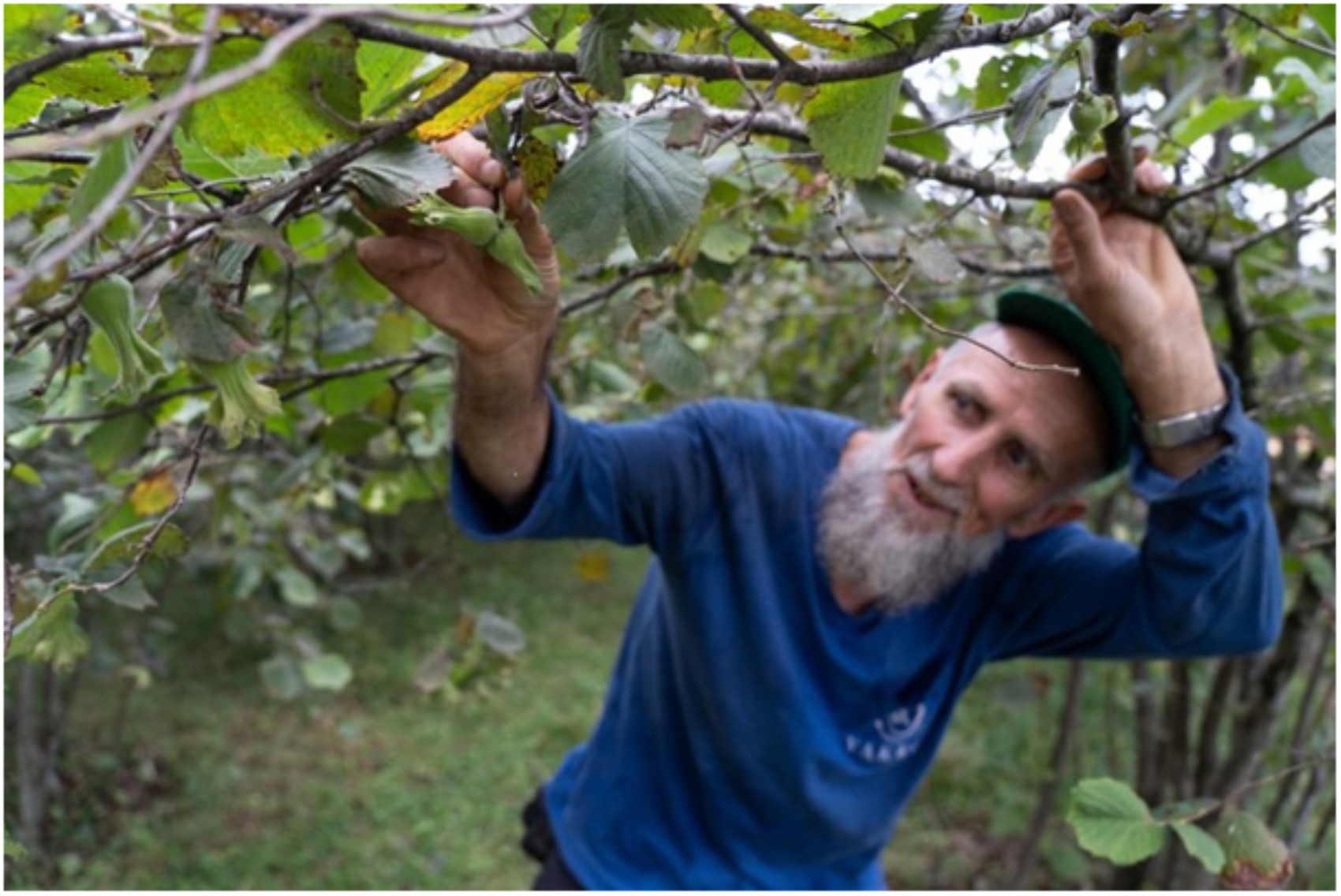
(Ahmet Topçu: A hazelnut producer in Fatsa)
***
In 2018, despite the reactions and protests against the pollution caused by the overflow of cyanide pools as a result of heavy rains at the FATSA gold mine, the mine was not officially closed and continued its activities.
When the reactions increased even more, the mine's activities were stopped by the decision of the Ordu Governorship in 2019.
In this process, the EIA was reviewed, and licenses and permits were discussed.
After the company's applications, decision-makers must have been convinced, as permission was granted again for the mine's activities in 2020.
However, the opposition of the public and environmentalists to this mine did not stop.
It was stated that the work permit that the FATSA mine ALTINTEPE received and started in 2013 should have ended in 2018, but activities were continued. (https://ekolojibirligi.org/FATSAda-doga-mucadelesi-kazandi-maden-sirketinin-ruhsat-uzatma-talebi-iptal-edildi/?utm_source=chatgpt.com )
In 2024, with the decision of the Ordu Administrative Court, the license extension of ALTINTEPE Madencilik in FATSA was canceled and activities were stopped. Subsequently, the Ordu Governorship applied a "stop activity" to the mine.
Of course, during this activist and legal struggle process, while the operation was being opened and closed, the ore in the "Yukarı Bahçeler" locality of Altıntepe was exhausted. The mine officially appears closed!
But in this process, as a result of the increasing love for gold of the country's administrators, almost the entire Fatsa district was declared a mining zone by high authorities.
The ALTINTEPE Company and BAHAR, of course, did not give up on their love for cyanide gold.
While trying to obtain the necessary permits in the new mining areas in FATSA, they were also collecting new gold and silver licenses and exploration sites across Turkey, preparing for operation, and trying to obtain the necessary permits.
Naturally, they are encountering the reaction of environmentalist ants in many places.
***
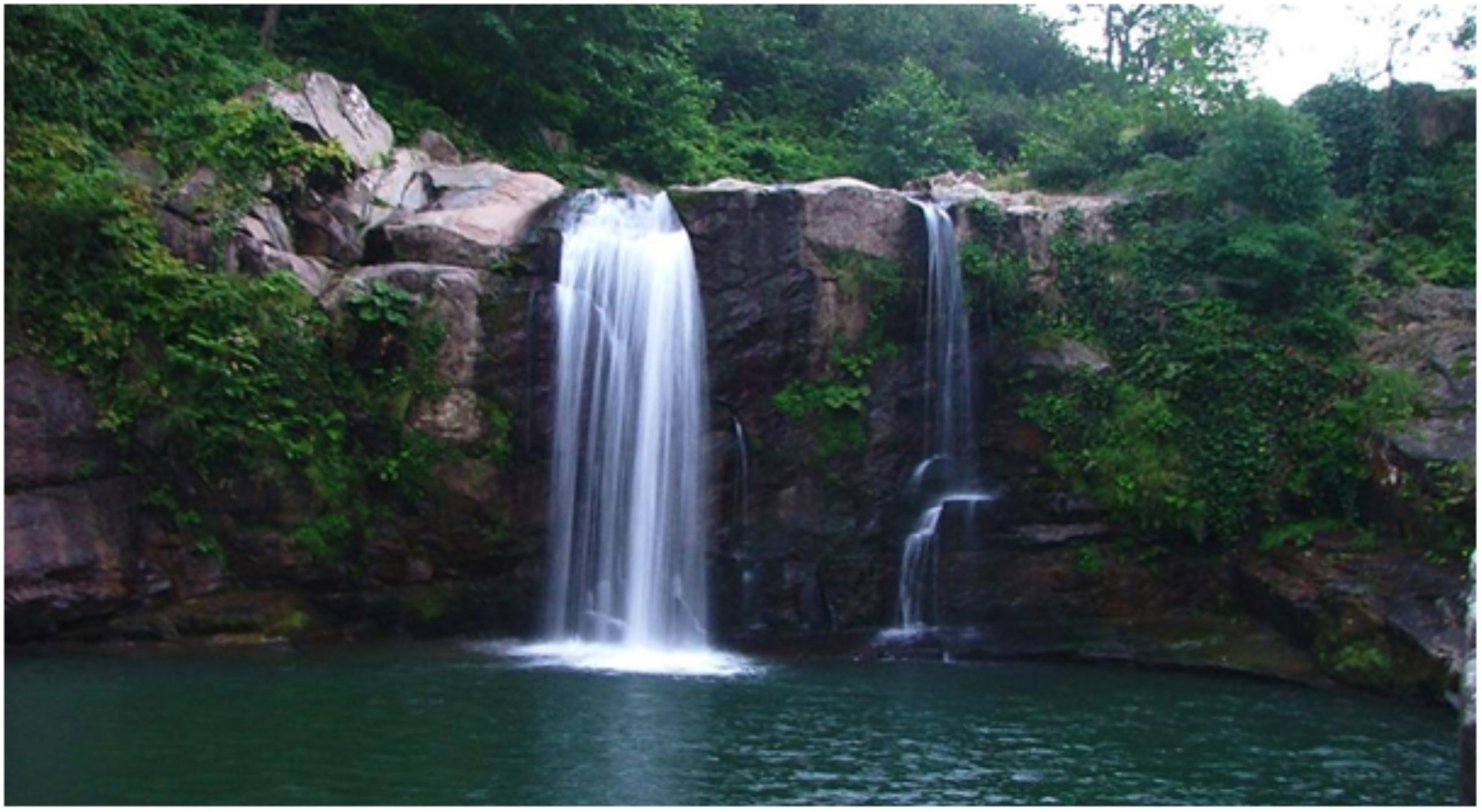
(Ciseli waterfall of Ordu)
It is impossible for all these events and facts not to remind one of a very old Ordu folk song.
"The streams of Ordu
Flow upstream
I won't give you to others
Even if Ordu rises against me
My dark-eyed one, oh."
The "dark-eyed one" (sürmelim) mentioned in this old Black Sea folk song is not just a word said to a beloved woman.
This call is a person's resistance against what is wanted to be taken from their hands.
What is expressed in the line "I won't give you to others / Even if Ordu rises against me" is the determination to protect a love; the courage to stand against an entire order if necessary.
When looking at what is happening in Fatsa today, this folk song gains another meaning.
Now, the "dark-eyed one" is not just a lover; it is the stream, the soil, the water, life itself.
What the streams swollen with rain carry is not just water; the fate of a geography is also within this flow.
That is why the call in the folk song is heard again:
"I won't give you to others..."
This time, what is being spoken of is not a lover;
it is a valley, a stream bed, a living space.
And the "dark-eyed one" is now:
not a lover with kohl-lined eyes,
but the Black Sea soil, darkened by rain, with life flowing through it.
Because some things are not just loved; they are protected.
And some folk songs still continue where they are sung.
Sefa Taşkın
29.03.2026
Karşıyaka/İzmir
Most Read
Galatasaray announces injury updates for Osimhen, Lemina, and Singo

Attention online sellers: Tax monitoring expanded

VAR for the Fenerbahçe-Beşiktaş derby has been announced!
Bridges and highways are being privatized: 15 July and FSM are also on the list

Peugeot September 2026 price list is out

New details emerge in 'panel' operation targeting lawyers
Gökçek era detail in ABB investigation
First statement from Osimhen after injury in Başakşehir match
Özlem Şanver: 'He said he would change, I believed him; should I be beaten just because I didn't leave?'
The Süper Lig's new team becomes the transfer champion