



CYANIDE DIARIES FROM BERGAMA-15
The weight of environmental problems is being felt in Turkey just as it is increasingly affecting the entire world.
Under current conditions, nature is being recklessly exploited to produce goods for societies driven by the 'new savage capitalism'—the easiest and most profitable way to make money—and the 'consumer frenzy' created by 'globalism'.
The consequences of climate change, seen as a result of this savagery, are reaching frightening proportions.
If realistic measures are not taken and an effective fight against pollution and polluters is not waged, the state of both the world and our country will be dire.
At this rate, it will be impossible to find food without toxic residues or clean drinking water.
The subject and the situation are extremely vital.
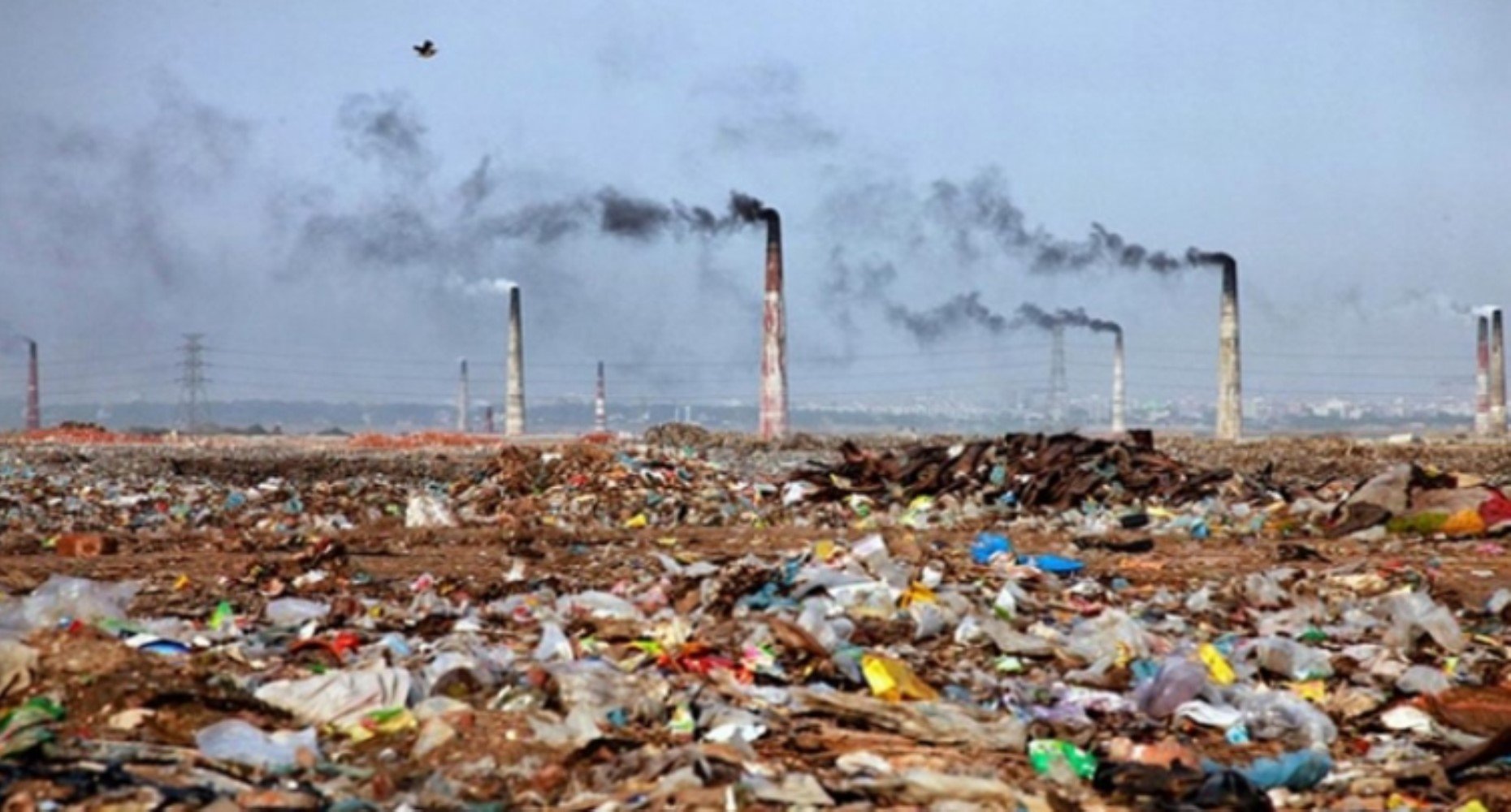
(The Polluted World)
***
Turkey's first comprehensive Environmental Law was enacted on August 11, 1983.
The law was passed by the military junta that had seized power in Turkey on September 12, 1980, just before they left office.
It is said that Prof. Friedhelm Korte, a respected member of the Technical University of Munich, one of Germany's most important educational institutions, served as a consultant during the preparation of this law.
Thus, this field, which could previously only be regulated through bylaws and decrees, finally had a formal law.
Weary of the junta's oppression, the public voted in the general elections held on November 6, 1983—three months after the Environmental Law was passed—and replaced the junta's fascist rule with the Motherland Party (ANAP) government led by Prime Minister Turgut Özal.
With Turgut Özal, the country's doors were opened to globalization.
Turkey was now set to embrace the world and global capital.
Everything was to be disposed of; the Republic's 60 years of industrial accumulation were to be sold to domestic and foreign capitalist masters in the name of privatization.
In this process, neither Sümerbank nor Etibank remained.
Thus, the country was supposedly going to be saved from the public/state ownership that was considered a burden!
In this way, the goal of 'development through capitalism,' which had been pursued for years, would be reached more easily!
From the beginning, state-led semi-capitalism had provided a certain degree of progress, but now the doors were being opened completely to foreign capital.
Domestic circles eager to partner with them were ready to show the way.
During the time of Süleyman Demirel, they were referred to by the word 'comprador,' borrowed from Portuguese.
***
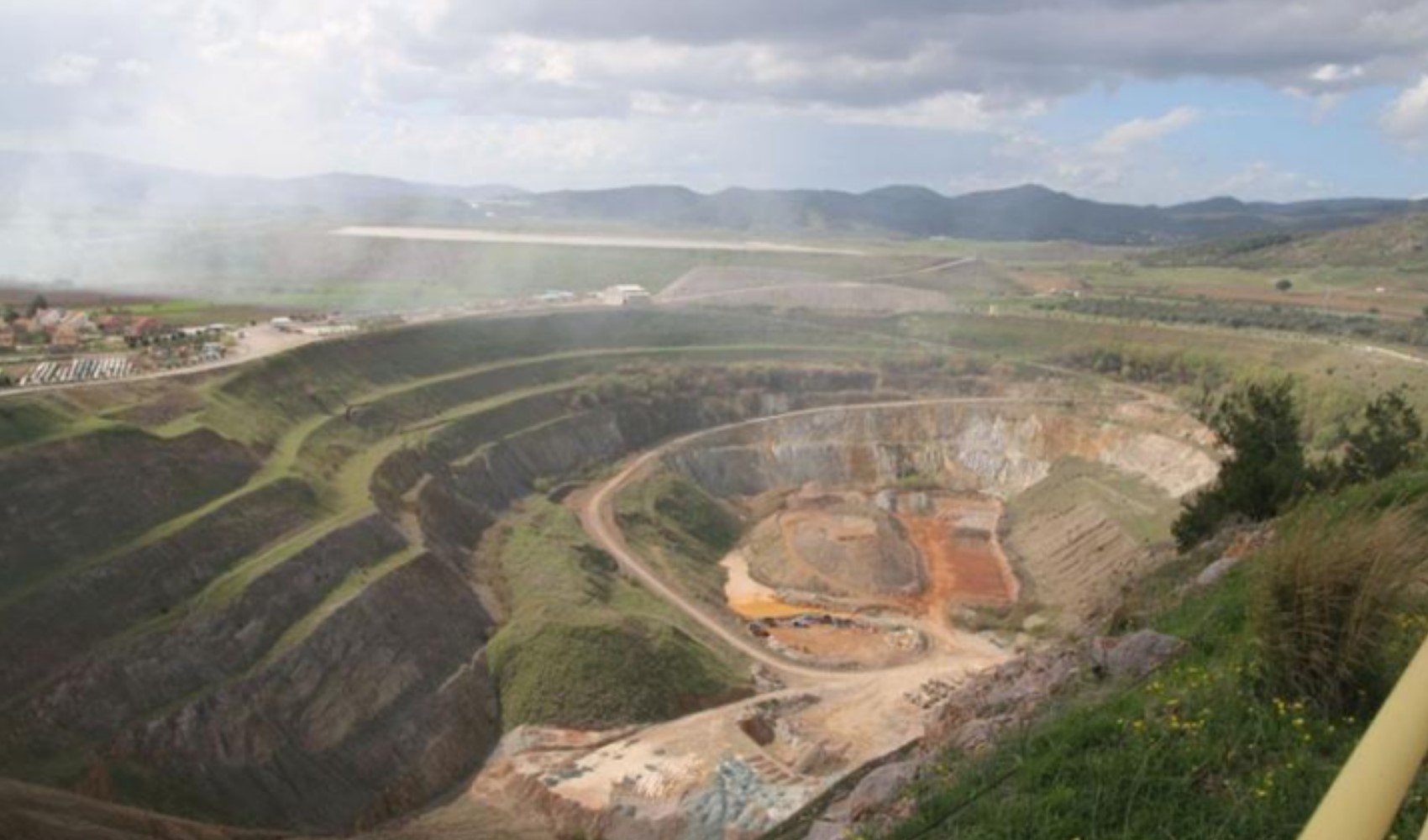
(Environment stripped of its natural state - Bergama Ovacık Gold Mine - 2020)
The Turgut Özal government amended the Mining Law in 1985, granting foreign companies the right to obtain mining licenses, conduct mining operations, and operate mines.
In fact, the Australian-appearing company Australian Consolidated Minerals (ACM), which was owned by Americans, had caught the scent of the bitter almond smell of the cyanide to be used in extracting gold in Anatolia and had taken action!
Lots of cyanide, low cost; lots of money, lots of profit!
For many years, Eurogold, which seized land in Bergama and later in many parts of Anatolia to extract gold using cyanide, (Normandy) company was its derivative.
Dr. Hüseyin Yılmaz, who worked as an Exploration Manager at this company and later retired as a professor from the Department of Geological Engineering at Dokuz Eylül University, had been searching for gold in Western Anatolia since 1988.
The Aegean region was a geologically productive area in terms of the presence of gold in the ore.
In fact, the first gold coins were produced on these lands; in Sardis (Sart-Salihli-Manisa) and Pergamon (Bergama-Izmir).
As a result of geochemical studies, the Bergama region was selected as a research area.
There was definitely gold in these places.
Detailed chemical analyses were conducted using sand and gravel samples taken from along the streams.
It was understood that there were quartz (a type of rock) veins containing gold around the Ovacık, Çamköy, and Narlıca villages of Bergama.
It was already rumored that in the neighboring village of Alacalar, there were caves used during the Byzantine era that had gold on the surface of their soil.
Upon reaching these findings, when the first step was taken that would bring the cyanide plague upon Turkey, and when the exploration license was obtained, Dr. Hüseyin Yılmaz, who would later be made a professor, must have been so happy.
The US-based Australian company ACM (NORMANDY), having thus learned that gold was found in Bergama, immediately took action, purchased the exploration license held by ECZACIBAŞI HOLDING by giving them a share, and subsequently established EUROGOLD as a Turkish company with foreign capital.
Prof. Dr. Hüseyin Yılmaz had also become an employee of this company.
Prof. Hüseyin Yılmaz
***
Once the public learned that a gold mine would be operated in this region using cyanide, that toxic waste would be accumulated in a constructed pond, and that poisonous substances such as cyanide, arsenic, and other heavy metals could have fatal effects on human health, reactions began to be expressed in various forms.
With the information provided by patriotic engineers and scientists, the villagers understood that no good would come from this mine.
The state in Ankara was eager for this mine to be operated, but it was also wary of the public's reaction.
The only power feared by administrators who insist on doing things their own way, rather than serving the true interests of the people, is 'the public'.
On the other hand, the cyanide-using company Eurogold was persuading public officials through the connections it established in Ankara and with the help of well-known public relations experts like Betül Mardin, advancing step by step with the permits it obtained.
Of course, there were many who helped the cyanide proponents. After all, who wouldn't be dazzled by shiny gold?
There were also changes in politics during this process.
Following Turgut Özal's election as President, Yıldırım Akbulut served as Prime Minister between November 9, 1989, and June 23, 1991. Following the general elections held on October 20, 1991, Süleyman Demirel became Prime Minister with the DYP-SHP coalition, and Bedrettin Doğancan Akyürek was appointed as Minister of Environment.
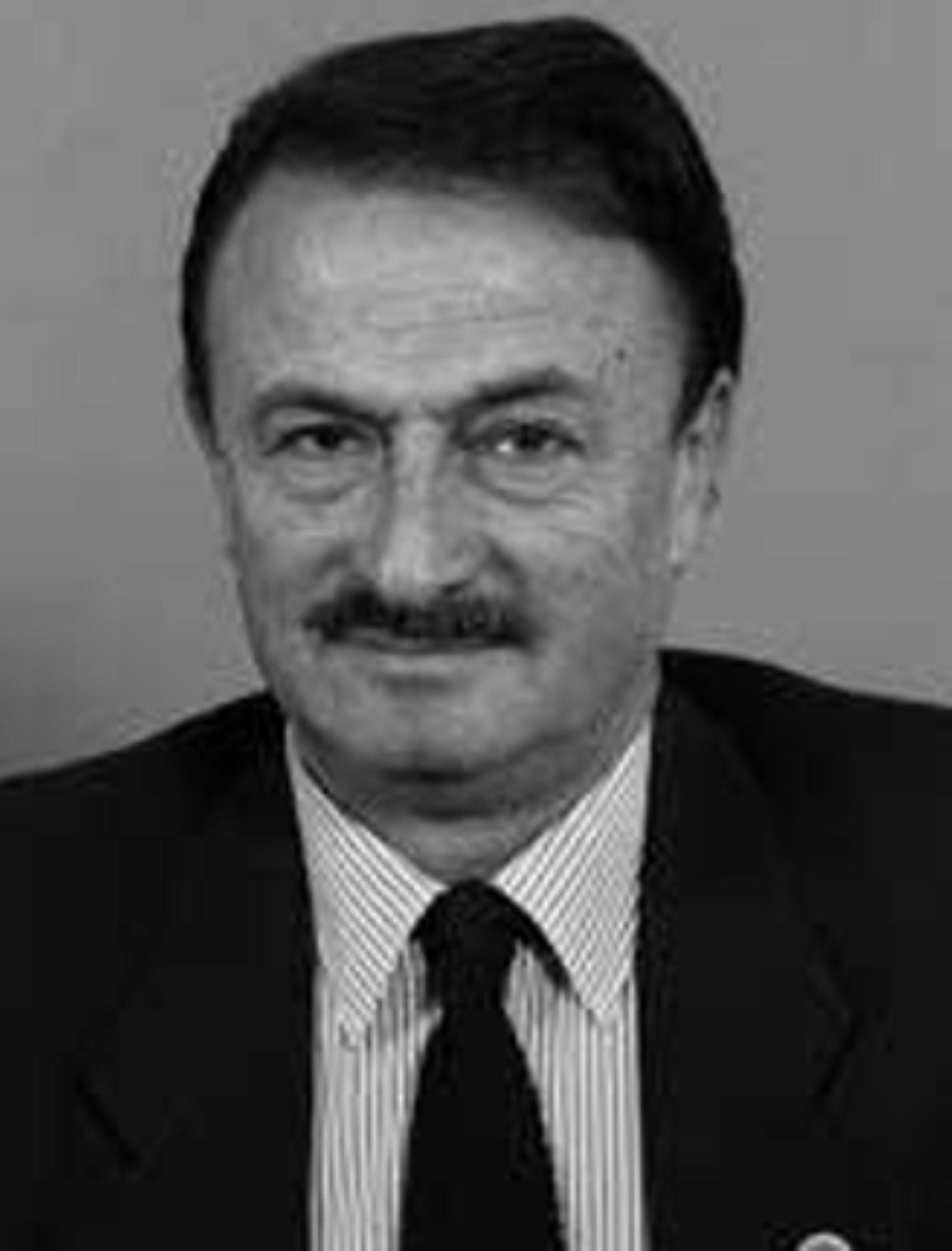
1991 Republic of Turkey Minister of Environment Doğancan Akyürek
***
The situation regarding the cyanide-leaching gold mining debate, which had been ongoing since 1989, was slowly becoming clear.
The villagers of Bergama around the mine were collectively opposed to it.
In fact, the mukhtars (village heads) of 15 villages had united and were in solidarity with the participatory and resistance-oriented village committees that had been established.
Many scientists, especially those from Izmir, had proven how harmful cyanide mining is to the environment and human health.
Lawyers based at the Izmir Bar Association were investigating the legal aspects of the issue and taking action.
However, on the other hand, it was becoming clear that a significant portion of the State was convinced by cyanide-based gold mining.
For a political power that had been unable to provide relief to its people, balance its budget, or curb inflation for many years, how good it would be to possess 'gold,' the existence of which was being described in such glowing terms.
(Logo of the Environmental Impact Assessment (EIA) Agency of the Republic of Turkey)
'Are we going to be the poor guardians of rich mines!'
Such propaganda slogans were finding resonance in the high echelons of the state!
Weren't the foreign companies saying there would be no harm to the environment at all?
They were establishing these operations all over the world!
What pollution? The mining sites were supposedly going to be spotless!
Did the state not have a regulatory mechanism in place?
Moreover, didn't this company want to take public officials to Australia and Canada to show them their supposedly flawless (!) operations?
And honestly, taking such a trip wouldn't have been bad at all!
But, of course, there were also those trying to spoil the party!
There were also those asking, 'What about the cyanide, it poisons everything!'
In the Ministry of Environment, the Ministry of Forestry, and the General Directorate of Mineral Research and Exploration (MTA), there were still those who looked unfavorably upon such operations.
But the real problem was the "public"!
Public opinion and the press had also stood by the "public"! A strong resistance was appearing on the horizon!
When the cyanide-using Eurogold applied to the higher levels of the state for an operating permit, they were told, "go convince the public first."
And this toxic company, despite throwing so much money around, could not cope with the "public"!
Environmentalism, which was previously attributed to a small number of intellectuals, was becoming socialized.
From time to time, the State would intervene!
The attitudes of the Bergama villagers in the field of science, in building up legal expertise, and in their peasant resistance were not only met with sympathy in the press, on television, and among non-governmental organizations, but were also attracting attention within the ranks of the State.
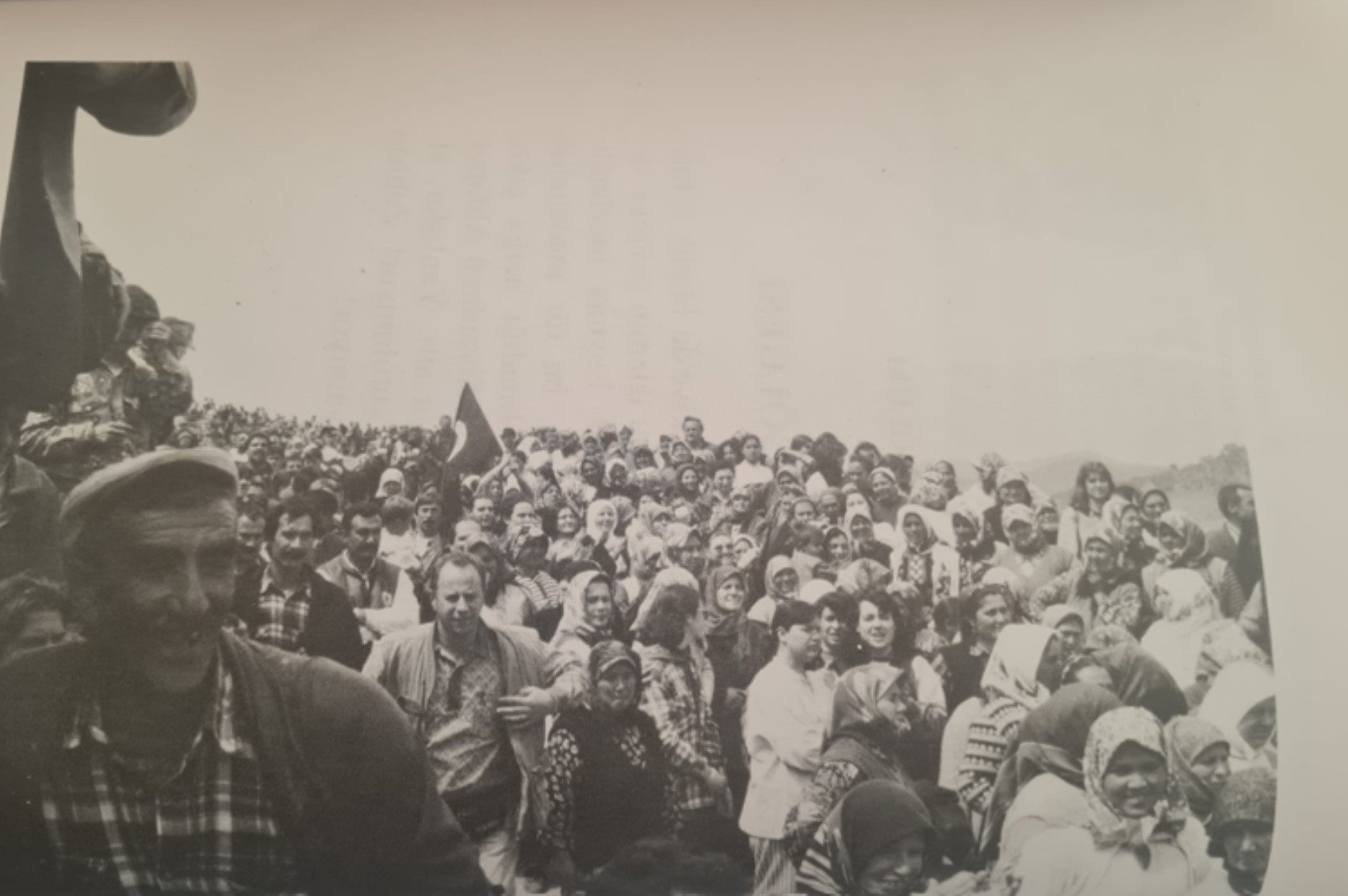
(Bergama villagers-1992- warning Turkey.)
***
It was understood that Süleyman Demirel, who was trying to govern the country through a coalition with the SHP, was also monitoring the developments and social behaviors in Bergama.
In a country that had just emerged from the fascist rule of September 12, new steps were being attempted toward the development of democracy, partly under the influence of his partner, the SHP.
During this period, environmental problems, which were a nuisance for "savage capitalism" all over the world, had begun to emerge like a boil in Turkey as well.
With the development of industry, capitalists often did not hesitate to harm the environment in order to make easy money.
Article 10 of the Environmental Law No. 2872, which entered into force in 1983, mandated that an Environmental Impact Assessment (EIA) be conducted for environment-related investments.
However, the regulation necessary for the legislation that would determine the conditions for such an assessment did not yet exist.
As if poisoning the environment were not enough, the Eurogold company had applied to the General Directorate of Foreign Capital and Incentive Implementation of the Undersecretariat of Treasury and Foreign Trade to obtain an "Incentive Certificate" during this process.
The Undersecretariat of Treasury, since there was no EIA regulation yet, requested an environmental report from the Eurogold company regarding the environmental impact of the cyanide-based operation as a special condition for granting an 'Incentive Certificate,' even though it was not a legal requirement. assessment report.
An 'Incentive Certificate' is an official document that allows beneficiaries to take advantage of tax, insurance, and financing benefits offered by the State to support investors.
Thus, a portion of the taxes collected from the public is given to the applicant person/institution to support those making investments, within the framework of pre-determined rules.
Eurogold was going to make a 'cyanide in Bergama' investment, and on top of that, it was asking the State for an 'Incentive'.
How convenient!
An 'incentive' to poison nature and the public. And all with the public's money!
Toxic gold was not enough to satisfy their greed!
A sweet deal!
During this process, the individuals managing Eurogold, handling the company's affairs in Ankara and Bergama, and successfully (!) protecting its interests were the Turkish General Manager Sabri Karahan, his deputy Ahmet Gürer, and Fahri Ergin, who handled public affairs.
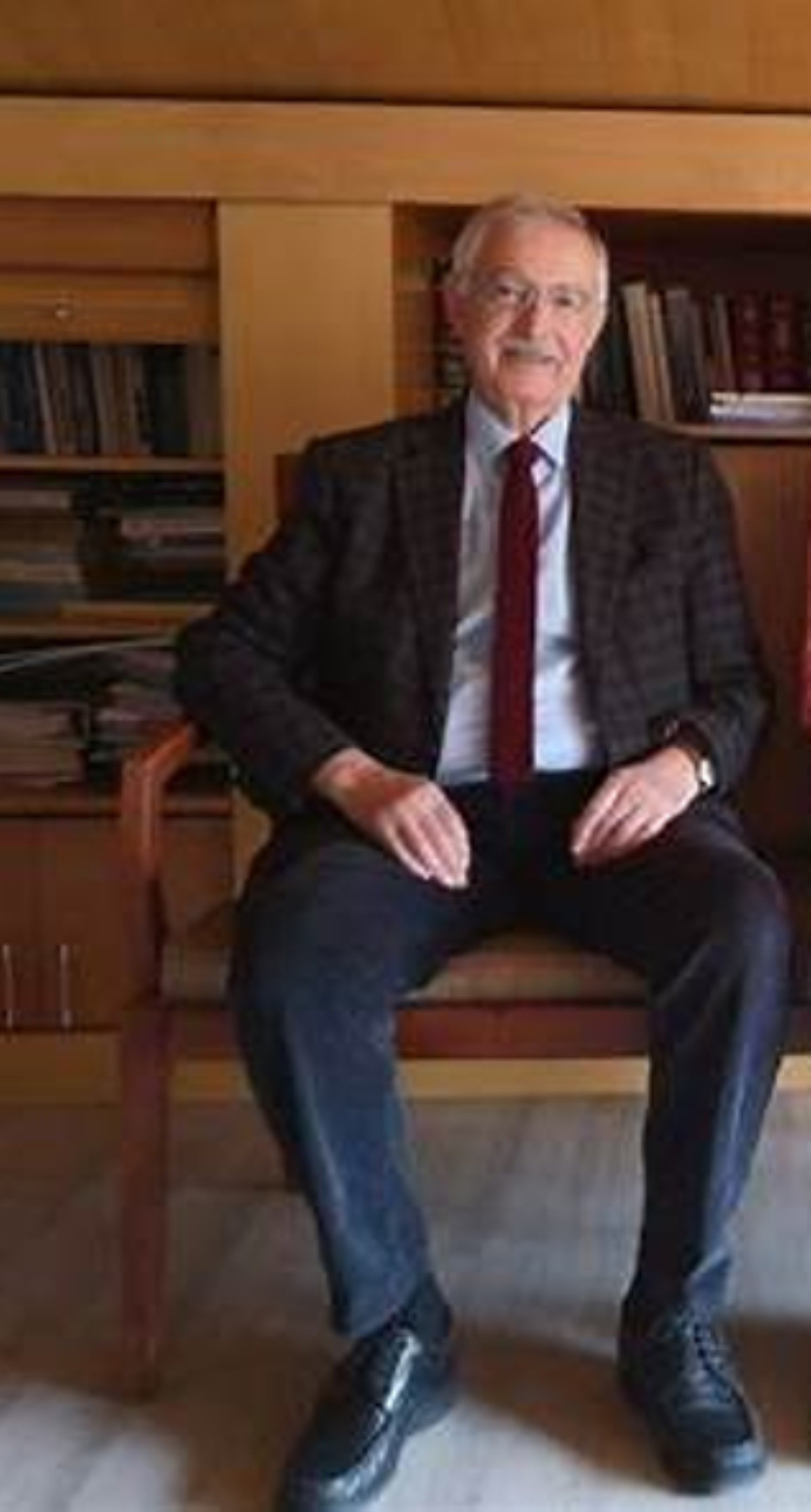
(Eurogold's Turkish General Manager Sabri Karahan - 1990s.)
Officials at the Undersecretariat of Treasury and Foreign Trade must have heard about the cyanide debates in the country, as they imposed a condition: for Eurogold to receive incentives, they requested an Environmental Impact Assessment (EIA), which was mandated by the 1983 Environment Law but was not yet compulsory as its regulations had not even been issued.
This was a very well-intentioned request.
"You want incentives and money, but are you truly worthy of it?"
This suggests that the Undersecretariat of Treasury and Foreign Trade, or in a sense a segment of the State, had doubts regarding "cyanide gold mining."
They wanted to put the imperialist company to the test!
The poison-peddling Eurogold, of course, could not say 'no' to this. The state was ordering it!
Following this, the cyanide-using company applied to Dokuz Eylül University in İzmir to both secure the incentives and funding, and to scientifically prove itself to the public.
The university's Head of the Environmental Engineering Department Prof. Orhan Uslu was asked to prepare the EIA, and the report was completed and presented to the public in August 1991.
It was alleged that this report was 'fabricated' and it received intense criticism from other university circles in the country.
It became a laughingstock among the public due to the proposal to build a 'viewing platform' for tourists at the cyanide mine.
What the Undersecretariat of the Treasury did after this remains unknown!
However, it is known that Ayfer Yılmaz, who served as a Member of Parliament for the 20th and 21st terms starting in 1995, as Minister of State between March 6, 1996, and June 30, 1997, and as Secretary General of the IYI Party between July 4, 2023, and May 3, 2024, was the Undersecretary of the Treasury during this period.
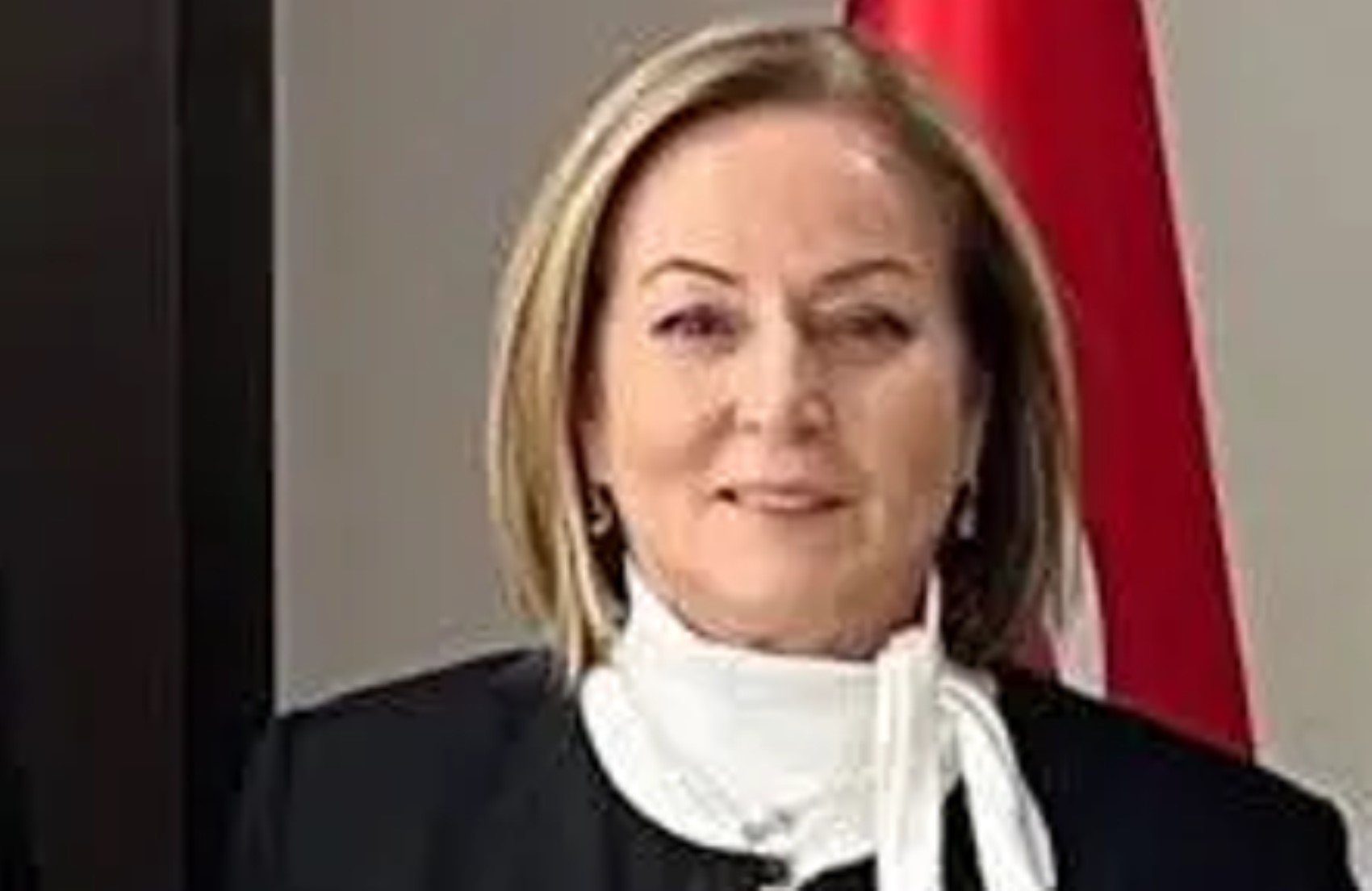
(Member of Parliament, Minister, Undersecretary of the Treasury, Politician Ayfer Yılmaz)
***
This was how the toxic-polluting Eurogold, established according to Turkish laws, was conducting the process.
What was the State, which was under the pressure of peasant resistance and public opinion but wanted to operate this mine, supposed to do?
The arms of the cyanide octopus were also pushing other cyanide-using gold companies to seize not just Bergama, but every corner of Anatolia without pause.
This issue must have been discussed extensively in the relevant high offices of the State in Ankara.
Süleyman Demirel's arrival as Prime Minister and the public rejection of the 'fake EIA' report coincided with the same period.
At that time, the new government, the DYP-CHP coalition, wanted to appear 'democratic'.
Moreover, the SHP, in partnership with Demirel's DYP, could not ideologically abandon democracy. They were even determining their parliamentary candidates mostly through primary elections. They had done so in 1991.
The Bergama issue was before Demirel, the chief decision-maker.
It was understood that environmental issues were being thoroughly discussed at the highest levels of the State, and the necessity of the EIA regulation was recognized. It was a legal requirement.
At an international conference held in Bergen, Norway, in 1990, a meeting took place where it was discussed that 'the public's opinion should be sought and their participation in decision-making ensured for investments that could harm the environment, and that facilities should not be built if the local population does not want them.' State officials who attended this meeting were aware of this universal development.
The world was entering a phase where 'environmental problems' were increasingly on the rise.
If this mine was to be operated in Bergama, the 'public' had to be convinced.
What should have been done for this?
***
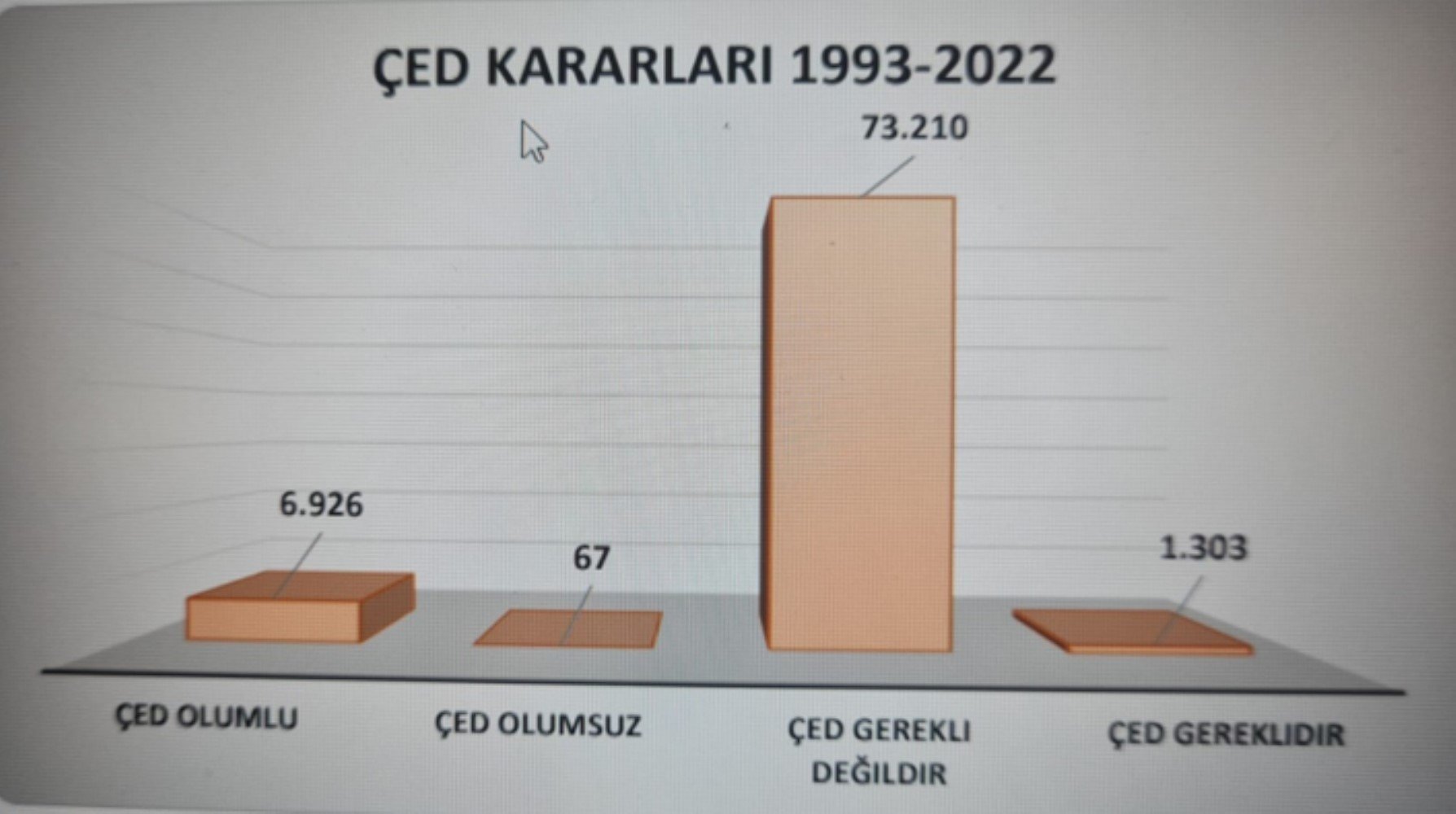
(Apparently, an EIA is no longer necessary!-2023)
Süleyman Demirel, who served as Prime Minister and President during the most critical times in Turkey's political history, was a very pragmatic leader.
With the engineering education he received from ITU, he was a master at accessing information and solving problems.
"Of course, if the country was to develop, it would develop with capital. Foreign capital and entrepreneurs were also essential."
He was closely monitoring the mining incident in Bergama, as well as the public's reaction and protests, so S. Demirel sent one of his best advisors, A. Bursalı, a talented engineer and METU graduate, to Bergama.
A. Bursalı asked the Bergama municipal authorities for help in convincing the public!
However, the municipal officials and the community they represented were fundamentally opposed to this project. They were determined to protect their city.
A. Bursalı, who had a constructive personality, was told in Bergama that if the project was truly so beneficial to the country and not harmful to the environment, he should organize a meeting and convince the public himself.
This was a new situation.
It was an innovative approach.
International conventions were already recommending this, and work was underway in Ankara to prepare the Environmental Impact Assessment Regulation in accordance with the mandatory provisions of the Environmental Law.
There was no objection from the State to holding such a meeting!
A. Bursalı managed to get this proposal accepted by Ankara.
***
Under the umbrella of the Ministry of Environment and directed by A. Bursalı, a major "public participation meeting" was held on October 26, 1992, at the Bergama Community Center meeting hall.
The Bergama District Governorship, the Mayor's Office, the 15 village headmen (muhtars) from the area where the mining site is located, district chairs of political parties, associations, universities, chambers of engineers, and relevant public institutions and organizations were invited to this meeting via an official letter.
The Bergama District Governor at that time was Oğuz Berberoğlu.
This district governor would later be rewarded for his stance in favor of the cyanide users and promoted to the Governorship of Erzurum.
Bergama Mayor Sefa Taşkın and Rıfat Serdaroğlu, a DYP İzmir deputy from Bergama who would later serve as Minister of Health, were also among the participants.
And, of course, the executives of the Eurogold company were there as well.
***
Although there was no legal requirement or regulation for it, this meeting was perhaps the first in the history of the Republic of Turkey where the State sat down with 'civil society' to discuss a socio-economic issue, listened directly to their demands, and the public participated in this State-organized meeting to debate with the State.
In addition to the 'public' demand, Prime Minister Süleyman Demirel and A. Bursalı, whom he assigned to this task, made significant contributions to the formation of such an organization.
The meeting held on 'October 26, 1992,' with such broad participation, was marked by passionate speeches.
The 'public,' seeing the State before them, openly expressed their concerns.
The information provided by A. Bursalı, who was the moderator and sole presenter of the meeting, did not satisfy the public.
The objections raised by tradesmen representative İrfan Keskin, retired nurse Ayşe Gülten Üze, and local intellectual Ahmet Ünaleroğlu, which received great support from the participants, were clear indicators that the public was against the cyanide gold mine.
Strong opposition was voiced against the cutting down of trees in the field and the use of explosives and cyanide before any operating permit had even been granted.
The leakage of toxic waste into groundwater was one of the concerns raised.
The reliability of the waste dam and the risks that could arise in the event of an earthquake in the region, which is an earthquake zone, were questioned.
The villagers were insistently demanding that the public be asked for their vote on whether the mine should be operated or not, calling for a 'referendum'.
Perhaps seeing the State before them like this for the first time, the public was pouring their hearts out.
For the people of Anatolia, who had been treated as subjects of the State for hundreds of years, it was a positive environment to have public officials listen to their demands, hear them out, and stand close to them.
Ankara, represented by A. Bursalı, the representative of Süleyman Demirel, listened to the criticisms patiently and took notes.
The participating 'public' wanted the 'State' they found before them to promise that this mine would not be operated. They were not allowing A. Bursalı to leave the hall.
Tensions rose in the hall.
A. Bursalı was only able to leave the meeting by promising to fulfill the "public's" demands.
The state had failed to convince the "public."
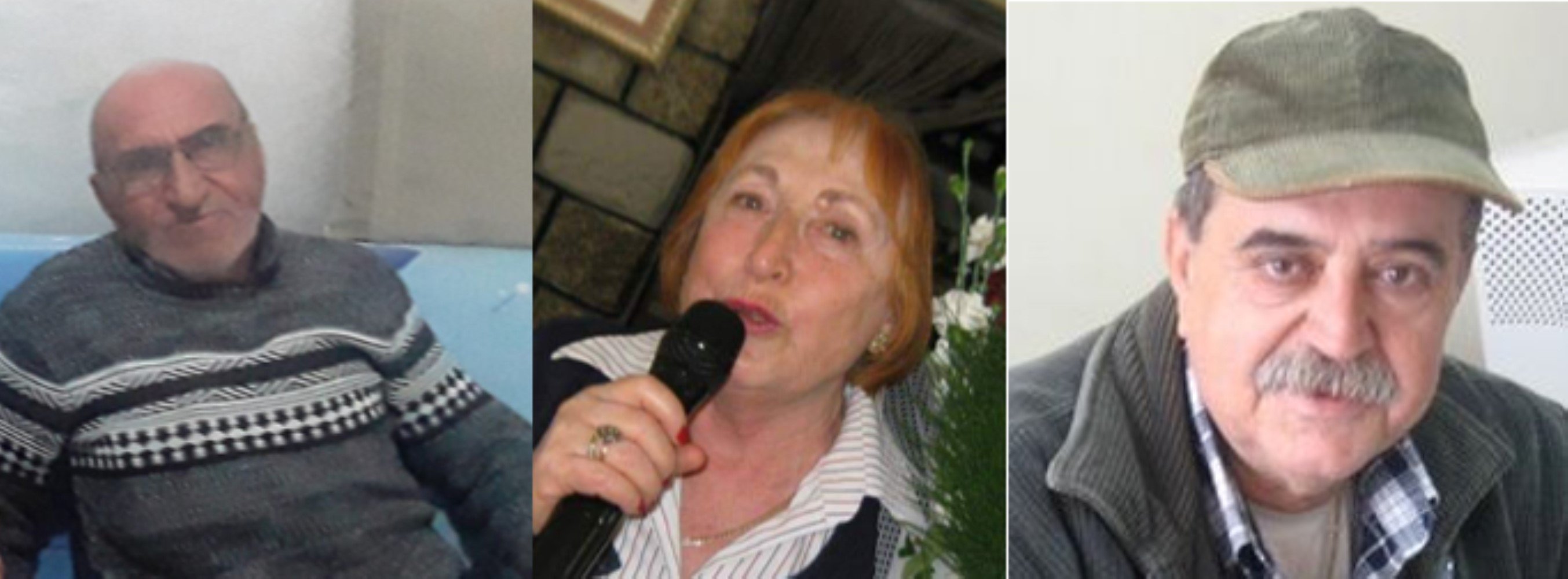
Among Turkey's first local environmentalists: taxi driver İrfan Keskin, retired nurse Gülten Uze, and local intellectual Ahmet Ünaleroğlu - 1992
***
Of course, the promise A. Bursalı made on behalf of the state at the meeting held at the Bergama Community Center was never kept.
The path for cyanide-leaching gold mining was not blocked.
This meeting was perhaps a preliminary trial for the "public information meetings" that would be included in the "Environmental Impact Assessment" regulation being prepared at the time, only to be hollowed out and rendered performative, ensuring no real results were achieved.
Furthermore, this meeting was the seed of the "City Councils" that would be established in many places and eventually legislated in 2005, yet would possess no enforcement power.
***
Since then, a lot of water has flowed under the bridge.
Ahmet and Mehmet came and went in the echelons of the state.
Hasan and Hüseyin came and went.
The cyanide-using Octopus remained.
And it did so alongside new, very powerful local partners.
It has pressed its suckers against the heart of Anatolia, sucking and continuing to suck.
Sefa Taşkın
05/25/2025
(Karşıyaka-İzmir)
Most Read
Galatasaray announces injury updates for Osimhen, Lemina, and Singo

Attention online sellers: Tax monitoring expanded
VAR for the Fenerbahçe-Beşiktaş derby has been announced!
Bridges and highways are being privatized: 15 July and FSM are also on the list

Peugeot September 2026 price list is out

New details emerge in 'panel' operation targeting lawyers
Gökçek era detail in ABB investigation

First statement from Osimhen after injury in Başakşehir match
Özlem Şanver: 'He said he would change, I believed him; should I be beaten just because I didn't leave?'

The Süper Lig's new team becomes the transfer champion