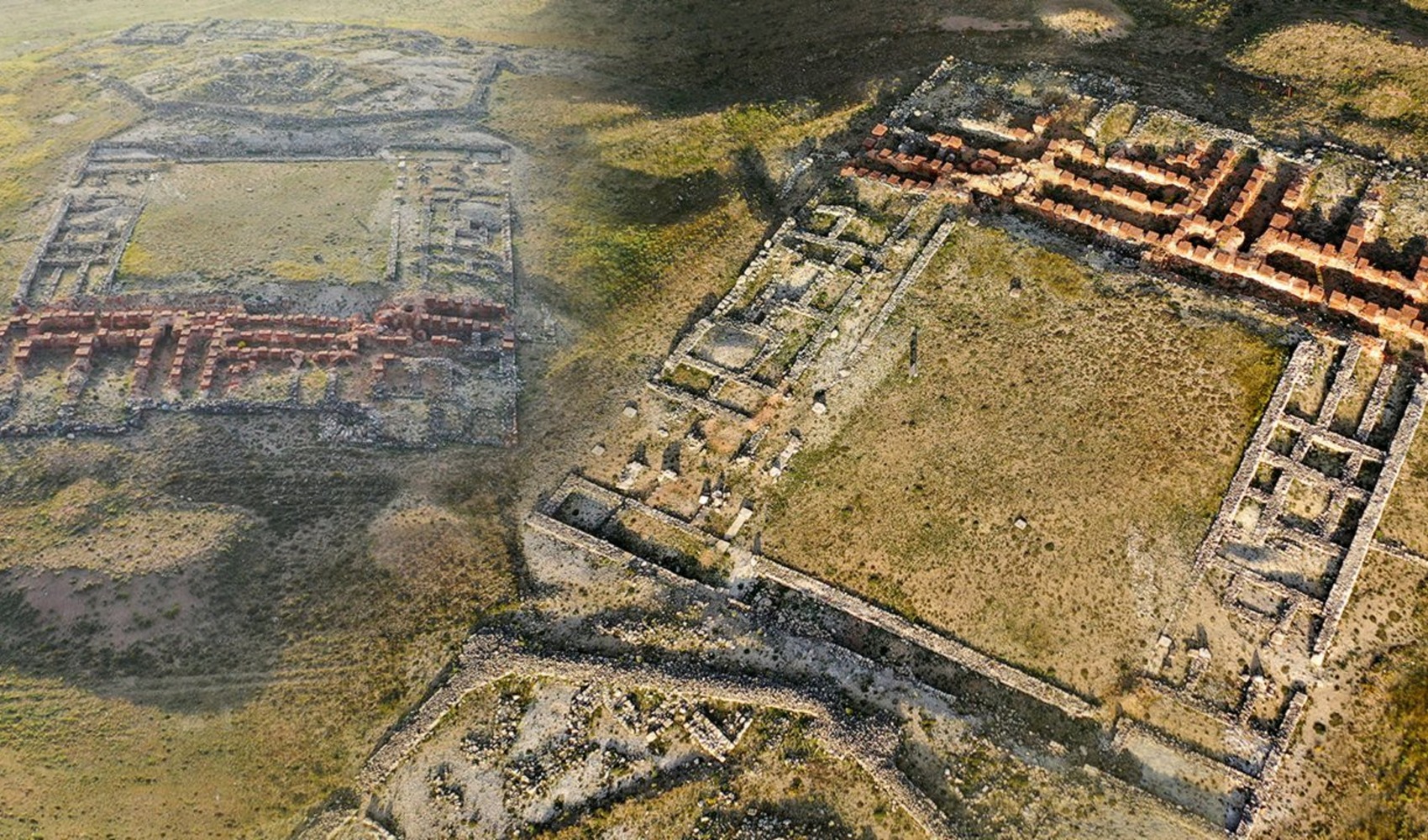
Plans are underway to resume excavation work at the Ancient City of Sarissa, located within the borders of Başören village in the Altınyayla district of Sivas. The approximately 3,500-year-old city, which was used as a religious center by Hittite kings between 1500 and 1400 BC, is considered one of the most significant sites in Anatolian archaeology based on findings obtained to date.
According to a statement from the Sivas Governor's Office, Sarissa, which was previously brought to light through work led by archaeologist Prof. Dr. Andreas Müller-Karpe from the University of Marburg, is known as one of the major Hittite cities in Anatolia. The tablets, palace ruins, city walls, and ritual areas discovered in the city reveal that the settlement held importance not only in religious terms but also in political and administrative aspects.
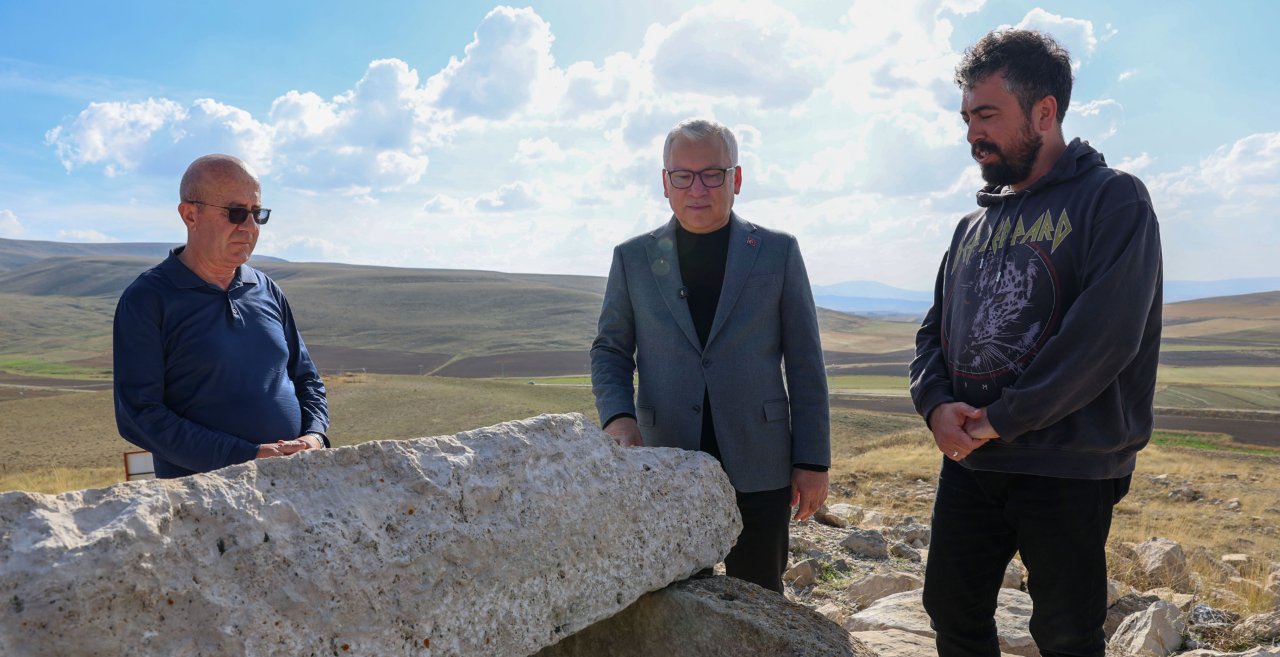
Sivas Governor Yılmaz Şimşek visited the ancient city and received information about the excavations conducted to date from the Provincial Director of Culture and Tourism, Aziz Erdoğan. Pointing out that Sarissa was one of the important Hittite settlements, similar to Samuha, Şimşek stated that 52 tablets have been unearthed in the region so far.
It is also an important religious, political, and administrative center. We understand this from the historical tablets found in the region. 52 tablets have been unearthed in the excavations carried out to date.
ONE OF THE HITTITES' RELIGIOUS CENTERS
Governor Şimşek noted that a 4,600-square-meter temple was uncovered during excavations conducted between 1993 and 2005. According to Şimşek, Hittite kings in Hattusa would travel to Sarissa, especially in the spring months, to perform religious ceremonies.
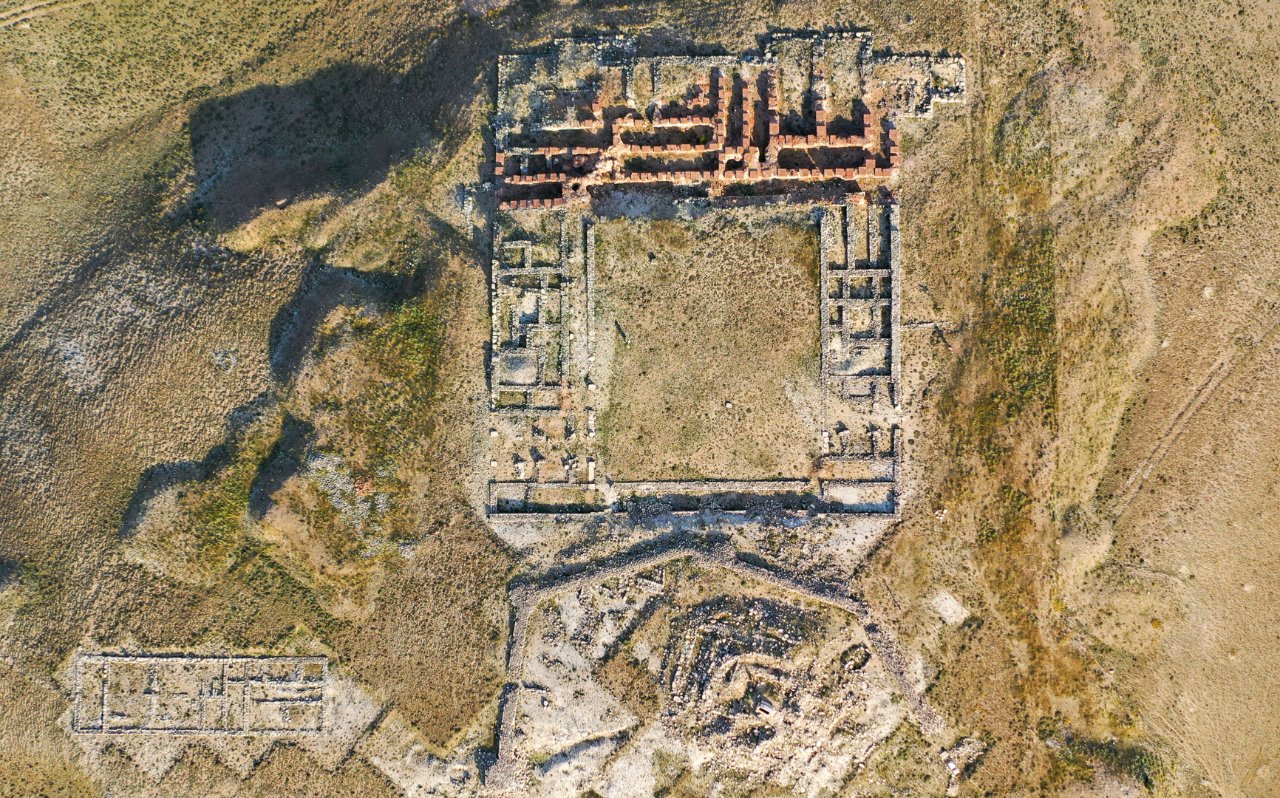
One of the important finds in the city is the twin bull Rhyton statue. Reminding that the artifact is currently on display at the Sivas Archaeology Museum, Şimşek said that a similar example was found in Hattusa and is located at the Museum of Anatolian Civilizations in Ankara. Şimşek stated that this artifact is among the significant finds that symbolize the Hittites.
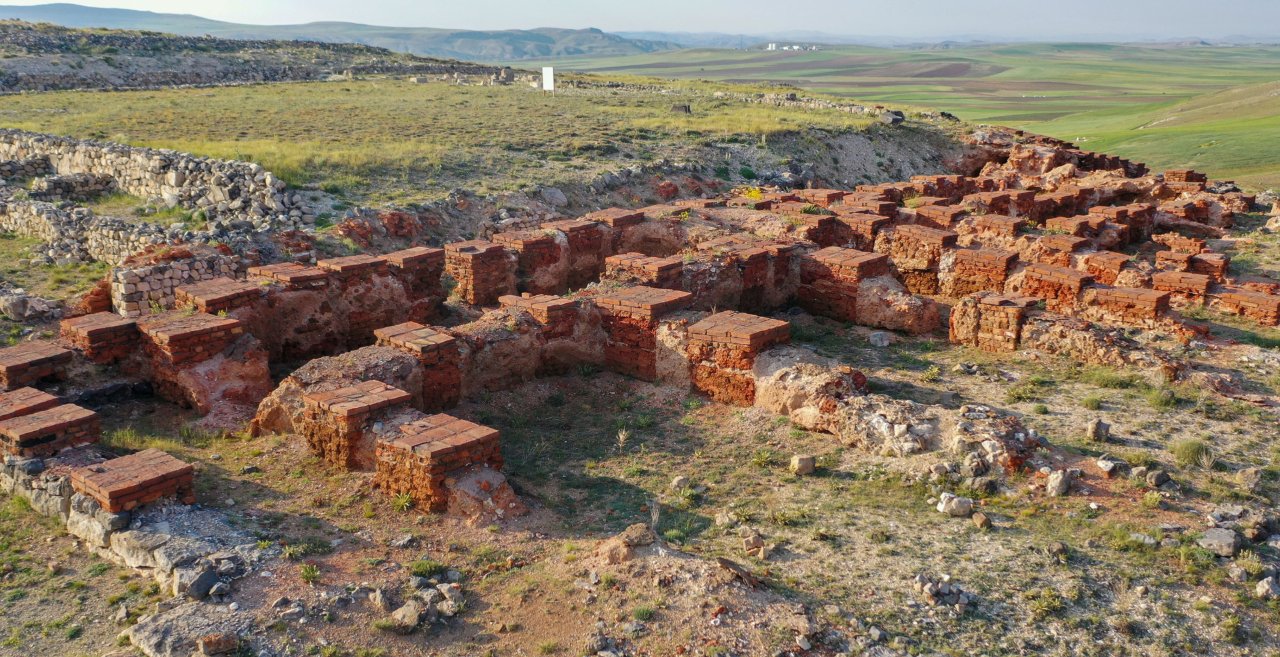
Şimşek also drew attention to the Suppitassu Lake located in the region. Stating that the pond, which is considered to bear the traces of approximately 3,500-year-old water engineering, can still be seen, Şimşek said they believe other similar water structures may exist in the region.
The new excavation period in Sarissa is targeted to begin in 2027. Stating that the work will be carried out under the leadership of Metin Hoca from Istanbul University, Şimşek emphasized that their goal is to protect the cultural heritage and bring the ancient city into tourism.
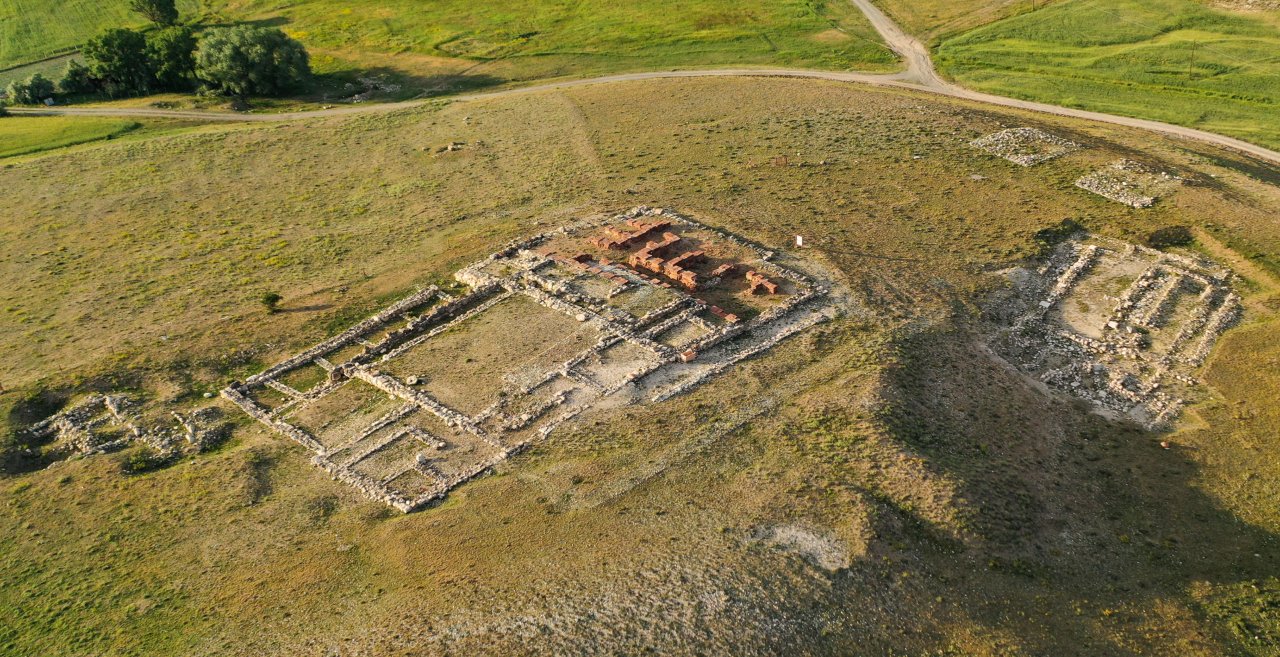
Governor Şimşek expressed that they expect to gain more information regarding the religious, administrative, and social life of the Hittites with the new excavations. Şimşek thanked Andreas Müller-Karpe and his team, who have taken part in the work to date, as well as the Provincial Directorate of Culture and Tourism.
News Source: 12punto