

Sue Nyathi's novel, rejected by publishers, hits Netflix top 10 in over 60 countries
Zimbabwean author Sue Nyathi's self-published novel, The Polygamist, has gained global visibility years later through its Netflix adaptation. BBC Turkish compiled the story of The Polygamist.



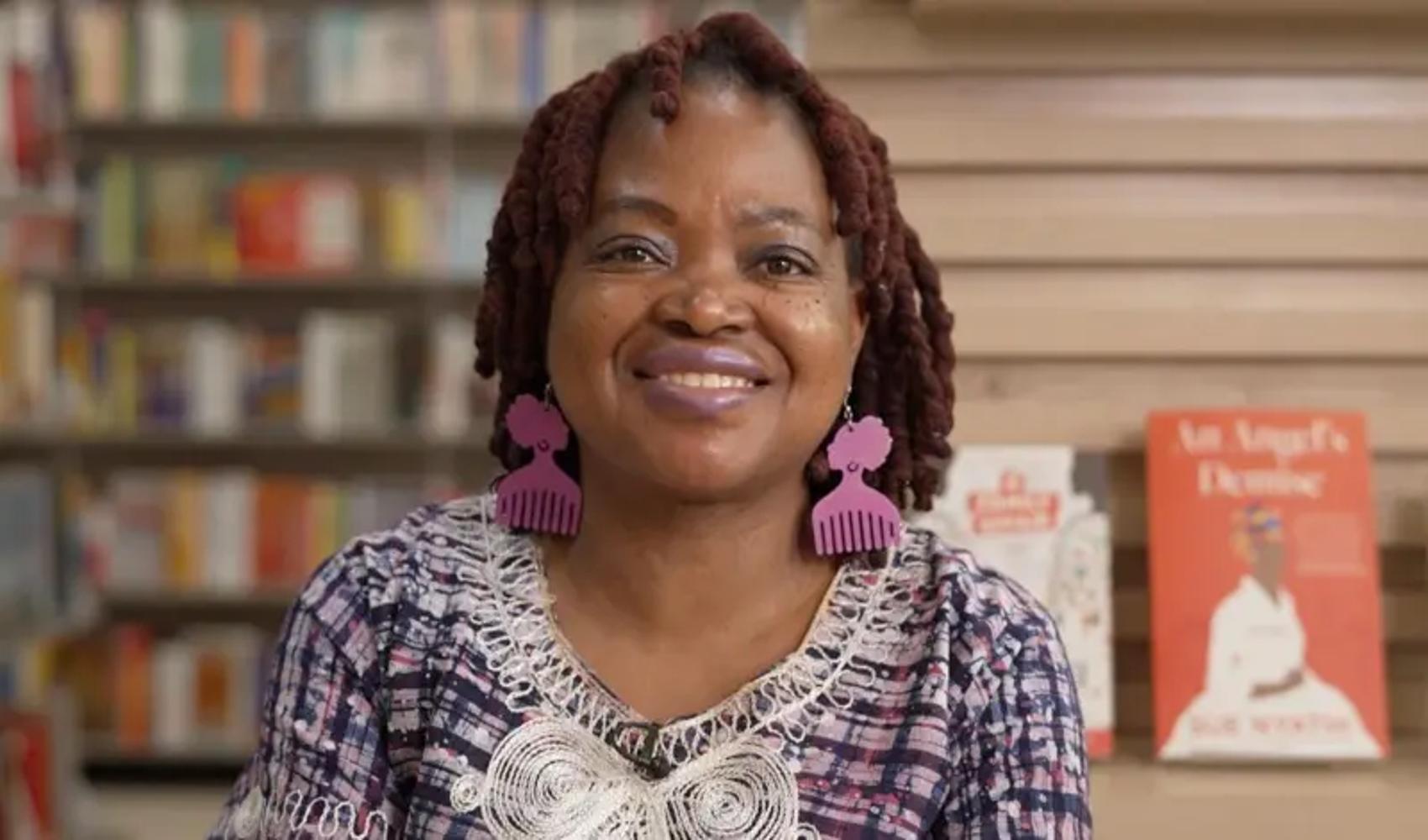
Zimbabwean author Sue Nyathi's debut novel, The Polygamist, was once a manuscript rejected by publishers on the grounds that it "would not find readers," but years later, it has turned into a global success story with its Netflix adaptation.
When Nyathi sent her novel to publishers, she was told that a story built around a married Zimbabwean man and the women in his life would not have commercial appeal. In response, she found her own editor, typesetter, and illustrator, and self-published the first 500 copies of the book in 2012.
Today, the Netflix series adapted from the same story has entered the top 10 most-watched productions on the platform in over 60 countries. In the US, it climbed as high as number 2. Hollywood actress Taraji P. Henson also said she was impressed by the series and watched all 22 episodes in one day.
NOT ABOUT POLYGAMY, BUT ABOUT CONSENT AND POWER
Nyathi objects to the novel being seen merely as a simple narrative about polygamy. The author explains that polygamy has existed in her mother's family for generations; her grandfather had five wives, and her great-grandfather had 11. For this reason, she emphasizes that she is intimately familiar with the traditional practice.
However, the issue at the heart of The Polygamist is different from polygamy practiced through established traditions. In the world Nyathi describes, men who appear to be living in monogamous marriages establish secret relationships and secret households. The author defines this as a "modernized or perverted" version.
Nyathi summarizes the novel's central conflict with these words: "I am not against polygamy. What I am against is people not having a say in their own lives. It is wrong to change the rules after the game has started."
In the novel, Joyce believes she is in a monogamous marriage, only to discover that her husband, Jonasi, has married three other women without her knowledge and established separate lives with them. As the story progresses, themes of women's economic dependence, power imbalances in relationships, infidelity, consent, and vulnerability come to the fore.
According to Nyathi, the voice of women is at the center of the novel. Although some details changed in the television adaptation, the novel proceeds entirely through the accounts of Jonasi's wives. The author says she specifically wanted each woman to be able to explain from her own perspective why she stayed in the relationship.
THE NETFLIX EFFECT AND THE VISIBILITY OF AFRICAN LITERATURE
Following the release of the series, it became clear that the story did not remain just fiction. Amnesty International South Africa published a guide on narcissistic abuse and the steps women can take. Nyathi says, "For some people, this is not just a series. This is the reality they live. It holds a mirror up to society."
The adaptation was not welcomed by everyone. Kenyan civil servant Geoffrey Mosiria argued that the series associated polygamy with infidelity, fraud, and abuse, and called for it to be banned in Kenya. Nyathi, however, states that culture changes over time and that some practices can weaken or become corrupted, expressing that the series reflects this transformation.
For the author, the visibility created by Netflix does not just mean personal success. Nyathi believes there is still a major imbalance in the world's exposure to African literature. According to her, it is easier for African writers published abroad to make an impact; it is much harder for works originating from Africa to reach the world "from the inside out."
Having worked in the finance sector for nearly 20 years, Nyathi left corporate life at 40 to pursue full-time writing. The author, who says people view her as an "overnight success," emphasizes that this is the result of years of hard work.
Nyathi notes that in Africa, in particular, many writers cannot make a living solely by writing books, and that writing is an economically difficult endeavor for most. "Writing is a luxury that most people cannot afford," says the author, yet she advises women who think they have a story within them to start with pen and paper: "Money should never be the source of motivation. What will keep you standing in difficult times is love."
News Source: 12punto
Most Read

New development in fund investigation: 5 luxury villas seized

Nihat Zeybekci also invested in the fund
30-day deadline for YENİ Party from the Constitutional Court

Salih Tanrıkulu has stepped down from his roles at Borsa İstanbul

18 detained in Antalya prostitution and drug investigation

We looked, we felt sad, we shared, we talked a bit; then we moved on to the next news story
Fatma Betül Sayan Kaya breaks her silence
Will the 'ballot-box monarchy' collapse? What will replace it?
Onur Emrah Yıldız’s AKP post has been closed to comments

What are we going to do about the smell?