

A jab from the Palace to the DEM Party: 'Putting forward impossible demands...'
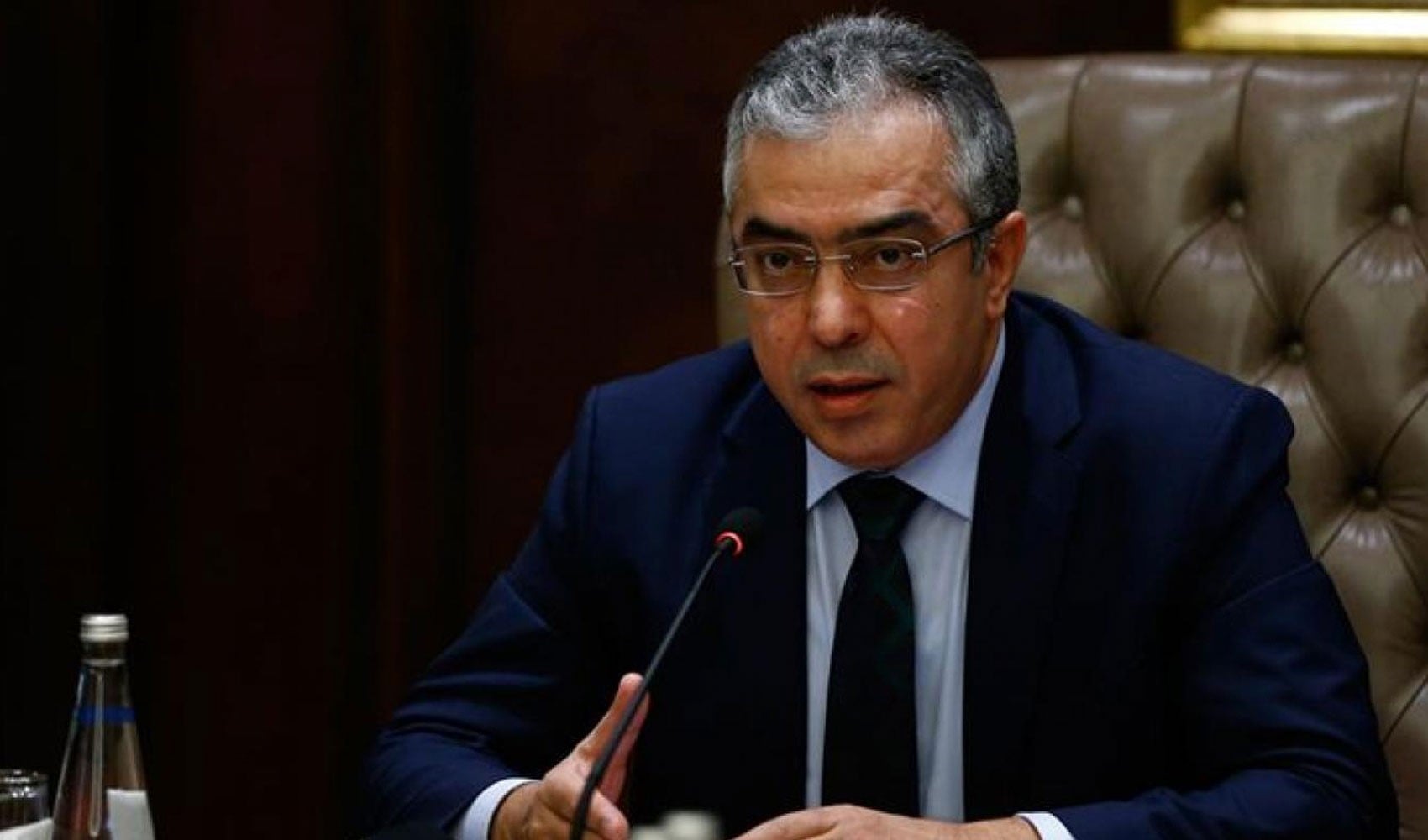
Mehmet Uçum, Deputy Chairman of the Presidential Legal Policies Board, implicitly criticized the DEM Party in a post on his social media account regarding the second reconciliation process, referred to as a 'Terror-Free Turkey.' Uçum stated, 'Setting conditions today, even for issues that might be possible to discuss in the future, let alone impossible demands, amounts to sabotaging the process.'



Within the scope of the second reconciliation process—architected by MHP leader Devlet Bahçeli and referred to by the government as a 'Terror-Free Turkey,' which involves the DEM Party and the leader of the terrorist organization PKK, Abdullah Öcalan—the AKP, MHP, CHP, and the DEM Party have submitted their prepared reports to the Speaker of the Grand National Assembly of Turkey (TBMM).
Mehmet Uçum, Chief Advisor to AKP Chairman and President Recep Tayyip Erdoğan, gave striking messages regarding the reconciliation process in his Sunday column this week.
Noting that 'impossible' demands would hinder the process, Uçum stated, "Using a language that demonizes the State, which is managing the transition process, is absolutely unacceptable. Putting forward impossible demands during the transition process serves no purpose other than to hinder it. It is necessary to take a clear stance against those who try to sabotage the transition process and calculate to pin the blame on the State."
In the remainder of his article, Uçum made an implicit jab at the DEM Party with the words, "Setting conditions today, even for issues that might be possible to discuss in the future, let alone impossible demands, amounts to sabotaging the process."
?? SUNDAY COLUMN
— Mehmet Uçum (@mehmetucum) December 20, 2025
BEING REASONABLE AND REALISTIC IN PROPOSALS REGARDING THE TRANSITION PROCESS LAW!
In terms of transition process law, the Grand National Assembly of Turkey's National Solidarity, Fraternity, and Democracy Commission has moved to the report drafting stage. The essence of the matter is that the report's legal policy approach regarding the transition process should strengthen social consensus. The essence of the report's law regarding the transition process...
The full text of Uçum's article is as follows:
BEING REASONABLE AND REALISTIC IN PROPOSALS REGARDING THE TRANSITION PROCESS LAW!
In terms of transition process law, the Grand National Assembly of Turkey's National Solidarity, Fraternity, and Democracy Commission has moved to the report drafting stage. The essence of the matter is that the report's legal policy approach regarding the transition process should strengthen social consensus.
There is no such thing as a democracy bargain during a transition process. An attempt at a democracy bargain would be fundamentally wrong in terms of the essence of the transition process. Transition process law is limited to regulations concerning the investigation, prosecution, and execution of active and support elements of the defunct terrorist organization, as well as issues of integration with society, contingent upon final practical confirmations. In other words, general legal headings and the perspective of developing democracy are not the subject of the transition process—which requires a special, temporary, and separate law—but rather the general agenda after the transition.
Let no absurd conclusions be drawn from this determination, such as that moves to develop democracy are being postponed. The transition process itself is a historical development that expands the democratic political space and contributes to democracy. The advancement of democracy and the transition process are intertwined. However, all conditions for a comprehensive democracy and legal reform will only be met once the transition process is completed.
It is understood that the Commission's report will serve as a guide in terms of systematics and content. Three main themes may come to the fore in the report: findings from hearings, the legal policy of the transition process, and the development of democracy.
It would be guiding for the report to ensure the broadest possible consensus for the transition process legal policy and to present a concrete approach. For this reason, it is of critical importance that everyone puts forward reasonable and realistic proposals regarding the transition process law.
It is clear that for individuals falling within the scope of the transition process law, the statuses determined according to the current positive legal system (such as suspect, defendant, convict) will be taken as a basis. Efforts to define different statuses both in the face of existing law and in terms of what the law should be are misplaced and harm the process.
On the other hand, legal regulations for the transition process should not contain any provisions that would give rise to claims of unconstitutionality. It is necessary to avoid proposals that carry this risk.
While a great duty falls upon all elements of the defunct organization and DEM representatives regarding the language and proposals of the transition process, the main responsibility for everyone is to act with a reasonable and realistic perspective. Proposing everything at the highest level, no matter who it comes from, destroys the ground for social consensus. The fundamental condition for completing the transition process without issues is not to go beyond the boundaries of the transition process and not to harm social consensus.
Using a language that demonizes the State, which is managing the transition process, is absolutely unacceptable. Putting forward impossible demands during the transition process serves no purpose other than to hinder it. It is necessary to take a clear stance against those who try to sabotage the transition process and calculate to pin the blame on the State.
The situation is clear: The February 27 call is binding for all elements, and one must not go beyond that framework. In Syria, absolute compliance with the March 10 agreement is essential.
In short, everyone who agrees with the idea that this historical opportunity should not be squandered must oppose all kinds of intellectual and actual sabotage and put forward reasonable and realistic proposals.
Setting conditions today, even for issues that might be possible to discuss in the future, let alone impossible demands, amounts to sabotaging the process.
On the other hand, it is clear that racist approaches and hate speech, no matter where they come from, must be vehemently opposed and condemned not just in this period, but in every period.
When a period is reached where the transition process has been successfully completed and peace and security are permanent and valid for everyone, many issues can be brought to the agenda and everything can be discussed, provided that it is compatible with protecting and strengthening Turkey's unity and integrity. Today, every word, statement, and expression must be in accordance with the spirit of the transition process. Of course, this applies to everyone. The success of the transition process can only be achieved with such an approach.
News Source: 12punto
Most Read

Galatasaray announces injury updates for Osimhen, Lemina, and Singo

Attention online sellers: Tax monitoring expanded

VAR for the Fenerbahçe-Beşiktaş derby has been announced!
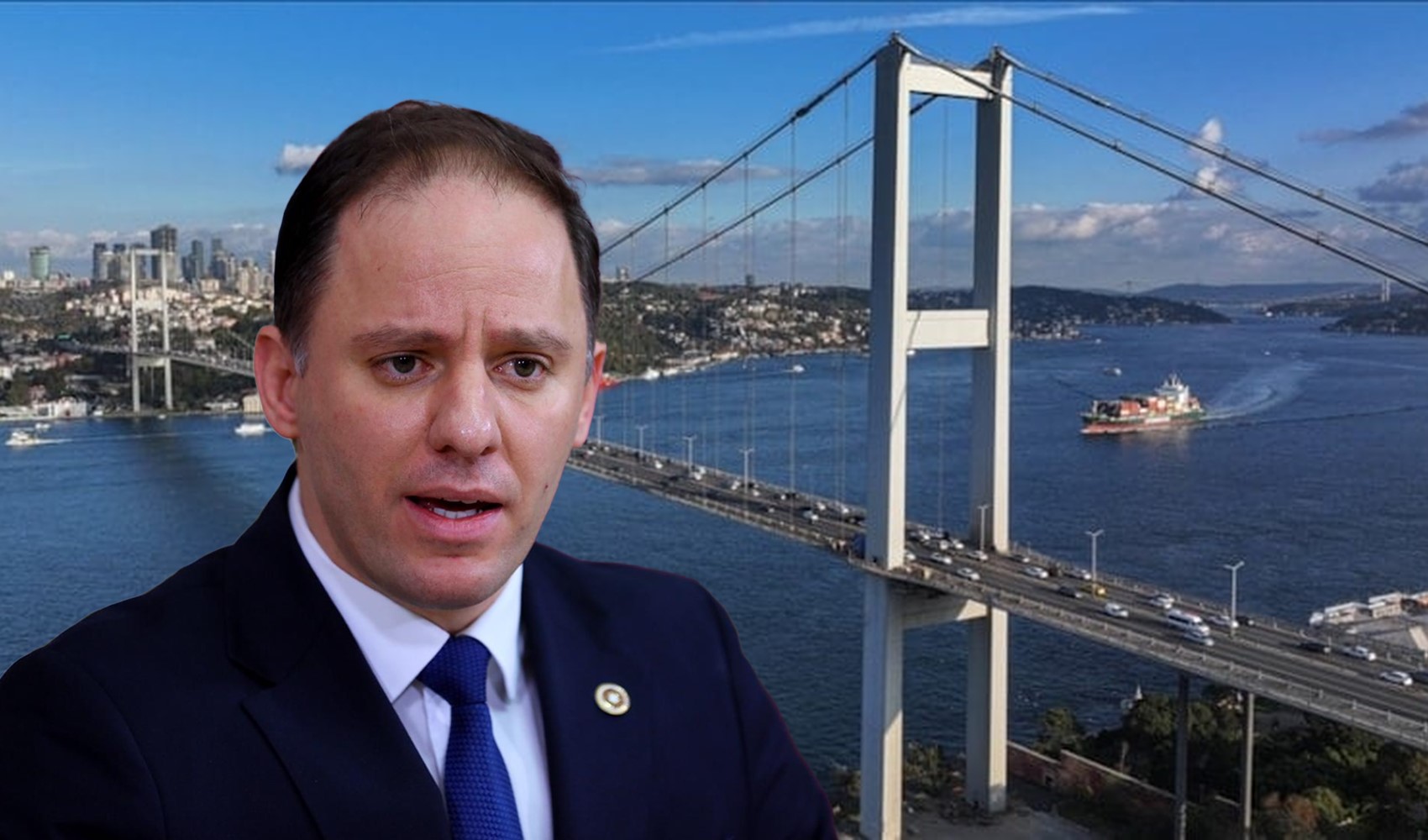
Bridges and highways are being privatized: 15 July and FSM are also on the list

Peugeot September 2026 price list is out

New details emerge in 'panel' operation targeting lawyers
Gökçek era detail in ABB investigation

First statement from Osimhen after injury in Başakşehir match

Özlem Şanver: 'He said he would change, I believed him; should I be beaten just because I didn't leave?'

The Süper Lig's new team becomes the transfer champion