

Daron Acemoğlu shares thoughts on İmamoğlu and the current situation in Turkey: 'Turkish democracy was sick'
Nobel laureate in Economics Prof. Dr. Daron Acemoğlu shared his views on the current agenda in Turkey and on İmamoğlu via his social media account.



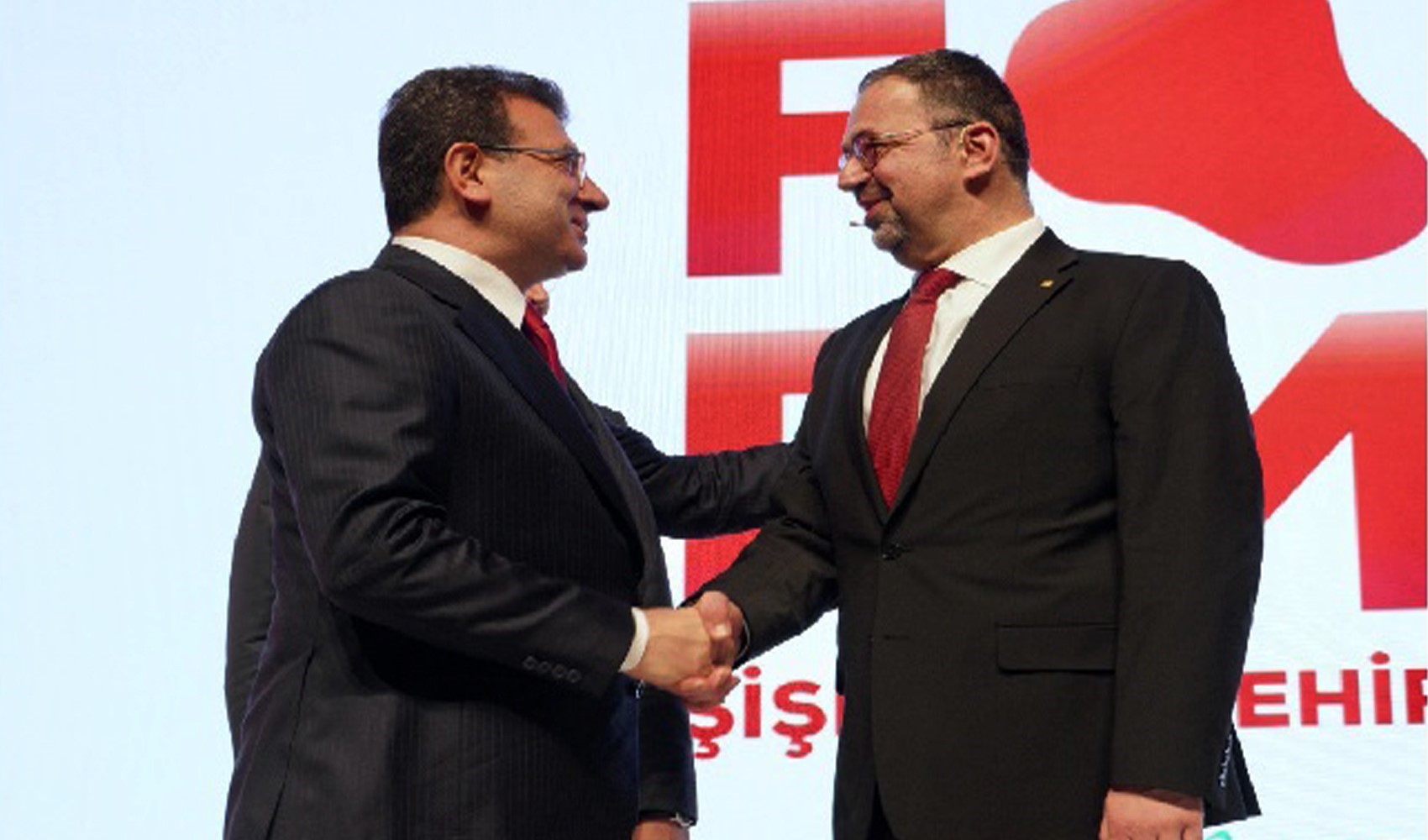
As Turkey has been navigating an intense political agenda for nearly a month, citizens have taken to the streets to express their reactions following detention and arrest decisions.
Following the detention order issued specifically against Ekrem İmamoğlu, there was high participation in the Saraçhane rallies organized by the CHP, while the AKP front directed harsh criticism at the protests and street demonstrations held there.
While striking comments have come from many figures regarding the developments, Nobel laureate in Economics Prof. Dr. Daron Acemoğlu did not remain indifferent to the events and evaluated the agenda in a post on his social media account.
Acemoğlu used the following expressions in his post:
Even before the arrest of Istanbul Metropolitan Municipality Mayor Ekrem İmamoğlu, who challenges President Erdoğan (and is perhaps likely to unseat him), on charges that many do not believe, Turkish democracy was sick.
This state of democracy is noteworthy in itself. But perhaps more importantly, it is the first time since Gezi Park that widespread protests have been triggered in Turkey.
The fact that the current geopolitical situation creates a new opportunity that Turkey should not waste makes all of this much more important.
One can look at it this way:
Trump is currently not only damaging American democracy but is also trying to reshape the world order. The US may increasingly form alliances with non-democratic, authoritarian countries. For example, Trump seems eager to maintain good relations with Russia's autocratic leader Vladimir Putin. Despite tariffs and chip wars, Trump could also establish a new and friendlier, benefit-cost-focused relationship with China.
The alignment of the US with Canada and European countries interests Trump less. He is also signaling the possibility of the US abandoning its commitments to NATO (something unthinkable even just a few years ago).
If the Democrats retake the House of Representatives in the 2026 midterm elections and slow down Trump's attack on US institutions and his efforts to reshape the global order, and then reverse the results of the 2028 presidential election and rebuild US democracy, then everything could change again. However, for now, there is no guarantee they can do this. We should certainly not trust that US institutions will survive another four years without further deterioration.
So, the possibility of a new European bloc (which even Canada might join) that is committed to liberal democracy and prioritizes its own defense is no longer unthinkable.
In the context of these developments, Turkey will have a choice to make. It could choose to remain outside both blocs. It could see the US-Russia-China axis as closer to itself. Or it could choose to be part of the European bloc.
The European path is no longer unreachable for Turkey. Turkey has the second-largest army in NATO and would be a very important partner for Germany, France, and other European countries in the construction of a possible defense union. Due to the rapidly aging European population, the prospect of more Turkish migration to Europe may no longer be as daunting as it once was.
Being part of the European Union and the European Defense Pact would be a game-changer for Turkey. The country's economy is in difficulty due to sluggish productivity growth and the resulting slow increase in real wages despite widespread poverty. However, opening up to European markets, the contribution of European capital, and most importantly, opportunities for joint ventures with European technology and European companies could significantly increase Turkey's productivity potential. (We can also recall that Turkey experienced its highest productivity growth during the EU membership process.)
However, this path depends on Turkey's commitment to democracy.
Turkey needs to send signals to its European partners that it will try to reverse the deterioration in its democratic institutions (in the current situation, the country is one of the worst performers in the world in terms of democratic backsliding).
This also requires the government to accept and even celebrate civil society activities and protests.
It will also require the country's youth to develop a new and great enthusiasm for politics and even to become more involved in the country's affairs.
Furthermore, this will require the population to see Europeans as partners.
Who will choose this path? President Erdoğan has proven in the past that he can change according to time and opportunities (and can bring his base together while making such reversals). However, the change in perspective and institutional approach required here must be more radical than trying to pull Kurdish politics to his side (as the President is currently attempting).
There is no guarantee that Turkey will enter this path. If President Erdoğan does not attempt this (which is not an unlikely possibility), Turkish politics will become more uncertain and more confrontational. It remains unclear who will lead the change and whether this leader can initiate the groundbreaking transformation necessary for the country's future.
Even before the arrest of Istanbul Metropolitan Municipality Mayor Ekrem İmamoğlu, who challenges President Erdoğan (and is perhaps likely to unseat him), on charges that many do not believe, Turkish democracy was sick.
— Daron Acemoglu (@DAcemogluMIT) March 28, 2025
This state of democracy is noteworthy in itself…
News Source: 12punto
Most Read
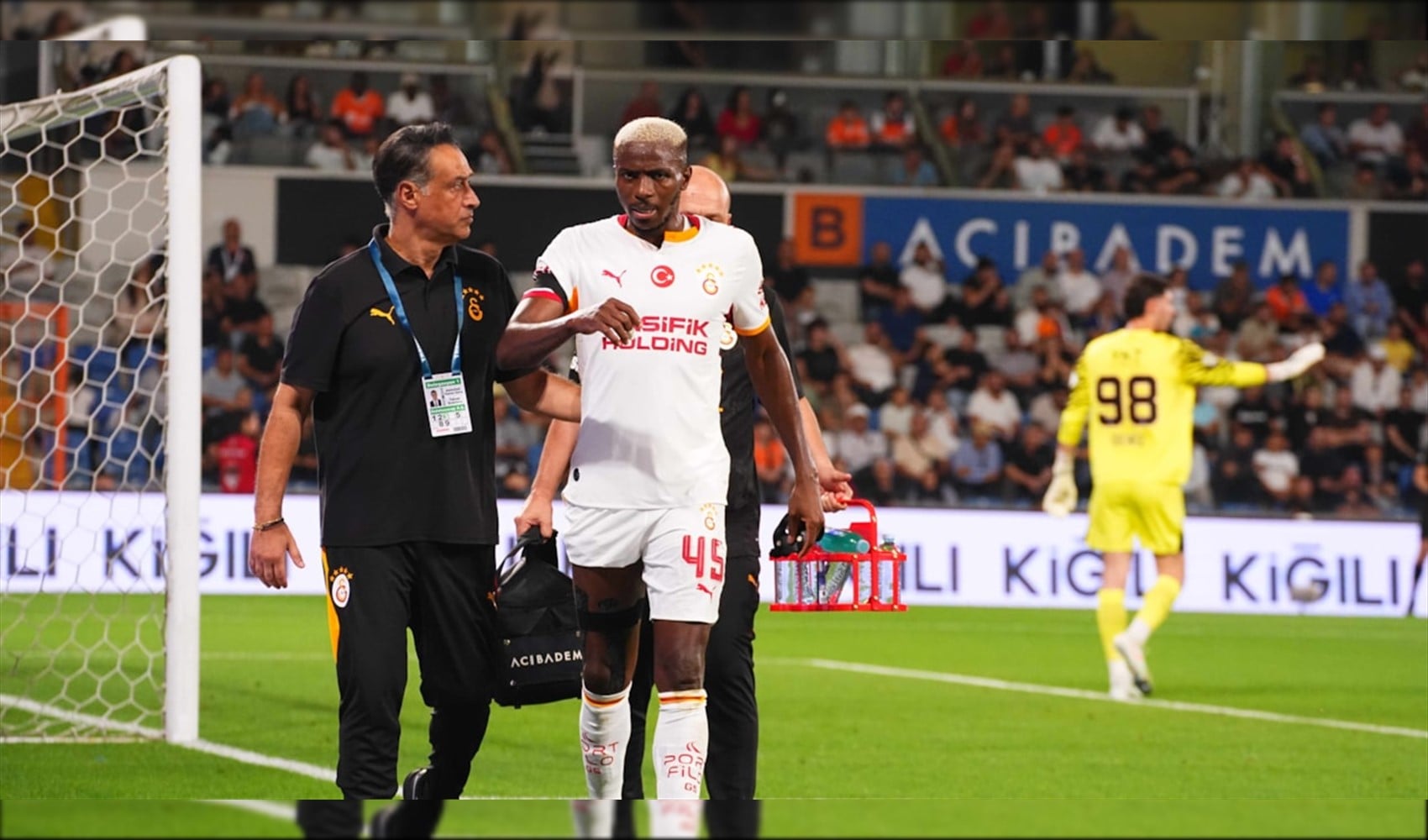
Galatasaray announces injury updates for Osimhen, Lemina, and Singo

Attention online sellers: Tax monitoring expanded
VAR for the Fenerbahçe-Beşiktaş derby has been announced!
Bridges and highways are being privatized: 15 July and FSM are also on the list
Peugeot September 2026 price list is out
New details emerge in 'panel' operation targeting lawyers
Gökçek era detail in ABB investigation
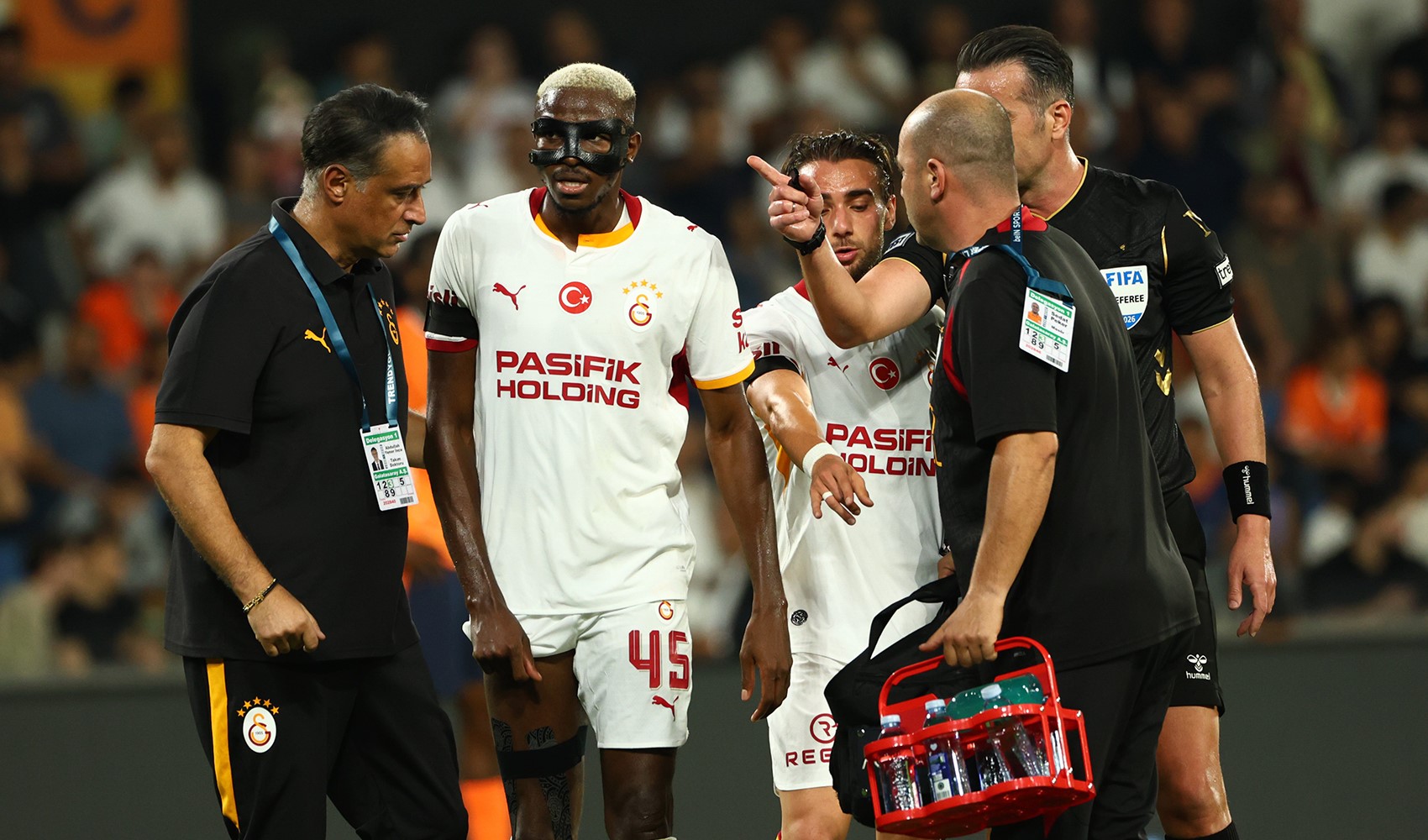
First statement from Osimhen after injury in Başakşehir match
Özlem Şanver: 'He said he would change, I believed him; should I be beaten just because I didn't leave?'
The Süper Lig's new team becomes the transfer champion