Details of the 1.6 billion dollar international financing program prepared to support Turkey's climate transition have been announced. The funding, approved by the Asian Infrastructure Investment Bank (AIIB) on October 22, was announced on November 12 within the scope of the United Nations Climate Change Conference (COP31) held in Antalya.
It was reported that the program will be used to develop the carbon market in Turkey, increase renewable energy capacity, and strengthen economic resilience against climate change. The financing is in the nature of public funding supporting regulatory and institutional reforms rather than investment support to be distributed directly to companies.
THREE MAIN HEADINGS OF THE FINANCING
The total package consists of two separate 800 million dollar sources. 800 million dollars of this is defined as the main financing, and the other 800 million dollars as an additional loan provided through the AIIB's Energy, Food Security and Economic Resilience Fund. The program envisages supporting 12 regulatory and institutional reform steps.
The focus areas of the financing are listed as strengthening the institutional infrastructure of the carbon market, reducing emissions in the energy and industrial sectors, and increasing resilience against climate risks, especially in water resources and agriculture.
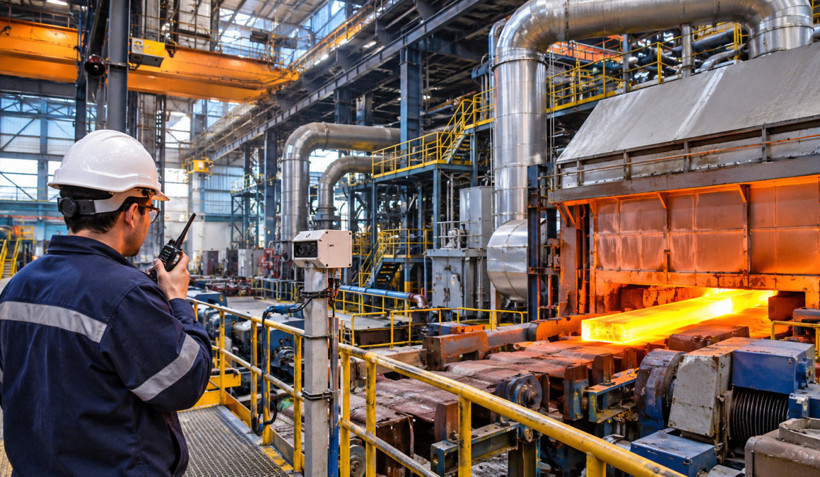
On the industrial side, one of the most notable targets is for at least 180 facilities to report their greenhouse gas emissions by April 2027. This step is important for the operationalization of the emissions trading system planned to be established in Turkey.
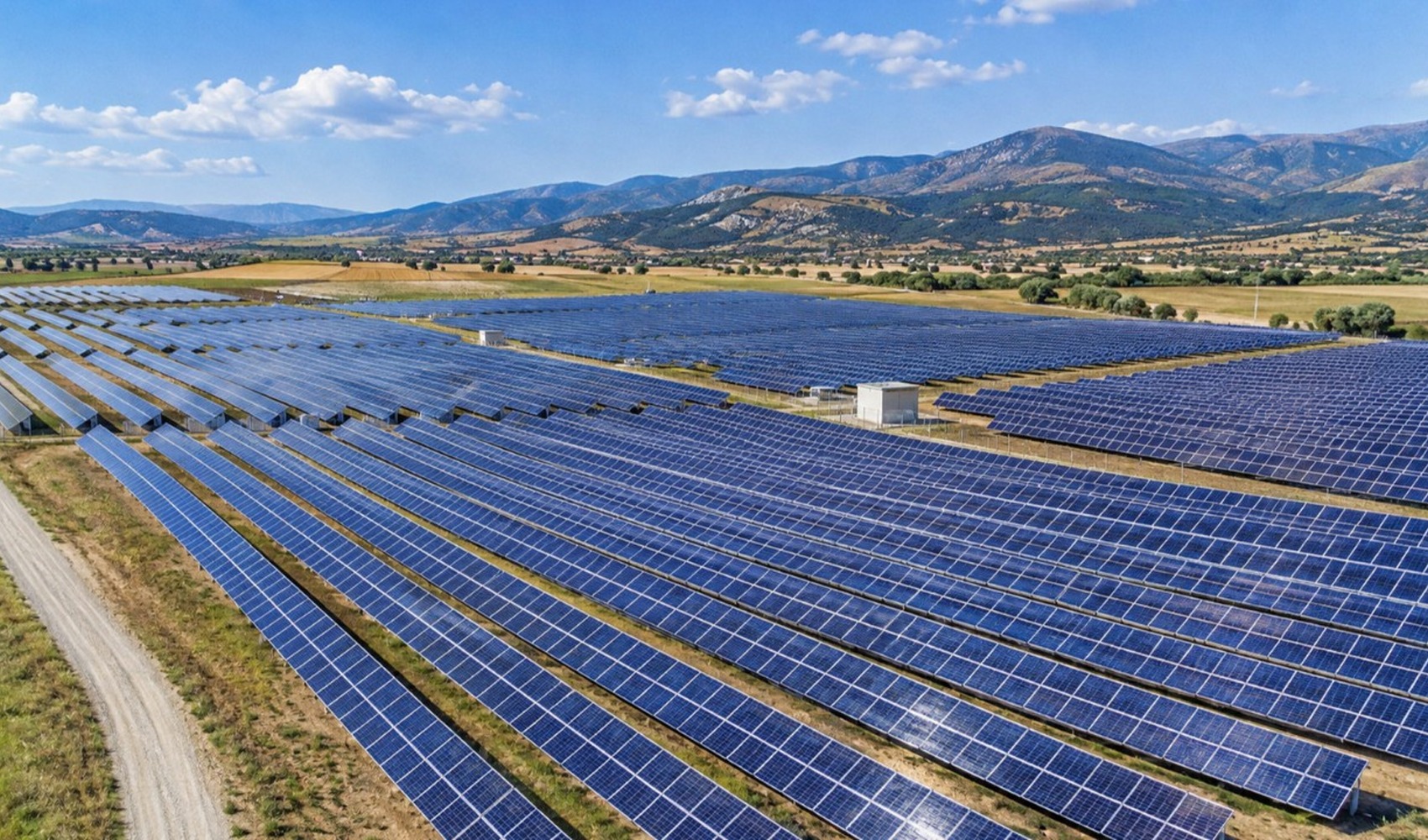
Under the energy heading, the goal is to license 1,800 megawatts of new renewable energy capacity. This target does not mean that power plants will be built directly with the loan; it points to supporting reforms that will facilitate the permitting, licensing, and investment environment.
EU MARKET AND COMPLIANCE IN AGRICULTURE STAND OUT
The program is also seen as critical for carbon-intensive sectors exporting to the European Union. While the EU's Carbon Border Adjustment Mechanism makes emission costs in production processes more decisive in trade, Turkey's development of its own carbon market aims to facilitate the compliance process for exporters.
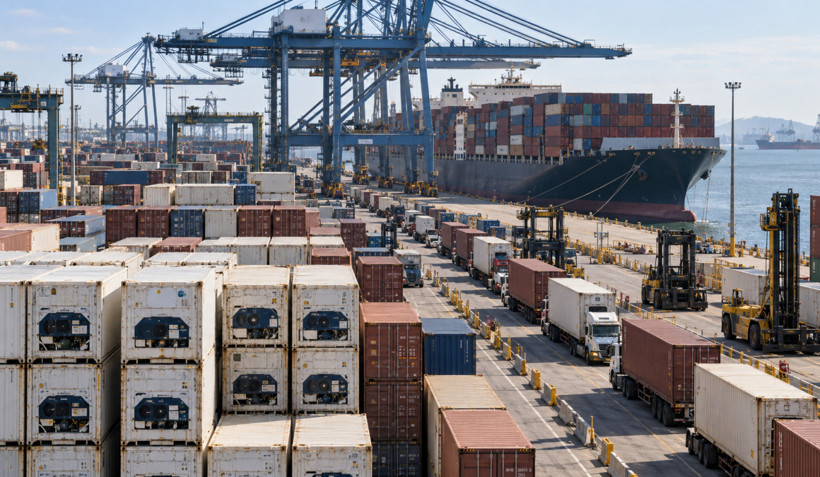
Reducing emissions in sectors such as iron and steel, cement, aluminum, and fertilizer stands out in terms of maintaining the competitiveness of companies in the European market. The program is expected to establish a link between public policies and private sector investments in line with Turkey's 2035 emission targets and 2053 net-zero goal.
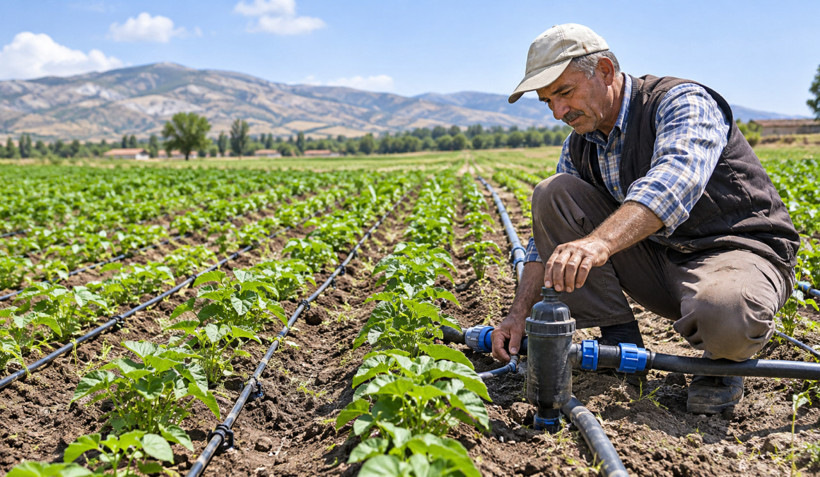
In agriculture, the goal is to expand the transition to products that consume less water against the risks of drought and water scarcity. In this context, it is planned that 225 thousand farmers will turn to water-saving production practices, and 50 thousand hectares of land will be designated as carbon sinks by 2028.
The resources Turkey needs for its climate goals are well above the announced package. According to assessments, the country needs approximately 68 billion dollars in additional climate investment by 2030; about half of this is expected to be met by the private sector.
News Source: 12punto