

Be careful if you cut up your bank card and throw it in the trash! Experts warn
Cutting up expired bank cards with scissors and throwing them in the trash can create different risks for new-generation cards that contain electronic components. Experts recommend handing over cards with screens and dynamic CVVs to recycling channels without cutting them.



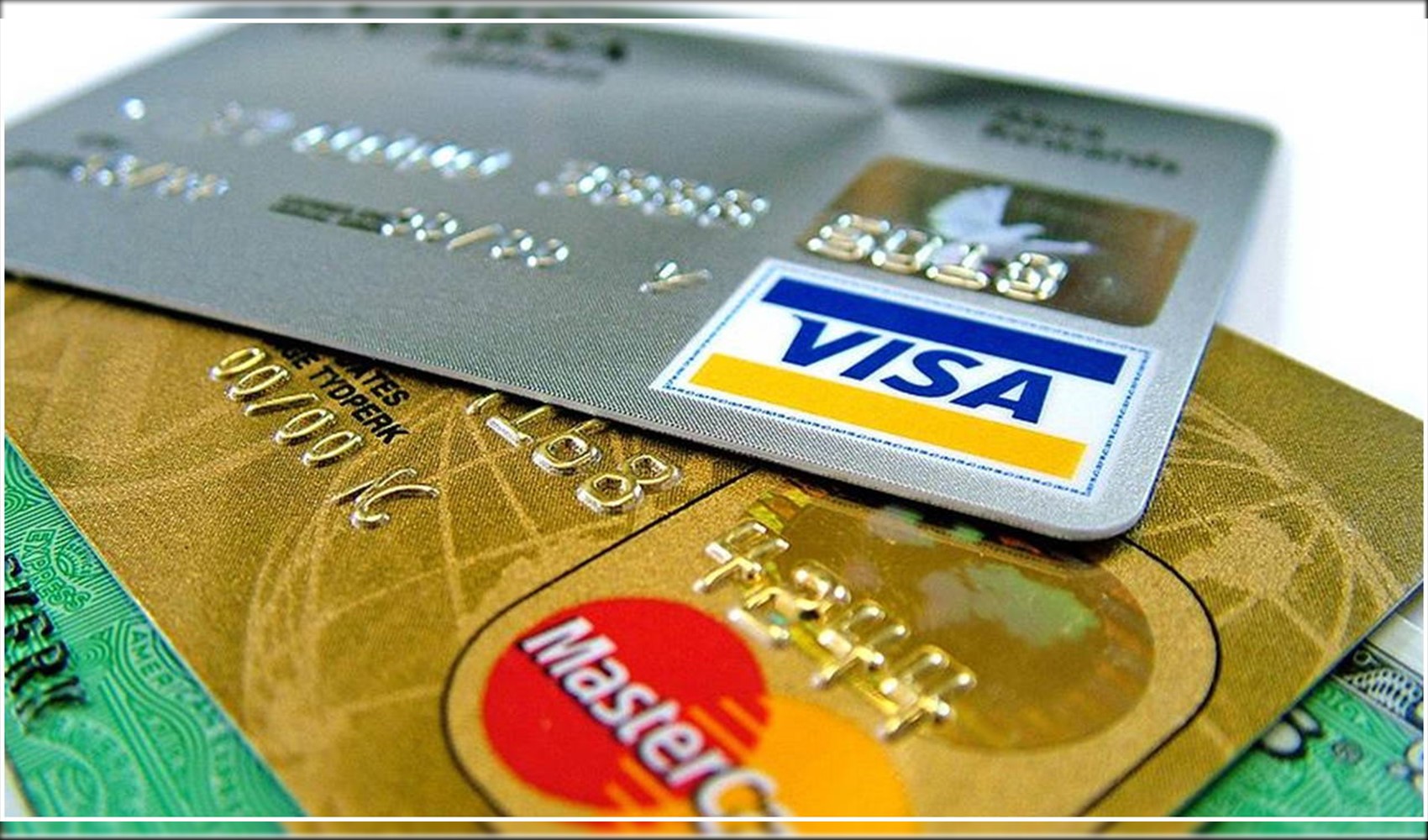
Cutting up expired bank cards with scissors and throwing them in the trash may not be as safe a method as thought, especially for new-generation cards. According to expert assessments, shredding cards that contain components such as dynamic security codes, e-paper screens, NFC antennas, and micro-batteries poses risks in terms of both health and recycling.
Unlike classic magnetic stripe or chip cards, some new cards feature small screens that change the security code at specific intervals. Cutting the thin lithium micro-batteries that power these screens can lead to dangers such as chemical short circuits and overheating reactions.
WHY IS CUTTING THE CARD RISKY?
According to structural analyses in French engineer Claire Deilhes' 2020 doctoral thesis, cards with dynamic security codes can contain lithium micro-batteries thinner than 0.5 millimeters and active electrochemical cells that power the e-paper screen.
Cutting such cells with scissors or similar tools can trigger an overheating process known as "thermal runaway" in lithium-ion structures. One of the most serious risks that can arise during cutting is hydrogen fluoride gas. If this gas comes into contact with moisture in the eyes, skin, or respiratory tract, it can form highly toxic and corrosive hydrofluoric acid.
The risk is not limited to health alone. Bank cards containing electronic components are classified as Waste Electrical and Electronic Equipment. Breaking the cards into small pieces makes it difficult to recover valuable metals such as gold, palladium, silver, and copper inside them.
Shredded cards can escape sorting screens at recycling facilities. In this case, the inability to recycle the card pieces can lead to more environmentally problematic processes such as incineration, landfilling, or burial in the soil.
COLLECTION INTACT IS RECOMMENDED
Recycling facilities point out that bank cards that have reached the end of their useful life should be collected intact without being shredded. This prevents uncontrolled damage to electronic components and reduces the loss of recoverable metals.
Regarding concerns that information will fall into the hands of others if the card is thrown away intact, experts state that cards that have expired or have been closed through the bank's system are technically rendered non-functional.
Mobile authentication methods and banks' security protocols also provide additional protection against potential fraud attempts. Nevertheless, the expert warning is clear: especially cards with screens, dynamic CVVs, or electronic components should not be cut before being thrown away; they should be delivered to appropriate collection and recycling channels as a whole.
News Source: 12punto
Most Read

Release decision for Deniz Göktaş

Ağıralioğlu's statement on presidential candidacy

30-day deadline for YENİ Party from the Constitutional Court

Worse than the fund disaster

Turkish National Football Team loses to Italy for the 12th time

Statement from Pasifik GYO regarding the fund investigation

We looked, we felt sad, we shared, we talked a bit; then we moved on to the next news story

2026 YKS additional placement results released

Fatma Betül Sayan Kaya breaks her silence

Criminal complaint filed against Erdoğan, Mehmet Şimşek, and Fatma Betül Sayan Kaya