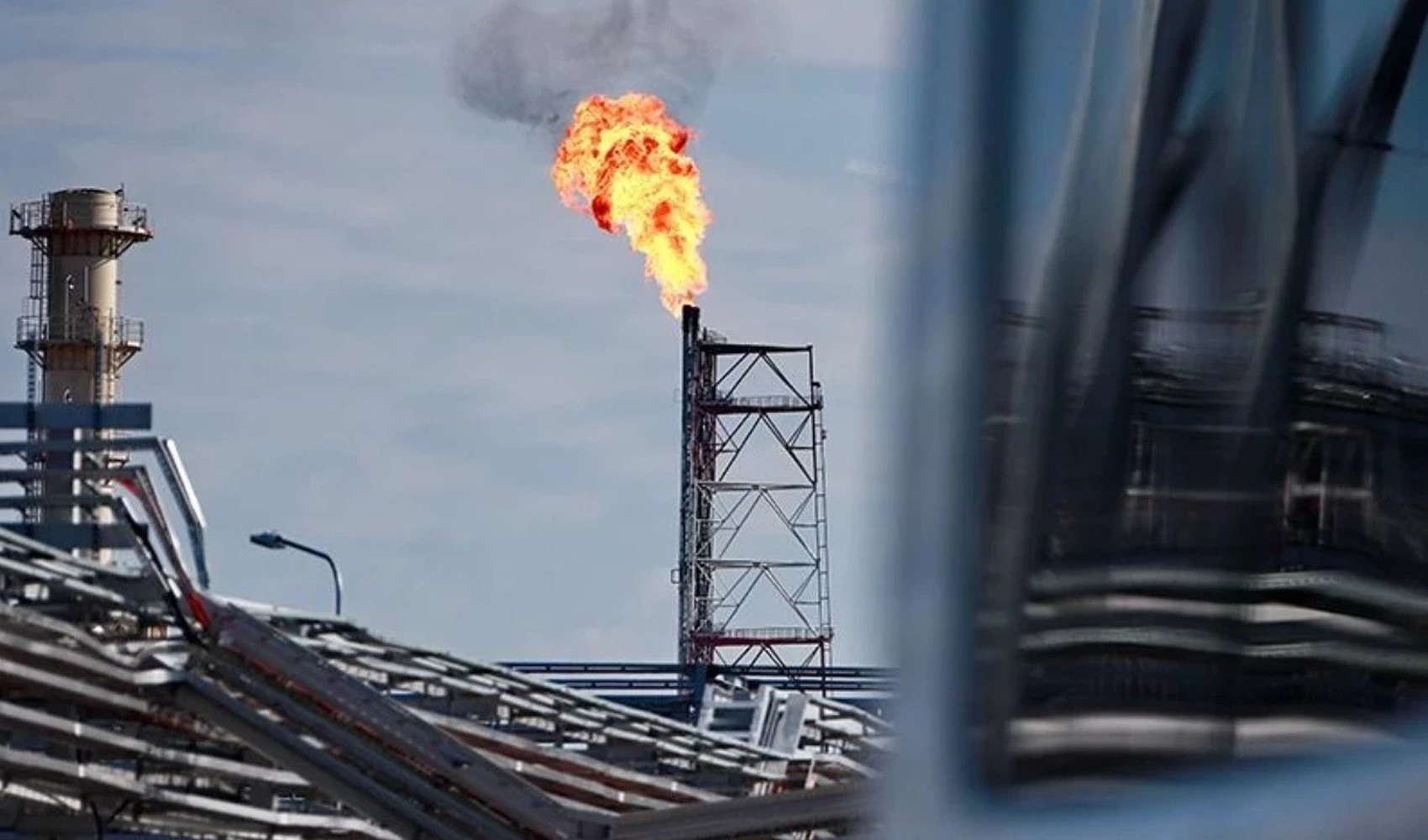
The International Energy Agency (IEA) has warned that the war in the Middle East is increasing supply security risks in global natural gas markets. According to the agency's assessment, while shipment disruptions in the Strait of Hormuz are driving down LNG supply, the European Union is entering the winter season with its lowest natural gas stocks since 2013.
In the IEA's Global Gas Supply Security Assessment, it was stated that the proliferation of spot transactions and the increase in flexible LNG contracts over the last 10 years have made markets partially more resilient to supply disruptions. However, it was emphasized that this same transformation has moved global gas trade into a more complex and fragile structure.
According to the report, the effective halt of LNG transport through the Strait of Hormuz has brought natural gas prices in Asia and Europe close to their highest levels since the 2022-2023 energy crisis. It was noted that LNG shipments from Qatar and the United Arab Emirates decreased by more than 60 billion cubic meters during the March-October period.
The agency expects global LNG supply to decline by approximately 20 billion cubic meters in 2026. In the same period, global natural gas demand is also projected to fall by 1.5 percent, or approximately 65 billion cubic meters. Unmet needs in the Middle East, weakening in European industry, and an increased shift toward coal for electricity generation in Asia are cited as influential factors in the decline in demand.
WARNING ON CRITICAL THRESHOLD IN STORAGE
The occupancy rate of natural gas storage facilities in the EU is at 74.6 percent. According to the IEA, this rate increases Europe's dependence on global LNG supply during the winter months and amplifies risks, especially if cold weather waves and supply disruptions coincide.
The agency's simulations indicate that if the winter is colder than expected and the disruption in the Strait of Hormuz continues, the amount of gas in storage could fall below 10 percent of usable capacity by the end of March 2027. It is stated that if the occupancy rate falls below 30 percent, the speed of gas withdrawal from storage could also slow down.
It is stated that competition for flexible LNG cargoes may increase between Europe, which is entering the winter with low stocks, and importers in Asia and South America, which have limited storage capacity. This picture is assessed as potentially creating upward pressure on spot prices, especially during periods of high demand.
The IEA also predicts that the need to refill storage facilities in Europe in the summer of 2027 could strengthen and that the supply crunch in the global gas market could carry over into next year.
News Source: 12punto