The Federal Statistical Office of Germany (Destatis) has published the final growth data for the German economy covering the last quarter of 2024. The German economy shrank more than expected in the fourth quarter of 2024.
Accordingly, Germany's seasonally and calendar-adjusted gross domestic product (GDP) contracted by 0.2 percent in the last quarter of last year compared to the previous quarter.
Destatis had projected on January 15 that the economy would shrink by 0.1 percent in the fourth quarter. After growing by 0.2 percent in the first quarter of last year, the German economy shrank by 0.3 percent in the second quarter and grew by 0.2 percent in the third quarter.
Europe's largest economy declined by 0.2 percent in all of 2024 compared to the previous year. Thus, the German economy shrank for the second consecutive year as increasing competition with China and structural problems weighed on the economy. The economy had contracted by 0.3 percent in 2023.
The German economy last shrank for two consecutive years in the 2002-2003 period.
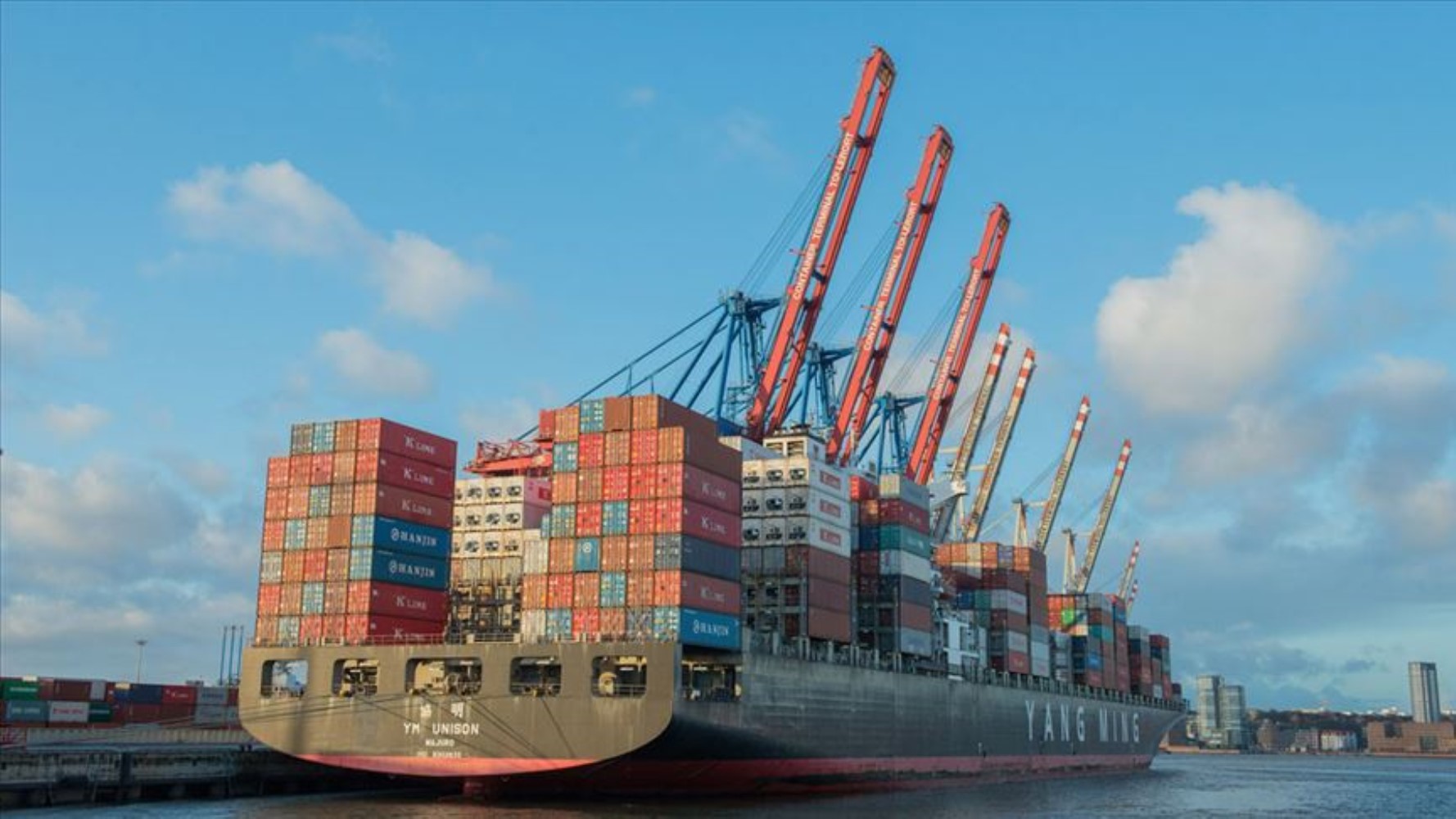
According to the released economic data, production in Germany is declining
PRESSURES ON THE GERMAN ECONOMY
Destatis President Ruth Brand stated at a press conference that cyclical and structural pressures hindered better economic development last year, noting, "These include increasing competition in important sales markets for the German export sector, high energy costs, interest rates that remain high, and an uncertain economic outlook. In this context, the German economy contracted once again in 2024."
Meanwhile, it was noted that the German economy performed poorly last year compared to other major European countries. Last year, the French economy grew by 1.1 percent, and the Spanish economy grew by 3.2 percent.
Due to the decline in the inflation rate, private consumption expenditures increased by 3 percent last year compared to the previous year.
On an annual basis, positive contributions to GDP came especially from the service sector and public spending. A decline of 3 percent was observed in manufacturing and 3.8 percent in construction.
POSSIBILITY OF RECESSION IN GERMANY
Most leading indicators do not show signs of a recovery in the German economy this year either. Analysts state that political uncertainty, increasing competition from abroad, high energy costs, and still-high interest rates are weighing on the German economy, and they expect only slight growth for the economy in 2025.
The Central Bank of Germany (Bundesbank) also does not expect the long-term economic decline in Germany to end at the beginning of the new year. In its latest monthly report on the economy, the bank stated, "It does not seem very likely that the German economy will emerge from its long-standing stagnation phase even in the first quarter of 2025."
The government in Germany lowered its growth expectation for this year, which was previously announced as 1.1 percent, to 0.3 percent yesterday due to the impact of weak global demand, geopolitical uncertainty, and trade tensions.
If the economy, which shrank by 0.1 percent in the last quarter of last year, also contracts in the first quarter of 2025, it will enter a technical recession, which is defined as two consecutive quarters of contraction.
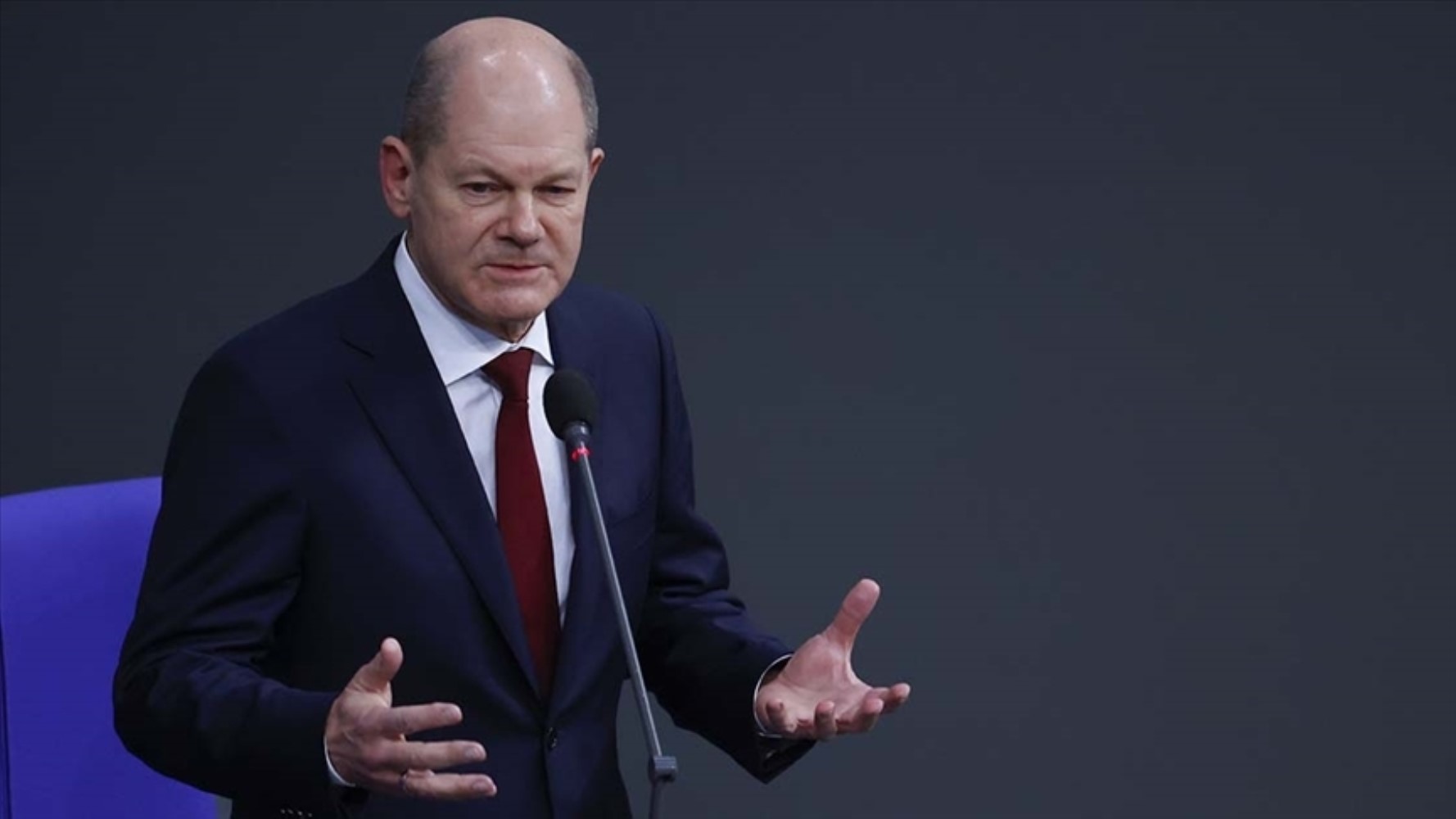
German Chancellor Olaf Scholz had promised throughout 2024 that they would fight economic stagnation
GOVERNMENT COLLAPSED BEFORE FEBRUARY ELECTIONS
The three-party coalition government in the country collapsed in November 2024 due to disagreements over how to revitalize the economy, particularly regarding the budget. Early elections will be held in the country on February 23. One of the most important topics of the campaign for the elections is the economy.
Meanwhile, Donald Trump, who began his presidency in the US on January 20, had announced that he would significantly increase customs duties to reduce the foreign trade deficit and support domestic production.
Analysts state that Trump's implementation of a more protectionist policy through customs duties on EU imports is not a good sign for the export-oriented German economy.
The US is the largest buyer of German products. The country makes approximately 10 percent of its exports to the US.
On the other hand, the public budget deficit in Germany, which covers the federal state, states, local governments, and the social security fund, was 113 billion euros last year. Thus, the budget deficit corresponded to 2.6 percent of GDP. The budget deficit in 2024 was 5.5 billion euros higher than in 2023.
According to EU rules, member countries are required to keep their budget deficits below 3 percent of their GDP and their public debts below 60 percent of their GDP.
News Source: AA