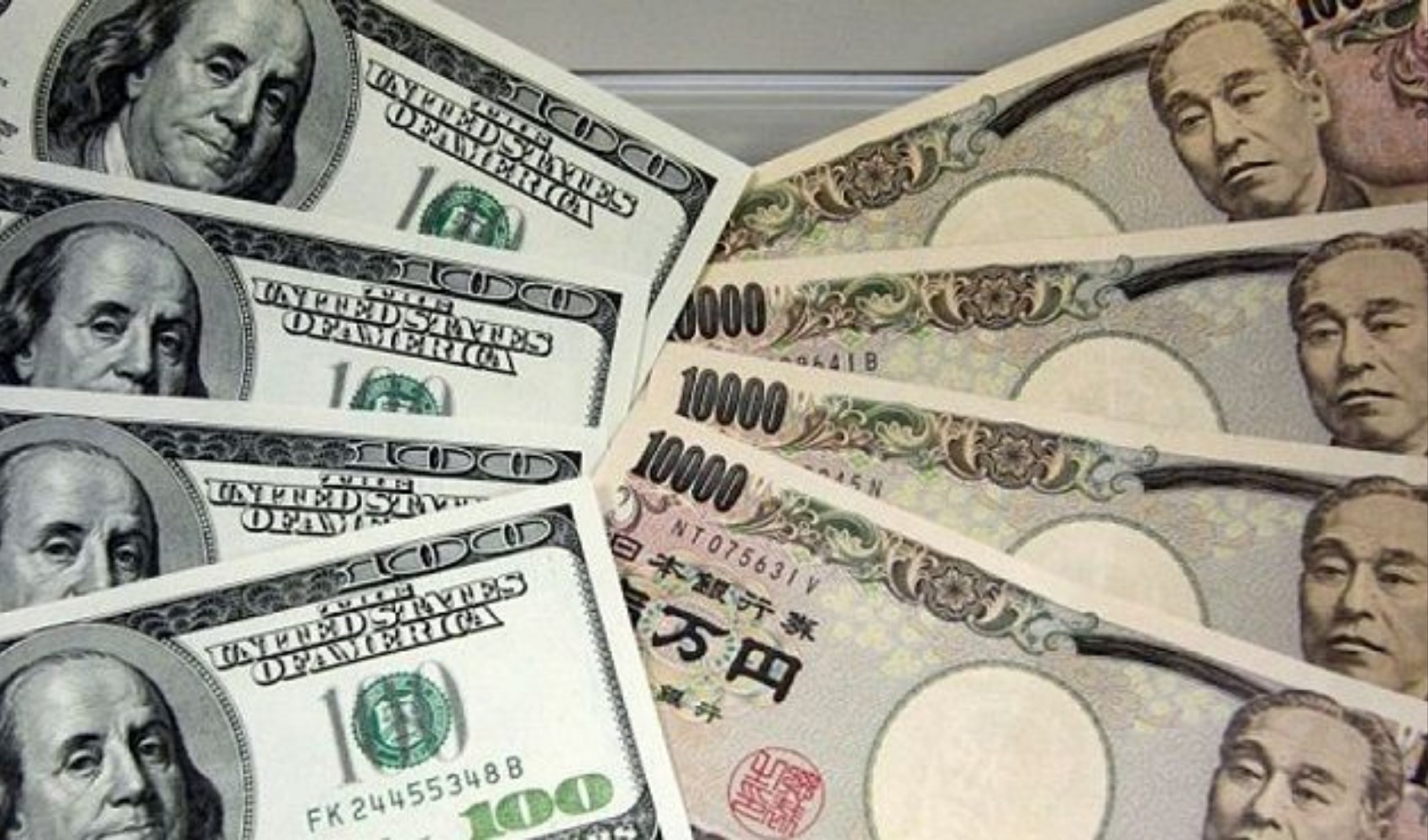
The dollar/yen parity is currently up 0.4 percent, reaching 160.39, a level last seen in December 1986.
While the Japanese yen has continued to lose value since the beginning of the year, the dollar/yen parity exceeding the 160 level has also increased speculation regarding intervention in the foreign exchange market by Japanese authorities.
Masato Kanda, Japan's Vice Minister of Finance for International Affairs, had previously stated that they were prepared to intervene to support the Japanese yen 24 hours a day if necessary.
Emphasizing that developments in the exchange rate were negatively affecting the national economy, Kanda had remarked, "We will take necessary action in the event of excessive volatility in the exchange rate due to speculative reasons."
IT HAD RISEN ABOVE 160 FOR THE FIRST TIME
It was alleged that the Bank of Japan (BoJ) intervened in the foreign exchange market to support the currency when the dollar/yen parity rose above the 160 level in April 2024.
The dollar/yen parity tested the 160.24 level on April 29, rising above 160 for the first time since June 1986.
While it is stated that movements in the country's currency could prompt Japanese authorities to act, analysts suggest that approximately 60 billion dollars in reserves may have been sold following the 160.24 level seen on April 29.
In the foreign exchange market, the high interest rate differential, particularly between the US and Japan, is causing the yen to lose significant value against other currencies, primarily the dollar.
DEMAND FOR DOLLAR ASSETS INCREASED
Although Japan raised interest rates to a range of zero to 0.1 percent this year, interest rates above 5 percent in the US are increasing investor demand for dollar assets.
Analysts emphasized that as long as the underlying dynamics of the yield gap between the US and Japan—two of the world's largest economies—do not change, the Japanese currency will remain under pressure.
Analysts reported that the Japanese yen, which has been declining against the dollar for some time, has supported the profits of Japanese export companies, causing the share prices of many Japanese firms to reach record levels, while conversely putting non-export-oriented Japanese companies in a difficult position regarding costs.
While the weakness of the yen raises questions about how it will affect the Japanese economy and the BoJ's interest rate outlook, the Japanese yen, which has been losing value for the last three years, has fallen by more than 12 percent against the dollar since the beginning of the year.
News Source: 12punto