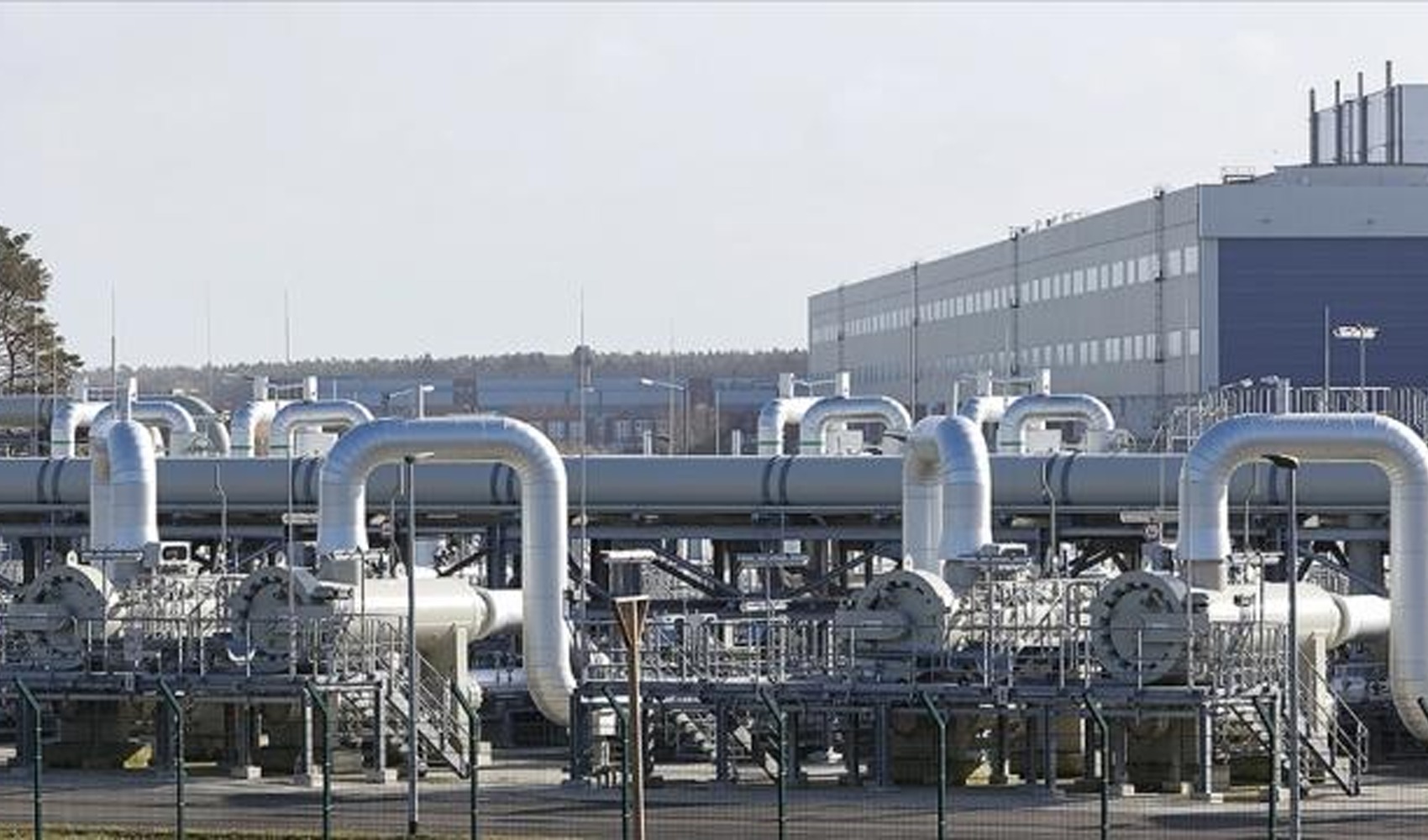
Natural gas prices in Europe recorded a significant decline on a weekly basis. The price per megawatt-hour for October-delivery contracts at the Dutch-based TTF, which is considered the benchmark for gas pricing on the continent, fell to 71.16 euros as of 15:14 today, following last week's close of 79.52 euros. Thus, the weekly decline reached 10.5 percent.
The primary development exerting downward pressure on prices during the first trading days of the week was the expectation that contacts held between the US and Iran in New York could reduce supply risks stemming from the Strait of Hormuz. Reports that Iran might reopen the Strait of Hormuz if the US lifts the blockade on Iranian ports and returns to diplomacy strengthened expectations that LNG flows could return to normal.
However, the lack of rapid progress in the talks caused prices to recover in the second half of the week. On Thursday, TTF prices rose to 74.94 euros, as uncertainties regarding LNG shipments through the Strait of Hormuz came to the fore once again in the markets.
STORAGE LEVELS BELOW LAST YEAR
The fact that gas demand in Europe has not yet reached seasonally high levels before winter and that gas inflows to storage facilities continue were among the factors limiting the rise in prices.
According to Gas Infrastructure Europe data, the occupancy rate of natural gas storage facilities in European Union countries is at 70.35 percent. In the same period last year, this rate was recorded at 82.03 percent.
The European Commission's Gas Coordination Group also met to evaluate current market conditions and winter preparations. The Commission reported that despite storage levels remaining below historical averages, the natural gas supply in the EU is stable.
In its previous assessments, the Commission had also stated that there was no immediate risk to supply security despite low storage levels. Increasing LNG import capacity, diversification of supply sources, and the decline in natural gas demand stand out as factors supporting Europe's supply security.
According to analysts, if LNG flows through the Strait of Hormuz do not normalize, Europe's competition with Asia for alternative LNG cargoes may continue. This situation is cited among the risks that could create upward pressure on prices in the coming period.
News Source: 12punto