

According to the PMI report, 4 out of 10 sectors increased production in February
According to the Istanbul Chamber of Industry Turkey Sectoral PMI report, 4 of the 10 monitored sectors increased their production in February. The headline PMI, which was 49.2 in January, rose to 50.2 in February, signaling an improvement in operating conditions for the first time in the last eight months.



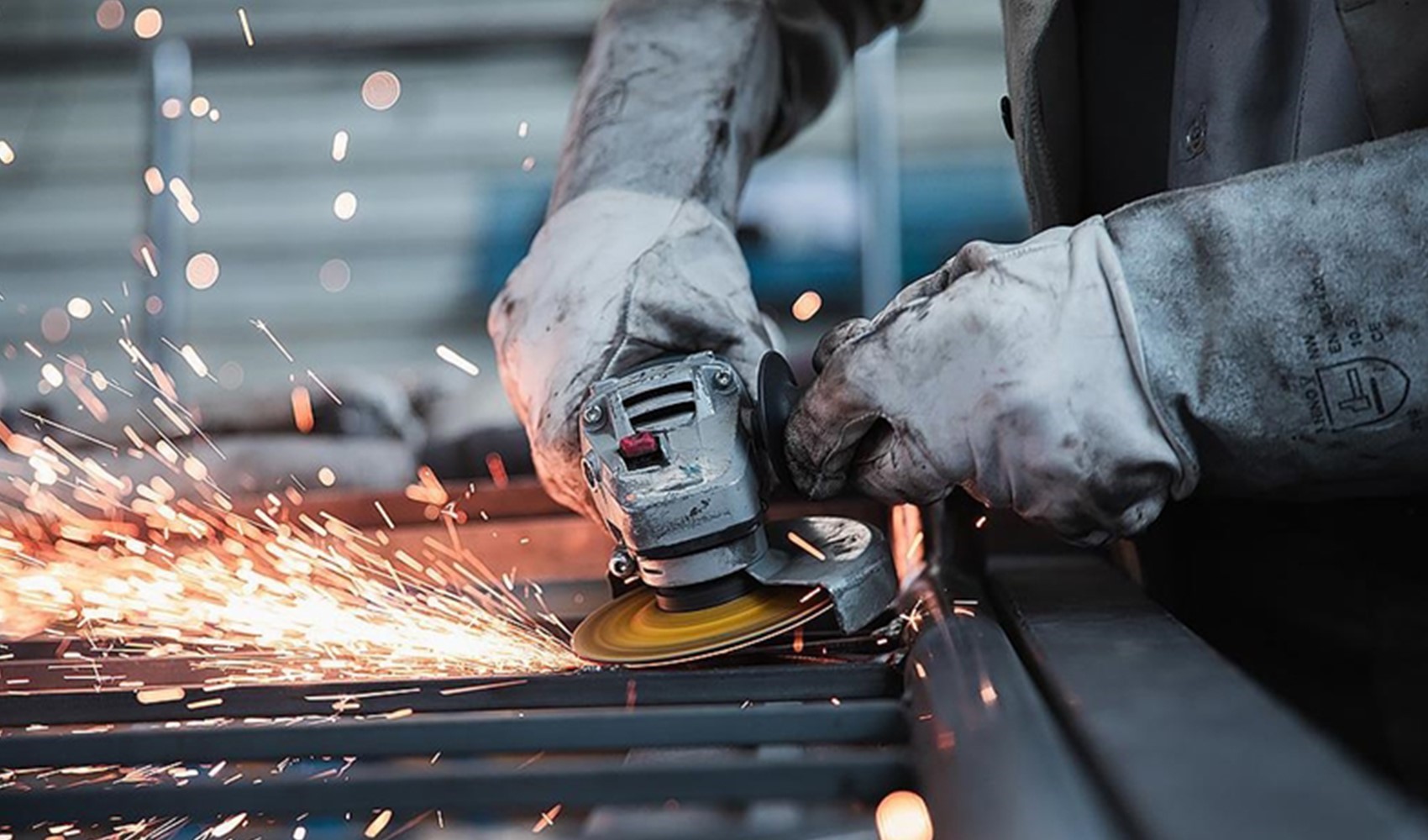
The Istanbul Chamber of Industry Turkey Sectoral PMI report has been published. The headline PMI, which was 49.2 in January, rose to 50.2 in February, signaling an improvement in operating conditions for the first time in the last eight months.
Despite firms increasing their purchasing activities, there was a decrease in employment and input stocks due to personnel shortages and difficulties in procuring raw materials. On the price front, input cost inflation showed a moderate decline; however, final product prices increased at the highest rate since August of last year.
According to the Istanbul Chamber of Industry Turkey Sectoral PMI report, 4 of the 10 monitored sectors increased their production in February. While growth in new orders was limited to the food products sector, the sharpest increase in cost inflation was measured in land and sea vehicles. Half of the monitored sectors increased their personnel numbers in February. The strongest increases in employment volume were observed in the food products and chemical, plastic, and rubber sectors.
The results for the February 2024 period of the Istanbul Chamber of Industry (ISO) Turkey Manufacturing PMI (Purchasing Managers' Index) survey, which is accepted as the fastest and most reliable reference for manufacturing industry performance—a leading indicator of economic growth—have been announced. According to the survey results, where all figures measured above the threshold value of 50 indicate an improvement in the sector, the headline PMI, which was 49.2 in January, rose to 50.2 in February, climbing back above the 50 threshold. The latest data indicated that operating conditions improved for the first time in the last eight months, albeit at a moderate level.
The return to growth in manufacturing industry production was decisive in the strengthening of general operating conditions in February. Production recorded an increase for the first time since June of last year and recovered strongly. Survey participants who reported an increase in production pointed out that customer demand showed signs of improvement. Although new orders continued to decline, the decrease in February occurred at the mildest level of the eight-month slowdown period. Similarly, the decline in new export orders lost momentum.
Partial signals that new orders were improving and increasing production requirements enabled firms to expand their purchasing activities for the first time in the last eight months. Despite this, input stocks continued to decrease. Delays in input deliveries by suppliers due to problems regarding the use of the Suez Canal were effective in this decrease.
Despite the recovery in purchasing activities, employment recorded a decline due to voluntary resignations and difficulties in finding new personnel. Nevertheless, the downward trend in manufacturers' backlogs of work continued. Input costs continued to rise sharply due to increases in raw material and transportation prices, losses in the value of the Turkish Lira, and the hike in the minimum wage. On the other hand, this increase slowed slightly compared to the previous month. Despite this, the fastest increase in final product prices in the last six months occurred.
"TURKISH MANUFACTURING SECTOR HAS GAINED MOMENTUM"
Evaluating the Istanbul Chamber of Industry Turkey Manufacturing PMI survey data, S&P Global Market Intelligence Economics Director Andrew Harker said: “The return to growth in production in February gave momentum to the Turkish manufacturing sector, and this situation indicated that strong realizations could occur in official data in the coming months. Although new orders continued to decrease, the fact that the decline in demand almost came to a standstill was a promising development. In the coming period, firms will expect that new orders will also accompany the positive trend in production.”
The Istanbul Chamber of Industry Turkey Sectoral PMI report for February generally gave signals of partial improvement in the production of some sectors despite stagnant demand conditions and still high inflationary pressures. Four of the ten monitored sectors increased their production in February. This number was at its highest level since August of last year. While the sharp increase in food production was decisive in growth, the expansion in the sector was recorded at the second-highest speed in the survey's history. Strong improvements were seen in the electrical and electronic products and chemical, plastic, and rubber sectors. Growth in land and sea vehicles remained very limited. In contrast, the most significant slowdown in production was again recorded in the non-metallic mineral products sector.
On the demand front, an improvement as significant as in production was not observed. Total new orders recorded a decline in all sectors except for the sharp increase in food products. The sharpest decline in new orders was recorded in wood and paper products. A similar outlook was also the case for new export orders. Half of the sectors monitored within the scope of the survey increased their personnel numbers in February. The strongest increases in employment volume were observed in the food products and chemical, plastic, and rubber sectors. The most significant decreases in employment occurred in clothing and leather products and textiles, both at the same rate. In purchasing activities, the prevalence of growth remained more limited, and only three sectors increased their input purchases.
Due to disruptions in the Red Sea, suppliers' delivery times continued to remain under pressure. While the most significant lengthening in times was experienced in the chemical, plastic, and rubber sector, supplier performance showed improvement in only three sectors. In February, input cost inflation maintained its high levels, but showed a decrease compared to January in most sectors. While the fastest rise in input prices was seen in land and sea vehicles, the most moderate increase was recorded in non-metallic mineral products. Non-metallic mineral products were also the sector where final product price inflation occurred at the lowest level. In contrast, food manufacturers' sales prices increased at the fastest rate since July of last year.
News Source: 12punto
Most Read

Galatasaray announces injury updates for Osimhen, Lemina, and Singo

Attention online sellers: Tax monitoring expanded

VAR for the Fenerbahçe-Beşiktaş derby has been announced!

Bridges and highways are being privatized: 15 July and FSM are also on the list

Peugeot September 2026 price list is out

New details emerge in 'panel' operation targeting lawyers
Gökçek era detail in ABB investigation

Özlem Şanver: 'He said he would change, I believed him; should I be beaten just because I didn't leave?'

First statement from Osimhen after injury in Başakşehir match

The Süper Lig's new team becomes the transfer champion