

Prof. Dr. Duran Bülbül evaluates the tenders to be held by the SDIF: 'The real purpose of the sale...'
Evaluating the 12 tenders to be held by the Savings Deposit Insurance Fund (SDIF) in September, Prof. Dr. Duran Bülbül stated that while the sales might contribute to the treasury in the short term, they could create legal and economic risks in the long term.



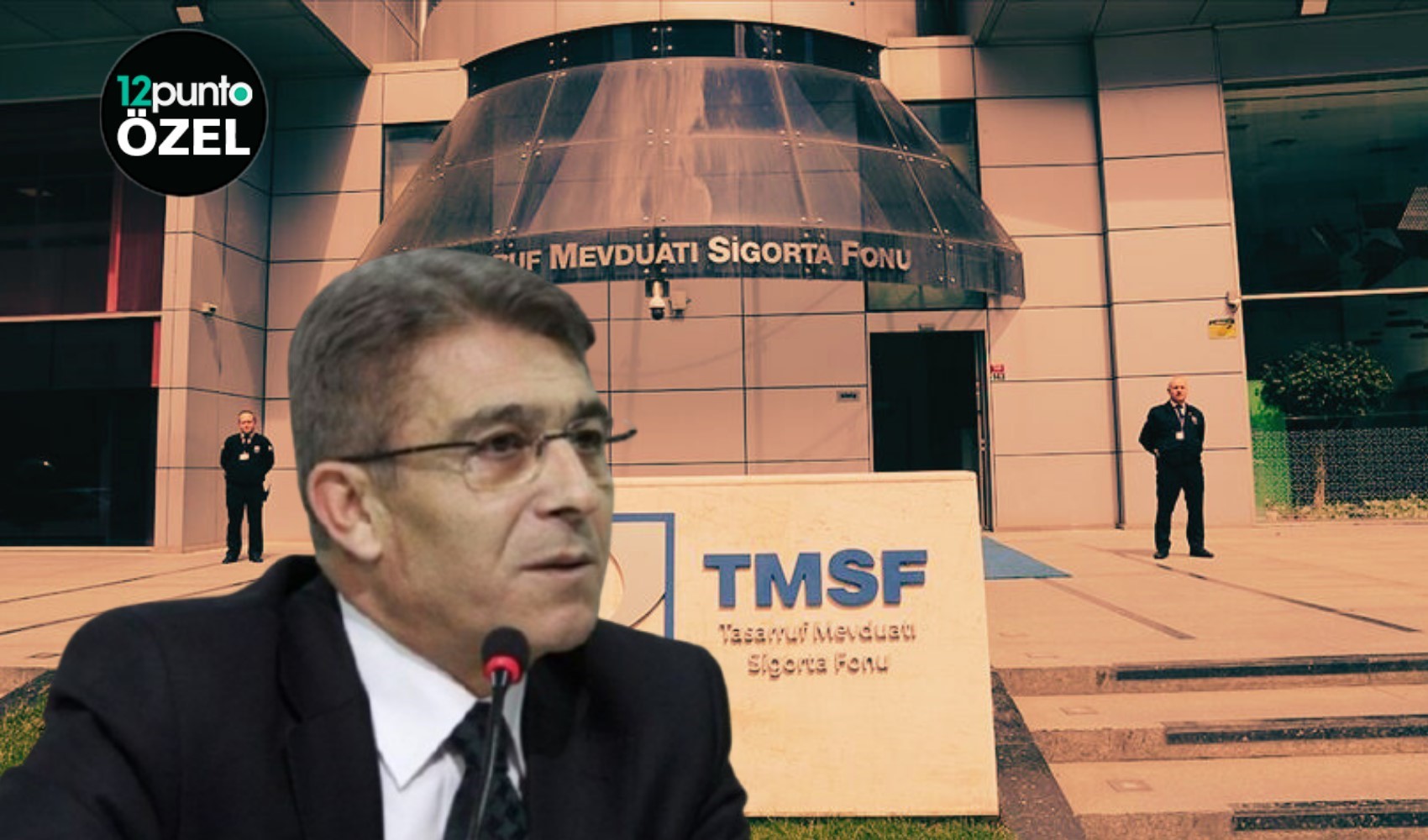
The Savings Deposit Insurance Fund (SDIF) will offer companies and assets under trustee management in various sectors for sale via tender in September.
The Savings Deposit Insurance Fund (SDIF) will carry out a comprehensive program throughout September 2025, holding 12 separate tenders ranging from company sales to the sale of real estate and vehicles. In addition to large companies in the textile, furniture, cable, and media sectors, various assets such as luxury vehicles, boats, and live broadcast vehicles will also be presented to investors.
Evaluating the tender process that will take place in September, Prof. Dr. Duran Bülbül assessed the process's effects on the Turkish economy and its legal dimensions.
Prof. Dr. Bülbül said, “The Savings Deposit Insurance Fund has now become an organization that holds Turkey's largest movable and immovable assets, companies, and factories. Or rather, it has turned into a public economic enterprise. It has become an institution that operates like a public economic enterprise.” The government, which is against public economic enterprises, has created the largest one.
'SEIZURES ARE AN ACT OF EXPROPRIATION'
Stating that companies thought to be linked to FETÖ and similar organizations, operating in the dimension of terrorism financing, have been transferred to the SDIF, Prof. Dr. Bülbül expressed, “The most fundamental question here is this: For a long time, we have seen from time to time that the Savings Deposit Insurance Fund seizes companies—due to terrorism financing or in the case of bankrupt firms. Seizures are actually a method of expropriation, and this needs to be evaluated correctly.”
Criticizing the political government's opposition to the jargon of expropriation and its method of using the SDIF, Prof. Dr. Bülbül said:
“The Savings Deposit Insurance Fund also ensures the management of these companies for a certain period by appointing trustees to them. But it is very interesting that when we see these companies after a while, they are making losses, and it is a fact that managers are seriously appointed to these companies and these managers receive significant salaries.”
Warning about legal risks, Prof. Dr. Bülbül said, “In the event that these organizations to be sold are sold, if the people who are the owners of these businesses are cleared of terrorism financing in the future, if an amnesty is issued in the future, or if they go to the European Court of Human Rights and various other paths and are cleared, there is also a situation where the country will face a serious financial burden and serious compensation. This must be paid very close attention to.”
TOUCHED ON ECONOMIC EFFECTS
Regarding the economic effects, Prof. Dr. Bülbül emphasized the following:
“Currently, the method used for borrowing and for financing debts and salaries may provide a contribution to the government and the treasury in the short term. It is already providing it, because these firms are working. The salaries of the people working here are already being paid. Because of their taxes, serious taxes and withholding taxes are being deposited into the treasury and social security. There is no problem here already.”
However, reminding of the long-term risks of the process, Prof. Dr. Bülbül said, “The conversion of these back to their former owners, their sale to certain people again, and as a result of the sale, in future lawsuits, the public will once again pay the price for these types of methods in the final analysis. This is closing debt with debt, and the price of this will be collected from the public again through taxes, high price hikes, and the raising of public prices. I think that this method, and sales made before legal processes are completed, will cause damages that are difficult to compensate for the country in the future. I also think it will cause damages for the people buying them. I do not think it is right to analyze this process correctly and manage it correctly, and to sell it to pay off debt.”
WILL IT HAVE AN EFFECT ON THE MARKET?
In light of the increasing bankruptcies and concordat declarations, Prof. Dr. Bülbül, evaluating the Savings Deposit Insurance Fund (SDIF) company sales, stated that these tenders would have a limited effect in terms of revitalizing the market.
Prof. Dr. Bülbül said, “Now, this is not a sale made in the name of revitalizing the market or fixing the market again. Once, the price of these sales was said to be; if you say preventing inflation, revitalizing the market, and presenting the money obtained here to the market again in the form of cheap loans, and even using it for the serious financing of firms operating as incentives, yes, in this sense, it could have serious support for firms that are bankrupt, have declared concordat, and are about to close, and whose loans are being paid.”
EXPLAINED THE REAL PURPOSE OF THE SALE
However, drawing attention to the main purpose of the sale, Prof. Dr. Bülbül expressed, “When we look at the justification for this sale, it says to close debts. It is also using debts as a financing tool. Since these will be a debt closure by making sales, it will not have a positive effect on the crisis in the country, the concordats, or the bankruptcies in the country.”
Evaluating the effects of directing the revenues that the Savings Deposit Insurance Fund (SDIF) will obtain from the sales to public debts and worker receivables in terms of economic stability, Prof. Dr. Bülbül emphasized the legal and budgetary limitations of the process.
Prof. Dr. Bülbül said, “It will reduce the treasury deficit. It will reduce the budget deficit. When we look at it from this perspective, it will seriously reduce borrowing, or rather. Since borrowing will decrease, the interest burden will decrease. This is a serious decrease in the interest burden. We need to know this once.”
Touching on the importance of the correct use of the revenues, Prof. Dr. Bülbül said:
“If the burden of borrowing is really used for its correct purpose, the future tax burden of the public can be reduced. But we usually look at the justifications for borrowing done with this intention; we have seen before that after the borrowing or after the revenues obtained, these are usually not used for the stated purposes, not used for worker receivables, and not used in accordance with the stated justifications. Therefore, it is necessary to follow this up.”
Drawing attention to the lack of legal infrastructure, the expert said, “In our budget, in our treasury revenues, there is no allocation system. Our treasury system is a single Treasury system. In the treasury system, there is also a principle that certain revenues cannot be allocated to certain expenditures. This justification is wrong and not in accordance with budget principles. You cannot say I will spend this here without the budget law changing. The legislation, the budget law, does not allow this. That is, it does not permit it.”
Prof. Dr. Bülbül summarized the political and legal dimension of the process as follows:
“I want to say it once again. Unfortunately, the state is not managed with wishes and good intentions. It is necessary to prepare its legal norms and legal justifications correctly. I want to say it once again. If you say I will use this for worker receivables, I will use this for debt closure, the single Treasury system does not allow this. There is no such budget system. This situation only happens in funds. It happens in a fund system. Unfortunately, if they had said this, we will take this and put it in a fund, and we will spend these, it is very difficult to even create the justification for this. Therefore, I say that I do not find this justification correct and that it lacks a legal basis. I think this is only used as an agitation method for the sale. Other than that, there is no legal norm, legal guarantee, or legal basis regarding the spending of these revenues in the mentioned places and that they will be spent. Furthermore, financial laws do not allow such a thing.”
News Source: 12punto
Most Read
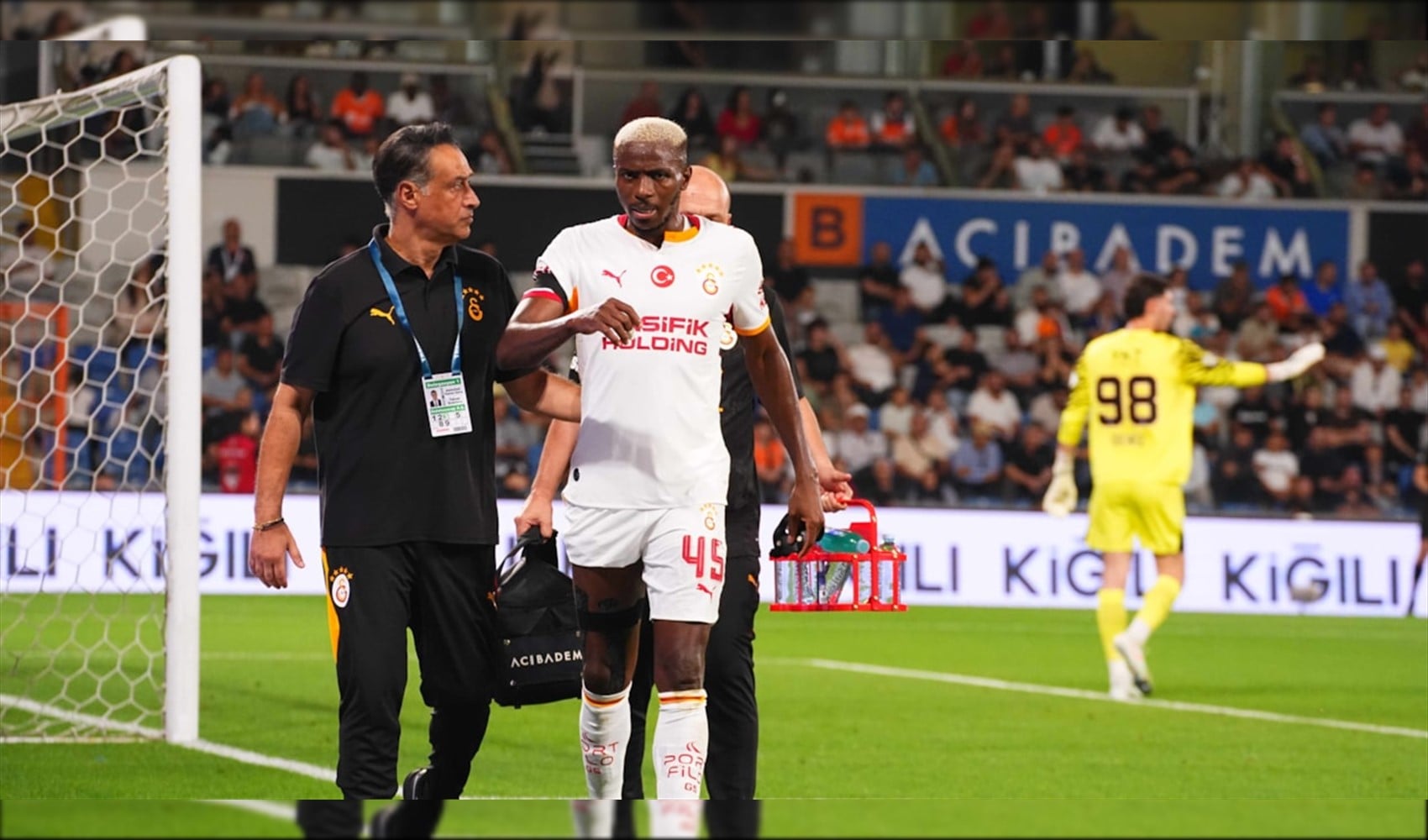
Galatasaray announces injury updates for Osimhen, Lemina, and Singo

Attention online sellers: Tax monitoring expanded
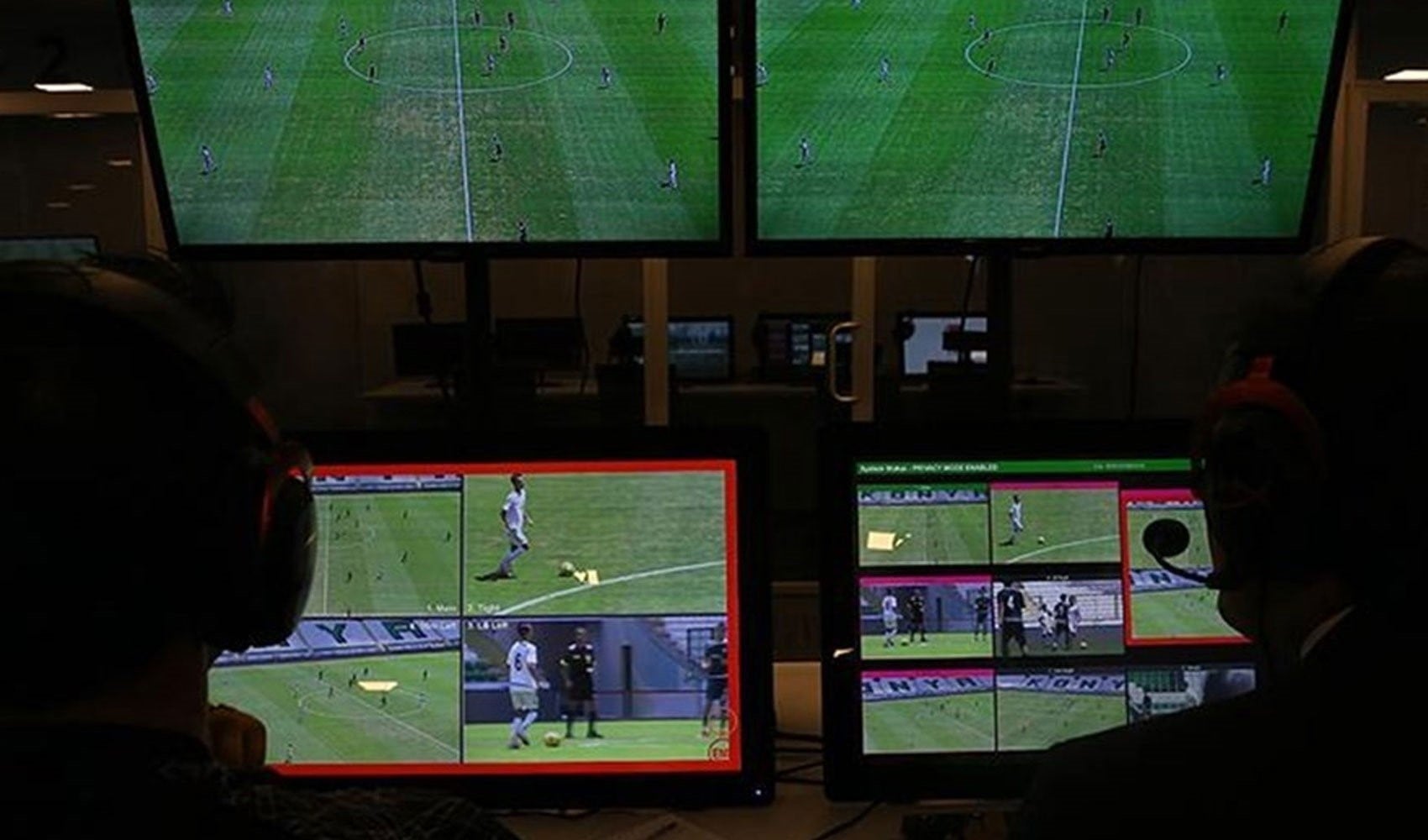
VAR for the Fenerbahçe-Beşiktaş derby has been announced!
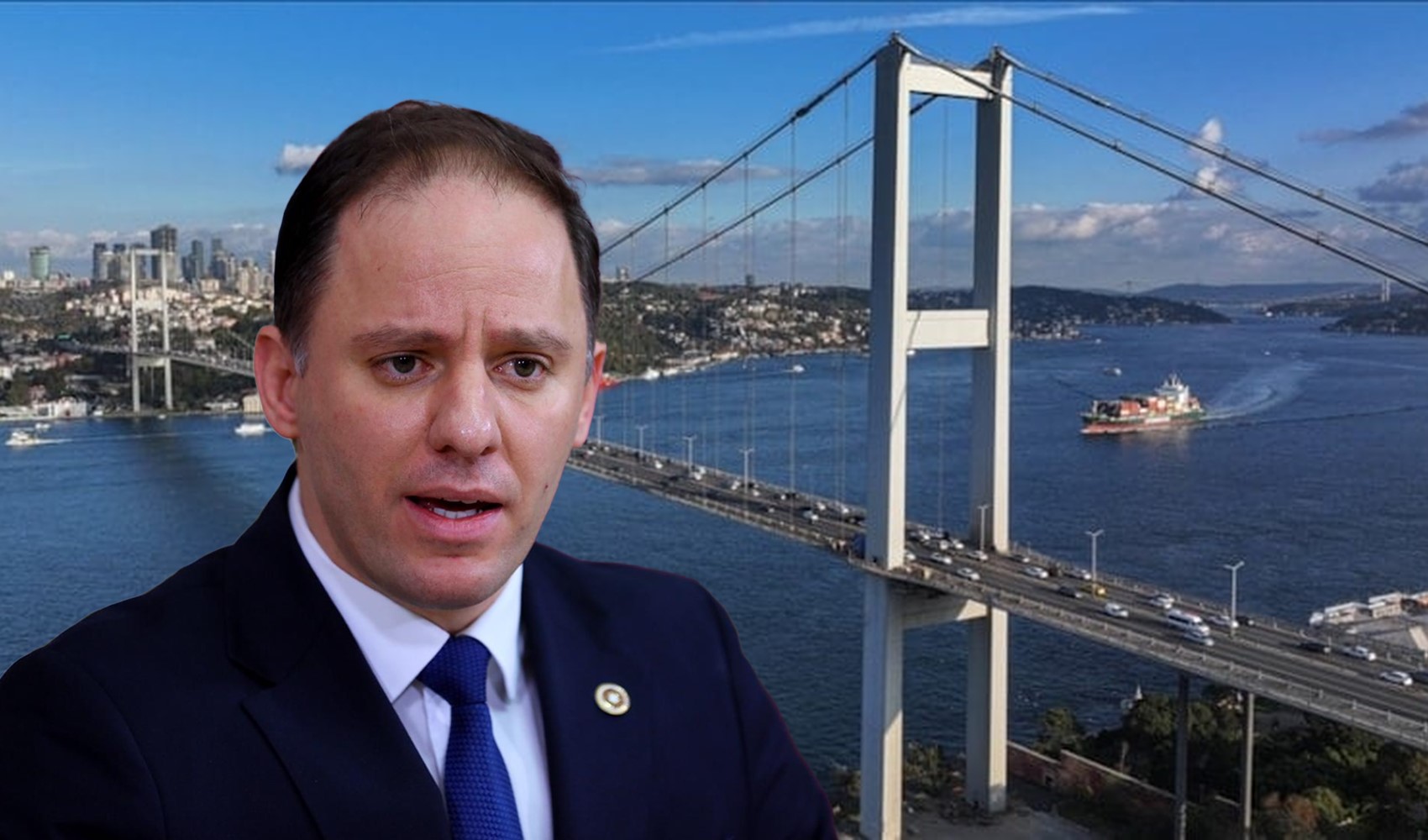
Bridges and highways are being privatized: 15 July and FSM are also on the list

Peugeot September 2026 price list is out

New details emerge in 'panel' operation targeting lawyers
Gökçek era detail in ABB investigation
First statement from Osimhen after injury in Başakşehir match

Özlem Şanver: 'He said he would change, I believed him; should I be beaten just because I didn't leave?'
The Süper Lig's new team becomes the transfer champion