Find news published in the date range below
and and
and and
and and
Clear
Euro
Arrow
53,9351
Dollar
Arrow
44,7250
Sterling
Arrow
63,0245
Gold
Arrow
6249,0451
BIST 100
Arrow
10.729

Attention smokers: You can learn your disease risk based on the pack-year calculation

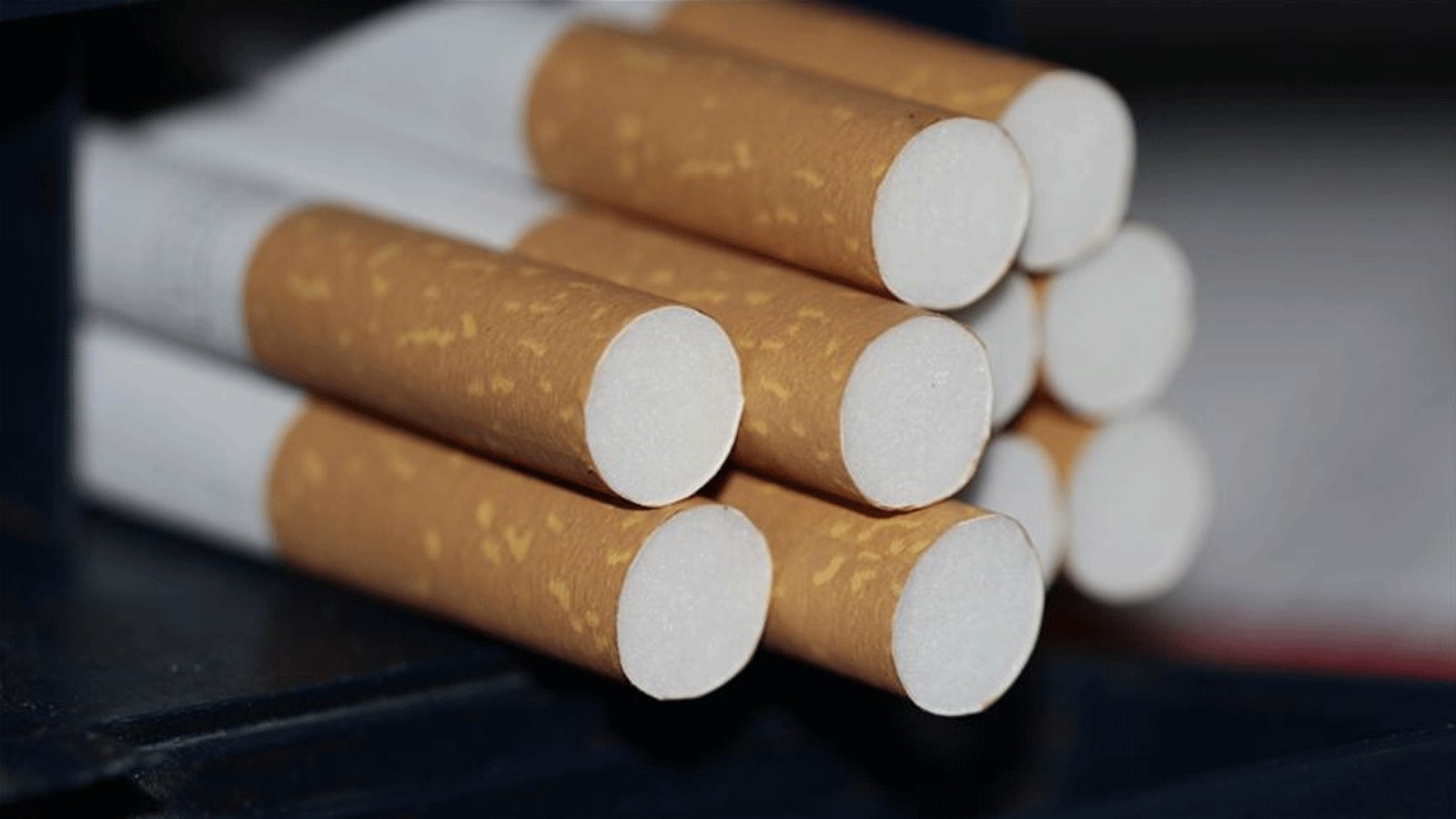
Stating that the most important measure to protect against lung cancer is not to smoke and, if one does, to quit, Prof. Dr. Ergün Tozkoparan said, "15 years after quitting smoking, the risk of developing lung cancer drops to the same level as those who have never smoked." It was announced that the risk of disease can also be calculated according to the pack-year calculation.

Don't leave your news choices to an algorithm - decide for yourself what you read. Add 12punto to your preferred sources!
Attention smokers: You can learn your disease risk based on the pack-year calculation
Stating that the pack-year concept was developed to determine smoking intensity, Prof. Dr. Ergün Tozkoparan said, "The average number of packs of cigarettes smoked per day is multiplied by the total number of years smoked. For example, if a person has been smoking 2 packs of cigarettes a day for 20 years, their smoking intensity is 40 pack-years.
For someone who has been smoking half a pack a day for thirty years, it is 15 pack-years. After 20 pack-years of smoking, the risk of developing lung cancer increases significantly. In addition, it is necessary to avoid passive smoking, environmental carcinogens (asbestos and certain other chemicals), and air pollution," he said.

IMAGING METHODS PLAY A VITAL ROLE

Stating that for diagnosis, imaging methods such as chest X-rays and computed chest tomography should be used first, and in necessary cases, MRI and PET examinations should also be performed, Prof. Dr. Tozkoparan said, "If a suspicious finding for lung cancer is detected in imaging methods, a biopsy procedure is planned to confirm the cancer diagnosis, determine its subtype, and, if necessary, perform genetic tests on the cancer tissue that will shed light on treatment.
Biopsy is usually performed via lung endoscopy, called bronchoscopy, or with a needle reaching the lung through the chest wall under tomography guidance. In addition, an imaging method called PET-CT is used for staging lung cancer, and EBUS (endobronchial ultrasound) methods are used for both diagnosis and staging," he stated.

MOST FREQUENTLY USED METHODS

Prof. Dr. Ergün Tozkoparan listed the methods applied in the treatment of lung cancer as follows:
Surgical treatment,
Radiotherapy,
Chemotherapy,
Targeted therapy (smart drugs),
Immunotherapy
PROMISING TREATMENT
Stating that surgical treatment is generally used in early-stage cases that have not spread to the chest cavity and other parts of the body and is the most promising treatment, Prof. Dr. Tozkoparan said, "While surgical treatment is sufficient on its own in early-stage cases, chemotherapy and/or radiotherapy can be applied before or after surgical treatment in some cases.
In advanced-stage disease, chemotherapy and radiotherapy are usually applied. In lung cancer cases with significant gene mutations in genetic studies, targeted therapy, known as 'smart drugs' in common parlance, which acts only on mutant cancer cells, can be used.
Immunotherapy, on the other hand, is mostly used in metastatic lung cancers and aims to stimulate the immune system to attack tumor cells," he concluded.

News Source: 12punto

Related News

lung cancer Cancer Smoking