

Use with caution! Painkillers containing paracetamol carry serious health risks!
Paracetamol is the active ingredient in many painkillers and fever reducers; however, these over-the-counter drugs increase the risk of liver damage, kidney damage, high blood pressure, and heart disease when used regularly over a long period.



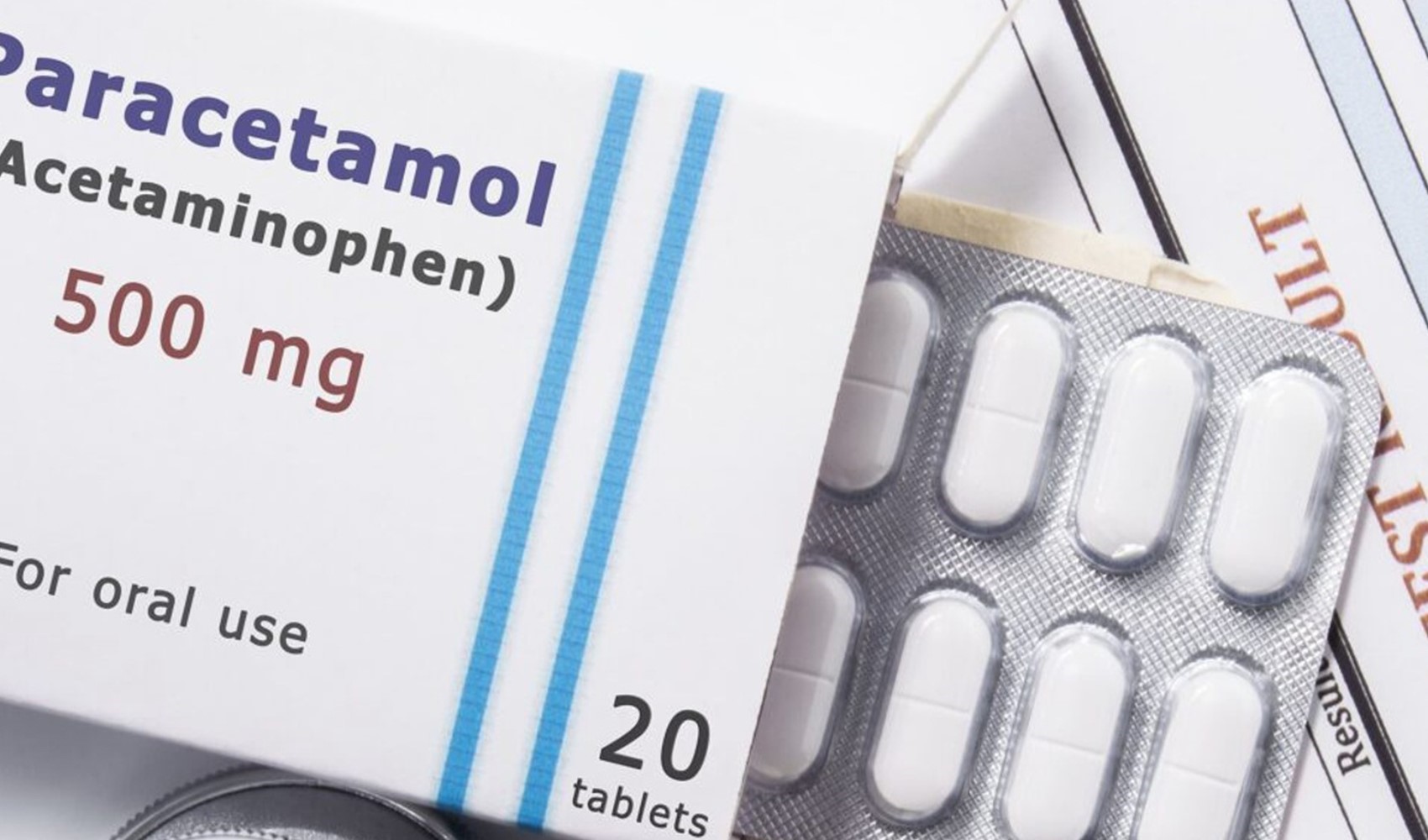
Doctors have issued warnings regarding drugs containing 'paracetamol', which are mostly sold over the counter. Regular use of this active ingredient, found in many medications sold in Turkey, can lead to serious health problems in the long term.
Painkillers are the most popular drugs we turn to for relieving body aches, and they are often sold without a prescription.
However, in a recent study, scientists determined that 'drugs containing the active ingredient paracetamol, which has pain-relieving and fever-reducing properties, can pose significant health risks with long-term use.'
According to the findings of the study, the long-term use of these easily accessible drugs can lead to 'dangerous and even fatal consequences.'
Speaking about the risks associated with the long-term use of tablets containing paracetamol, general practitioner Semiya Aziz made the following statements in an interview with the British channel ITV:
"We currently know that short-term use of paracetamol at the lowest effective dose is successful in relieving headaches and reducing fever. However, long-term use can lead to numerous symptoms such as fatigue, shortness of breath, anemia, liver damage, kidney damage, and even cause a person's fingers and lips to turn blue..."
According to the British health authority NHS, it is safe to take paracetamol regularly for many years as long as you do not take more than the recommended dose.
On the other hand, according to Aziz, who stated that the research in question reveals the possibility of 'another worrying problem' emerging for people who use paracetamol regularly and for a long time, such usage can cause an 'increase in blood pressure.'
The general practitioner continued her words as follows:
"What all studies suggest is this: Yes, you can take paracetamol for a short time, but if you are using it long-term, talk to your healthcare professional and discuss it with them. Because it can cause an increased risk of high blood pressure, cardiovascular disease, heart attack, and stroke..."
A study commissioned by the British Heart Foundation and conducted by the University of Edinburgh, the results of which were published in 2022, warned that long-term users should "opt for the lowest effective dose for the shortest possible time."
The study revealed that those who routinely use paracetamol had a "'significant' increase in their blood pressure, which increases the risk of heart disease or stroke by approximately 20 percent."
Professor David Webb, Chair of Therapeutics and Clinical Pharmacology at the University of Edinburgh, said the following about the results:
"We recommend starting paracetamol at a low dose and increasing the dose gradually; not exceeding the doses higher than necessary to control pain..."
"Given the 'significant' increases in blood pressure seen in some of our patients, it may be beneficial for people with high blood pressure who are just starting paracetamol to have their blood pressure monitored more closely..."
On the other hand, in a 2018 study titled "The Effect of Paracetamol on Empathy" conducted by faculty members of the Department of Physiology at Dokuz Eylül University (DEU) Faculty of Medicine, Turkish researchers determined that the active ingredient paracetamol, found in painkillers and fever reducers, "reduces empathy."
Within the scope of the study published in the monthly peer-reviewed scientific journal Pharmacology Biochemistry and Behavior, some rats were taught to "save an experimental animal that was in a water-filled apparatus and about to drown by opening the door." Some rats included in the study were given 'paracetamol'.
In the continuation of the study, it was observed that the rats in the group that did not receive paracetamol quickly saved those about to drown, while the rescue time was prolonged in rats that received low and medium doses of the drug. Rats that received high doses remained indifferent to the experimental animals about to drown and did not open the door to save them.
DEU Department of Physiology Faculty Member Prof. Dr. Nazan Uysal Harzad stated that they measured the level of empathy and that paracetamol affects the level of empathy. She stated that "the group that did not take this active ingredient opened the door of the empathy mechanism within 1 minute."
A survey conducted at Ohio State University in the USA revealed that an experimental group taking paracetamol was "less affected by photos and images of brutality."
News Source: 12punto
Most Read

Galatasaray announces injury updates for Osimhen, Lemina, and Singo

Attention online sellers: Tax monitoring expanded

VAR for the Fenerbahçe-Beşiktaş derby has been announced!

Bridges and highways are being privatized: 15 July and FSM are also on the list

Peugeot September 2026 price list is out

New details emerge in 'panel' operation targeting lawyers

Gökçek era detail in ABB investigation

First statement from Osimhen after injury in Başakşehir match

Özlem Şanver: 'He said he would change, I believed him; should I be beaten just because I didn't leave?'

The Süper Lig's new team becomes the transfer champion