

Astonishing discovery in Kayseri... Dating back 8 million years: 'It looks nothing like those today'
A pig skull believed to date back 7.5 to 8 million years has been found during ongoing excavations on the shores of the Yamula Dam in Kayseri.



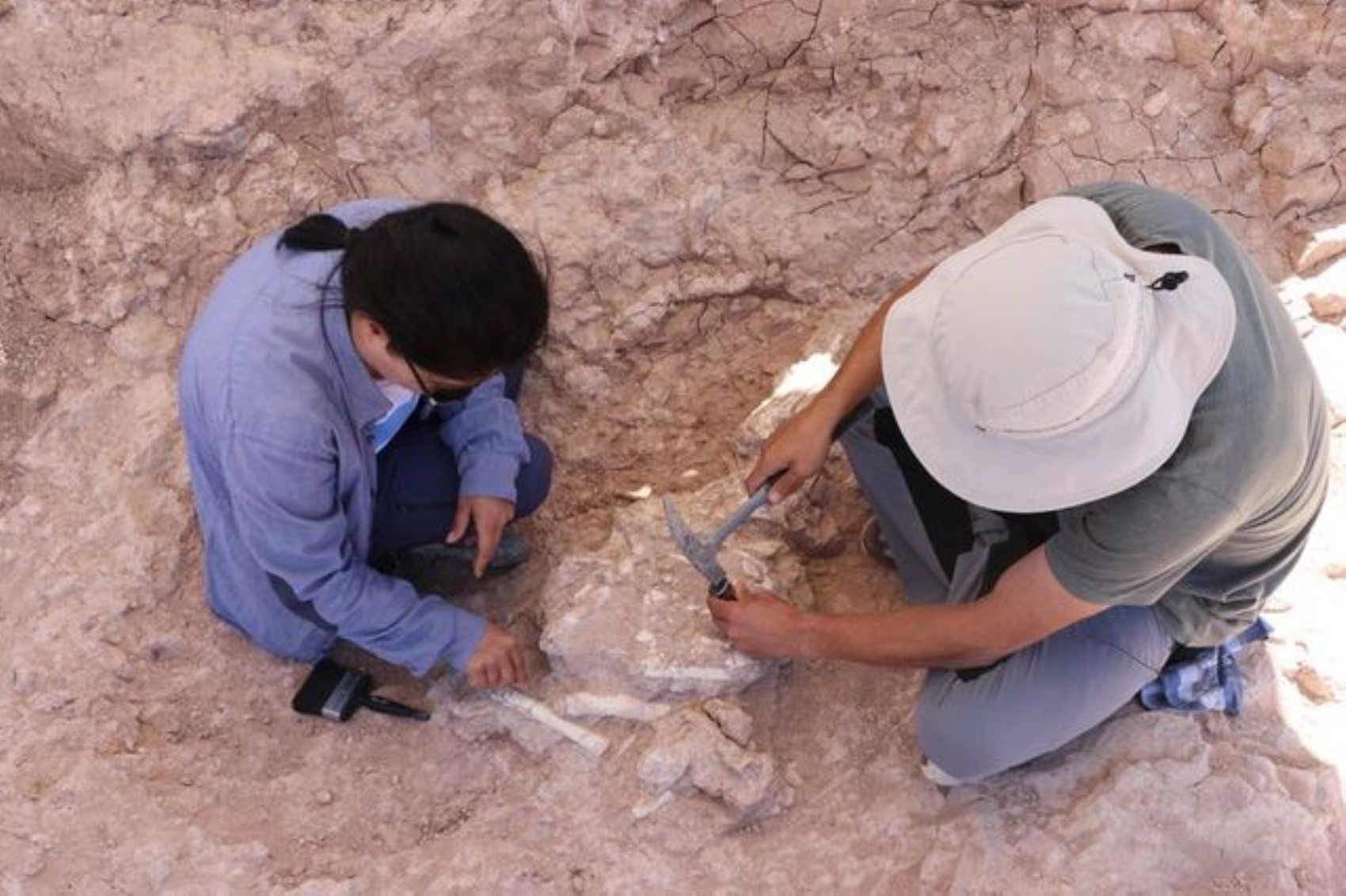
Murat Adıyaman, a shepherd in the Kocasinan district, found a bone fragment on the shore of the Yamula Dam in the Taşhan neighborhood in 2017.
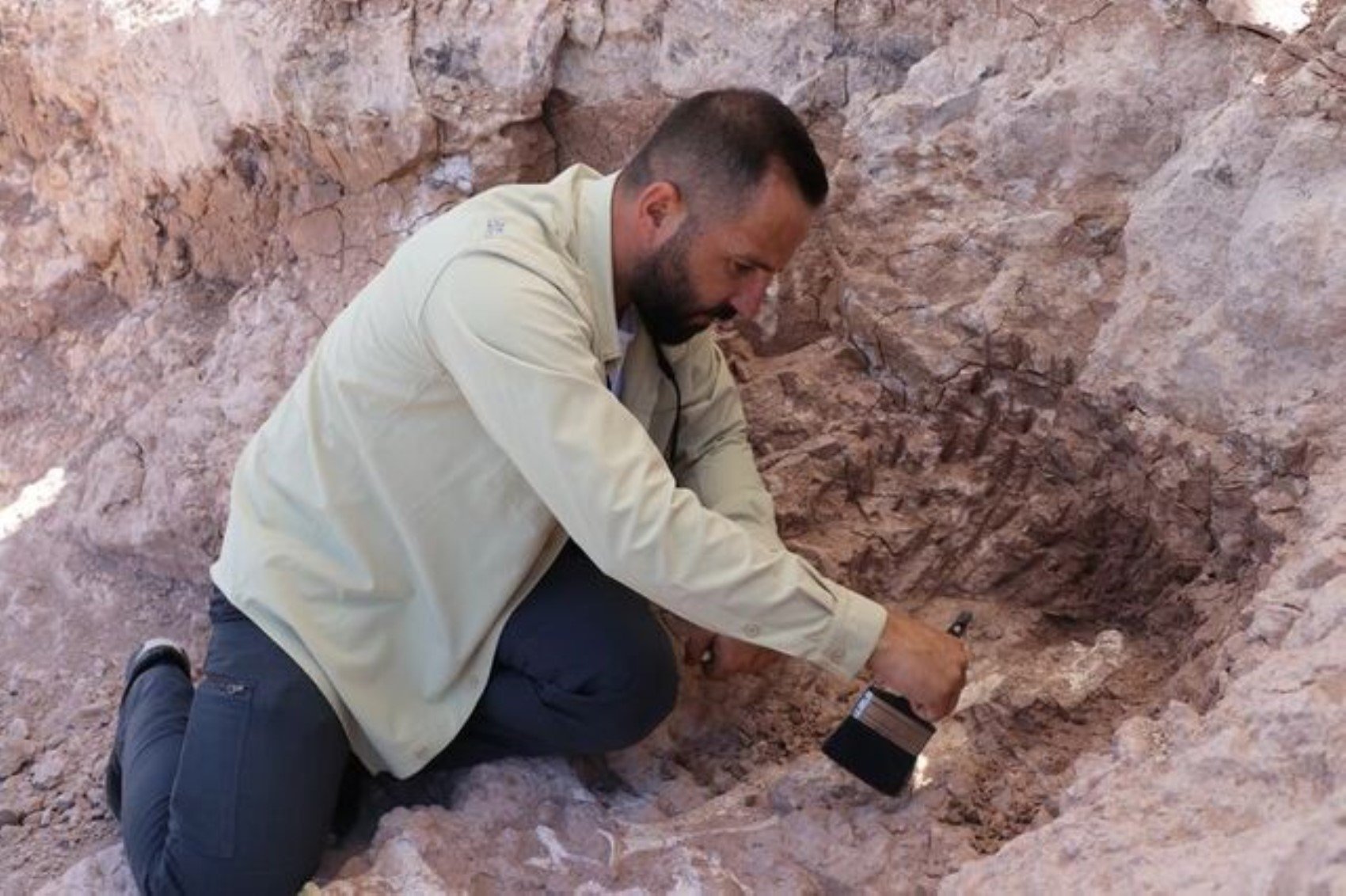
Examinations conducted on the samples taken here determined that the bone fragments date back 6 to 7.5 million years.
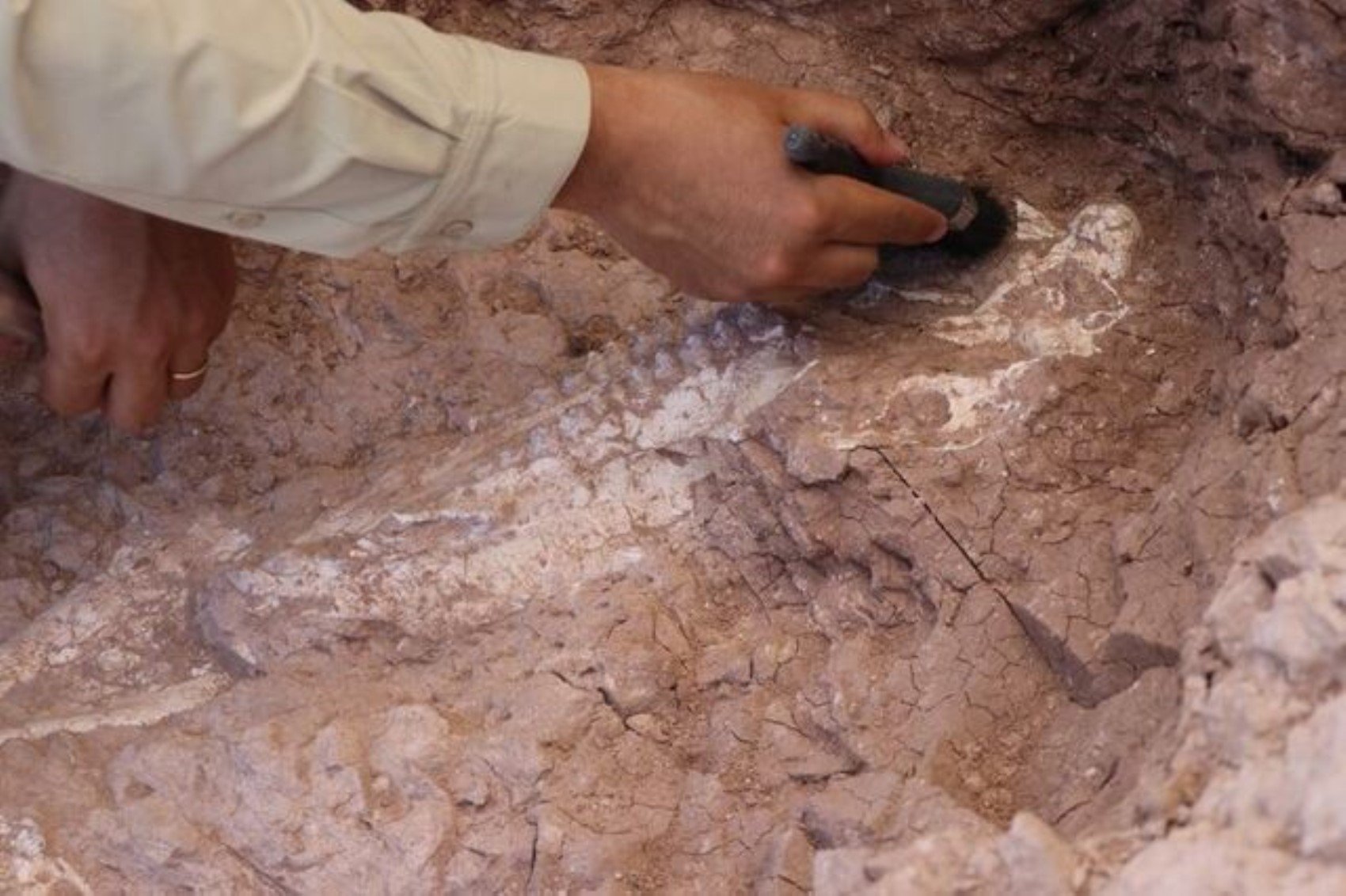
In 2018, excavation work was initiated in the region with the permission of the General Directorate of Cultural Heritage and Museums of the Ministry of Culture and Tourism. The excavations launched within this scope have been ongoing for 6 years.
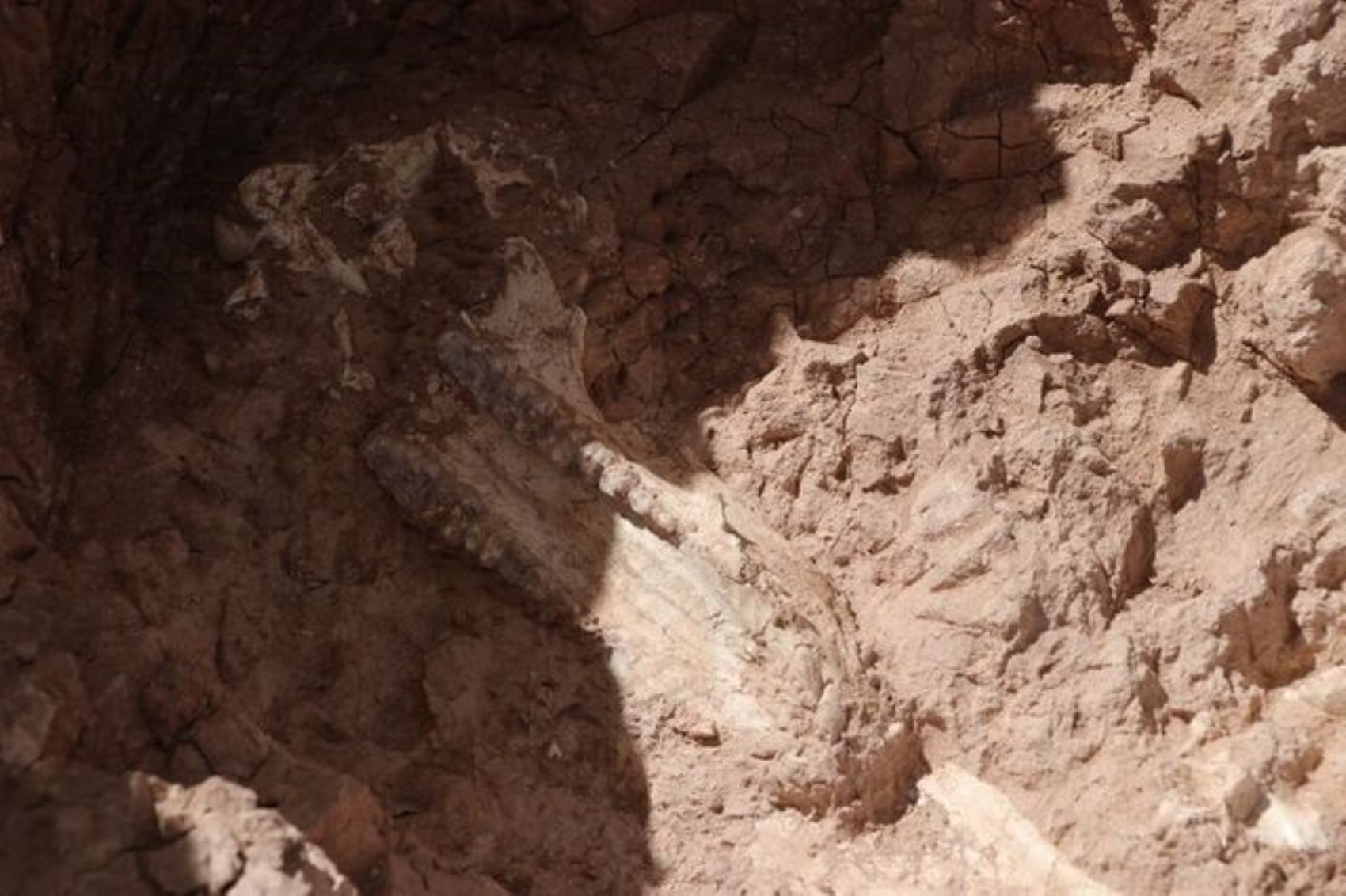
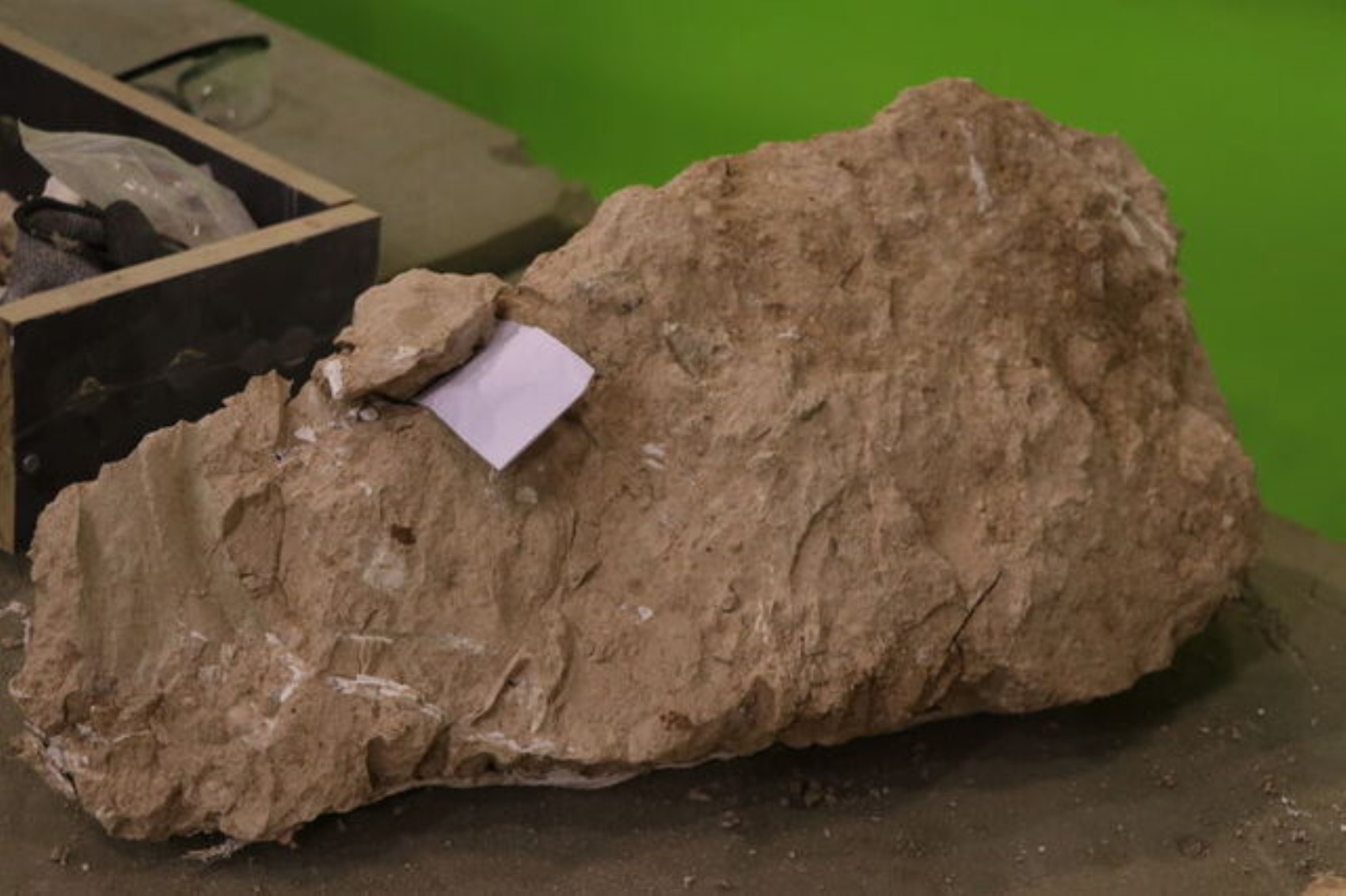
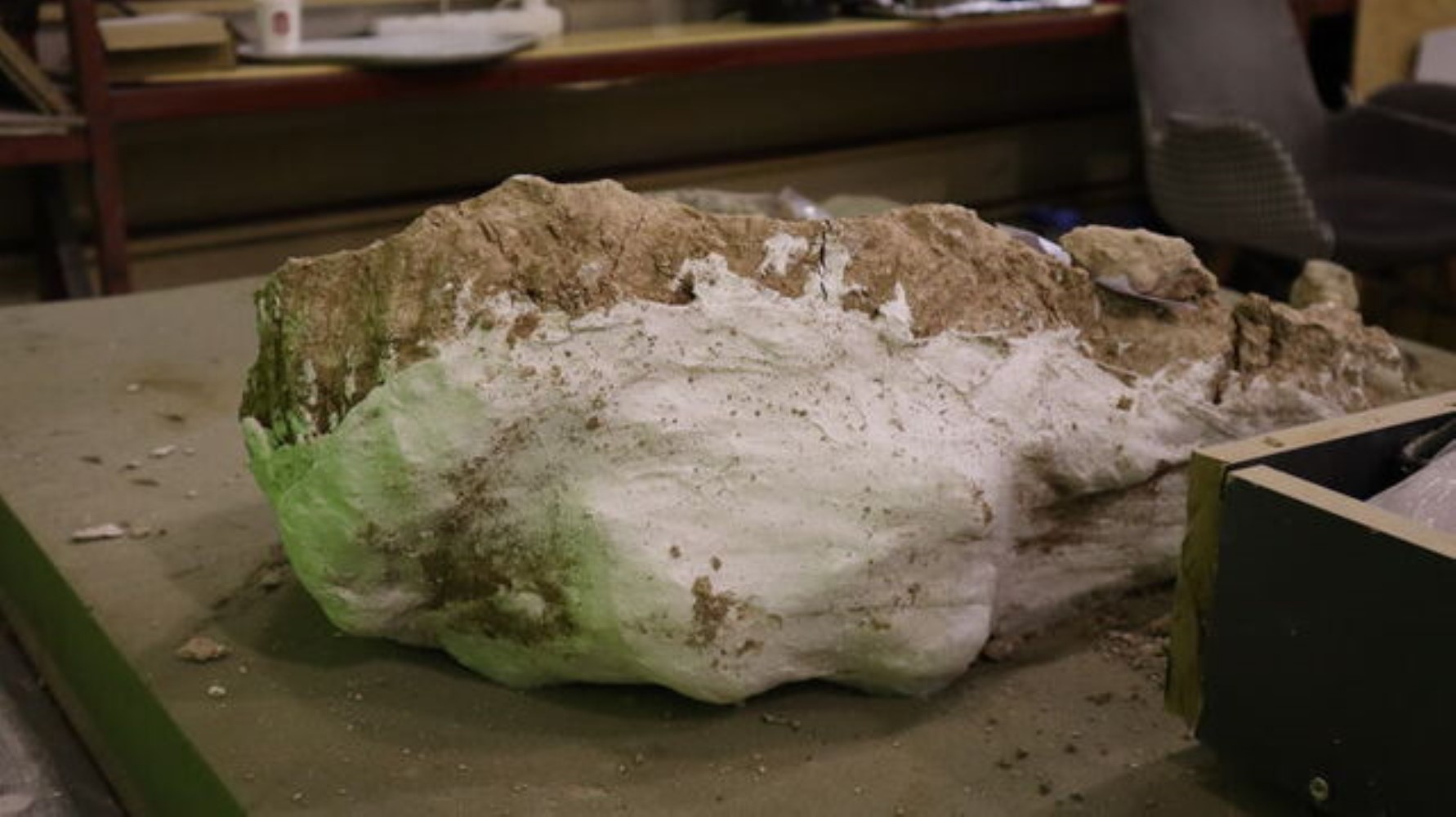
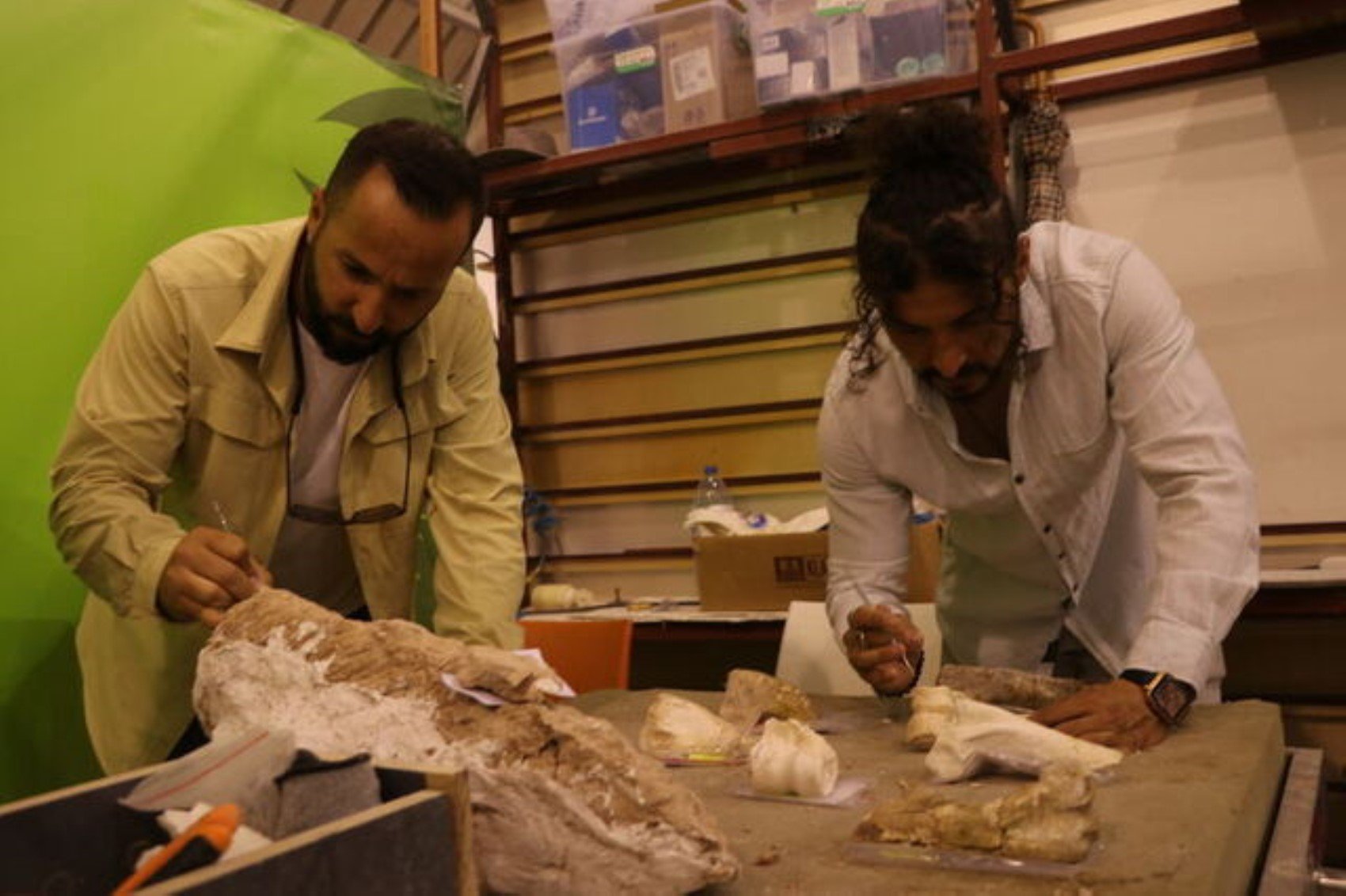
While excavation work began in May this year, a pig skull thought to date back 7.5-8 million years was found in the region. The fossil, which was extracted from underground using the plaster jacket method, was brought to the Kayseri Science Center Laboratory.
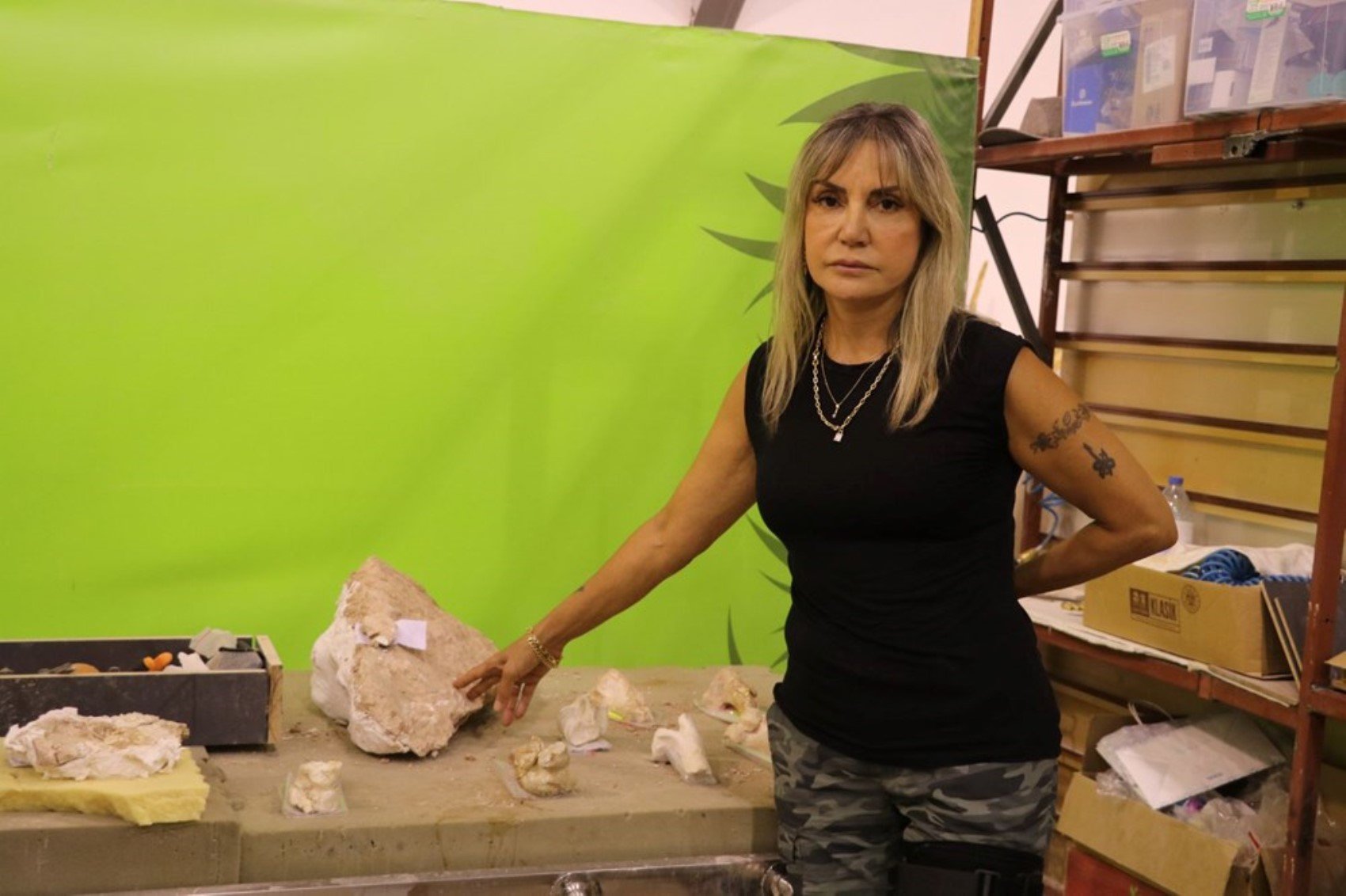
"IT DOES NOT RESEMBLE MODERN PIGS AT ALL"
Prof. Dr. Okşan Başoğlu, a faculty member at Ankara Hacı Bayram Veli University and head of the excavation team, stated, "For the first time, we have found one in such a complete state. Now, when we say 'pig,' it sounds like something simple. But this creature does not resemble modern pigs at all.
We even describe it as a giant pig. Its dimensions are quite different from today's pigs, and it is a large creature. Just as we reconstructed the elephant, we will reconstruct this pig after a while. Then you will see more clearly what kind of creature it was. Finding a skull with this level of integrity is very important for us," she said.
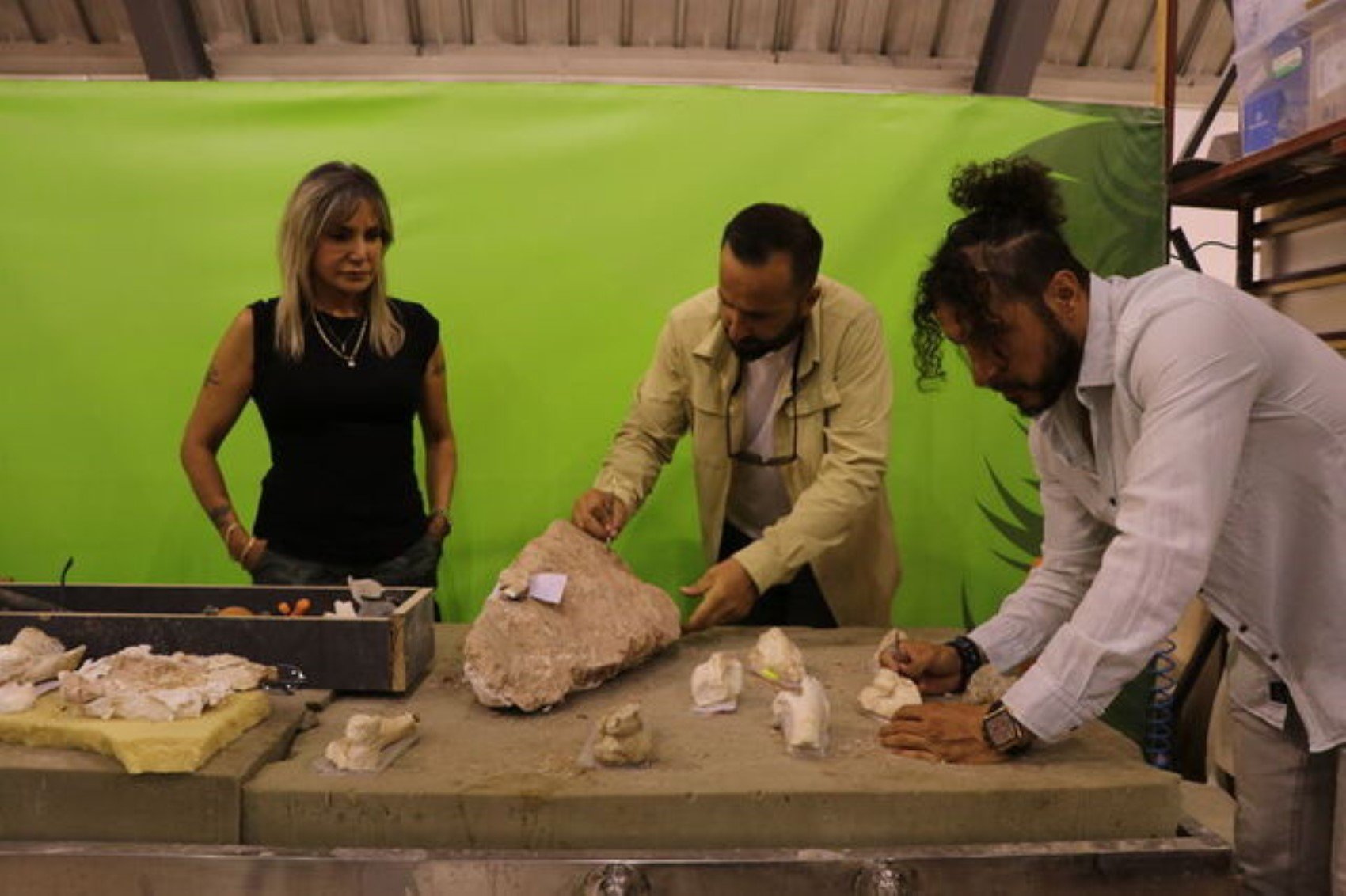
"THESE ARE OUR NATURAL HERITAGES"
Emphasizing that the pig skull found during the excavation work was discovered for the first time, Başoğlu said, "This fossil also belongs to the Late Miocene period. We can describe it as 7.5 to 8 million years old. We started working in the area around May. However, we have been working on this fossil for 20-25 days to extract it in one piece. We finally extracted it; we already removed it using the plaster jacket method."
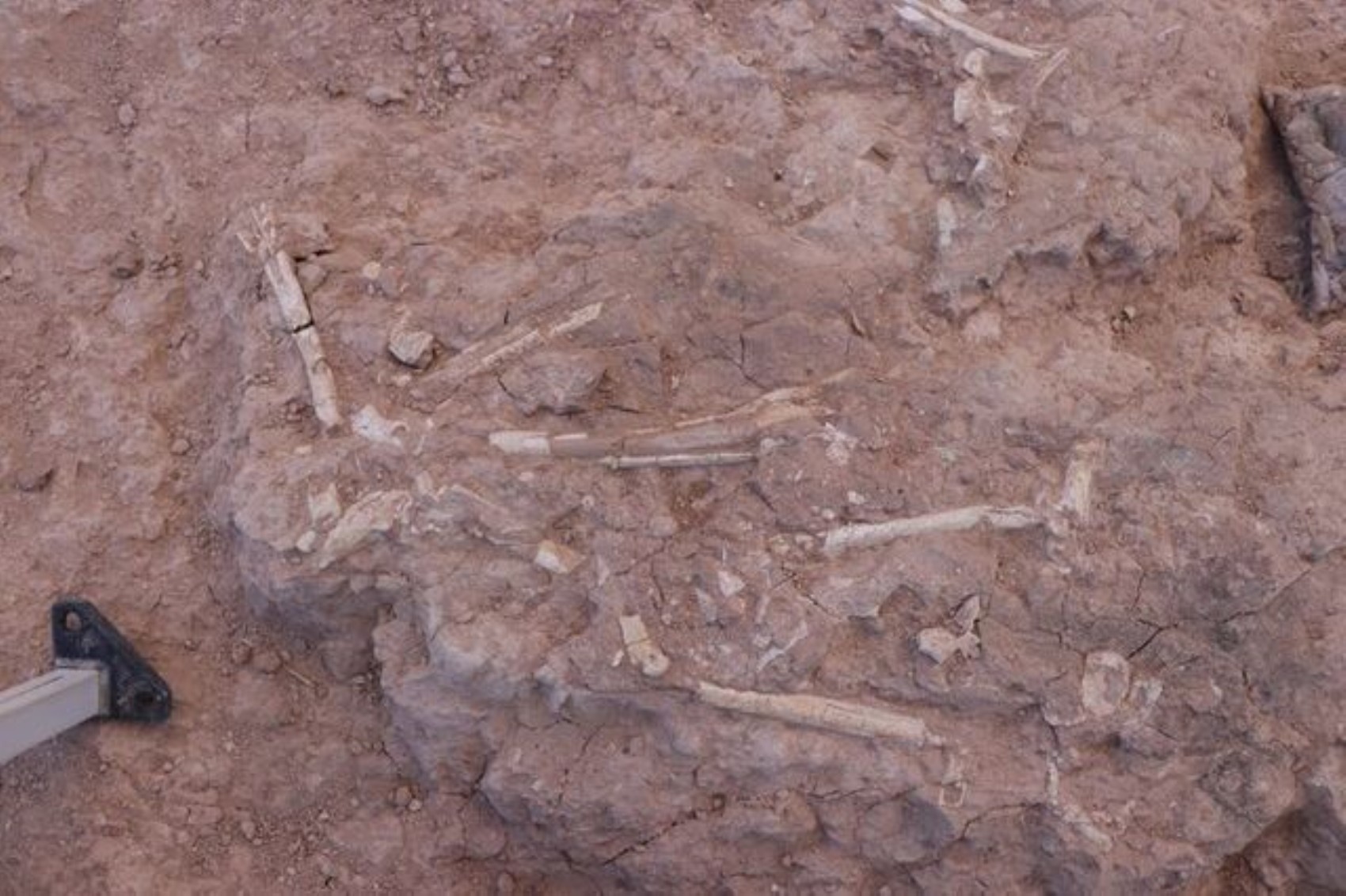
"First, we cleared the area around it, then we applied plaster. We encased it in plaster, removed it in a block, and brought it here. Now it has been cleaned, and the restoration phases will be carried out. When such beautiful examples emerge, we become even more enthusiastic. We work with even more zeal. These are our natural heritage. As a team, we are proud to contribute to this field. To date, we have unearthed nearly a thousand fossils," he said.
News Source : 12punto
Most Read

Galatasaray announces injury updates for Osimhen, Lemina, and Singo

Attention online sellers: Tax monitoring expanded

VAR for the Fenerbahçe-Beşiktaş derby has been announced!

Bridges and highways are being privatized: 15 July and FSM are also on the list

Peugeot September 2026 price list is out

New details emerge in 'panel' operation targeting lawyers

Gökçek era detail in ABB investigation

First statement from Osimhen after injury in Başakşehir match
Özlem Şanver: 'He said he would change, I believed him; should I be beaten just because I didn't leave?'

Mourinho explains why he substituted Arda Güler