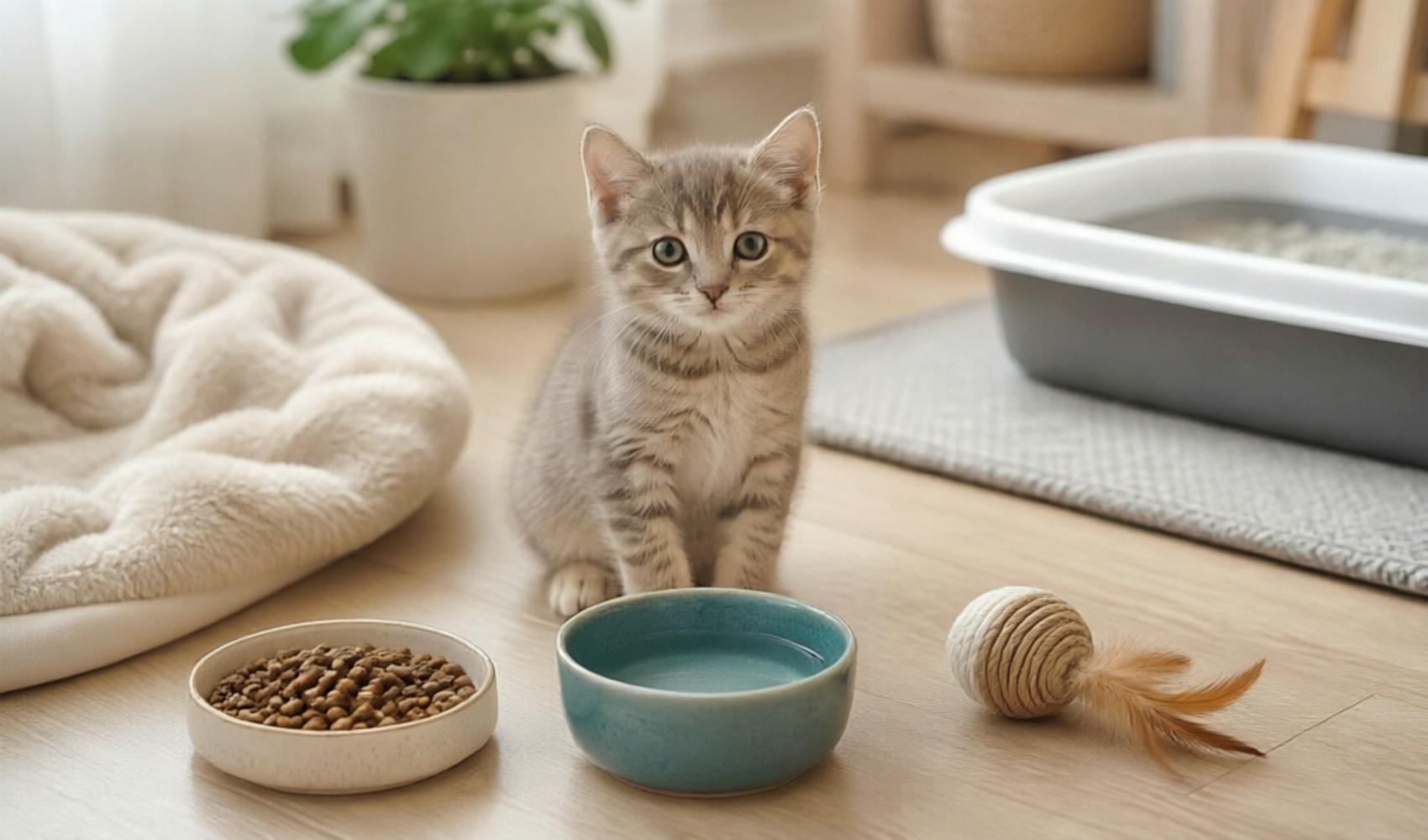
Kitten care is not just about filling a food bowl. Especially in the first few months, the immune system, digestive patterns, social behaviors, and sense of security are rapidly shaped. For this reason, when you start living with a kitten at home, nutrition, litter box habits, sleeping areas, play routines, and veterinary check-ups should be planned together.
The first step for a newly adopted kitten is a veterinary examination as soon as possible, if feasible. This examination provides guidance for age estimation, general health checks, internal and external parasite assessment, nutritional recommendations, and a vaccination plan. This check is even more critical for kittens adopted from the street, those separated from their mothers early, or those with an unknown health history.
NUTRITION AND A SAFE HOME ENVIRONMENT
The nutritional needs of kittens differ from those of adult cats. For weaned kittens, "kitten food" appropriate for their age should be chosen, as these foods are more balanced in terms of the protein, energy, vitamins, and minerals needed during the growth period. Food changes should not be made abruptly; a gradual transition should be ensured over several days.
It is not correct to give cow's milk to very young kittens that have not yet reached the weaning stage. This can lead to digestive problems. For kittens that cannot receive mother's milk, the use of cat milk replacer recommended by a veterinarian and an appropriate nursing bottle is necessary. The frequency and amount of feeding vary according to the kitten's age, weight, and general condition.
Clean water should always be accessible. Food and water bowls should be washed regularly, and the litter box should be placed in an easily accessible but separate area from the feeding area. Since kittens are curious, open windows, balconies, electrical cables, small swallowable objects, cleaning products, and some houseplants can pose risks. Creating a safe exploration area at home is one of the most effective ways to prevent accidents.
- - The sleeping area should be in a quiet, warm, and draft-free corner.
- - The litter box should be chosen with low sides and in a size that the kitten can easily enter.
- - A scratching post should be introduced early on; this directs natural scratching behavior to the right place.
- - Toys should be made of safe materials that will not break into small pieces or be swallowed.
HOW TO PLAN A VACCINATION SCHEDULE?
The vaccination schedule for kittens should not be reduced to a single template; age, mother's milk intake, living conditions, contact with other cats, and previous health history are determining factors. Therefore, the schedule must be created by a veterinarian. Nevertheless, in general practice, initial check-ups and parasite treatments usually come to the agenda in the 6-8 week period.
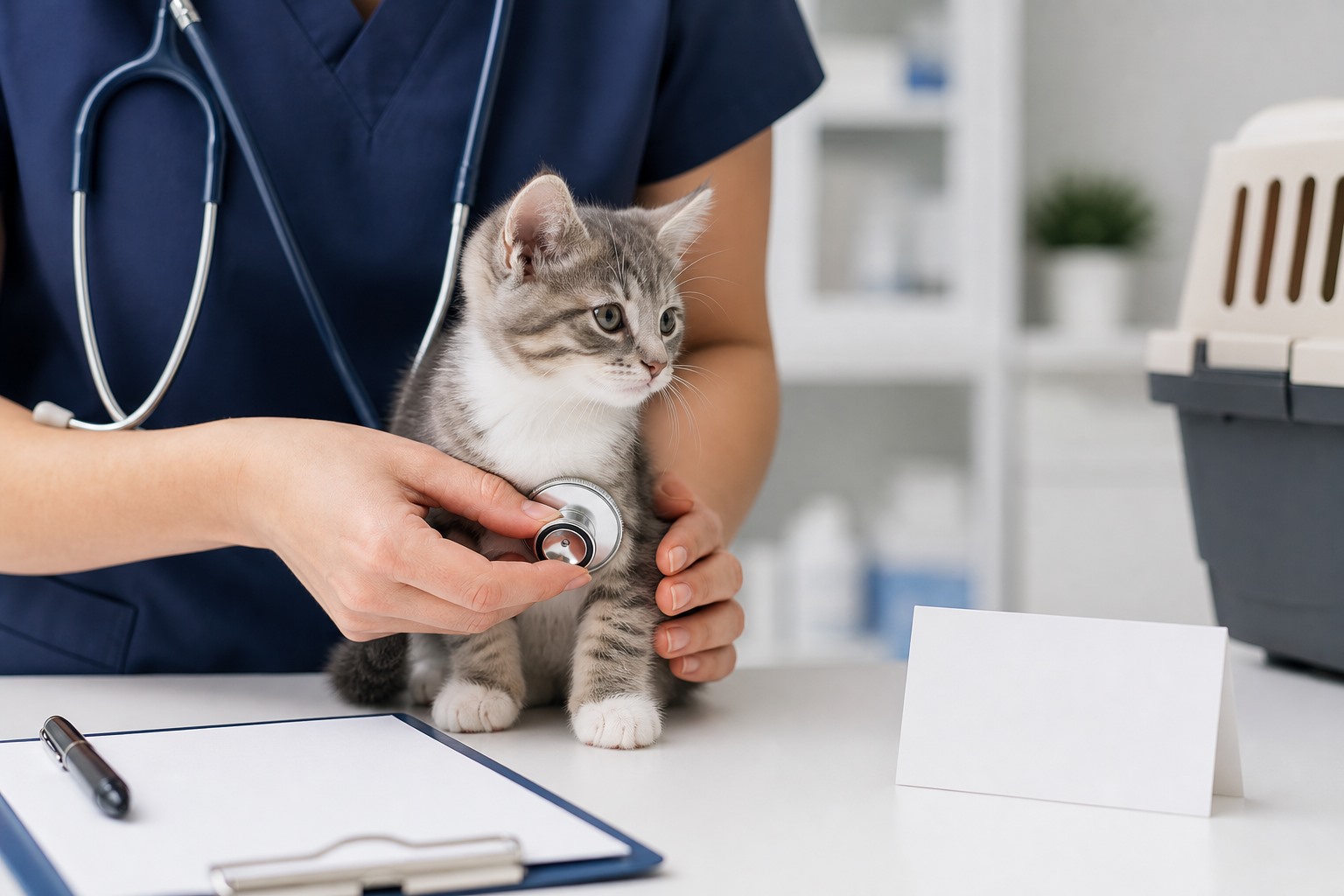
The core vaccine is usually started after the kitten reaches an appropriate state of health, and booster doses are administered at specific intervals. The rabies vaccine is planned for later weeks in most schedules. Some vaccines, such as the leukemia vaccine, may be recommended based on the cat's contact with the outside environment, living with other cats, or risk assessment. It is important to check the parasite load and ensure the kitten's general condition is suitable before vaccination.
| Period | Generally addressed applications | Note |
|---|---|---|
| 6-8 weeks | First veterinary examination, internal-external parasite assessment | Age and health status are clarified. |
| 8-9 weeks and onwards | Start of core vaccines | The veterinarian determines the intervals for booster doses. |
| 12 weeks and onwards | Rabies vaccine and additional vaccines based on risk status | Local regulations and living conditions are taken into account. |
| Throughout the kitten period | Regular weight tracking, parasite treatments, nutritional control | The schedule is updated according to the cat's needs. |
Mild lethargy or sleepiness may be observed after vaccination; however, in cases of prolonged loss of appetite, significant lethargy, vomiting, diarrhea, difficulty breathing, or swelling in the facial area, a veterinarian should be consulted without delay.
ROUTINE AND TRUST FOR HEALTHY PSYCHOLOGY
A kitten's psychological development is as important as its physical health. The relationship it builds with humans, household sounds, the litter box, the carrier, and care routines in the first few months can affect its future behavior. The basic rule in this process is to offer a safe and predictable environment rather than forcing the cat.
Play is a way for kittens to both exercise and learn. Short play sessions that support natural behaviors such as chasing, catching, and climbing can be spread throughout the day. Instead of playing rough games with hands, wand-type toys, balls, and scratching areas should be preferred. This prevents biting and scratching behavior from being reinforced incorrectly.
Punishment, shouting, or frightening methods can cause a loss of trust and stress behaviors in cats. Adjusting the environment for unwanted behaviors, redirecting attention to an appropriate toy, and rewarding correct behavior is a healthier approach. Hiding spots, high observation points, and a quiet corner where it can be left alone also reduce the cat's stress.
If there are other animals in the house, the introduction process should not be rushed. In the first few days, separate areas, scent exchange, controlled short encounters, and positive reinforcement work well. Constantly following the kitten, forcing it to be picked up, or disturbing it while it sleeps can create stress. In homes with children, it should be explained that the cat's body language must be respected.
Regular weight tracking, monitoring appetite, noticing changes in stool, and taking symptoms like eye and nasal discharge seriously are valuable for early intervention. A healthy kitten is usually curious, active, has shiny fur, and is interested in its surroundings. However, every cat's temperament is different; the important thing is to be able to notice significant changes in the cat's own normal behavior.
In conclusion, the healthiest approach to kitten care is to establish a safe home layout, age-appropriate nutrition, regular veterinary follow-up, patient socialization, and a life that makes room for the cat's natural behaviors. The right care provided in the first few months helps the cat take a step into adulthood that is more balanced both physically and psychologically.
News Source: 12punto