If the power that makes the law, enforces it, and adjudicates disputes in a country is concentrated in the same hands, against whom and where will the citizen seek their rights? The rationale for the separation of powers is hidden in this question: To secure the rights of society while granting authority to those who govern.
The legislature makes laws, the executive governs the country, and the judiciary resolves disputes and oversees compliance with the law. Assigning these duties to separate bodies aims to prevent the concentration of power in a single hand and to ensure mutual oversight.
Democracy is not just about the ballot box. Elections determine who will govern; the separation of powers ensures the limits within which the governor must remain. The majority's right to govern must be protected along with everyone's fundamental rights. Winning an election does not grant authority above the law.
This understanding developed through long struggles. The 1689 Bill of Rights in England limited the powers of the monarch. Montesquieu, in his work The Spirit of the Laws published in 1748, systematized the separation of powers as one of the guarantees of freedom. The 1787 American Constitution institutionalized this idea with mutual checks and balances. Efforts were made to shift the guarantee of governance from the good intentions of individuals to the functioning of institutions.
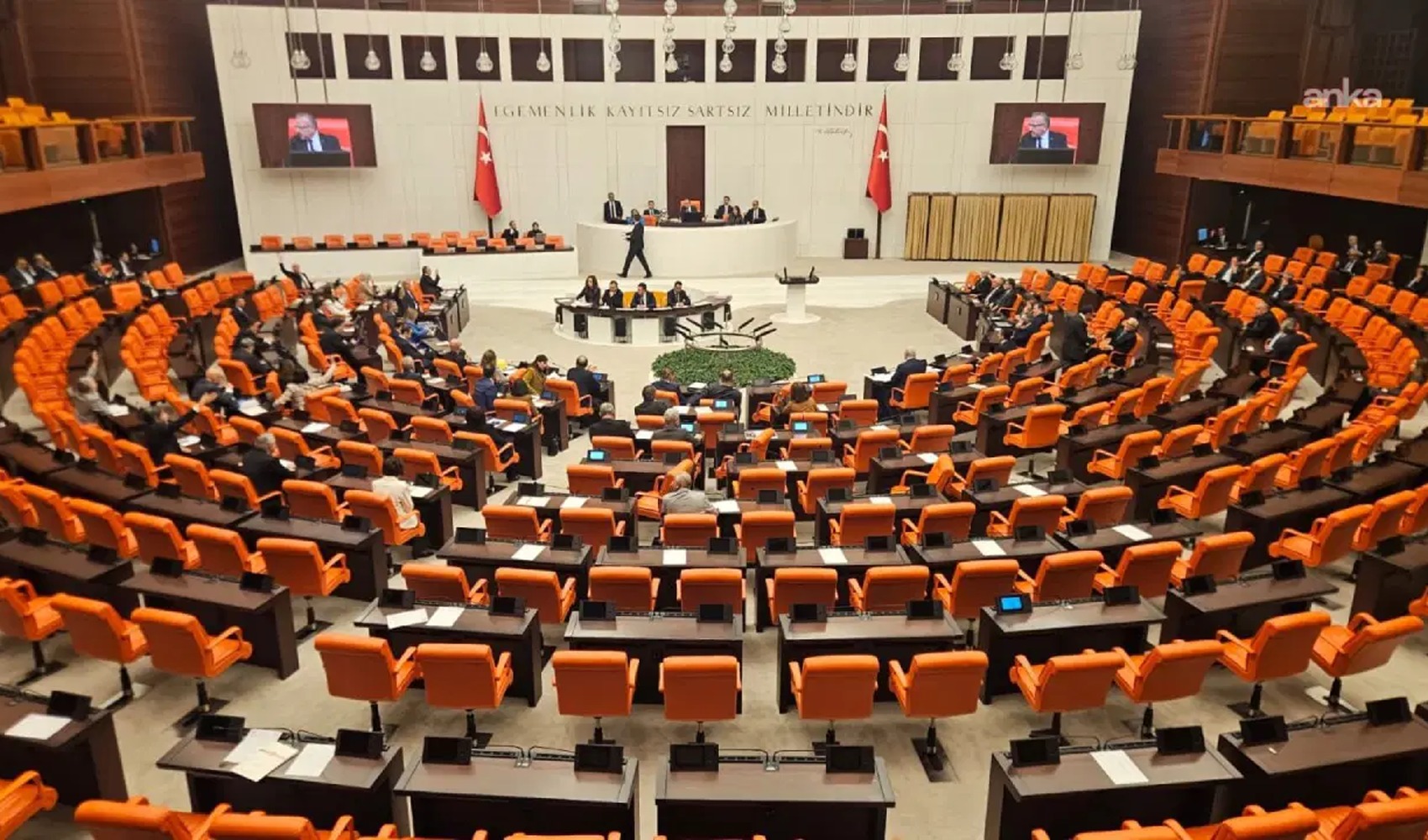
Turkey's experience during the War of Independence showed the importance of Parliament under the most difficult conditions. Even in the days when a nation was fighting a war of existence, the Grand National Assembly of Turkey (TBMM) functioned as the center where the war was managed, decisions were debated, and the government was held accountable. The structure of the 1921 Constitution, which concentrated legislative and executive power in the Parliament, was not based on the separation of powers in today's sense. However, it was based on the exercise of national sovereignty through the Parliament. This experience shows that war conditions do not make it inevitable to render the Parliament dysfunctional.
During the Republican era, the 1924 Constitution developed parliamentary functioning while maintaining parliamentary supremacy. The 1961 Constitution strengthened checks and balances with the Constitutional Court and a bicameral structure. The 1982 Constitution, on the other hand, prioritized the executive and state authority. Coups and military tutelage interrupted democratic functioning; in the past, constitutional guarantees did not always coincide with practice.
With the amendments adopted in 2017 and whose fundamental provisions regarding the executive came into force in 2018, the office of the prime minister was abolished, and executive power was concentrated in the President. Previously, the government relied on the confidence of the Parliament and could be brought down by a motion of censure. In the new system, ministers became responsible to the President. While the Parliament's legislative, budgetary, and various oversight powers continued, political oversight based on a vote of confidence and motions of censure ended.
One of the most concrete areas of oversight is the power of the purse. It is a fundamental element of national sovereignty for the people's representatives to decide on taxes and public expenditures, and then to hold the government accountable for the money spent. Examining the accounting of the implementation is as important as approving the budget.
At this point, the financial audit conducted by the Court of Accounts on behalf of the TBMM within its constitutional scope gains meaning with the Parliament's budget and final account deliberations. The internal control and internal audit mechanisms of institutions also complete accountability. However, preparing a report is not enough; findings must be evaluated, those responsible must be held accountable, and irregularities must be resolved. The authority to use public money also carries the responsibility to account for it.
Periods when war and external threat agendas come to the fore in the world are the most severe tests of all these guarantees. The need for rapid decision-making can expand the powers of the executive. However, the permanence of temporary powers, the weakening of parliamentary oversight, and the labeling of criticism as a security threat erode democracy. The existence of a real threat does not mean that every decision taken is correct.
For this reason, extraordinary powers must be time-bound, necessary, and proportionate; parliamentary and judicial oversight must be protected. The necessary confidentiality in defense spending should not leave public money unaccountable. Protecting the country's security and accounting for public resources can be carried out together.
The law that limits the government we support today will also protect our rights tomorrow against a government we oppose. For a nation that conducted a war of existence with its Parliament, democratic oversight cannot be considered a burden to be abandoned in difficult times.
News Source: 12punto