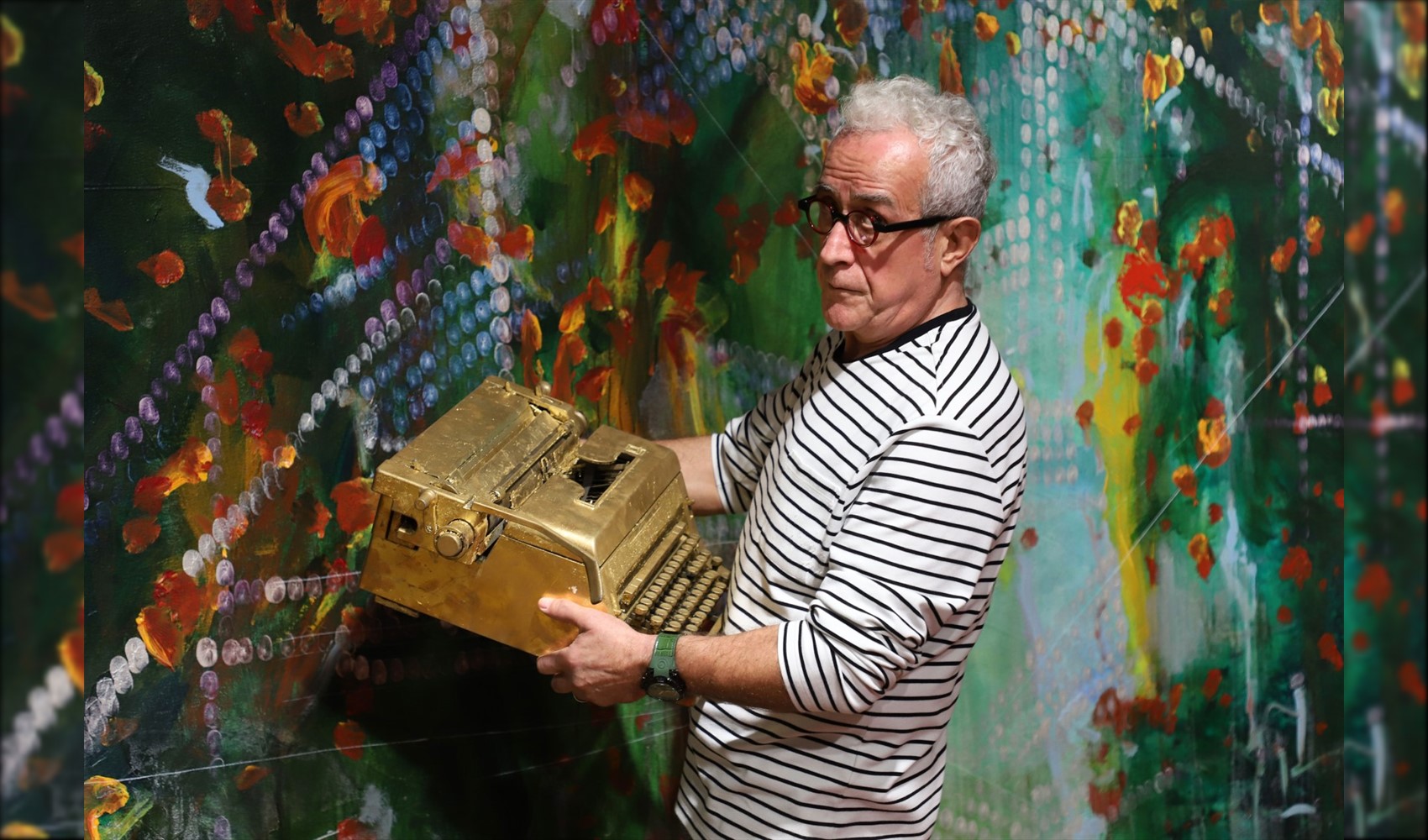
Artist Erkan Özdilek’s exhibition titled “Layers of Time” opens its doors on October 15 at the Atatürk Cultural Center (AKM) in Taksim. The exhibition, which can be visited until October 30, will feature seven large-scale works produced by the artist during different periods.
Presenting a selection from Özdilek’s artistic production spanning over half a century, the exhibition brings together the intellectual approach the artist has developed regarding humanity, nature, and existence.
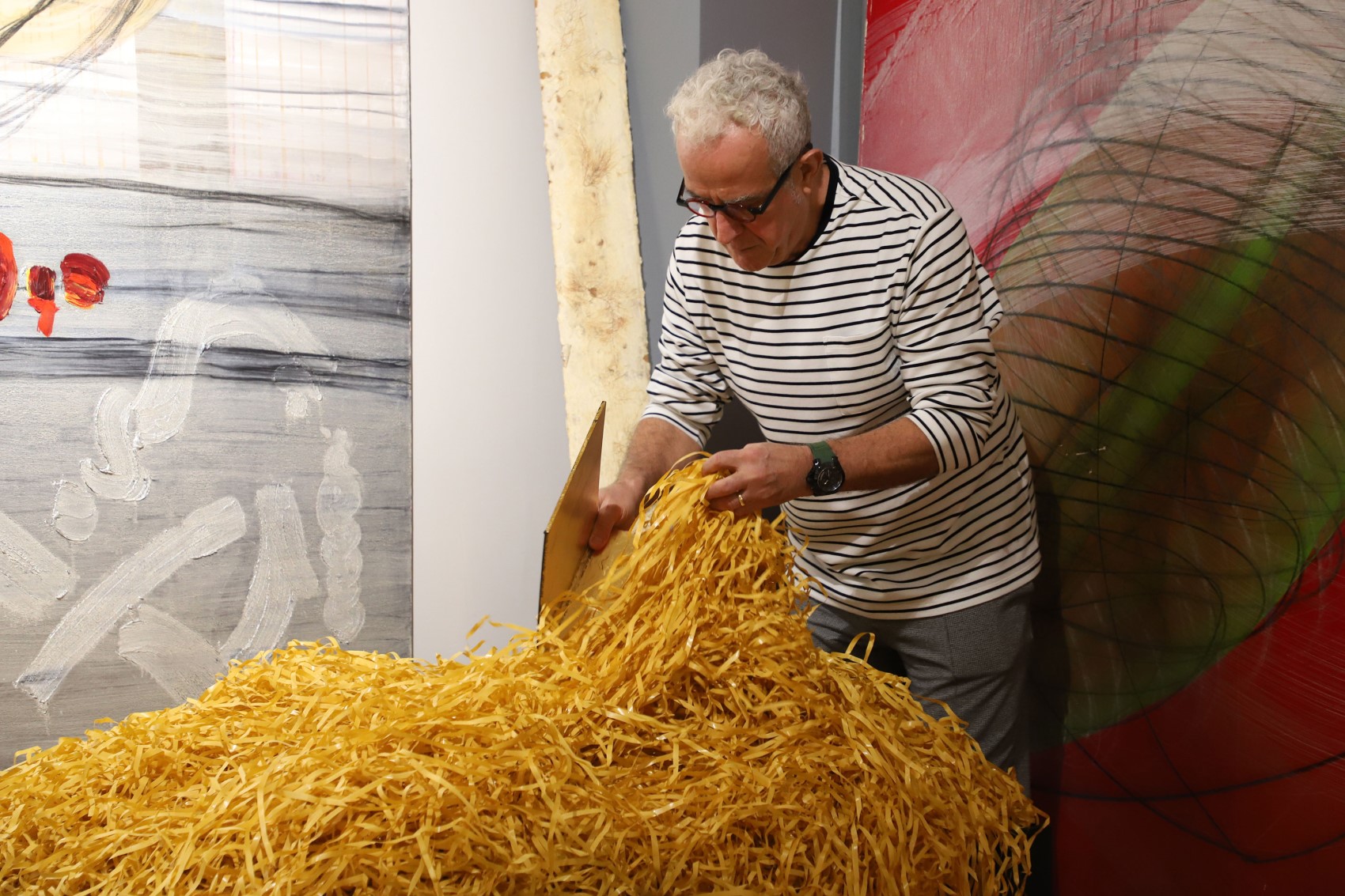
WAR, PEACE, AND THE VALUE OF HUMANITY AT THE CENTER OF ART
Erkan Özdilek, who makes intensive use of materials such as gold, silver, and oil in his works, questions the contradiction between the endless ambitions of the material world and the value of human beings. In the artist’s works, the contrast between war and peace, the human life lost in these processes, and the common experiences of humanity come to the fore.
Through his works, Özdilek draws attention to the importance of remaining human despite all difficulties. Developments in different geographies of the world, as well as the effects of hunger and wars, especially on children, hold an important place in the artist’s production philosophy.
Explaining his understanding of art, Özdilek states that an artist cannot remain indifferent to what is happening in the world and uses the following expressions:
“Everything that happens in the world concerns the artist, disturbs the artist. Our job is to reflect life; the children in Gaza and hunger anywhere in the world should also be within the artist’s field of interest.”
Özdilek states that he creates his works by approaching the world with this perspective during the production process.
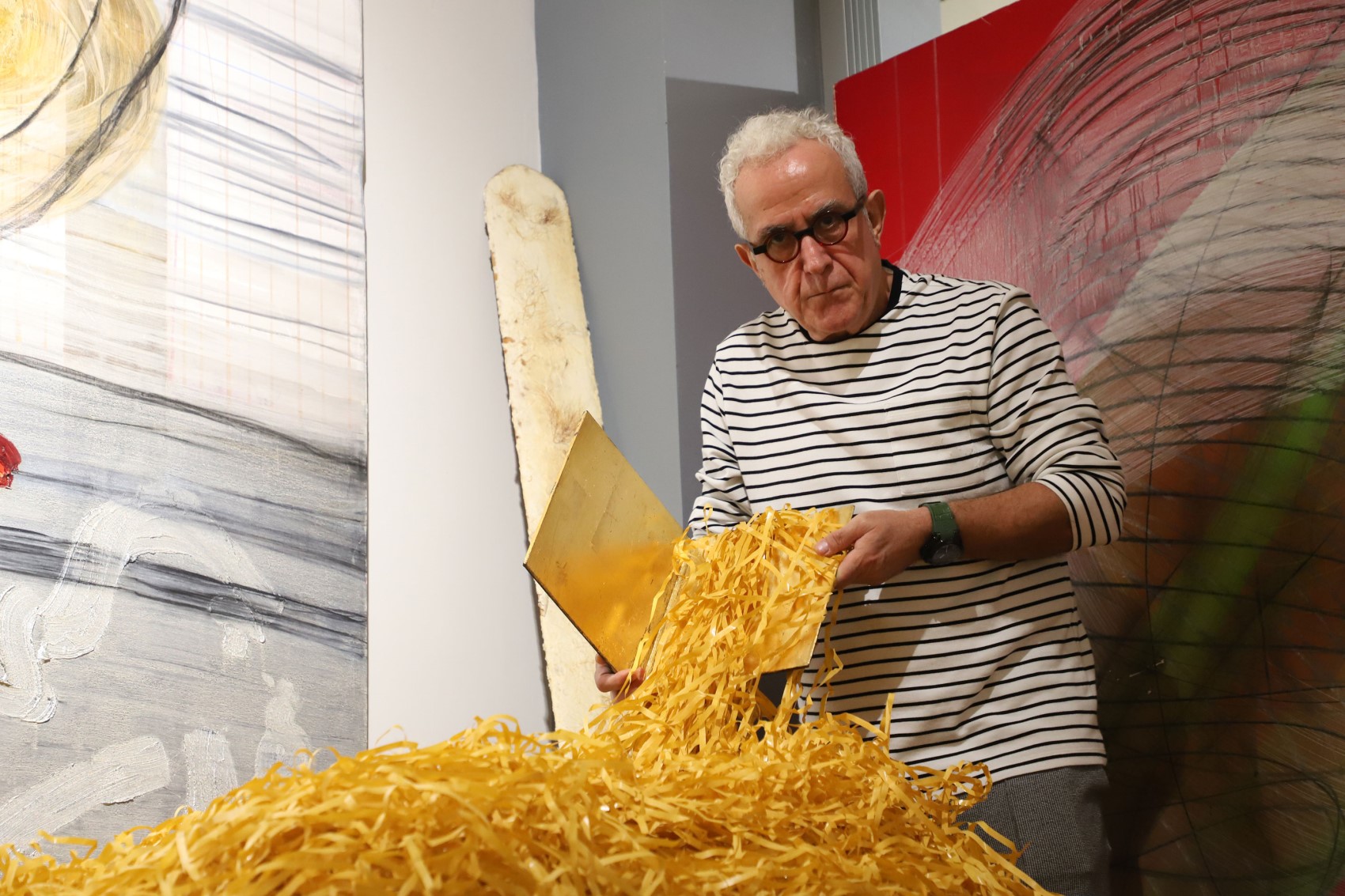
Berna Demirhan, who serves as the curator of the exhibition, states that Erkan Özdilek has resolutely maintained his unique style throughout his artistic journey of over 50 years.
Pointing out that the artist has patiently developed his productions over time, Demirhan emphasizes that a holistic philosophy centering on human life stands out in his works.
Stating that Özdilek questions the relationship between morality and existence and examines the cycles of nature through connections between the macro and micro cosmos, Demirhan expresses that the artist’s works focus on the transformation processes of life.
According to curator Demirhan, Özdilek reopens the discussion on the meaning of being human with his quest to understand the essence of existence. The artist’s approach offers a perspective that centers on life in the face of established historical narratives.
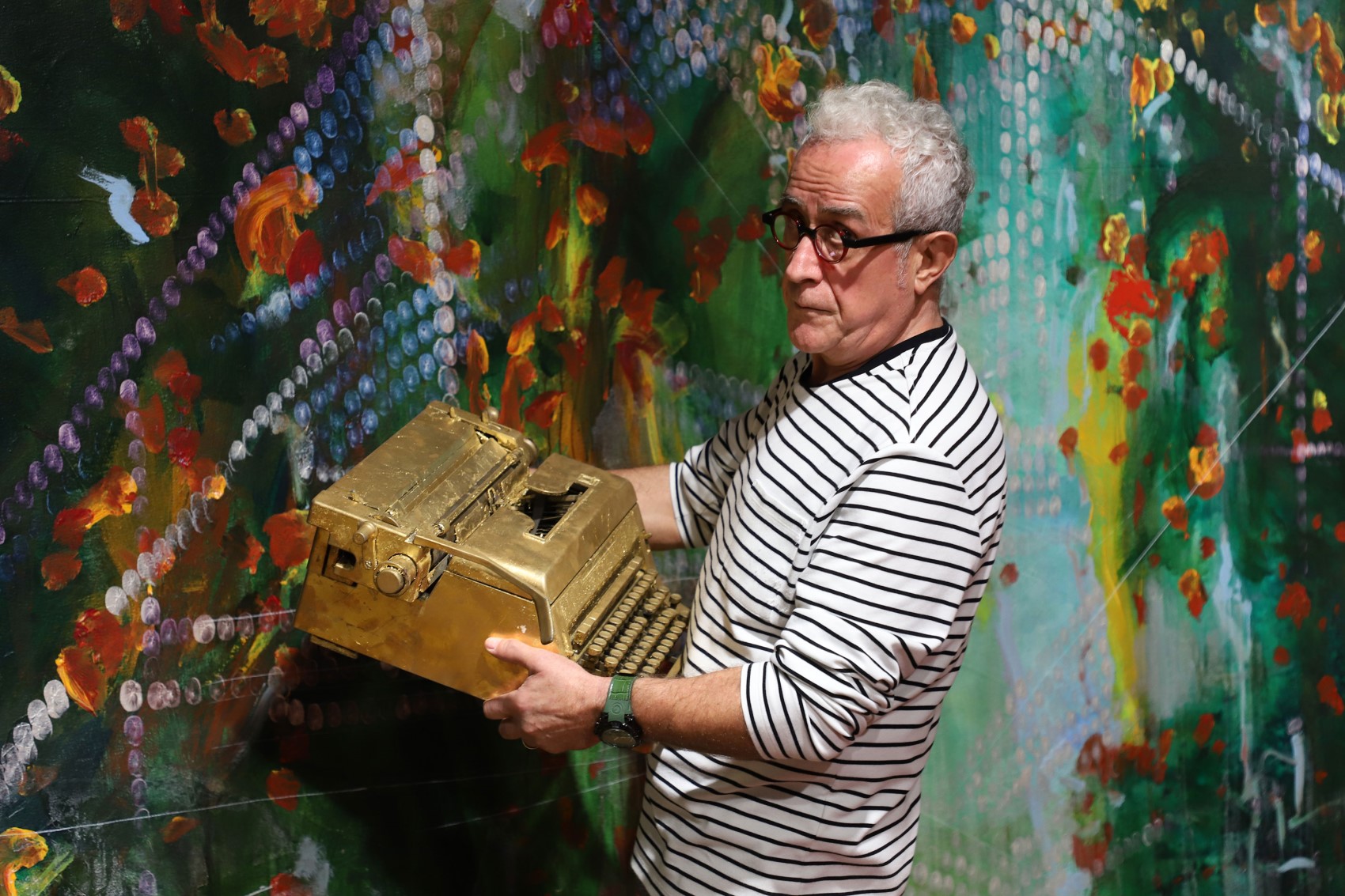
WHO IS ERKAN ÖZDİLEK?
Born in Kayseri in 1959, Erkan Özdilek graduated from the Marmara University Faculty of Fine Arts, School of Applied Fine Arts in 1982. In the same year, he won the Achievement Award at the State Painting and Sculpture Exhibition.
Starting to work as a research assistant in the Graphic Design Department of Marmara University in 1988, Özdilek completed his master’s and doctoral studies at the Marmara University Institute of Social Sciences.
The artist was accepted to the Salzburg Academy many times with a scholarship. He carried out projects in Vienna for five months with a scholarship provided by the Austrian government. Between 1994 and 1996, he conducted studies in Düsseldorf and Berlin with a scholarship from the German government.
Having retired from the Marmara University Faculty of Fine Arts, Özdilek continued his educational activities as a faculty member at the Maltepe University Faculty of Fine Arts. The artist, who has taught contemporary art and aesthetics for the last eight years, also gave lectures in the fields of graphics, ceramics, interior architecture, and industrial products in addition to basic art education at Marmara University. He also trained students at Beykent and Okan universities.
Signing numerous utopian projects with a conceptual framework, Özdilek also carries out land art projects in the geography where he lives. Three of the artist’s works are planned to be exhibited at the COP31 summit to be held in November.
The “Layers of Time” exhibition can be visited at the Atatürk Cultural Center between October 15 and 30, 2026.
News Source: 12punto