

How did Atatürk define the nation?
Mustafa Kemal Atatürk’s definition of the Turkish nation is clear: “The people of Turkey who founded the Republic of Turkey are called the Turkish nation.” In Atatürk’s definition of the nation, the elements of land and culture come to the fore. Unity of history, unity of culture, destiny, future, and unity of ideals are essential. Our columnist Barış Doster examined the question of ‘How did Atatürk define the nation?’ in depth.



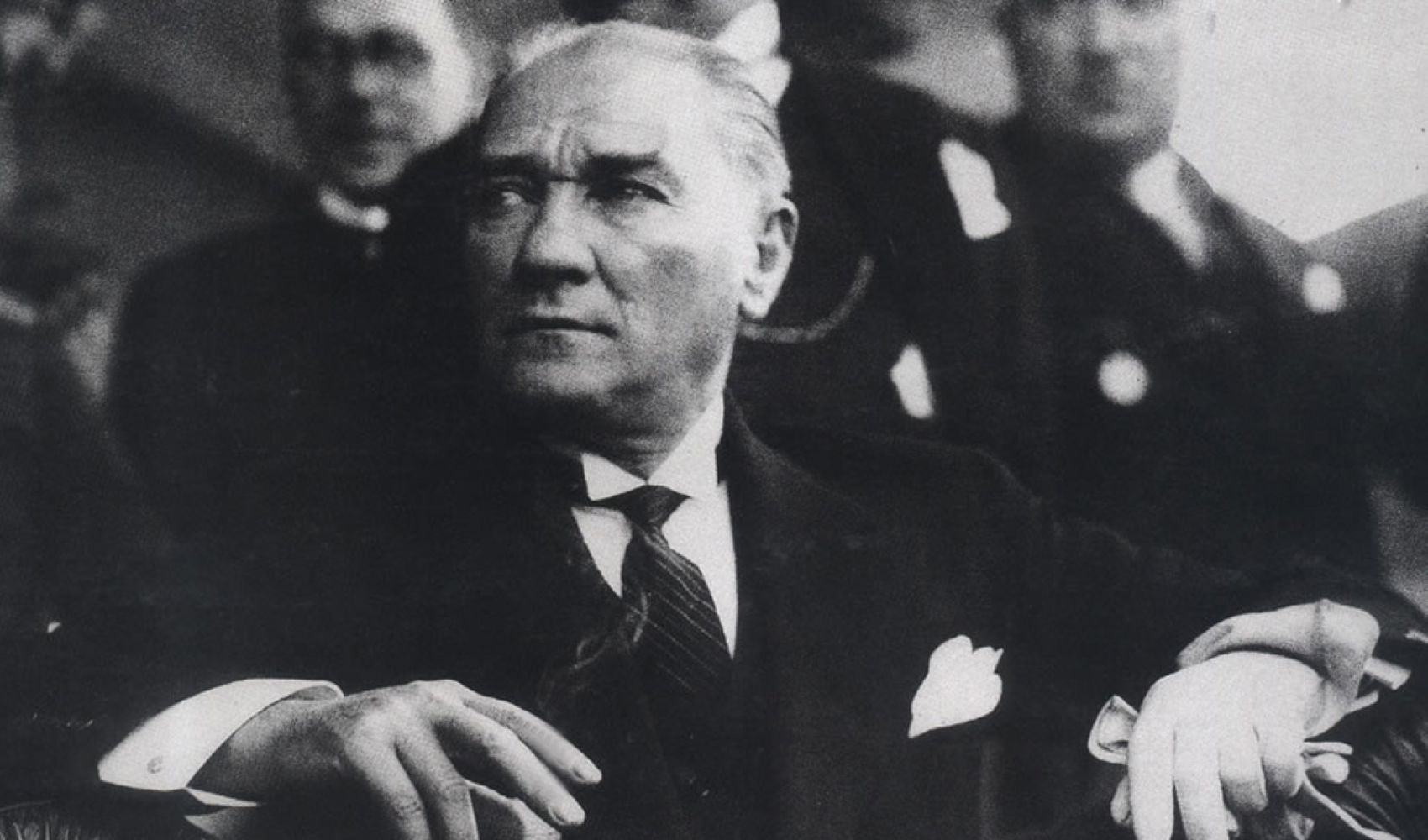
12punto.com.tr columnist Barış Doster has written an in-depth article answering the question, ‘How did Atatürk define the nation?’ Here is Doster’s article:
"In Atatürk’s definition, ‘the people of Turkey who founded the Republic of Turkey are called the Turkish nation.’ In other words, the Turkish people became a nation by fighting and establishing a Republic. They became a nation while becoming a state, and became a state while becoming a nation. Therefore, our Republic is one that emerged at a historical turning point, one that seeks to lean not on ethnic origin, sect, blood ties, race, or place of birth, but on political consciousness, common longing, desire, grief, sorrow, destiny, fate, expectations, and a bond of the future.
Language, history, and geography are important
Atatürk’s definition of the nation is based on this. Just like the concept of Anatolia and the geography of Anatolia, this definition carries a claim of a Republic and a nation that is generous, wrapping, enveloping, grasping, and embracing with the warmth and devotion of a mother. The definition of the nation and the bond of citizenship are directly related to national consciousness, as well as historical, cultural, and social sensitivity and solidarity. Language, history, and geography are important. These three concepts are not just the name of a faculty affiliated with Ankara University. They are decisive in terms of the formation of national identity.
The history of the Turks does not begin with the Seljuks and Ottomans
In Atatürk’s definition of the nation, the elements of land and culture come to the fore. Unity of history, unity of culture, destiny, future, and unity of ideals are essential. It is a synthesis of common history, common language, and common culture. Atatürk also made a revolution in the Turkish History Thesis. He opposed the view that began the history of the Turks with the Seljuks and the Ottomans, and emphasized that this history should be based on a holistic understanding that begins with the Orkhon inscriptions, and even before that.
Atatürk viewed Turks outside of Turkey as part of both the Turkic world and, on a broader scale, the oppressed nations. He did not make distinctions of religion or sect when approaching them.
There are no subjects of the Republic, only citizens
The Republic values the identity of the citizen and the identity of the nation. What is aimed at with the Republic is to create the citizen of a secular, democratic republic from the subject of a theocratic, monarchical empire. Citizenship gained meaning with the nation-state. It came to life with the Republic. Because the Republic has no subjects or disciples, only citizens. For this reason, the Republic maintains a distance from sub-identities, religious orders, communities, and affiliations that are remnants of the Middle Ages or vestiges of feudalism. It does not engage with them. It only and exclusively engages with the citizen."
News Source: 12punto
Related News
Most Read

Galatasaray announces injury updates for Osimhen, Lemina, and Singo

Attention online sellers: Tax monitoring expanded

VAR for the Fenerbahçe-Beşiktaş derby has been announced!

Bridges and highways are being privatized: 15 July and FSM are also on the list

Peugeot September 2026 price list is out

New details emerge in 'panel' operation targeting lawyers

Gökçek era detail in ABB investigation

First statement from Osimhen after injury in Başakşehir match

Özlem Şanver: 'He said he would change, I believed him; should I be beaten just because I didn't leave?'

The Süper Lig's new team becomes the transfer champion