

'Bones' that change what is known about the Paleo diet
Examinations of bones dating back to the Stone Age have revealed that, contrary to popular belief, people of this period placed importance on plant-based nutrition.



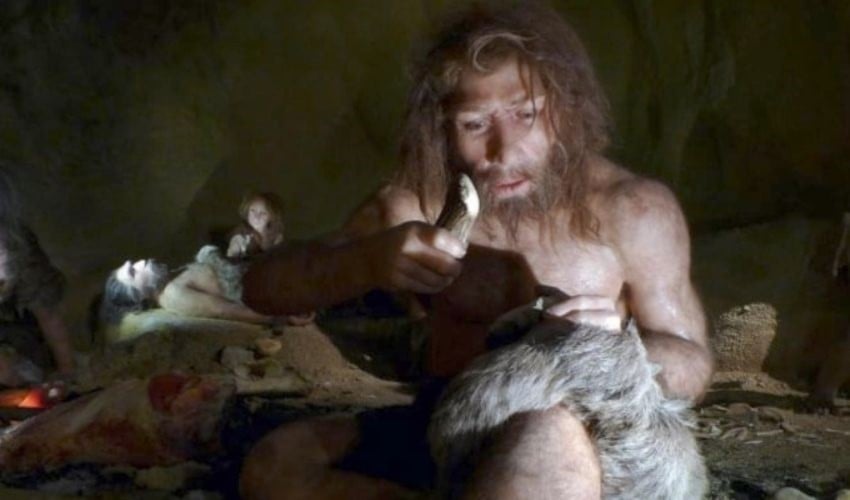
In a study recently published in the scientific journal PLoS ONE, bones belonging to 24 individuals unearthed from the Wilamaya Patjxa and Soro Mik'aya Patjxa excavation sites in the Altiplano in southeastern Peru were examined.
COULD CHANGE WHAT IS KNOWN ABOUT THE PALEO DIET
Randy Haas from the University of Wyoming, who led the study, said the following regarding the findings:
It is widely believed that early human communities focused on hunting. This has created high-protein dietary trends like the Paleo diet. However, our analyses showed that 80 percent of these people's diet consisted of plant matter on average, and 20 percent of meat.
According to the study reported by Independent Türkçe, data obtained from bones approximately 9,000 years old could change what is known about the Paleo diet, which is also advocated by doctors such as Canan Karatay and Ahmet Aydın and is said to conform to the diet of early humans.
Haas reported that the group in the Altiplano were hunter-gatherers who lived between 9,000 and 6,500 years ago and were previously thought to have had a meat-heavy diet. However, the examination determined that 70 to 95 percent of their food consisted of plants.
The researcher, who said he was "shocked" when he saw the results, stated that the majority of the group's diet consisted of a food called "tuber," which is considered a cousin of the potato.

Herman Pontzer from Duke University stated that the research makes a positive contribution to studies showing that nutritional habits in the prehistoric period were very diverse.
Pointing out that there is no single type of Paleo diet, Pontzer said that Stone Age communities generally consumed the resources they could access in their environment, and that their dietary patterns could change according to the seasons and whether resources were depleted.
The academic said, "Humans have eaten in a truly wide variety of ways, as far as we can understand so far. Therefore, they can be successful on any kind of diet. Stick to the diet that works for you. However, such revisionist approaches to the past made to support some dietary choices should decrease."
Stone Age nutrition had inspired other similar diets
In modern nutrition, the Paleo diet was developed by American gastroenterologist Walter L. Voegtlin. Ahmet Aydın's book, "Stone Age Diet: The Bedside Book of Proper Nutrition," published in 2009, also helped the diet become popular in Turkey. Canan Karatay published the Karatay Diet book, which is built upon this work, in 2011.
News Source: 12punto
Related News


Most Read

Galatasaray announces injury updates for Osimhen, Lemina, and Singo

Attention online sellers: Tax monitoring expanded

VAR for the Fenerbahçe-Beşiktaş derby has been announced!

Bridges and highways are being privatized: 15 July and FSM are also on the list

Peugeot September 2026 price list is out

New details emerge in 'panel' operation targeting lawyers

Gökçek era detail in ABB investigation

First statement from Osimhen after injury in Başakşehir match

Özlem Şanver: 'He said he would change, I believed him; should I be beaten just because I didn't leave?'

The Süper Lig's new team becomes the transfer champion