

How do planes land at night? Here are the systems and technologies used
Night flights and how aircraft see the runway at night are topics of curiosity. The question of how planes navigating the sky in pitch darkness find their way and how pilots see what is in front of them is wondered by many who are not involved in aviation. However, modern air transport has made night flights extremely safe thanks to advanced lighting systems and precise navigation technologies. So, how do planes maintain visibility at night, and how do they land? Which systems are used? Here are the details...



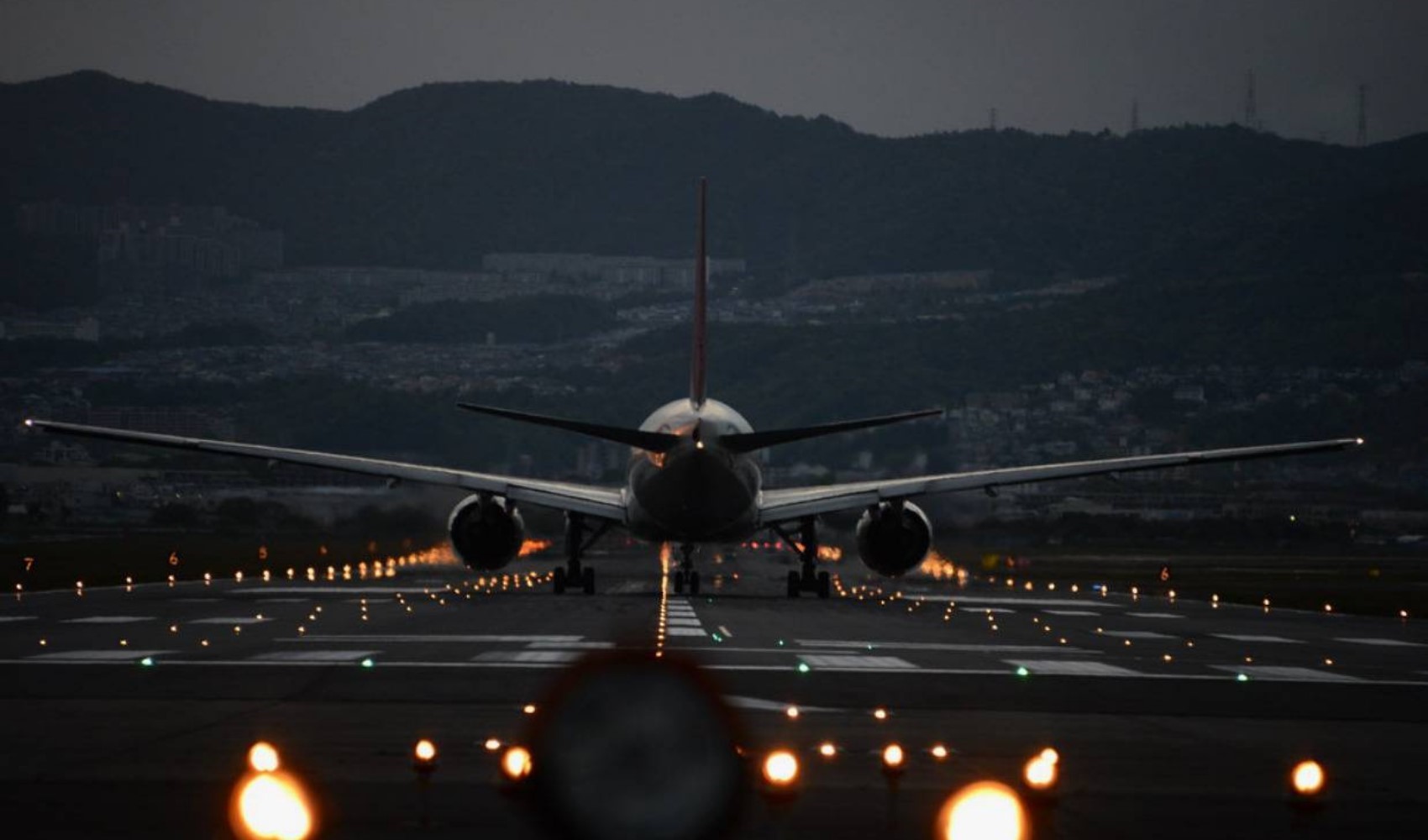
How pilots see what is in front of them and the runway during night flights is one of the most curious topics in aviation. To ensure night visibility and conduct a safe flight, pilots use cockpit lighting, advanced display systems, radars, and ground-based navigation signals. Here are some of the key systems that make night flights possible:
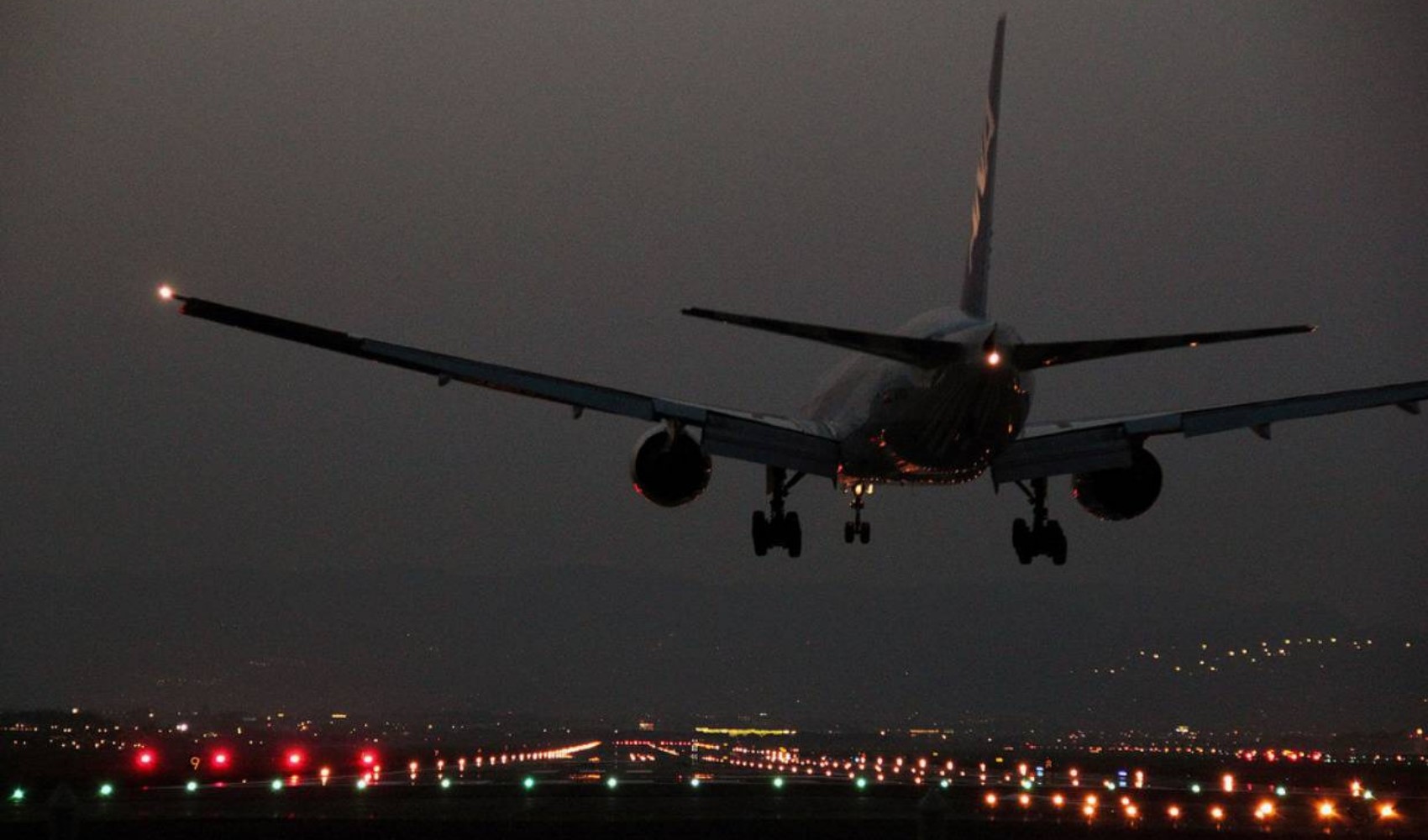
LIGHTING SYSTEMS
Wing Tip Lights: Located on the wingtips of aircraft and emitting a powerful light forward, this system is used during taxiing and takeoff.
Nose Lights: Placed on the front of the aircraft and providing illumination forward and downward, these lights assist pilots while moving on the runway and during landing.
Instrument Panel Lights: These are soft lights that increase the readability of the instrument panels inside the cockpit.
Cabin Lighting: These are lights used for passenger comfort, assisting during reading or dining.

NAVIGATION AND VISION SYSTEMS
Aviation Radar: This is a radio wave system used to detect obstacles in front of the aircraft and other aircraft.
Instrument Flight Rules (IFR): This is a system that allows pilots to find their way safely using only the aircraft's internal instruments.
Night Vision Imaging Systems (NVG): Thanks to specially designed goggles, these help pilots see better in low-light conditions.
Autopilot and GPS: In modern aircraft, a large portion of the flight can be managed automatically thanks to autopilot systems and the Global Positioning System (GPS).

GROUND-BASED NAVIGATION SYSTEMS
GPS (Global Positioning System): This is a satellite-based system used to determine the aircraft's position on Earth.
VOR (VHF Omnirange Radio): This is a system that works with radio signals and helps aircraft determine their direction via specific stations.
DME (Distance Measurement Equipment): This is a system that calculates the aircraft's distance to a point.
NDB (Non-Directional Beacon): This is one of the navigation aids that allows pilots to orient themselves toward a specific radio signal.
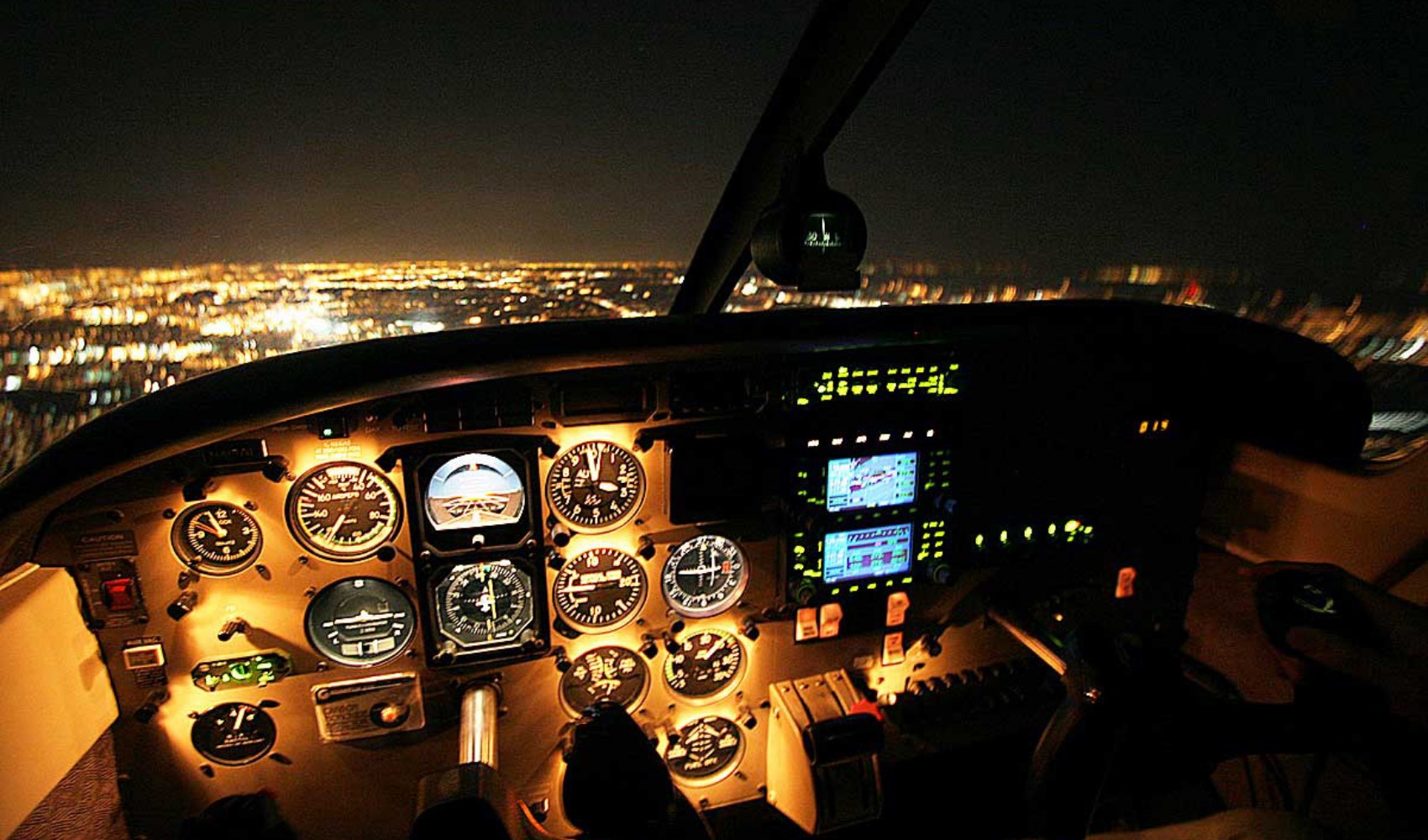
NAVIGATION SYSTEMS USED DURING LANDING
ILS (Instrument Landing System): This is a system that ensures safe landing at airports and consists of two main components:
Localizer: Ensures the aircraft is aligned with the runway centerline.
Glide Slope: Ensures the aircraft touches down at the correct angle and at the correct point on the runway.
IRS (Inertial Reference System): Determines latitude and longitude coordinates on Earth through an alignment process that lasts a few minutes before the aircraft moves. This information is shared with other navigation systems, and the aircraft follows its route safely.

When all these systems come together, night flights pose no visual difficulty for pilots. Thanks to radars, autopilot, navigation systems, and lighting, aircraft can travel safely throughout the night.
News Source: 12punto
Most Read

Galatasaray announces injury updates for Osimhen, Lemina, and Singo

Attention online sellers: Tax monitoring expanded

VAR for the Fenerbahçe-Beşiktaş derby has been announced!

Bridges and highways are being privatized: 15 July and FSM are also on the list

Peugeot September 2026 price list is out

New details emerge in 'panel' operation targeting lawyers

Gökçek era detail in ABB investigation

First statement from Osimhen after injury in Başakşehir match

Özlem Şanver: 'He said he would change, I believed him; should I be beaten just because I didn't leave?'

The Süper Lig's new team becomes the transfer champion