

Les Pradelles findings in France strengthen the possibility of recurring cannibalism among Neanderthals
A re-examination of bones in the Les Pradelles cave has shown that Neanderthals may have dismembered their own kind during different periods.



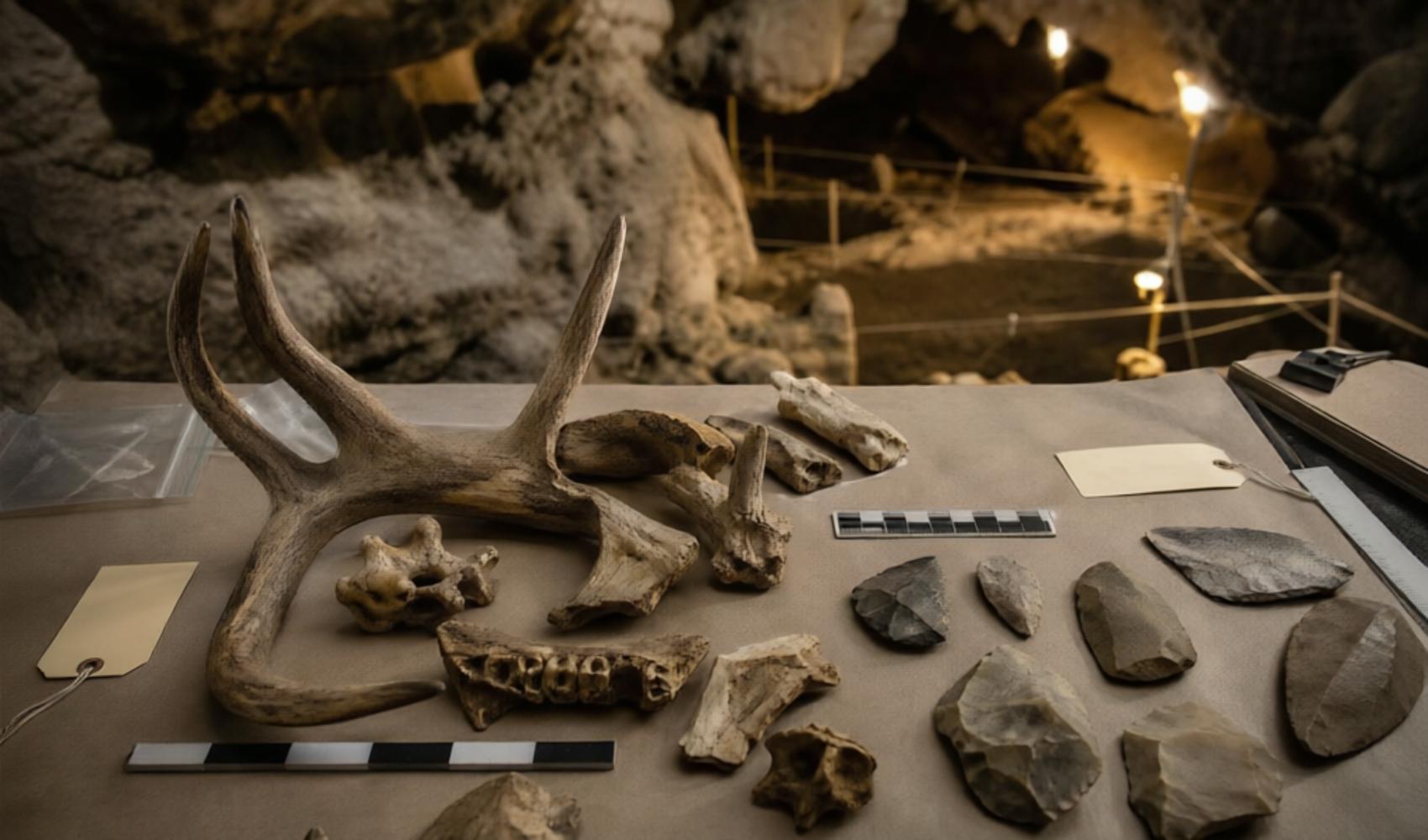
A new examination of Neanderthal remains found in the Les Pradelles cave in France has strengthened the possibility that communities living in the region approximately 60,000 to 50,000 years ago may have dismembered bodies of their own species during at least three different periods.
In the research published in the Journal of Quaternary Science, previously excavated bone collections in the cave were re-evaluated. To date, more than 20,000 reindeer bones and remains belonging to at least eight Neanderthal individuals have been identified at Les Pradelles. This picture suggests that the site was primarily used as a short-term camp where hunted animals were butchered and processed.
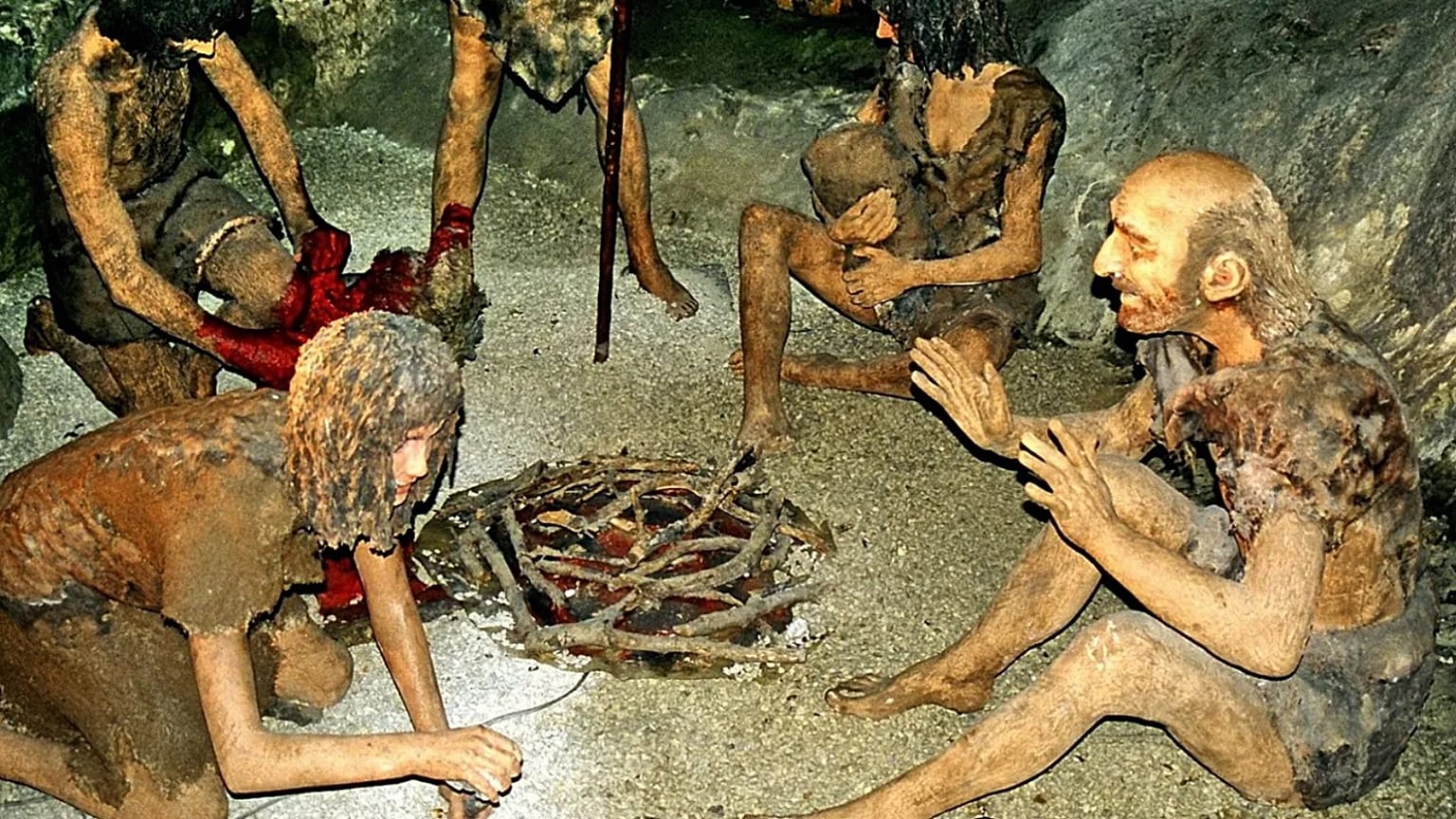
One of the points highlighted by the researchers is the presence of cut and dismemberment marks made with stone tools on some Neanderthal bones. The fact that these marks are seen on the remains of children as well as adults supports the view that the bones were processed by human hands rather than solely by natural processes.
FIVE MORE BONES IDENTIFIED
In the latest study, five previously unidentified Neanderthal bones were determined. It was established that these bones were broken while fresh; however, no cut or butchery marks were observed on them. Therefore, no definitive conclusion can be drawn as to whether these individuals were also consumed.
Among the findings, the extraordinary density of skull fragments also stands out. Skulls, jawbones, and teeth make up more than half of the hominid remains found in the cave. According to the researchers, the high proportion of human skull fragments compared to other bones is one of the signs that has been taken into account in past assessments of cannibalism.
The authors of the study state that the Neanderthal bones showing butchery marks were not concentrated in a single sediment layer but were spread across different layers. This suggests that the remains may not be the result of a single event and that "at least three separate cannibalism events" may have occurred in the cave at different times.
However, the researchers emphasize that the possibility of cannibalism does not mean it played a major role in the basic diet of Neanderthals. The tens of thousands of animal bones at Les Pradelles reveal that the main food source in the region was wild animals, especially reindeer.
According to experts, although the marks on the bones strengthen the possibility of cannibalism, other explanations such as funeral practices or ritual processing have not been completely ruled out. Therefore, while the study offers important clues about the behavioral world of Neanderthals, it opens the door to new questions rather than providing a definitive verdict.
News Source: 12punto
Most Read

30-day deadline for YENİ Party from the Constitutional Court

Turkish National Football Team loses to Italy for the 12th time

Statement from Pasifik GYO regarding the fund investigation

We looked, we felt sad, we shared, we talked a bit; then we moved on to the next news story

Fatma Betül Sayan Kaya breaks her silence

What are we going to do about the smell?

Will the 'ballot-box monarchy' collapse? What will replace it?

Criminal complaint filed against Erdoğan, Mehmet Şimşek, and Fatma Betül Sayan Kaya

MHK President Ferhat Gündoğdu and 6 others detained

Netanyahu's visit to the UAE confirmed