SpaceX has made a new frequency move to structure its Starlink Mobile service to compete with major mobile operators in the US. The company has reached an agreement with Grain Management to purchase frequency licenses in the 800 MHz band.
The plan aims to go beyond a mobile service based solely on satellite connectivity. SpaceX's goal is to build a network that can compete more directly with operators like T-Mobile, AT&T, and Verizon by combining the satellite network with terrestrial mobile infrastructure in the same system.
Under the agreement, SpaceX is expected to acquire up to 14 MHz of paired frequency spectrum in the 800 MHz band. It is stated that these frequencies cover the 817-824 MHz and 862-869 MHz ranges. The financial terms of the agreement were not disclosed.
The US Federal Communications Commission (FCC) has approved Grain Management's acquisition of these frequencies from T-Mobile. However, final approval from the regulatory body is required for the transaction between SpaceX and Grain Management to be completed.
CRITICAL BAND FOR INDOOR COVERAGE
Low frequencies like 800 MHz can pass through obstacles such as buildings and walls better than high frequencies. For this reason, the new spectrum is expected to help Starlink Mobile provide more stable service, especially indoors and in areas where satellite connectivity is weak.
SpaceX emphasizes that a significant portion of existing mobile devices support this frequency band. This shows that the company is trying to strengthen the technical foundation so that users can benefit from the Starlink Mobile service without having to change to a special device.
Terrestrial transmitters also play an important role in the company's strategy. SpaceX plans to expand its coverage area by utilizing terrestrial infrastructure in locations where satellite connectivity cannot provide direct service or where performance drops.
Another pillar of the Starlink Mobile plan is second-generation satellites. The FCC has approved SpaceX's application to launch 15,000 V2 Starlink Mobile satellites. It is stated that the new generation satellites could offer more than 100 times the bandwidth of the current system.
By using the new low-frequency spectrum and the second-generation satellite network together, SpaceX aims to become an operator that evaluates both satellite and terrestrial frequencies in the same system. This model is intended to help maintain connectivity in regions that traditional networks cannot reach.
The company's frequency investments are not limited to this. Last year, SpaceX planned to acquire additional radio frequencies by making a $20 billion deal with EchoStar. The spectrum to be acquired from EchoStar, the parent company of Boost Mobile, is also expected to increase Starlink Mobile's capacity.
However, completing this process will take time. According to the current schedule, the closing of the EchoStar deal is projected to take place in November 2027. Additionally, phone manufacturers integrating chipsets that support the relevant frequencies into their devices may require a separate transition period.
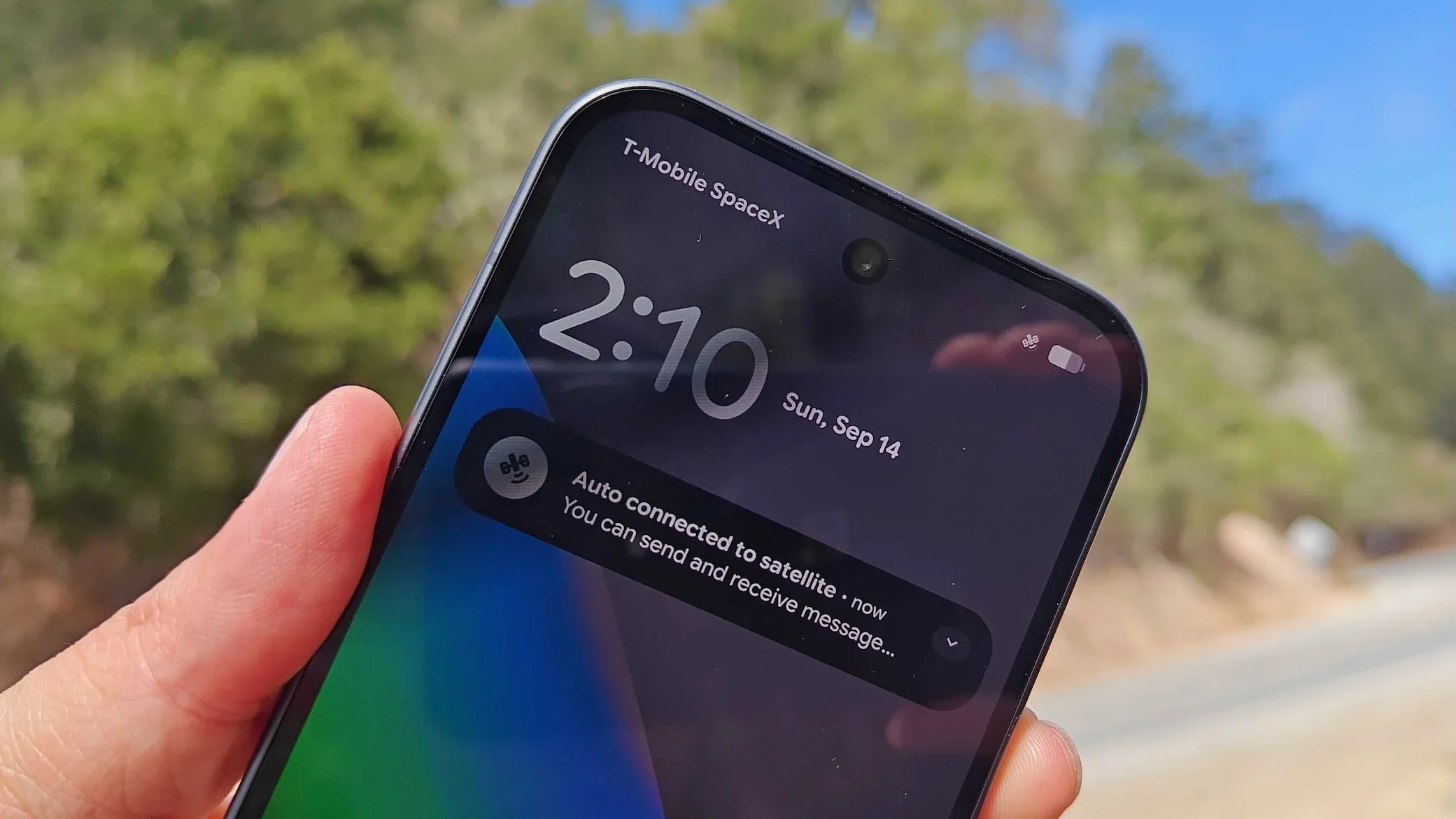
It is not yet clear when Starlink Mobile will turn into an independent mobile operator under the SpaceX brand in the US. Today, the current version of the service is offered by T-Mobile under the name T-Satellite. It is reported that this system, which consists of approximately 650 satellites, can provide connectivity at a level of approximately 4 Mbps.
SpaceX's move toward becoming an independent operator also raises new questions about the future of the existing partnership with T-Mobile. Nevertheless, FCC decisions and new frequency agreements strengthen the company's plan to be a more ambitious player in the mobile communications market.
News Source: 12punto