

WhatsApp users face new scam method
Scammers are using information obtained from social media to gain trust on WhatsApp and demand money. Experts warn that users should be cautious of such messages.




Recently, WhatsApp users have been falling victim to a new scam method. Scammers use personal information gathered from social media to reach out to people with "My number has changed" messages and quickly demand money.
In this scam, a message from an unknown number includes phrases like, "Hello, my old phone broke. This is my new line." The sender poses as a friend or relative, claiming they need to make an urgent payment but cannot access their account. They try to convince the recipient with excuses such as, "If I don't pay my bill, I'll be fined," or "I couldn't open my new account, can you send it for me?"
Scammers build trust by personalizing their messages with details obtained from social media, such as names, information about close circles, and even vacation photos. This increases the credibility of the scam.
PRECAUTIONS AGAINST SCAM MESSAGES
Experts emphasize that one should be cautious of such messages. When you receive a suspicious message, the first thing you should do is call the person's old, known number to verify. Additionally, it is advised that you never send money to someone you do not know or to an unverified IBAN number.
Law enforcement officials and consumer safety experts state that the vast majority of urgent money requests received via WhatsApp are cases of fraud. No matter how familiar and sincere the content of the messages may seem, it is of great importance to approach every communication with a critical eye.
News Source: 12punto
Most Read

New development in fund investigation: 5 luxury villas seized

Nihat Zeybekci also invested in the fund

18 detained in Antalya prostitution and drug investigation

Salih Tanrıkulu has stepped down from his roles at Borsa İstanbul
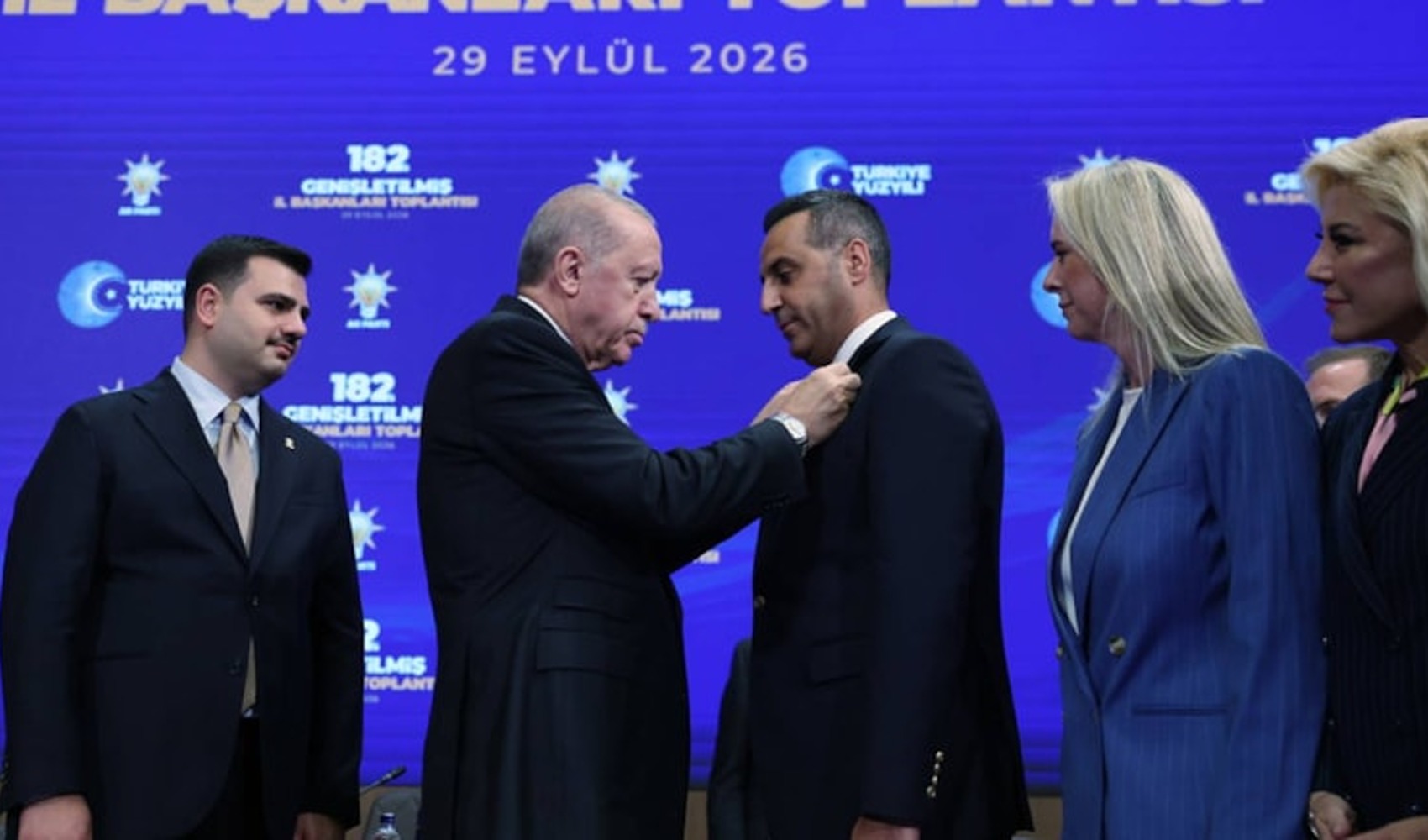
Onur Emrah Yıldız’s AKP post has been closed to comments

Serenay Sarıkaya and Hailey Bieber have a fashion clash in Paris

Chief Public Prosecutor's Office requests VAR center camera footage
The status of the terrorist leader: Whose word will prevail?!
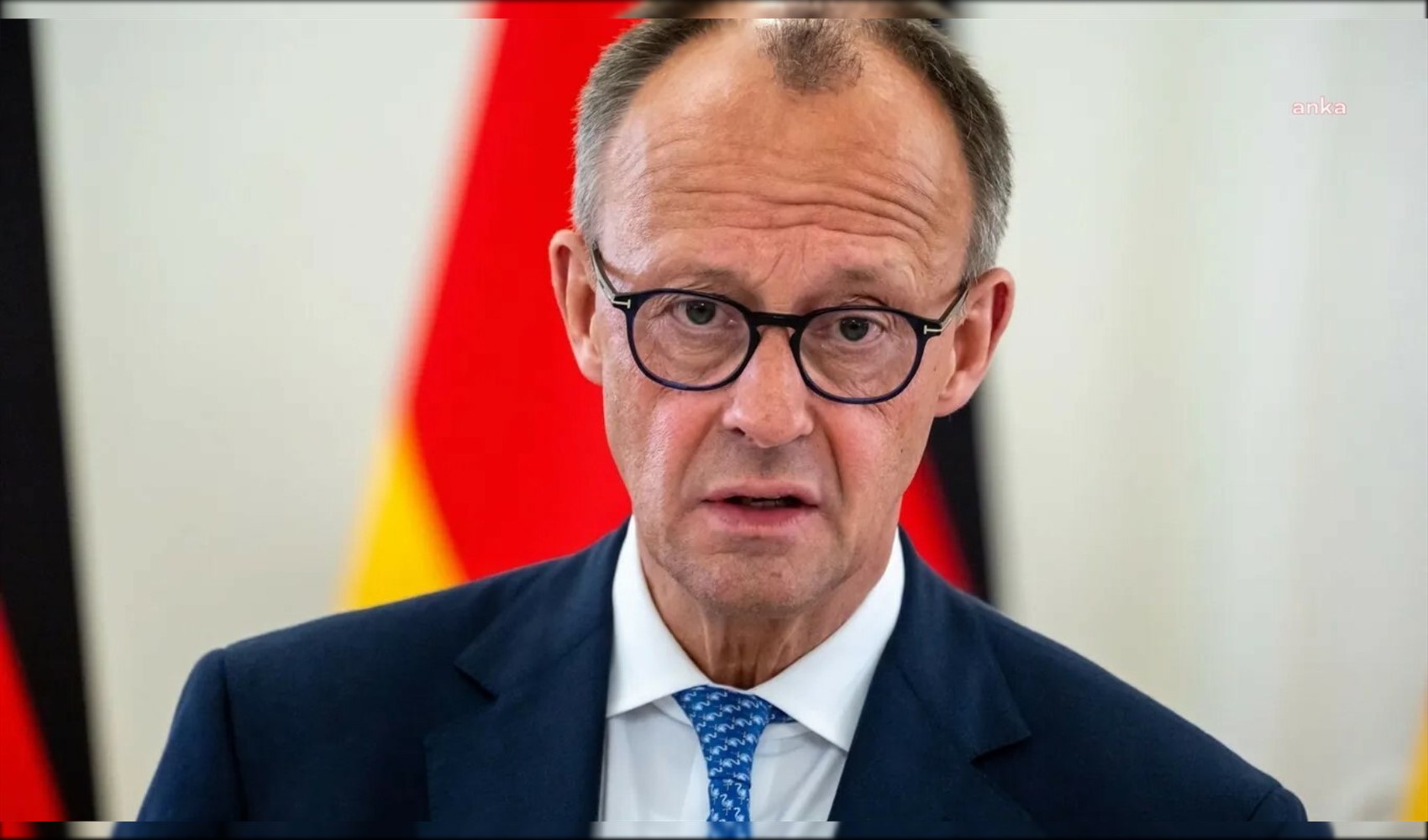
German Chancellor Merz: Russia is not interested in negotiations
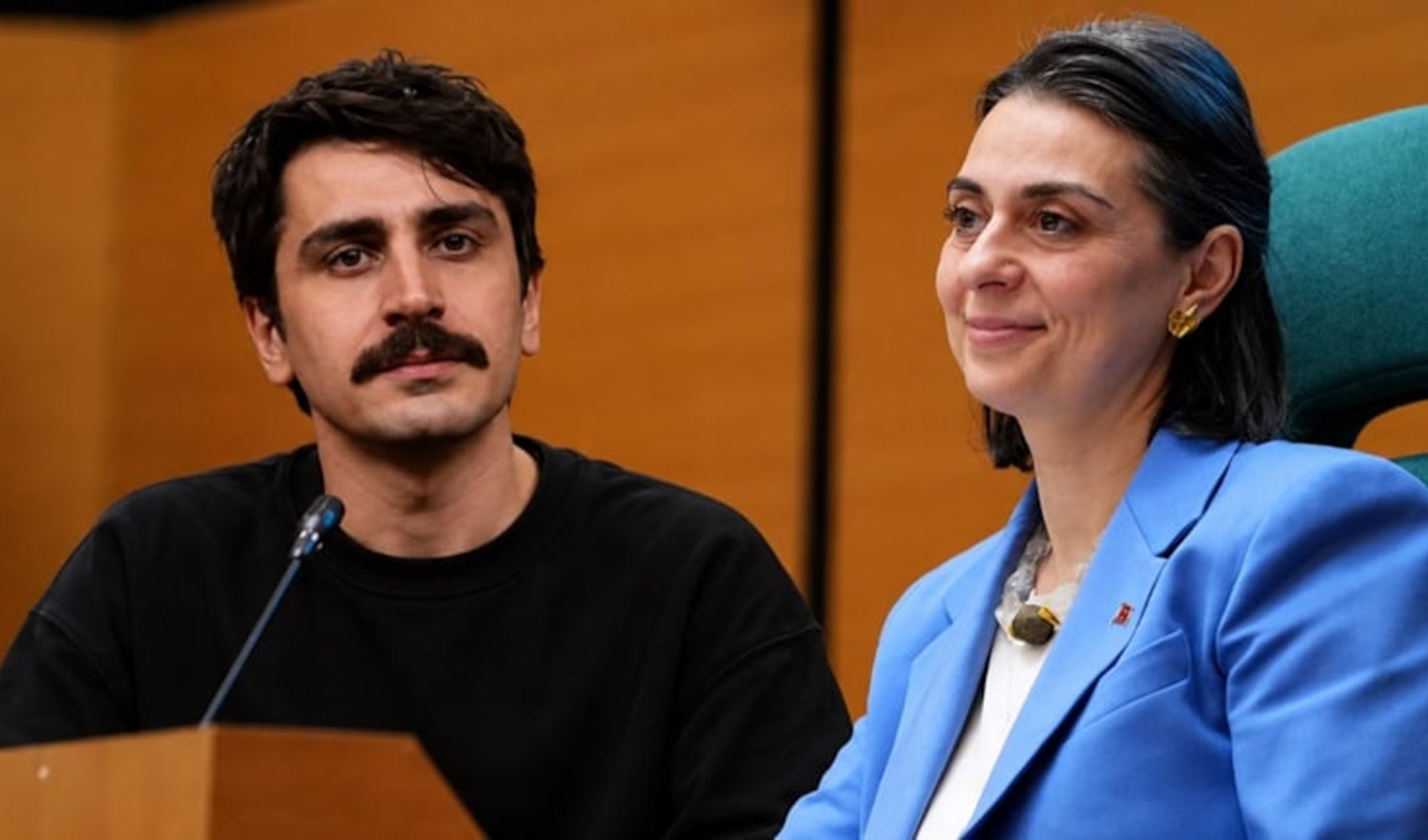
Release message from Sinem Dedetaş to Deniz Göktaş