

Fidel Castro's 100th birthday commemorated in Cuba
While events are being held across Cuba for Fidel Castro, the commemorations coincide with the country's deepening economic hardships.



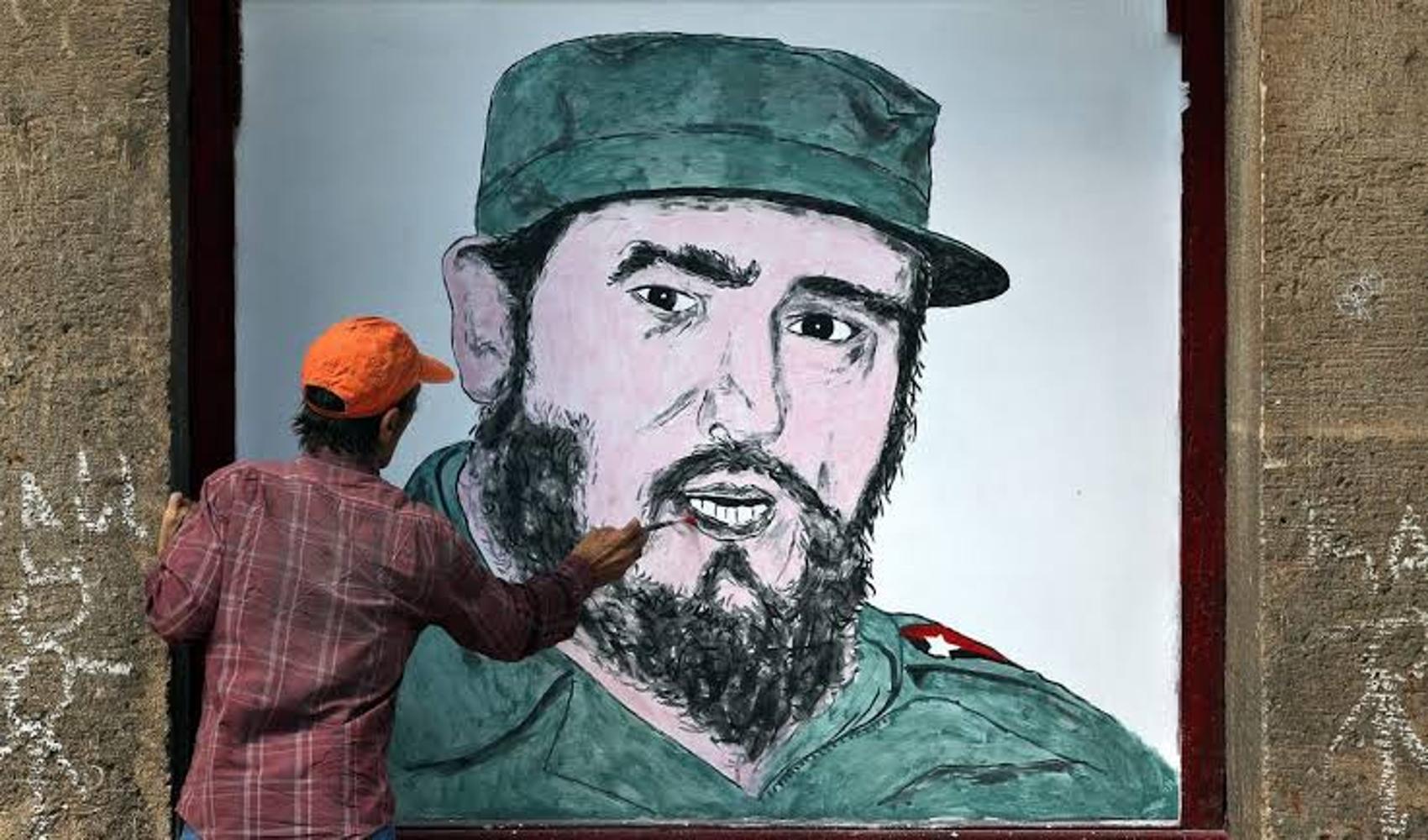
Fidel Castro, one of the iconic figures of the Cuban Revolution, is being commemorated with events held across the country on the 100th anniversary of his birth on August 13, 1926. Programs including an International Book Fair, art exhibitions, concerts, and events attended by representatives of various leftist organizations in Latin America have been held for the former leader this week.
Visuals prepared in memory of Castro are drawing attention throughout the country, particularly in the capital, Havana. While photographs of the former leader are displayed in hospitals, slogans identified with Castro are being used on billboards in the streets.
The commemorations are taking place at a time when Cuba has long been facing severe economic problems. It is stated that the fuel blockade implemented by the administration of US President Donald Trump in January and the subsequent new sanctions have further deepened the crisis in the country.
The Cuban economy has been experiencing serious difficulties for about five years due to the impact of failed financial reforms in addition to previous US sanctions. While long-term power outages, fuel and medicine shortages make daily life difficult, the decline in industry and tourism, flight cancellations, transportation restrictions, and reductions in working and education hours are increasing the impact of the crisis.
FROM REVOLUTION TO A CONTROVERSIAL LEGACY
Fidel Castro Ruz was born in a sugar-producing region in eastern Cuba. Turning to politics after his law studies, Castro led an attack on the Moncada Barracks in Santiago de Cuba with over 100 people in 1953. The attempt to overthrow the dictator of the time, Fulgencio Batista, ended in failure, and Castro was arrested.
After his release, Castro went to Mexico, where he organized with his comrades and returned to Cuba to launch a guerrilla struggle. This process resulted in the overthrow of Batista in 1959 and Castro's rise to power.
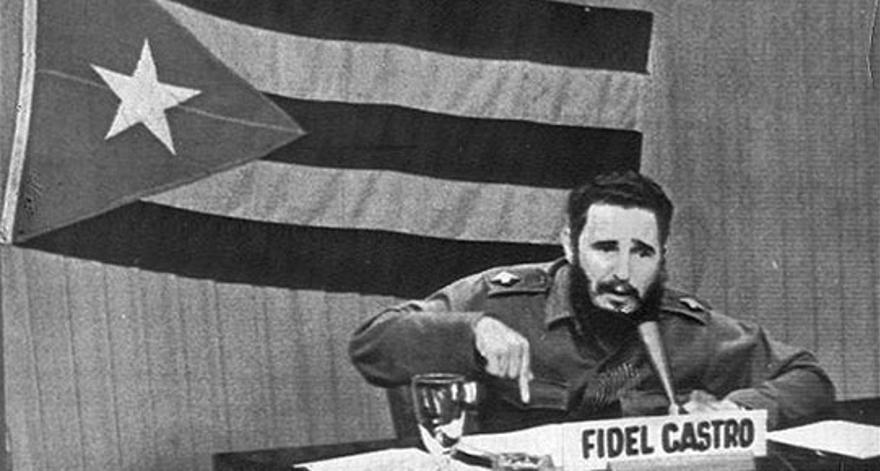
After coming to power, the Castro administration took comprehensive steps such as land reform, literacy campaigns, and the nationalization of private companies. These policies became one of the fundamental issues of the harsh political and economic tension that would last for many years between Cuba and the US.
Castro is seen by his supporters as one of the symbols of social gains, an independent foreign policy, and the anti-colonial struggle. His opponents, on the other hand, evaluate his era as years when political competition and freedom of expression were restricted and the Communist Party's monopoly on power was consolidated.
Having remained at the center of Cuban politics for nearly half a century after the 1959 revolution, Castro handed over the presidency to his brother Raúl Castro in 2008 due to health problems. Castro's legacy, which continued to influence the country's politics until his death in 2016, continues to be commemorated in Cuba on the 100th anniversary of his birth.
News Source: 12punto
Most Read
New development in fund investigation: 5 luxury villas seized

Nihat Zeybekci also invested in the fund

18 detained in Antalya prostitution and drug investigation

Salih Tanrıkulu has stepped down from his roles at Borsa İstanbul
Onur Emrah Yıldız’s AKP post has been closed to comments

Serenay Sarıkaya and Hailey Bieber have a fashion clash in Paris
Chief Public Prosecutor's Office requests VAR center camera footage

The status of the terrorist leader: Whose word will prevail?!
German Chancellor Merz: Russia is not interested in negotiations
Release message from Sinem Dedetaş to Deniz Göktaş