

Mandatory military service hurdle in German coalition talks... SPD deputies: 'We will not support it'
Coalition negotiations have begun in Germany following last week's early general elections. A group of Social Democratic Party (SPD) deputies has announced they will not support the chancellorship of CDU leader Friedrich Merz.




12punto FOREIGN NEWS
The opposition of SPD deputies to Merz has raised tensions in the coalition talks. Although it was stated that the negotiations held last week took place in a 'positive and moderate atmosphere,' the opposition within the SPD has caused the process to become more complex. If the SPD and the election winners, the Christian Democrats (CDU/CSU), do not form an alliance in Germany, the CDU/CSU will have to negotiate with the far-right Alternative for Germany (AfD) to form a government. Merz's party has 'in principle' refused to cooperate with the AfD.
According to a poll by the public opinion research company INSA, 52 percent of Germans support a coalition between the CDU/CSU and the SPD. On the other hand, 32 percent of those who participated in the survey opposed this cooperation, while a group of 16 percent stated that they were undecided.
According to a report by the Frankfurter Allgemeine Sonntagszeitung newspaper, at least 8 deputies from the SPD Federal Parliamentary Group have announced that they will not support Merz becoming chancellor.
The report noted that the disagreement between the SPD and the CDU/CSU stems from the 'mandatory military service' debate. Merz has been advocating for the reinstatement of mandatory military service in Germany. SPD deputies objected to Merz's chancellorship due to their disagreements on this issue.
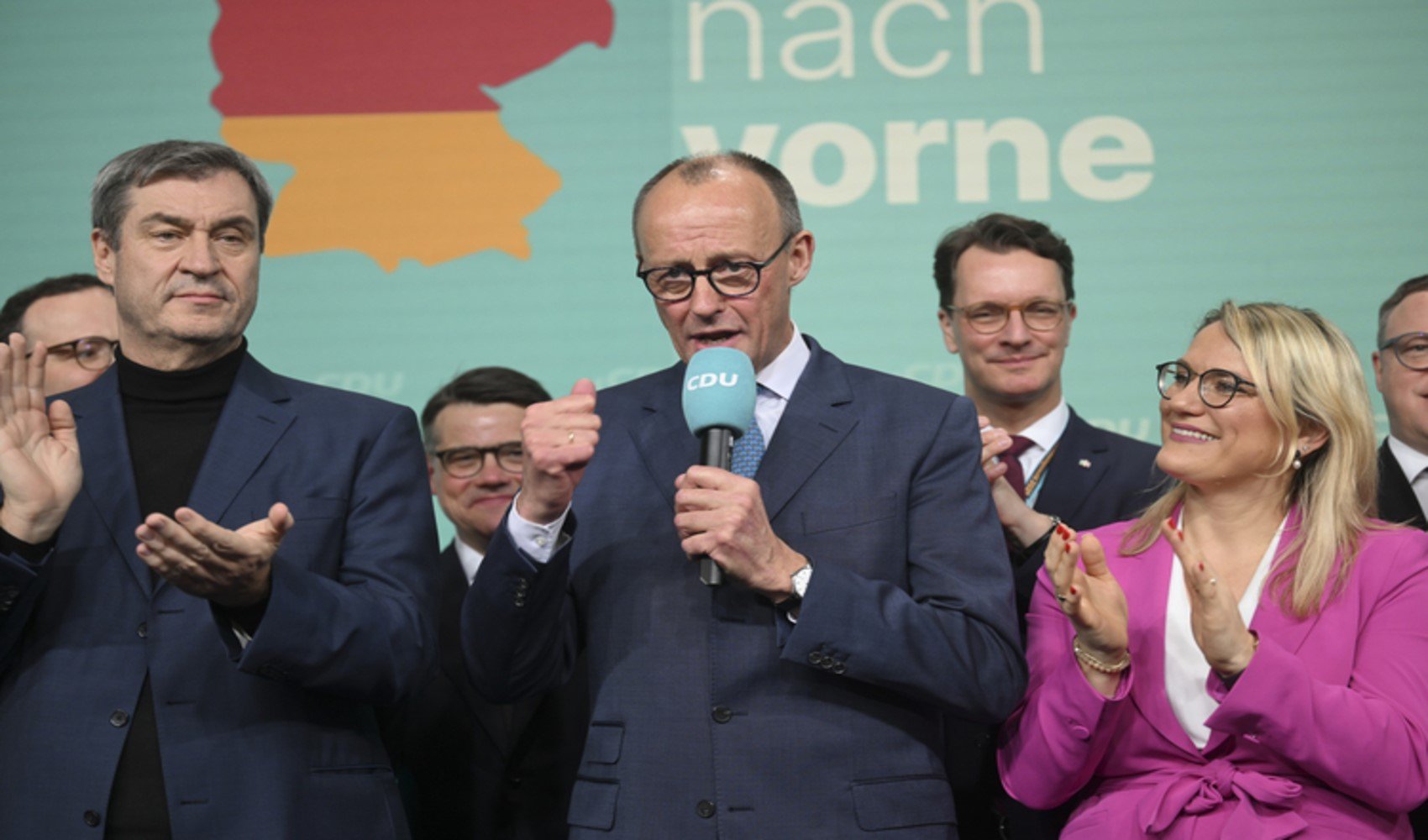
CDU leader and chancellor candidate Friedrich Merz
MANDATORY MILITARY SERVICE DEBATES
The CDU/CSU supported the enactment of a mandatory military service law during the election campaign. Lieutenant General Harald Gante of the German Armed Forces emphasized that mandatory military service must be reintroduced to meet the country's defense needs.
Stating that the German army will train 2,500 new soldiers this year, Gante also emphasized that military infrastructure services are insufficient. Defense Minister Boris Pistorius had also previously stated that mandatory military service would be necessary.
Making a statement to the Deutsche Presse Agentur (dpa) news agency, Gante reported that enacting a mandatory military service law is inevitable to strengthen Germany's defense, and used the following expressions:
'The volunteer-based system is not sufficient for our army to fulfill its duties. We cannot meet our defense needs without mandatory military service.'
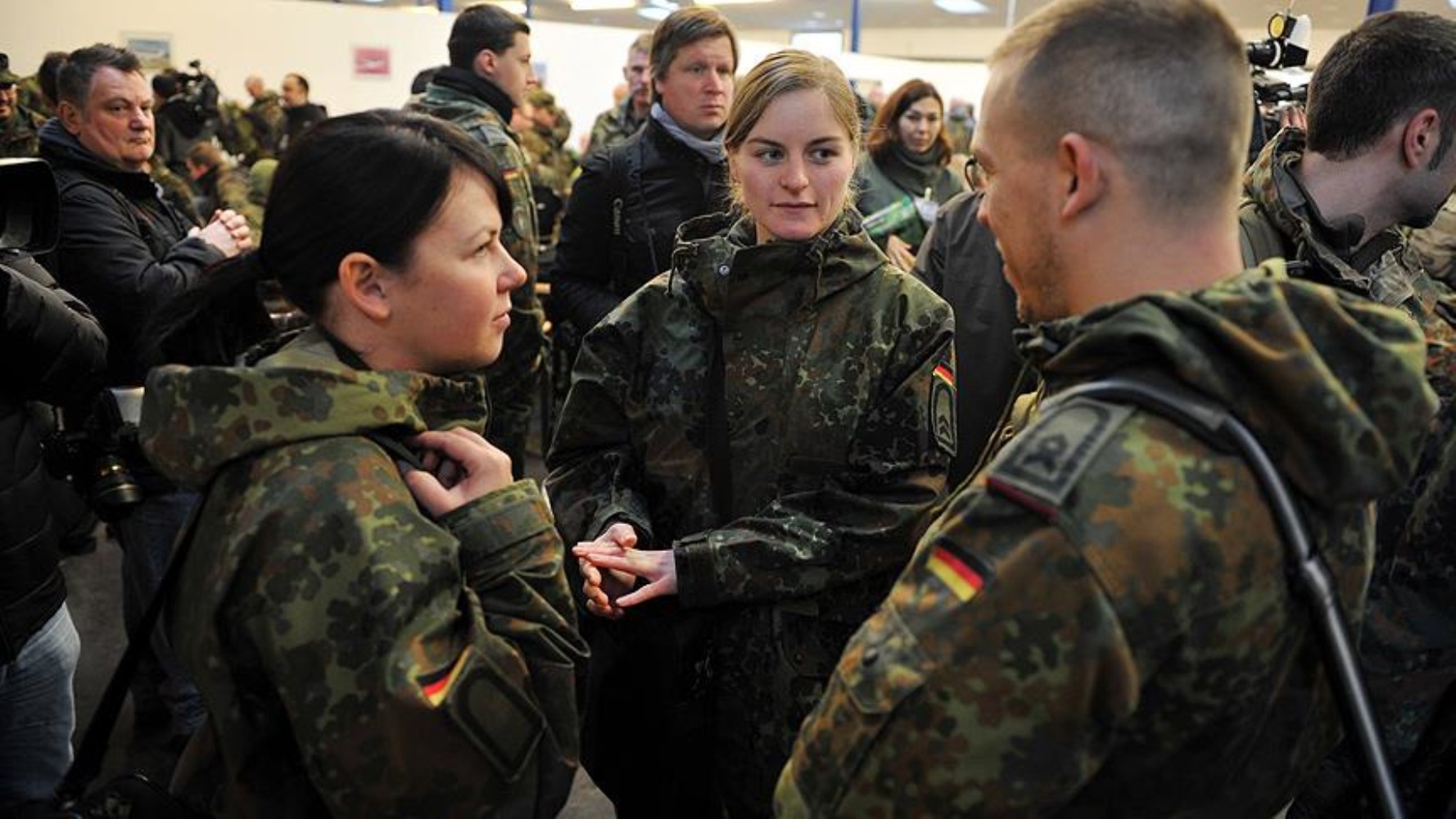
The German army has 180 thousand active personnel. The Russian army is known to have 2 and a half million active personnel. According to military experts, leading countries need to increase their number of soldiers for Europe to be able to form its own security initiative. Source: Der Spiegel
GERMAN ELECTIONS: COALITION IS INEVITABLE
According to the preliminary results announced by the German Election Board, the CDU/CSU came in first with 28.6 percent of the vote. The AfD rose to second place with 20.8 percent. The SPD received 16.4 percent, the Greens 11.6 percent, and the Left Party 8.8 percent. While the Free Democratic Party (FDP) failed to pass the threshold with 4.3 percent of the vote, the 'Sahra Wagenknecht Alliance,' which participated in the election for the first time, received 4.9 percent.
The distribution of seats in the Federal Parliament was as follows: CDU/CSU won 208, AfD 152, SPD 120, Greens 85, and the Left Party 62 seats. According to the results, no party reached the parliamentary majority to govern alone. The distribution of deputies in parliament made it inevitable to form a coalition government between the CDU/CSU and the SPD.
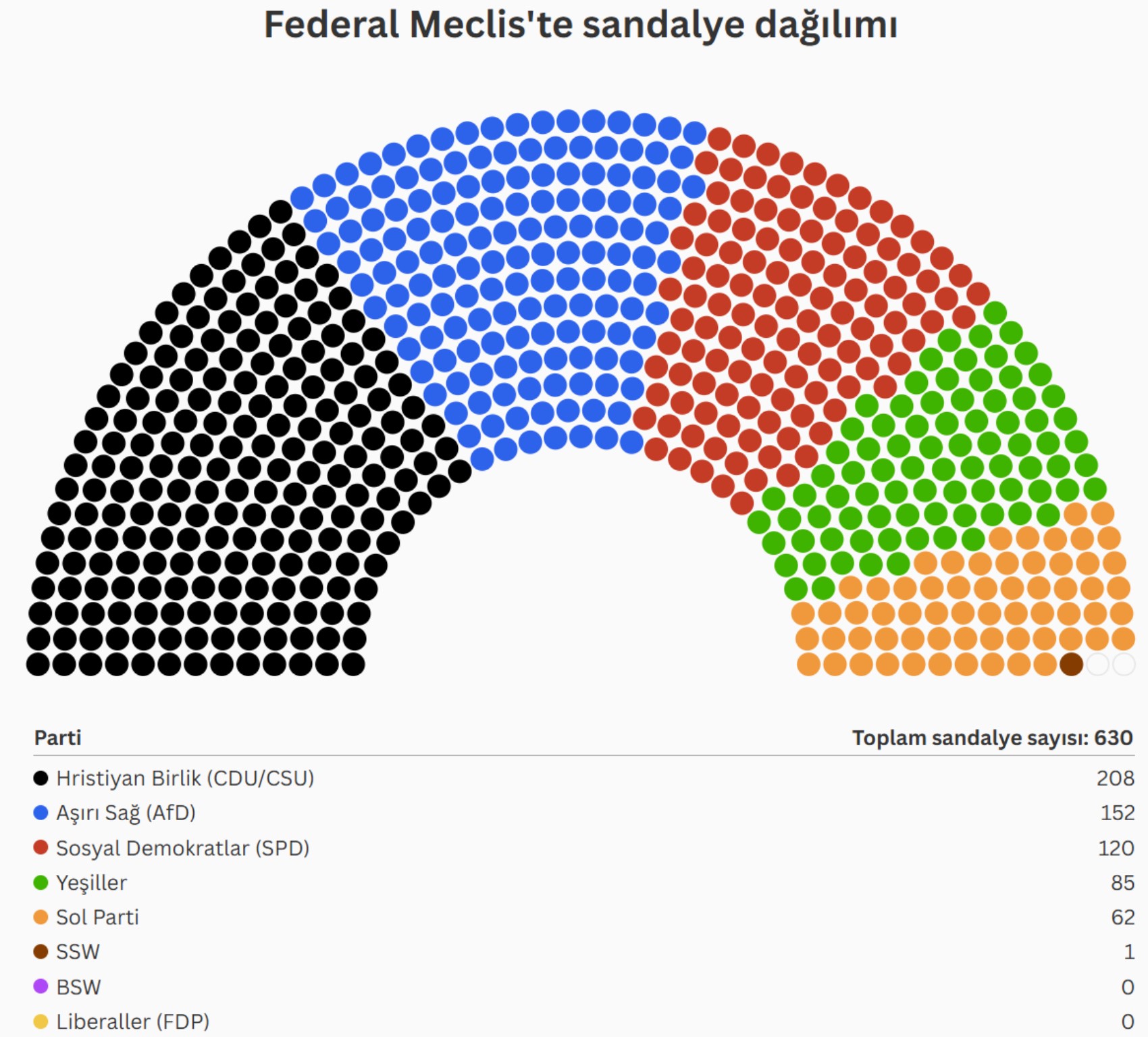
Source: AA
News Source: 12punto
Most Read
Galatasaray announces injury updates for Osimhen, Lemina, and Singo

Attention online sellers: Tax monitoring expanded
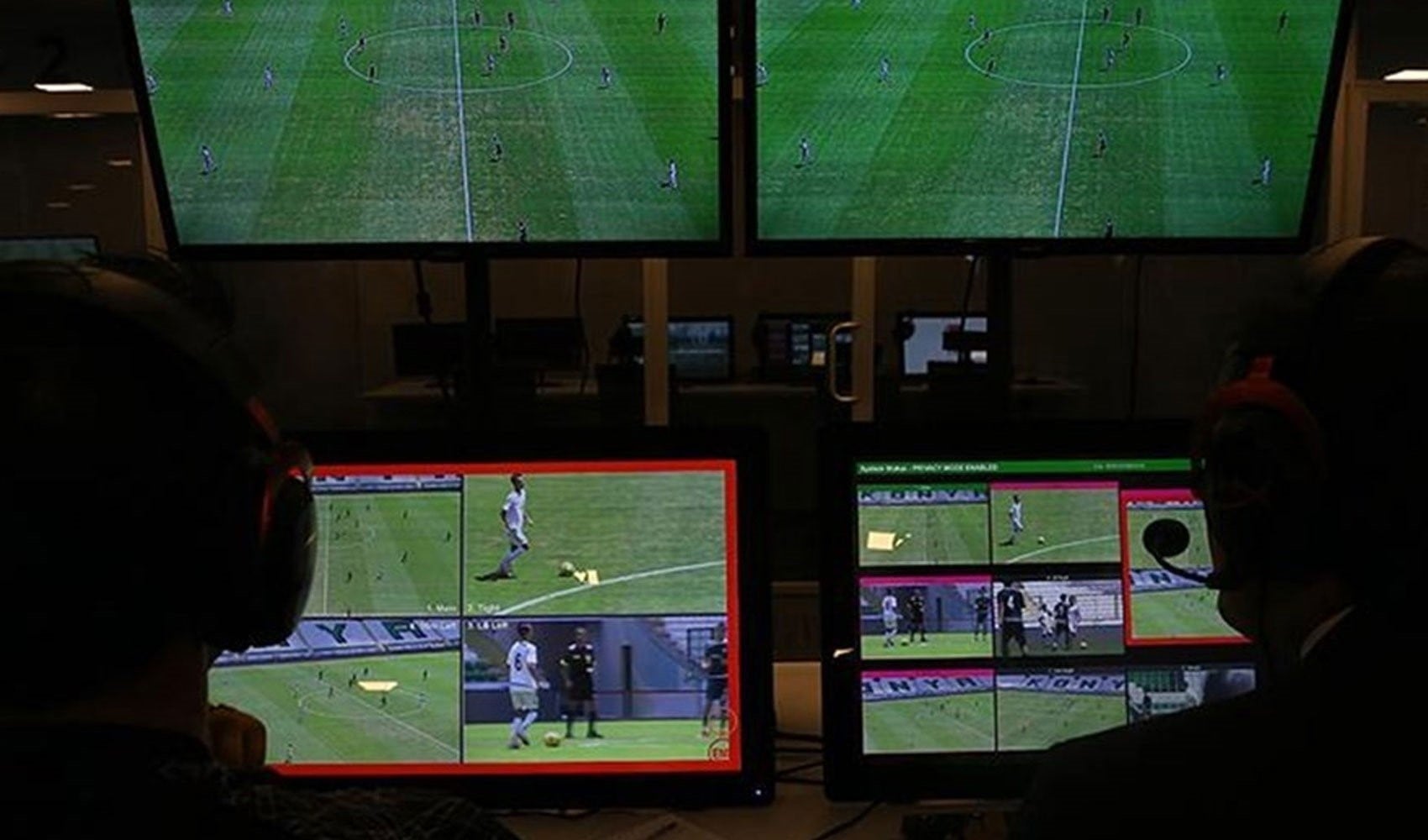
VAR for the Fenerbahçe-Beşiktaş derby has been announced!
Bridges and highways are being privatized: 15 July and FSM are also on the list

Peugeot September 2026 price list is out

New details emerge in 'panel' operation targeting lawyers
Gökçek era detail in ABB investigation
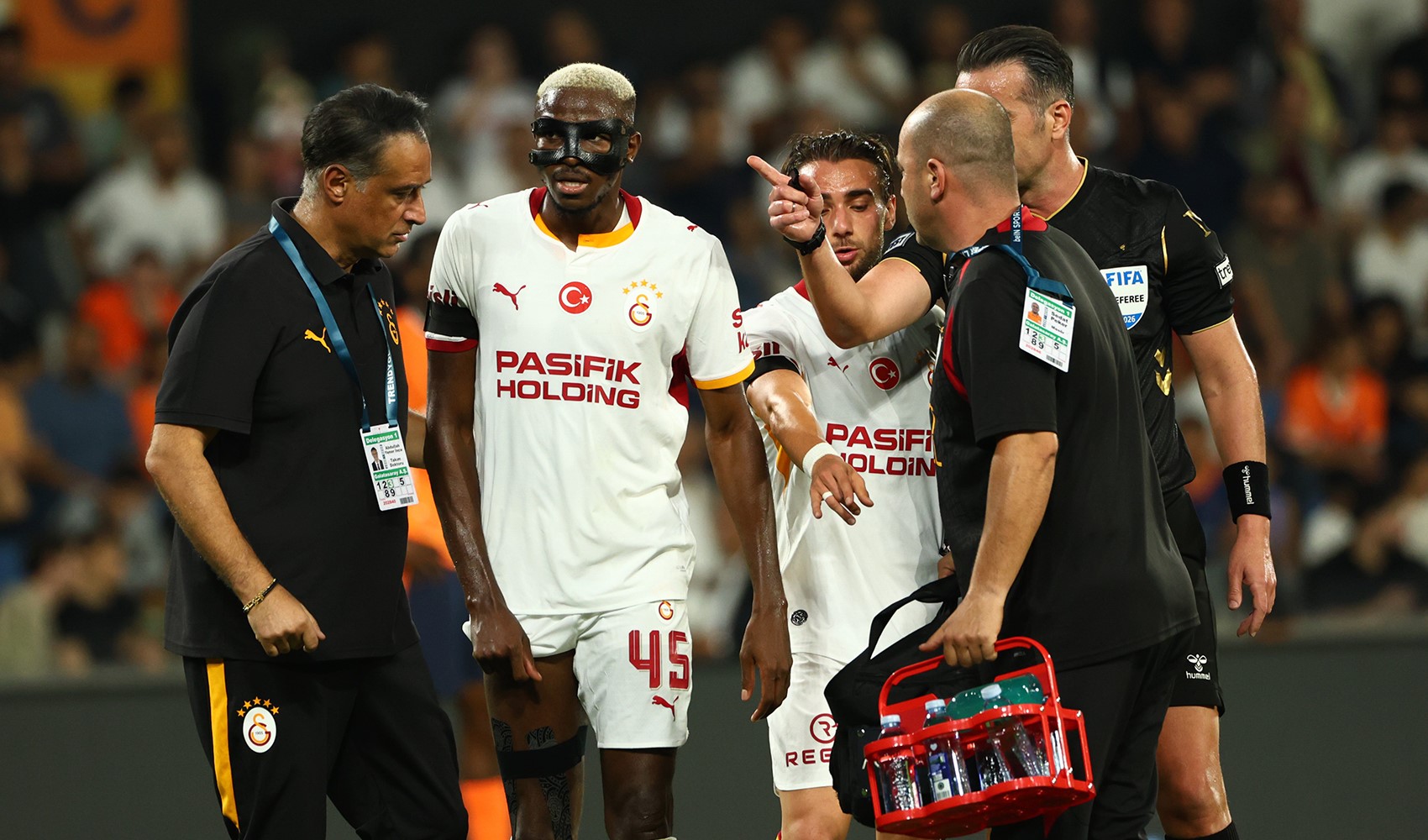
First statement from Osimhen after injury in Başakşehir match

Özlem Şanver: 'He said he would change, I believed him; should I be beaten just because I didn't leave?'
Mourinho explains why he substituted Arda Güler