In the fourth part of a dossier report focusing on the UN's inability to adopt resolutions or take effective steps to stop Israel from continuing to commit the crime of genocide in Gaza, the discussion addressed how, despite the ICJ identifying Israel's violations through both genocide cases and advisory opinions, these rulings have remained ineffective in ending these crimes.
As established in reports by UN-affiliated bodies and numerous human rights organizations, it is stated that Israel has violated the Genocide Convention, the laws of war, and human rights in Gaza, while the functionality of international courts in investigating these violations and holding those responsible accountable has begun to be debated.
It is evident that international courts have failed to take the necessary steps and have remained ineffective in the face of war crimes, crimes against humanity, and genocide crimes committed by Israel—which clearly violates international law—in the occupied Palestinian territories on October 7 and thereafter.
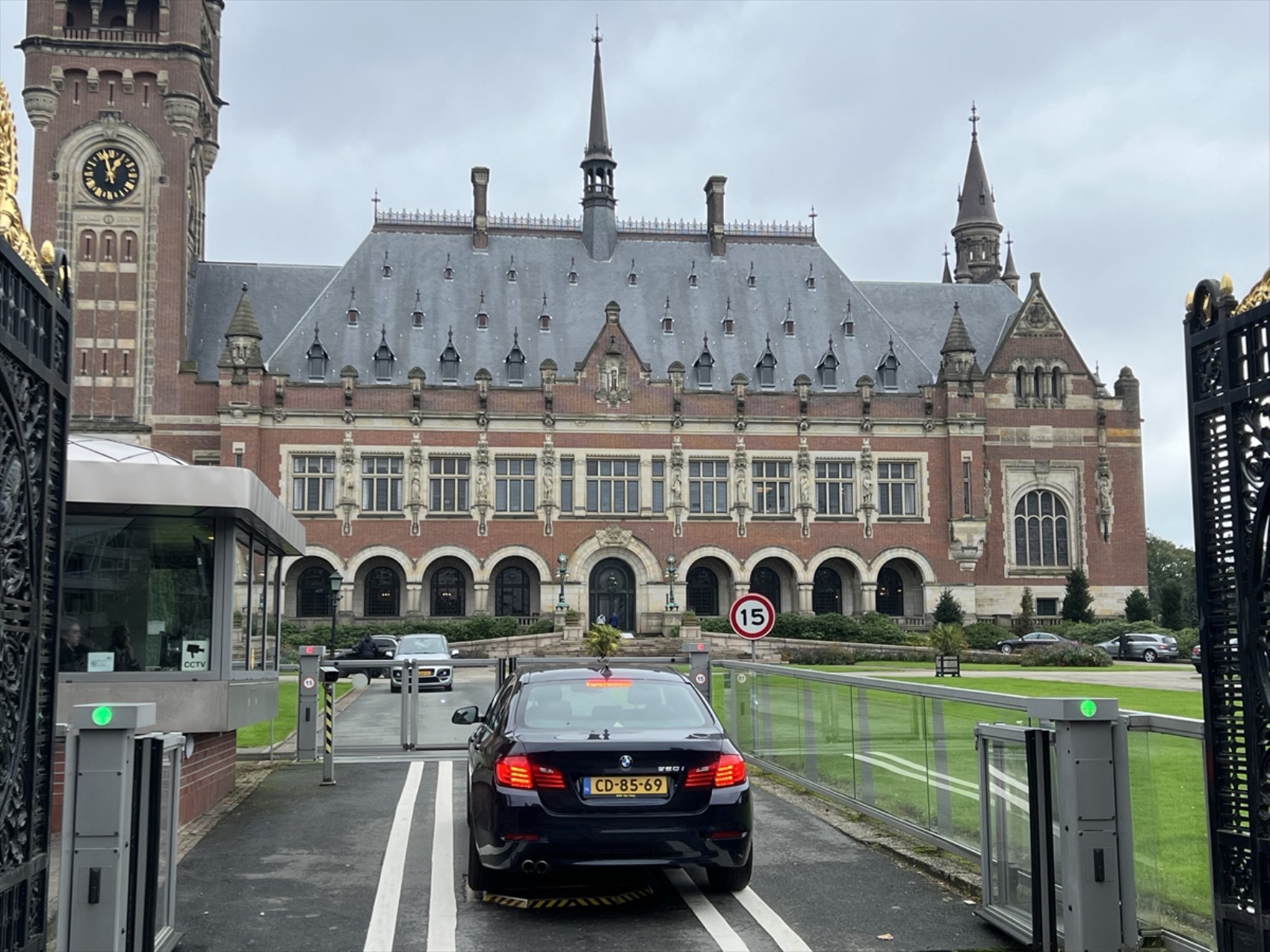
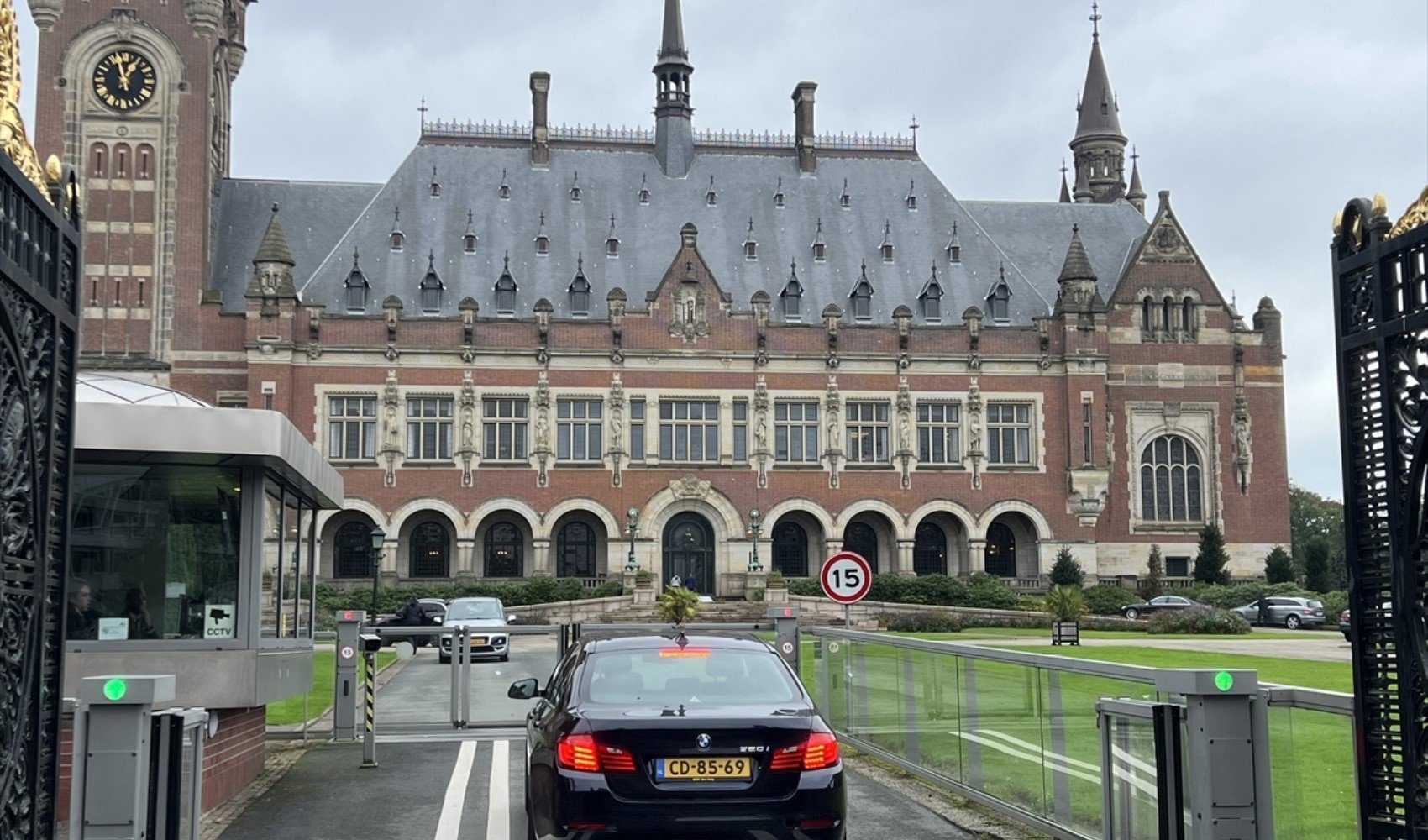
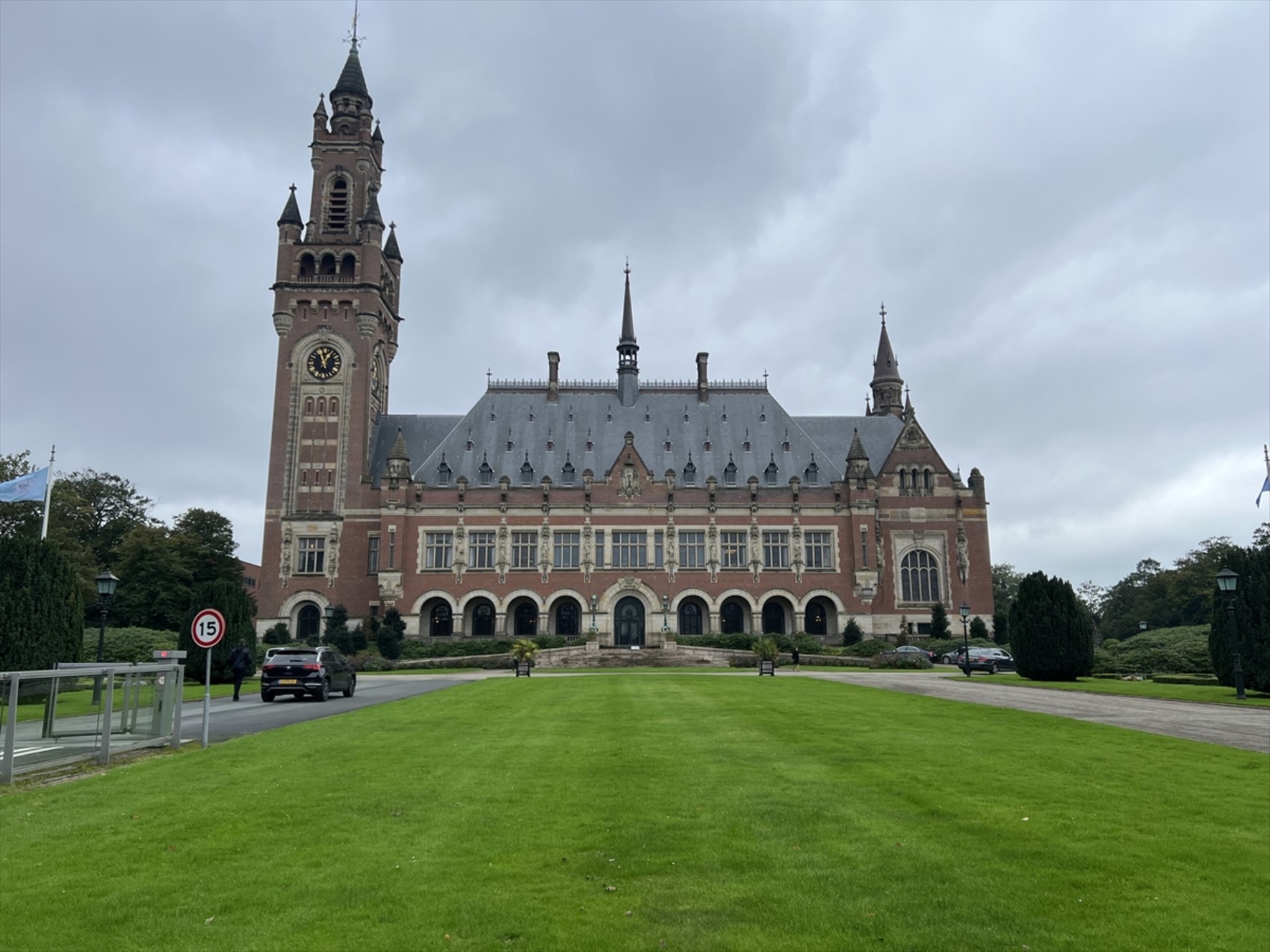
THE ICJ'S AUTHORITY TO INVESTIGATE GENOCIDE
The UN, which began its work on defining and prosecuting the crime of genocide in 1946, appointed three legal advisors within the UN Secretariat to draft the relevant convention. These advisors also prepared an article determining which courts would handle disputes regarding genocide.
The drafters of the convention envisioned two courts to handle genocide cases: the first was the ICJ for disputes, and the second was a separate International Criminal Court for genocide tasked with punishing the perpetrators.
Regarding the first court, the drafters of the Genocide Convention intended for the ICJ to have jurisdiction in cases where a state is unwilling to prosecute genocide perpetrators or where the perpetrators are the individuals at the head of the state organs themselves.
Considering the genocide crimes Israel is alleged to have committed in Gaza, it appears that the conditions envisioned by the drafters of the Convention have been met, both in terms of Israeli authorities not yet initiating an effective and sincere investigation into those involved in the genocide, and in terms of government officials themselves being implicated in the crime of genocide.
Secondly, although the ad hoc criminal tribunals established by the UN for Rwanda and the former Yugoslavia, as well as the current International Criminal Court (ICC), have the authority to prosecute genocide perpetrators, it is observed that the goal of establishing a criminal court under the Genocide Convention has not been realized.
CASES FILED AT THE ICJ FOR THE GENOCIDE IN GAZA
Indeed, the two genocide cases filed at the ICJ—one against Israel by South Africa and one against Germany by Nicaragua—bring to the fore the forms of genocide envisioned by the drafters of the convention.
South Africa accuses Israel of both killing Palestinians and leaving them to die by depriving them of the necessities of life.
Nicaragua, in the case it filed against Germany, which it accuses of complicity by providing weapons to Israel, is demanding an end to the arms aid sent to Israel.
When the UN was drafting the relevant convention in 1948, it planned to grant the authority to prosecute genocide crimes to two courts. The first was the ICJ, and the second was a separate international criminal court tasked with punishing genocide perpetrators. Although the latter did not succeed, ad hoc criminal tribunals and the ICC are fulfilling this duty in a manner outside the Genocide Convention.
"COURT RULINGS ARE NOT IMPLEMENTED"
John Quigley, Professor Emeritus of International Law at Ohio State University, stated that the ICJ's authority regarding mass crimes is quite limited.
Quigley noted that the ICJ's January ruling was issued with very strong language, stating, "The Court told Israel it must refrain from acts of killing. The Court could not order a ceasefire as it did in the Ukraine-Russia case because it does not have jurisdiction over Hamas. A ceasefire implies that both sides stop hostilities. What could be done was to tell Israel to stop, and the court did that in its January ruling."
"THE ICJ IS HESITANT WHEN ITS RULINGS ARE NOT IMPLEMENTED"
Pointing out that the non-implementation of ICJ rulings affects the court's stance, Quigley said, "The court has a problem if it goes too far in ordering Israel to do this or that, knowing that its rulings will not be implemented. This puts the court in a position where we could call it a 'paper tiger'; it can make a decision, but its decisions are not followed."
Quigley assessed, "This situation affects the court's avoidance of doing exactly what it should do in certain situations. Although the Security Council has an obligation under the UN Charter to implement ICJ rulings, the court knows that when it comes to Gaza, the Security Council will not do so."
"THE SITUATION IN GAZA IS DIFFERENT FROM BOSNIA AND CROATIA"
Pointing out that the situation in Gaza contains significant differences from the Bosnia and Croatia genocide cases at the ICJ, Quigley said, "In the Bosnia and Croatia cases, the ICJ focused only on acts of killing in its determination of genocide, but the situation in Gaza is much more comprehensive. Here, it is not just acts of killing, but also the deliberate imposition of living conditions on the entire population of Gaza that will lead to the physical destruction of Palestinians."
Noting that many articles of the Genocide Convention are being violated simultaneously, Quigley said, "What is happening in Gaza is a clear violation of a separate article of the Genocide Convention, and Israel is systematically violating this article. Therefore, the fact that the rulings in the Croatia and Bosnia cases serve as a precedent does not mean that Israel can escape the crime of genocide it committed in Gaza, because there is a much more comprehensive and systematic policy of destruction here."
"CASES TAKE A LONG TIME TO CONCLUDE"
Evaluating the long duration it takes for cases at the ICJ to conclude, Quigley said, "The court usually gives the parties 6 or 12 months to present their arguments, then there is an additional debate on jurisdiction. As a result, reaching a final judgment takes two to three years or longer. Therefore, judgments on the merits are not very effective in dealing with an ongoing situation. The solution here is the provisional measures mechanism."
Pointing to the importance of other states intervening in the legal process, Quigley noted the following:
"Intervention is important because it also involves other states in the process. In the Ukraine case, Western states intervened on a large scale to support Ukraine, but the number of states that decided to intervene in the case South Africa filed against Israel remained at a more modest level. This is an important mechanism, but whether to use it or not depends on the decision of other states. I hope more states will intervene in the South Africa case. States sometimes think they should only intervene at the merits stage, and we have not reached that stage yet in the South Africa-Israel case."
"IT IS VERY LIKELY THAT THE ICJ WILL RULE THAT GENOCIDE IS BEING COMMITTED"
Drawing attention to Israel's actions in northern Gaza, Quigley said, "Especially considering what is happening now in the north, in the Jabalia Camp, it is very likely that the ICJ will rule that genocide is being committed because Israel is forcing the entire population to leave this part of Gaza under conditions where people are dying and the UN says famine has begun."
Quigley commented on the future of the case:
"Most likely, Israel will challenge the jurisdiction. The court will have to make a decision on this. I think the court will decide that it has jurisdiction. This will mean that Israel will have to present its defense on the merits."
News Source: AA