

US-led coalition to complete its military mission in Iraq on September 30
Iraqi officials have announced that the withdrawal process for US and international coalition forces will be completed on September 30.



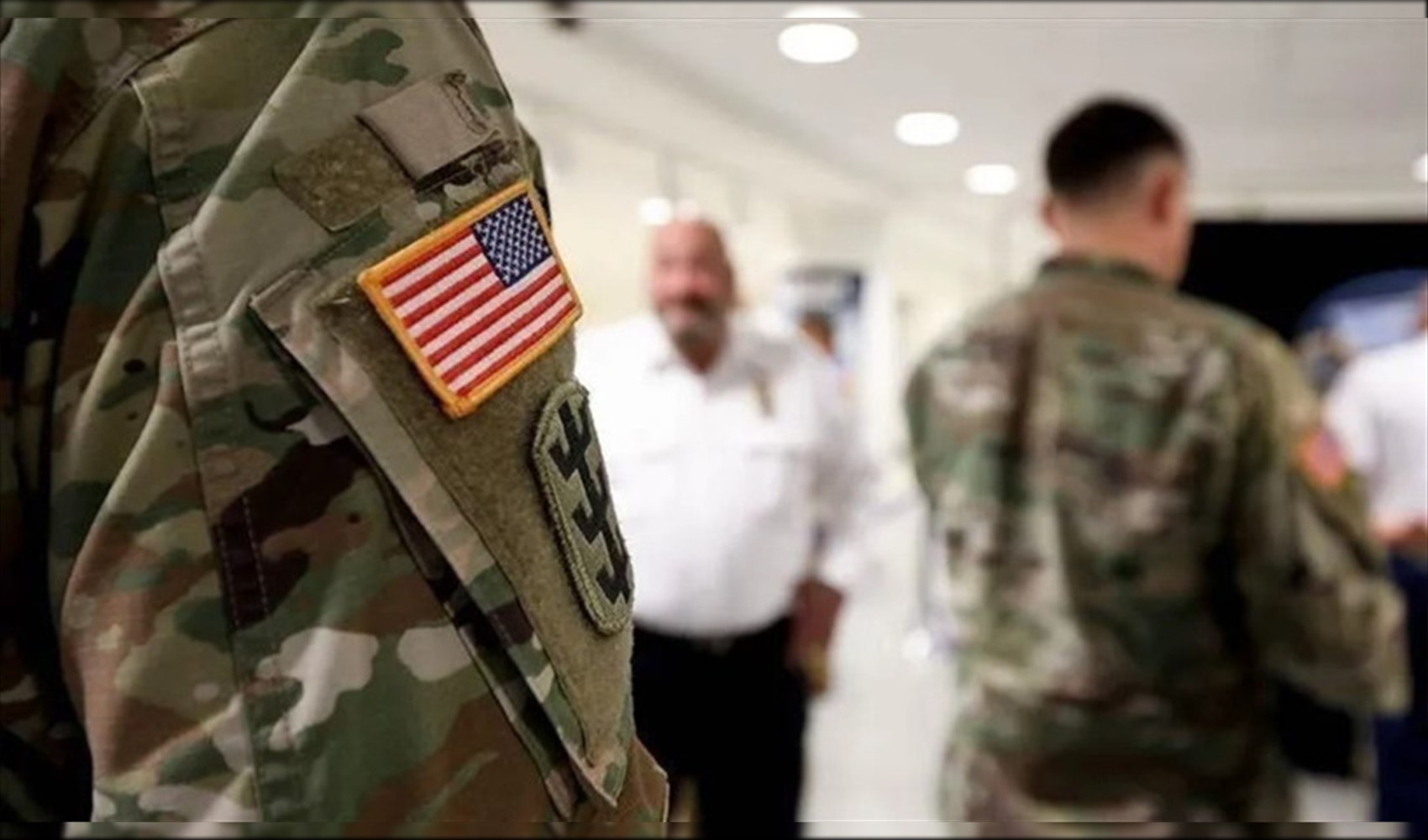
The critical threshold for the military presence of the US-led international coalition in Iraq has been set for September 30. Sabah al-Numan, spokesperson for the Iraqi Armed Forces Command, announced that the withdrawal process for US forces and coalition elements from the country will be completed on this date.
Speaking to the official Iraqi news agency INA, al-Numan stated, "US forces and international coalition forces will complete the withdrawal process from Iraq on the 30th of this month. There are no foreign soldiers or military bases on Iraqi soil."
Abulamir al-Shammari, Director of the Office of the Iraqi Prime Minister and Commander-in-Chief of the Armed Forces, also announced on September 26 that the headquarters of the US-led coalition forces would close on September 30 and that there would be no foreign military bases on Iraqi territory. Al-Shammari noted that the country's security situation is stable and that Iraqi forces have established control across all national territory.
SECURITY RELATIONS TO MOVE TO A NEW FRAMEWORK
Following the end of the coalition's military mission, security contacts between Baghdad and Washington are not expected to be severed entirely. The relationship between the two countries is expected to continue on the basis of bilateral cooperation in areas such as intelligence sharing, coordination, and arms programs.
This development marks a new phase in the long military presence that began after the US invaded Iraq in 2003 to topple the Saddam Hussein regime. The US had maintained a presence of approximately 166,000 troops in Iraq until December 2011, before withdrawing them under the instructions of then-US President Barack Obama.
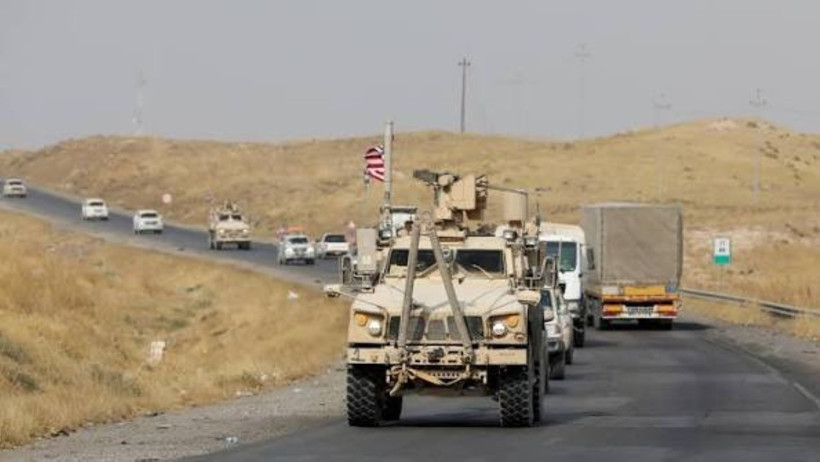
However, following the rise of ISIS in Iraq on June 10, 2014, US troops were sent back to the country at the call of then-Iraqi Prime Minister Nouri al-Maliki. According to the latest data published by the US Department of State, there were nearly 5,000 US troops in Iraq in accordance with the military strategic agreement signed in 2014.
AIR DEFENSE WARNING FROM THE KRG
The coalition's withdrawal schedule has also raised security concerns in the Kurdistan Regional Government (KRG). The KRG Ministry of Peshmerga Affairs expressed its concerns, particularly regarding air defense capabilities. The ministry reported that the region had been subjected to more than 1,000 drone and ballistic missile attacks during the recent period of tension between the US and Iran.
The statement emphasized that KRG airspace is an inseparable part of Iraq's national airspace, noting that the protection of this area is the constitutional responsibility of the federal government.
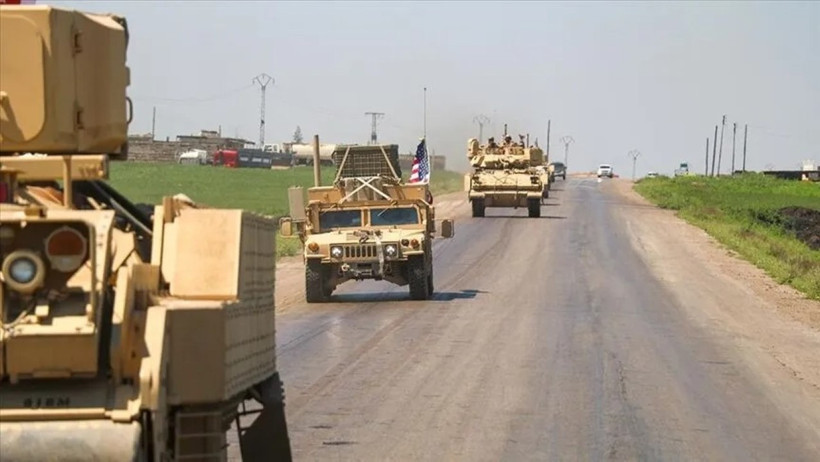
KRG Prime Minister Masrour Barzani also warned that the withdrawal of US forces could leave the region vulnerable. Pointing to the inadequacy of air defense systems in northern Iraq, Barzani recalled that the security vacuum created after the US withdrawal in 2011 paved the way for the rise of ISIS.
The known US military presence in Iraq included the Victory Base Complex at Baghdad International Airport and the training base in Taji, as well as the Habbaniyah and Ain al-Asad bases in Anbar. American troops were also present at the Balad Air Base in Salah ad-Din, the K1 Military Base in Kirkuk, bases in Mosul, and the Qayyarah Airfield.
The Harir Air Base in Erbil and Erbil International Airport were also among the locations used by US forces. The Washington administration had actively used the Harir Air Base, which it had controlled since 2015, by expanding its runway.
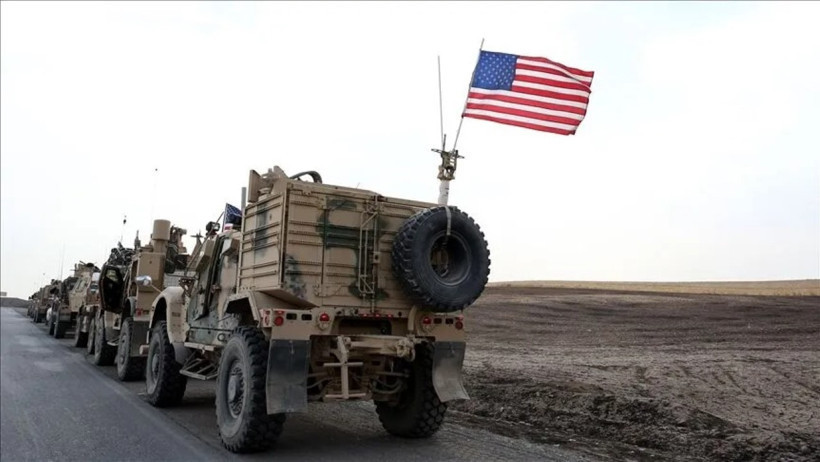
With the closure of the coalition's headquarters and base structure in Iraq as of September 30, the foreign military presence in the country is expected to be replaced by the responsibility of Iraqi forces and bilateral security cooperation along the Baghdad-Washington axis.
News Source: 12punto
Most Read

New development in fund investigation: 5 luxury villas seized

Nihat Zeybekci also invested in the fund
30-day deadline for YENİ Party from the Constitutional Court

Salih Tanrıkulu has stepped down from his roles at Borsa İstanbul

18 detained in Antalya prostitution and drug investigation

We looked, we felt sad, we shared, we talked a bit; then we moved on to the next news story
Fatma Betül Sayan Kaya breaks her silence

Will the 'ballot-box monarchy' collapse? What will replace it?
Onur Emrah Yıldız’s AKP post has been closed to comments

What are we going to do about the smell?